
Camponotus cressoni
- Sci. Name
- Camponotus cressoni
- Subgenus
- Myrmaphaenus
- Tribe
- Camponotini
- Subfamily
- Formicinae
- Author
- André, 1887
- Distribution
- Found in 3 countries
Introduction
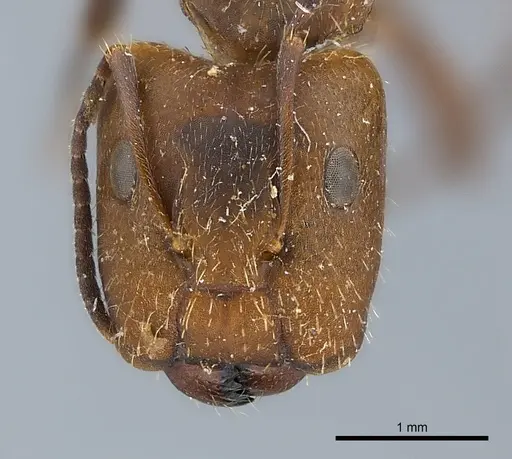
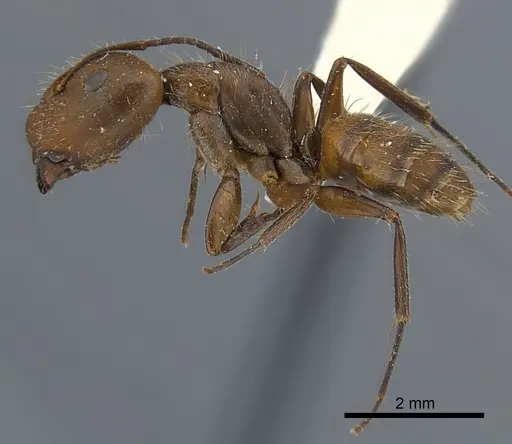
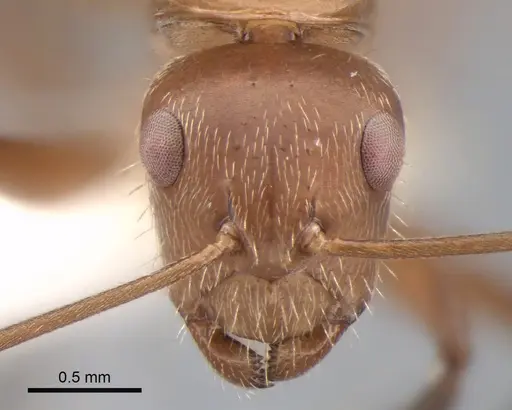
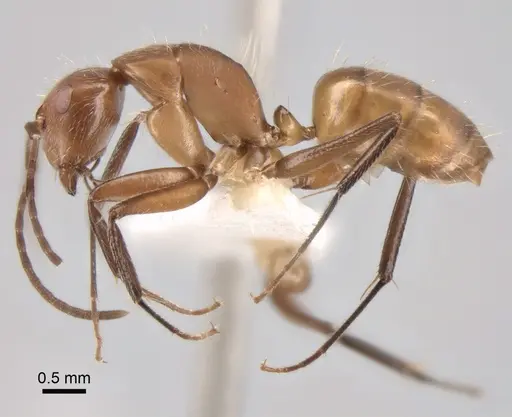
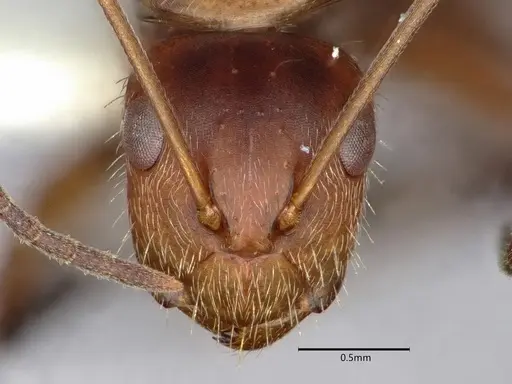
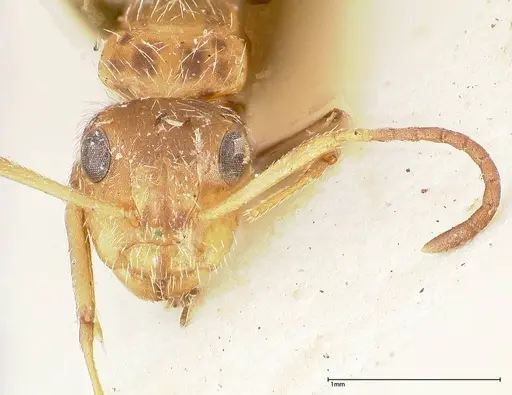
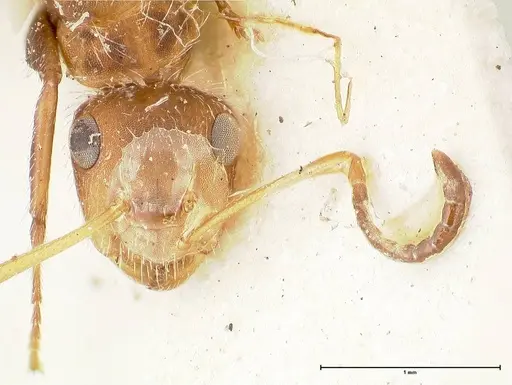
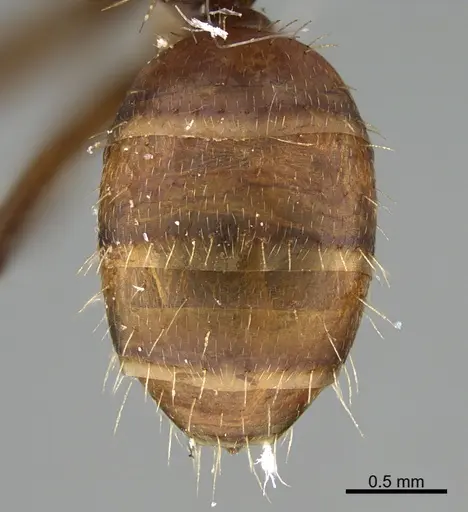
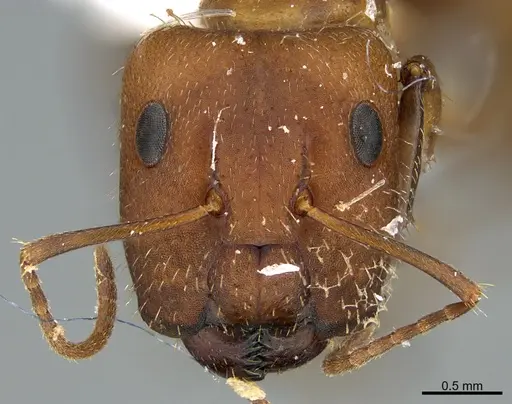
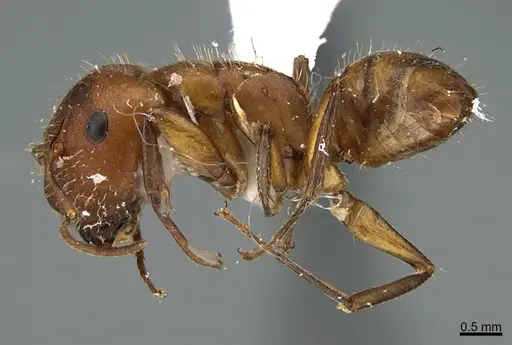
Camponotus cressoni is a medium-sized Neotropical ant known for its distinctive yellow-red to tan coloration, often with a darker gaster featuring darker transverse stripes. Major workers measure 5-5.5mm total length while minors are smaller at 3.5-5mm, and queens reach around 8mm . This species belongs to the subgenus Myrmaphaenus and is found across Central and South America, from Mexico through Colombia, Ecuador, Peru, Bolivia, Brazil, and into Guyana, Honduras, Nicaragua, Panama, and Guatemala . They inhabit tropical forests, scrubland, disturbed riparian areas, and coffee plantations, typically nesting in hollow plant stems in tree canopies . The species was formerly known as C. patimae until synonymized in 2025 . What makes C. cressoni interesting is its arboreal nesting habits - unlike many Camponotus that nest in soil or rotting wood, these ants prefer the hollow stems of plants and trees, often high above ground. They forage both on the ground and in vegetation, making them versatile foragers in their native habitat .
Quick Summary
- Difficulty: Medium
- Origin & Habitat: Native to the Neotropical region, found from Mexico through Central America into South America (Colombia, Ecuador, Peru, Bolivia, Brazil, Guyana, Honduras, Nicaragua, Panama, Guatemala). They inhabit tropical forests, scrubland, disturbed riparian forests, and coffee plantations, typically nesting in hollow plant stems in tree canopies [2][1].
- Colony Type: Colony structure is unconfirmed. Based on typical Camponotus patterns, likely single-queen colonies.
- Size & Growth:
- Queen: 8mm total length [1]
- Worker: Major workers 5-5.5mm, minor workers 3.5-5mm total length [1]
- Colony: Colony size data unavailable for this species
- Growth: Moderate, typical for Camponotus
- Development: Development time is unconfirmed for this species (As claustral founders, queens seal themselves in and raise the first brood alone using stored fat reserves.)
- Antkeeping:
- Temperature: Keep around 24-28°C, mimicking their tropical habitat. A slight gradient allowing cooler areas around 22°C is beneficial.
- Humidity: Moderate to high humidity. These ants naturally live in humid forest environments and plant stems. Keep the nest substrate slightly moist but not waterlogged. Provide a water source.
- Diapause: No, as a tropical species, they do not require hibernation.
- Nesting: Y-tong (AAC) nests or plaster nests work well. Their natural preference for plant stems means they do well in nests with narrow chambers that mimic hollow stems. Avoid overly wet substrates that could cause mold. Test tube setups work for founding colonies.
- Behavior: Generally calm and non-aggressive foragers. They are active both on the ground and in vegetation, which means they will readily explore outworlds. Workers are moderate-sized and can handle standard ant keeping setups. They are not known for being particularly defensive but will alert the colony if the nest is threatened. Escape risk is moderate, use standard barriers. This species lacks a functional sting and instead uses its mandibles to bite combined with spraying formic acid from the acidopore.
- Common Issues: tropical species may struggle if temperatures drop too low, monitor during winter, colonies can be slow to establish during founding, patience is key, arboreal nesting preference means they may not accept soil-filled nests as readily as stem-based options, mold can be an issue if humidity is too high, balance moisture carefully, wild-caught colonies may carry parasites, quarantine and observe new colonies
Housing and Nest Setup
Camponotus cressoni does well in Y-tong (AAC) nests or plaster formicariums that provide the narrow, enclosed chambers they naturally prefer. Their natural nesting in hollow plant stems means they adapt well to setups that mimic these conditions, tight-fitting chambers rather than large open spaces. For founding colonies, a standard test tube setup works perfectly. The queen will seal herself into a chamber and remain there until her first workers emerge. Once the colony reaches a moderate size, you can consider moving them to a more elaborate nest if desired. Avoid overly moist substrates that could lead to mold issues, these ants come from tropical forest environments but typically nest in well-ventilated stem cavities. [2][1]
Feeding and Diet
Like other Camponotus species, C. cressoni is omnivorous and will accept a variety of foods. Offer sugar sources such as sugar water, honey, or diluted maple syrup, these ants have a sweet tooth and will readily consume carbohydrates. For protein, provide small insects like fruit flies, small crickets, or mealworms. In the wild, they forage in vegetation and on the ground, so they are accustomed to finding both sugary honeydew and protein sources. Feed protein prey several times per week, and keep a sugar source available at all times. Remove uneaten prey after 24-48 hours to prevent mold. [1]
Temperature and Seasonal Care
As a tropical species from Central and South America, C. cressoni prefers warm conditions. Keep the nest area between 24-28°C for optimal brood development. Room temperature in most homes (around 22-24°C) is generally acceptable, but you may need to provide gentle heating if your space is cooler. A heating cable on one side of the nest can create a temperature gradient, allowing the ants to self-regulate. Unlike temperate species, they do not require a true hibernation period, but slight temperature reductions during winter months are natural and generally well-tolerated. Avoid temperatures below 18°C for extended periods. [1]
Colony Development and Growth
C. cressoni follows typical claustral founding. The queen seals herself into a chamber and relies on her stored fat reserves to survive while laying eggs and raising the first brood. This founding phase can take several months, be patient and resist the urge to disturb the queen. First workers (nanitics) will be smaller than normal workers but will quickly be replaced by larger workers as the colony grows. Growth rate is moderate. Major workers develop as the colony matures, with their distinctive larger heads appearing once the colony is well-established. [1]
Behavior and Foraging
These ants are active foragers that search for food both on the ground and in vegetation. Workers are not particularly aggressive and will typically flee rather than fight when threatened. However, they will release alarm pheromones to alert the colony if the nest is disturbed. They are crepuscular to diurnal, being most active during cooler parts of the day in their tropical habitat. In captivity, they will establish regular foraging patterns, readily accepting food from the outworld. Their moderate size makes them easy to observe, and their attractive yellow-red coloration makes them a pleasing species to watch. [2][1]
Frequently Asked Questions
How long does it take for Camponotus cressoni to produce first workers?
Development time is unconfirmed for this species. As claustral founders, queens seal themselves in and raise the first brood alone. Warmer conditions within the 24-28°C range may speed development. The founding phase requires patience, the queen will seal herself in and not leave the nest until her first workers hatch.
What do Camponotus cressoni ants eat?
They are omnivorous. Offer sugar water, honey, or maple syrup as a constant carbohydrate source. For protein, provide small insects like fruit flies, small crickets, or mealworms several times per week. Remove uneaten prey after a day to prevent mold.
Do Camponotus cressoni ants need hibernation?
No, they do not require hibernation. As a tropical species from Central and South America, they prefer consistent warm temperatures year-round. Slight seasonal temperature variations are tolerated, but they should be kept between 24-28°C for optimal health.
What size colony do Camponotus cressoni reach?
Colony size data is unavailable for this species. Major workers develop as the colony matures, with their larger heads becoming prominent once the colony is well-established.
Are Camponotus cressoni good for beginners?
They are rated as medium difficulty. They are more challenging than common temperate species like Lasius because they require warmer, more stable temperatures year-round. However, they are not aggressive and are relatively forgiving of minor care mistakes. Beginners should be prepared to maintain warm conditions.
What type of nest is best for Camponotus cressoni?
Y-tong (AAC) nests or plaster formicariums work well. Their natural preference for hollow plant stems means they do well in nests with narrow, enclosed chambers. Test tubes are perfect for founding colonies. Avoid overly wet substrates that could cause mold.
Can I keep multiple Camponotus cressoni queens together?
Colony type is unconfirmed for this species. Based on typical Camponotus patterns, they are likely single-queen. Combining unrelated queens is not recommended as they will likely fight. Only keep one queen per colony unless you are attempting pleometrosis with careful supervision.
Where is Camponotus cressoni found in the wild?
They range from Mexico through Central America into South America (Colombia, Ecuador, Peru, Bolivia, Brazil, Guyana, Honduras, Nicaragua, Panama, Guatemala). They inhabit tropical forests, scrubland, and coffee plantations, nesting in hollow plant stems in tree canopies.
Why is my Camponotus cressoni colony not growing?
Check temperature first, they need 24-28°C for optimal development. Also ensure the queen is still alive and laying eggs. Poor nutrition can also slow growth, make sure protein is offered regularly. Finally, ensure humidity is appropriate, too wet or too dry can stress the colony.
Report an Issue
The current care sheet is based fully on literature. See inconsistencies, or something that's incorrect? Please , it will be resolved after review from an admin. Contributing to the blogs tab also helps providing information, to make us be able to further improve the caresheets. Thank you for your support!
References

This caresheet is licensed under CC BY-SA 4.0 .
Community Blogs
CASENT0217638
View on AntWeb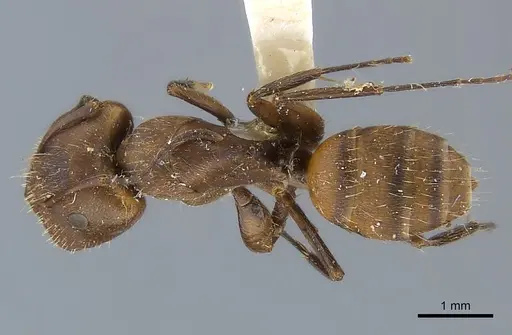
CASENT0882031
View on AntWeb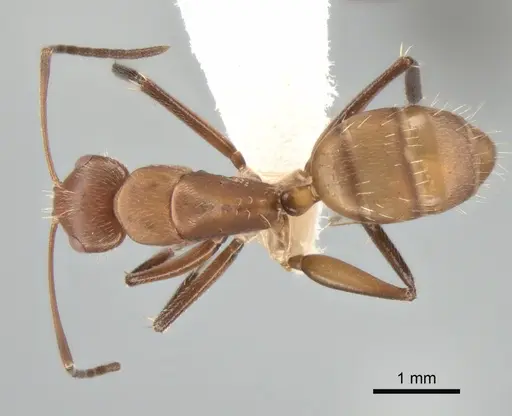
CASENT0882032
View on AntWeb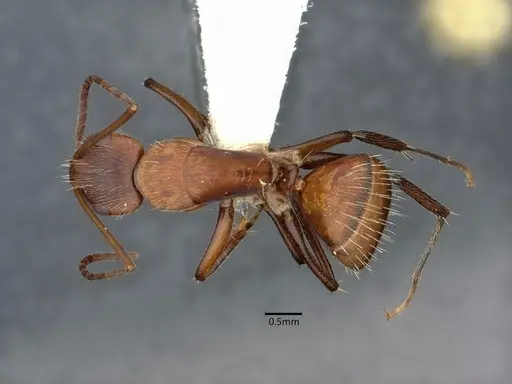
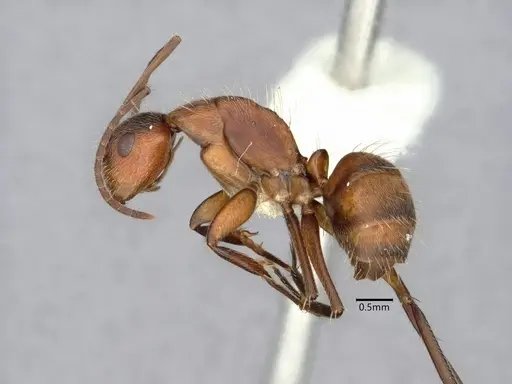
CASENT4032228
View on AntWeb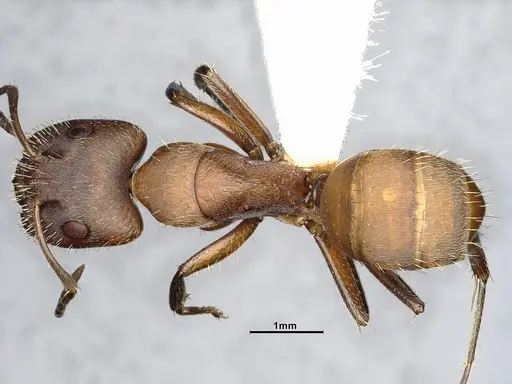
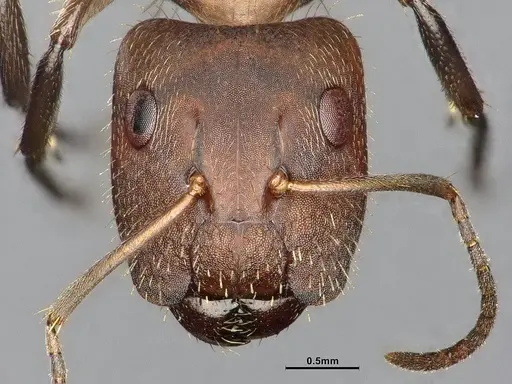
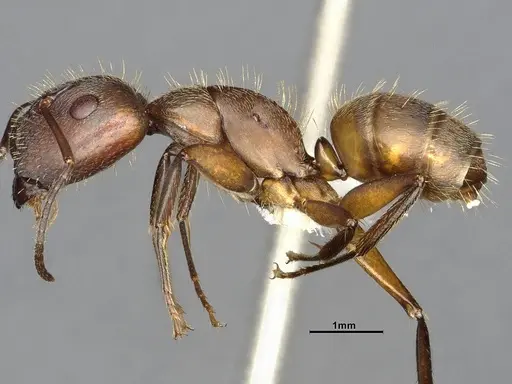
FOCOL0421
View on AntWeb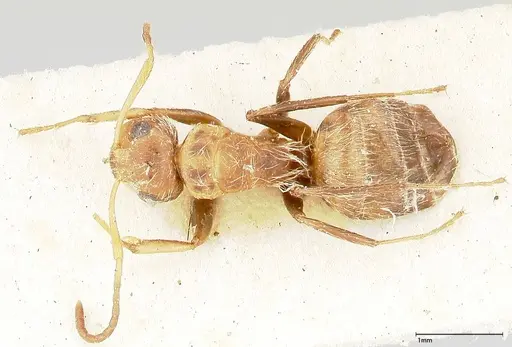
FOCOL0422
View on AntWeb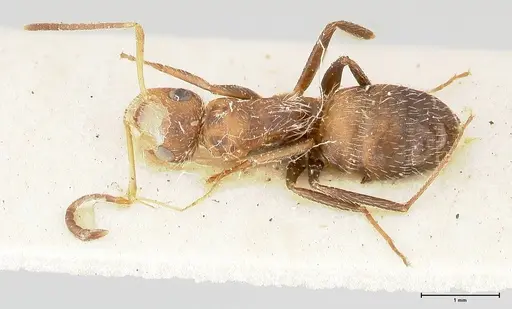
UTEPENTO26088
View on AntWeb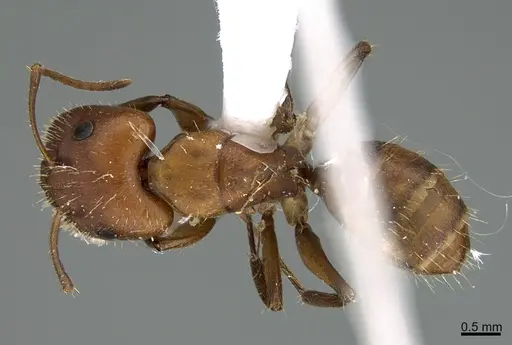
Literature
Loading distribution map...Loading products...