
Camponotus crassisquamis
- Sci. Name
- Camponotus crassisquamis
- Subgenus
- Tanaemyrmex
- Tribe
- Camponotini
- Subfamily
- Formicinae
- Author
- Forel, 1902
- Distribution
- Found in 2 countries
Introduction
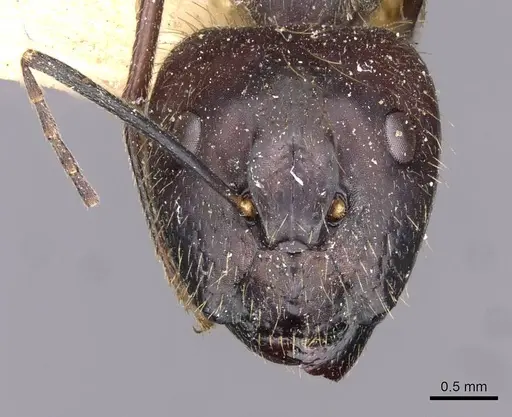
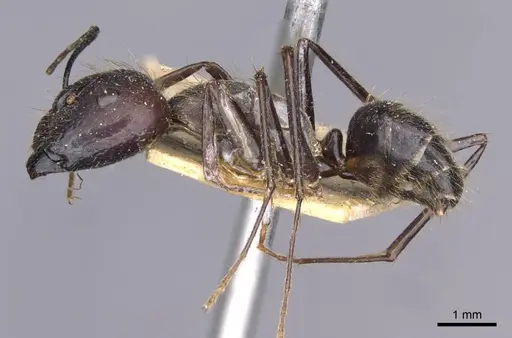
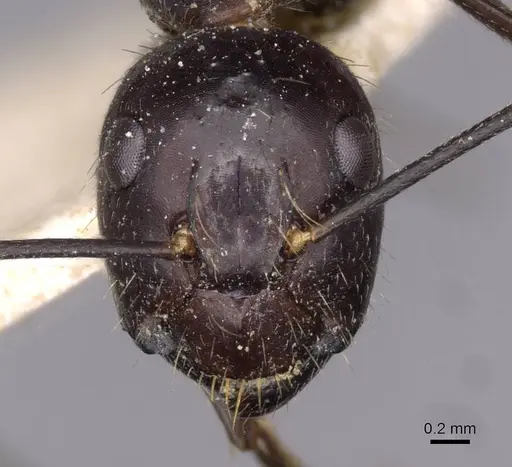
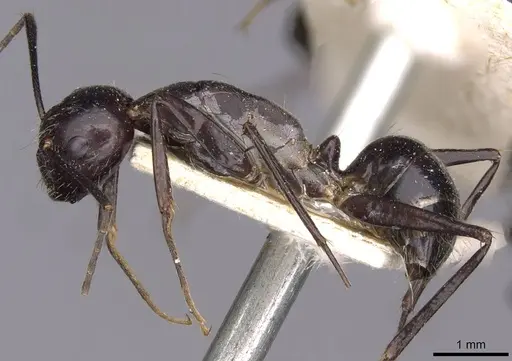
Camponotus crassisquamis is a medium-sized ant species native to the Indomalaya region, found in parts of India, Bangladesh, and Myanmar. Workers are polymorphic with major and minor castes. This species belongs to the Formicinae subfamily and the Camponotini tribe. The species was first described by Forel in 1902 from Assam, India. These ants are characterized by their robust build and typical Camponotus morphology. They inhabit tropical and subtropical regions in their native range, where they nest in soil or rotting wood in forest environments.
Quick Summary
- Difficulty: Medium
- Origin & Habitat: Native to the Indomalaya region, specifically found in India (Arunachal Pradesh, Assam, Bihar, Jharkhand, Punjab), Bangladesh, and Myanmar. They inhabit tropical and subtropical forest environments, typically nesting in soil or rotting wood [1][2].
- Colony Type: Likely monogyne based on typical Camponotus patterns. Colony size data unavailable for this species.
- Size & Growth:
- Queen: Size data unavailable, inferred from Camponotus genus patterns to be approximately 12-15mm
- Worker: Size data unavailable, inferred from Camponotus genus patterns to be approximately 5-10mm
- Colony: Colony size data unavailable for this species
- Growth: Moderate, typical Camponotus development timeline
- Development: Development timeline data unavailable for this species, typical Camponotus patterns suggest 6-8 weeks at optimal temperature (Development time is temperature-dependent. First workers (nanitics) are typically smaller than normal workers.)
- Antkeeping:
- Temperature: Keep at 24-28°C. Provide a temperature gradient allowing workers to self-regulate. Based on their tropical/subtropical origin, they prefer warm conditions [2].
- Humidity: Maintain moderate to high humidity (60-80%). Keep nest substrate moist but not waterlogged. Provide a water source.
- Diapause: Based on their seasonal activity pattern in India, they were recorded active October through December but absent January-March [2]. A cool period around 15-18°C for 2-3 months is recommended.
- Nesting: In captivity, they do well in Y-tong (AAC), plaster, or soil nests. Provide chambers scaled to their medium size. They prefer dark, secure nesting areas.
- Behavior: Generally calm temperament typical of Camponotus. Workers are not aggressive but will defend the nest if threatened. They are primarily nocturnal foragers in the wild. Escape risk is moderate, use standard barrier methods (Fluon) on the outworld. They communicate via chemical signals and use tandem running to recruit nestmates to food sources.
- Common Issues: colonies may struggle if temperature drops below 20°C for extended periods, overfeeding can lead to mold problems in the nest, wild-caught colonies may carry parasites that affect captive survival, queen mortality during founding is common, ensure founding setup is secure and dark, moderate escape risk, standard barriers are usually sufficient
Nest Preferences
In the wild, Camponotus crassisquamis nests in soil or rotting wood in forested areas. For captive care, Y-tong (AAC) nests work well because they provide the dark, secure environment these ants prefer. Plaster nests with built-in water chambers also maintain appropriate humidity. Soil nests are another good option, especially for species that prefer natural substrates. The nest should have chambers sized appropriately for a medium-sized Camponotus species, not too cramped, but not excessively large either. Keep the nest in a quiet, low-traffic area away from direct sunlight and vibrations. [1]
Feeding and Diet
Like other Camponotus species, C. crassisquamis is omnivorous. They readily accept sugar sources (honey water, sugar water) as an energy source. For protein, offer insects such as mealworms, crickets, and other small arthropods. In the wild, they also consume honeydew from aphids and scale insects. Feed protein sources 2-3 times per week, and keep a sugar water feeder available at all times. Remove uneaten prey after 24-48 hours to prevent mold. Fresh fruit can occasionally be offered as well.
Temperature and Care
Maintain the nest area at 24-28°C for optimal brood development. A heating cable or heating mat on one side of the nest creates a temperature gradient, allowing workers to move to their preferred temperature zone. Avoid temperatures above 32°C as this can stress the colony. Room temperature within this range is acceptable. The seasonal activity data from West Bengal shows they are active October through December but largely absent January-March, suggesting they benefit from a cooler winter period. During winter, you can reduce temperature to around 15-18°C for 2-3 months to simulate natural conditions. [2]
Behavior and Temperament
Camponotus crassisquamis has a calm temperament typical of the genus. Workers are not particularly aggressive and are unlikely to sting humans. They are primarily nocturnal foragers in their natural habitat. In captivity, they will emerge from the nest during feeding times to collect food. They use chemical communication and will recruit nestmates to food sources through tandem running. Workers vary in size (polymorphic), with major workers capable of carrying larger prey items. Standard escape prevention using Fluon on the outworld rim is usually sufficient for this medium-sized species.
Colony Founding
The founding process follows typical Camponotus patterns. After mating, the queen lands, sheds her wings, and seals herself in a small chamber underground. She survives entirely on her stored fat reserves (claustral founding) while laying eggs and raising the first brood. The first workers, called nanitics, are smaller than normal workers but will begin foraging to feed the colony. This is the most vulnerable period, the founding chamber should be kept dark, undisturbed, and at stable temperature. Expect 6-8 weeks from egg to first worker under optimal conditions.
Frequently Asked Questions
How long does it take for Camponotus crassisquamis to produce first workers?
Development timeline data is unavailable for this specific species. Based on typical Camponotus patterns, expect first workers (nanitics) to emerge in 6-8 weeks after the queen lays eggs, assuming optimal temperature around 24-28°C.
What do Camponotus crassisquamis ants eat?
They are omnivorous. Offer sugar water or honey constantly for energy, and protein (insects like mealworms, crickets) 2-3 times per week. They will also accept fruit occasionally.
What temperature do Camponotus crassisquamis need?
Keep them at 24-28°C. A temperature gradient is ideal so workers can regulate their own temperature. Avoid temperatures below 20°C or above 32°C.
Do Camponotus crassisquamis need hibernation?
Based on their seasonal activity pattern in India (active October-December, absent January-March), they benefit from a cool period. Reduce temperature to 15-18°C for 2-3 months during winter.
Can I keep multiple Camponotus crassisquamis queens together?
This species is likely monogyne (single queen). Combining unrelated queens is not recommended as they likely will fight.
How big do Camponotus crassisquamis colonies get?
Colony size data is unavailable for this species. Based on related Camponotus species, colonies likely reach several hundred workers over several years.
Is Camponotus crassisquamis good for beginners?
They are rated Medium difficulty. They are more forgiving than some species but require attention to temperature and humidity. Their moderate growth rate requires patience.
What size nest do I need for Camponotus crassisquamis?
A Y-tong (AAC), plaster, or soil nest with medium-sized chambers works well. They prefer dark, secure nesting areas. Start with a small nest and expand as the colony grows.
Why is my Camponotus crassisquamis colony declining?
Common causes include: temperature too low or too high, low humidity, mold from overfeeding, or parasites from wild-caught colonies. Check environmental conditions first.
Report an Issue
The current care sheet is based fully on literature. See inconsistencies, or something that's incorrect? Please , it will be resolved after review from an admin. Contributing to the blogs tab also helps providing information, to make us be able to further improve the caresheets. Thank you for your support!
References

This caresheet is licensed under CC BY-SA 4.0 .
Community Blogs
CASENT0910139
View on AntWeb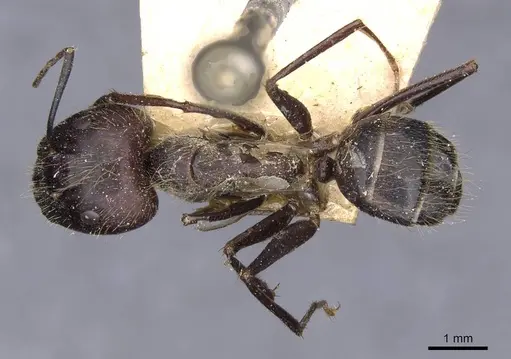
CASENT0910140
View on AntWeb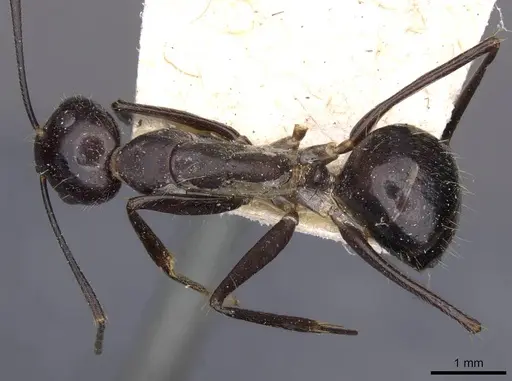
Literature
Loading distribution map...Loading products...