
Camponotus cilicicus
- Sci. Name
- Camponotus cilicicus
- Tribe
- Camponotini
- Subfamily
- Formicinae
- Author
- Emery, 1908
- Distribution
- Found in 1 countries
Introduction
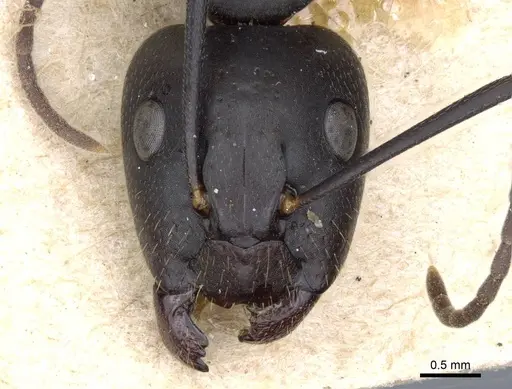
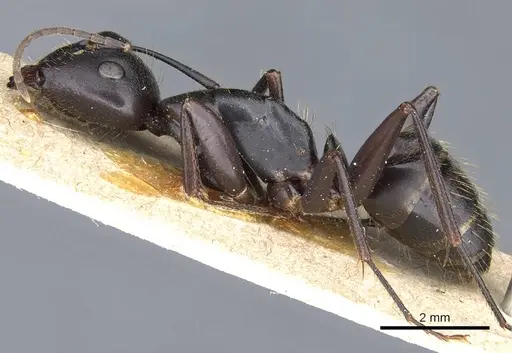
Camponotus cilicicus is a carpenter ant species found across the eastern Mediterranean region, including Turkey, Iraq, and northern Israel . Workers have the typical Camponotus body shape with a rounded thorax and large abdomen. Coloration ranges from dark brown to black with lighter tones on the thorax. In the wild, they nest in soil under stones or in rotting wood in warm Mediterranean climates . This species remains relatively understudied in scientific literature. Key aspects of their biology, including founding behavior and colony structure, are inferred from typical Camponotus patterns rather than species-specific research. They are moderate-sized ants suitable for keepers with some ant-keeping experience.
Quick Summary
- Difficulty: Medium
- Origin & Habitat: Eastern Mediterranean region, found in Turkey (particularly Adana region), Iraq, and northern Israel (Upper Galilee, Jordan Valley, southern Golan). They inhabit warm Mediterranean climates, typically nesting in soil under stones or in rotting wood [1][2][3][4].
- Colony Type: Colony structure is unconfirmed for this species. Based on typical Camponotus patterns, they likely form single-queen colonies, but this has not been specifically documented.
- Size & Growth:
- Queen: size data unavailable, inferred from Camponotus genus patterns (~14-16mm)
- Worker: size data unavailable, inferred from Camponotus genus patterns (~6-12mm)
- Colony: likely reaches several thousand workers at maturity based on typical Camponotus colony development
- Growth: moderate to slow, Camponotus species typically take longer to develop than smaller ants
- Development: approximately 6-10 weeks from egg to first worker at optimal temperature. This is typical for Camponotus species, though exact timing varies with temperature. (First workers (nanitics) are typically smaller than normal workers and develop faster due to the queen's limited energy reserves. Colony growth accelerates significantly once the first major workers emerge.)
- Antkeeping:
- Temperature: Keep nest area at 24-28°C for optimal brood development. They can tolerate temperatures as low as 18°C and as high as 32°C, but growth slows outside this range. A heating cable on one side of the nest creates a useful temperature gradient.
- Humidity: Moderate humidity is suitable. These ants come from relatively dry Mediterranean regions, so avoid overly damp conditions. Provide a water tube for drinking but keep the nest substrate moderately dry.
- Diapause: Yes, they require a winter rest period. In temperate regions, provide 2-3 months of hibernation at 10-15°C during winter. This mimics their natural cycle and helps maintain colony health. Reduce feeding and keep them in a cool, dark location during this period.
- Nesting: Y-tong (AAC) or plaster nests work well. They prefer dark, secure nesting areas. Test tubes can be used for founding colonies but will need upgrading as the colony grows. Provide a connection to an outworld for foraging.
- Behavior: Camponotus cilicicus is generally calm and not aggressive toward keepers. Workers are moderately active and will explore their outworld for food. They are not known for being escape artists, but use standard escape prevention as a precaution. As Formicinae ants, they lack a functional sting but can bite and spray formic acid from their acidopore if provoked. They are omnivorous and will accept both protein foods and sugar sources.
- Common Issues: slow growth can frustrate beginners, colonies may seem stagnant during the first few months, but this is normal for Camponotus, hibernation failures are common, keeping them too warm or too wet during winter rest often kills colonies, overfeeding in founding stage, new keepers often overfeed claustral queens, which can lead to mold problems and colony failure, queen death during founding is possible, even established queens sometimes fail to produce workers, this is a known risk with claustral species, moving colonies too often stresses them, Camponotus prefer stability, avoid disturbing the nest frequently once established
Housing and Nest Setup
For founding colonies, a simple test tube setup works well. Fill a test tube one-third with water, plug with a cotton ball (creating a water reservoir), and place the queen in a small container attached to the tube. The queen will seal herself into a dark corner. Keep this setup in a warm, dark, and quiet location for 4-8 weeks until first workers emerge.
As the colony grows (50+ workers), upgrade to a proper nest. Y-tong (AAC) nests are excellent for Camponotus because they provide darkness, humidity control, and easy observation. Plaster nests also work well. The key is providing appropriately sized chambers, too large and the ants feel exposed, too small and they cannot move brood around. Connect the nest to an outworld (foraging area) using tubing. The outworld should be escape-proof with Fluon applied to the edges.
Avoid frequent moves once the colony is established. Camponotus cilicicus prefers stability and can become stressed by repeated disturbances. Plan your setup with future growth in mind.
Feeding and Diet
Camponotus cilicicus is omnivorous, like most carpenter ants. In captivity, they accept a wide variety of foods. Protein sources include small insects (fruit flies, small crickets, mealworms), with insects being the most important for brood development. Offer protein foods 2-3 times per week, removing any uneaten prey after 24 hours.
For sugar sources, they will accept honey water, sugar water, or commercial ant nectar. A constant sugar water supply in the outworld helps sustain worker activity and queen egg-laying. However, protein is more critical for brood production, so do not neglect the insect offerings.
During the claustral founding stage, the queen does not eat, she survives entirely on her stored fat reserves. Do not offer food to a founding queen, it will only create mold problems. Only begin regular feeding once the first workers (nanitics) emerge and start foraging.
Temperature and Seasonal Care
These ants come from warm Mediterranean regions, so they prefer temperatures in the 24-28°C range for optimal brood development. You can achieve this with a small heating cable placed on one side of the nest (never directly on the nest material), creating a temperature gradient so ants can choose their preferred warmth. Room temperature (around 20-22°C) is acceptable but will slow development.
Winter care requires a hibernation period. In their native habitat, temperatures drop significantly in winter, and colonies become dormant. In captivity, provide 2-3 months of hibernation at 10-15°C during late autumn/winter. This is essential for colony health, colonies that are kept warm year-round often decline over time. During hibernation, reduce feeding to once every 2-3 weeks or not at all, and keep them in a dark, cool location like an unheated garage or basement.
Defense Mechanism
Camponotus cilicicus belongs to the subfamily Formicinae and tribe Camponotini. Like all Formicinae ants, they lack a functional sting. Their defense mechanism involves biting the target and spraying a stream of concentrated formic acid from an acidopore into the wound. This is a standard defense trait for the subfamily and should be considered when handling these ants.
Behavior and Handling
Camponotus cilicicus is a calm species that rarely shows aggression toward keepers. Workers are moderately active and will establish clear foraging routes once they settle into their environment. They are primarily diurnal but will adjust their activity patterns to match your feeding schedule in captivity.
These ants are not dangerous. While they can bite and spray formic acid if severely provoked, this is uncommon and the effect is minor for healthy individuals. They are not considered a health hazard.
Escape prevention is straightforward, they are medium-sized ants, not tiny, so standard barriers work well. Apply Fluon or similar barrier gel to the edges of any container to prevent escapes. They are not particularly good climbers on smooth surfaces, so standard ant keeping precautions are sufficient.
Frequently Asked Questions
How long does it take for Camponotus cilicicus to produce first workers?
Expect 6-10 weeks from egg to first worker at optimal temperature (24-28°C). This is typical for Camponotus species, they grow slower than smaller ants like Tetramorium or Messor. The first workers (nanitics) will be smaller than normal workers but should start foraging shortly after emerging.
Can I keep multiple Camponotus cilicicus queens together?
This is not recommended. The colony structure for this species has not been specifically documented, but most Camponotus species are single-queen (monogyne). Multiple queens will likely fight, and only one will survive. If you find multiple queens, house them separately in individual test tubes until they establish their colonies.
What do I feed Camponotus cilicicus?
Offer a varied diet: protein (small insects like fruit flies, pinhead crickets, or mealworms) 2-3 times per week, and a constant sugar source (honey water or sugar water). Remove uneaten insects after 24 hours. Do not feed during the founding stage, only begin feeding once workers emerge.
Do Camponotus cilicicus need hibernation?
Yes, they require a winter rest period of 2-3 months at 10-15°C. This mimics their natural Mediterranean cycle where winters are cooler and colonies become dormant. Skipping hibernation can lead to colony decline over time. Provide hibernation in late autumn through early spring.
Is Camponotus cilicicus good for beginners?
They are moderate difficulty, better suited for keepers who have successfully raised at least one colony to the 20+ worker stage. Their slower growth and specific temperature needs require more patience than beginner-friendly species like Lasius niger. However, they are not difficult once you understand basic ant keeping principles.
When should I move my colony to a formicarium?
Move to a proper nest (Y-tong or plaster) once the colony reaches 30-50 workers. Test tubes become cramped at this point and can stress the colony. Make the transition gradually by connecting the test tube to the new nest and allowing workers to explore before moving the queen.
How big do Camponotus cilicicus colonies get?
Mature colonies can reach several thousand workers over several years. Camponotus are long-lived ants, a healthy colony can persist for 10+ years with proper care. Growth is slow initially but accelerates once the colony reaches 100+ workers.
Why is my colony growing so slowly?
Slow growth is normal for Camponotus. Factors that can slow it further include: temperatures below 24°C, insufficient protein in the diet, overfeeding (causing mold), or disturbing the nest too frequently. Ensure optimal conditions and be patient, the first year is the slowest.
Report an Issue
The current care sheet is based fully on literature. See inconsistencies, or something that's incorrect? Please , it will be resolved after review from an admin. Contributing to the blogs tab also helps providing information, to make us be able to further improve the caresheets. Thank you for your support!
References

This caresheet is licensed under CC BY-SA 4.0 .
Community Blogs
CASENT0905193
View on AntWeb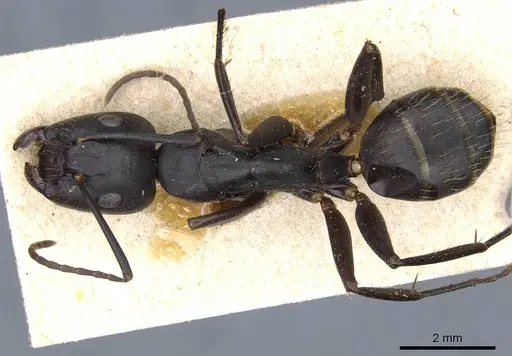
Literature
Loading distribution map...Loading products...