
Camponotus championi
- Sci. Name
- Camponotus championi
- Subgenus
- Myrmeurynota
- Tribe
- Camponotini
- Subfamily
- Formicinae
- Author
- Forel, 1899
- Distribution
- Found in 4 countries
Introduction
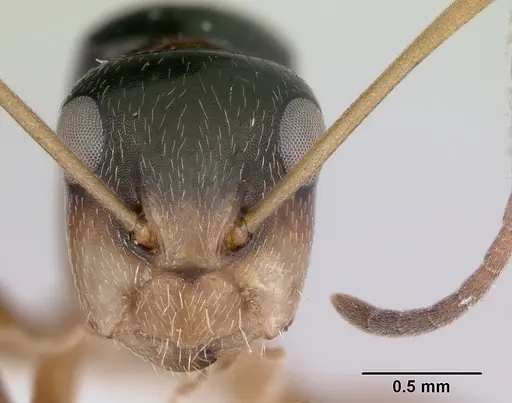
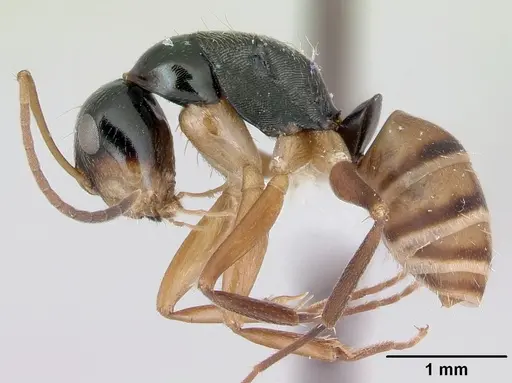
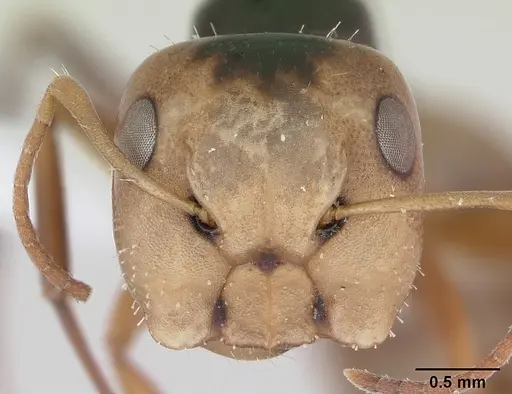
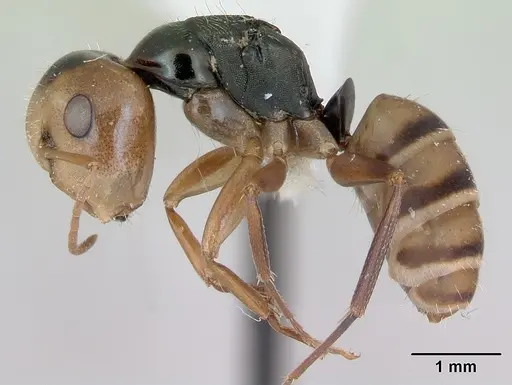
Camponotus championi is a medium-sized Neotropical ant belonging to the subgenus Myrmobrachys. Workers display complete dimorphism with major workers around 6mm and minor workers measuring 5.5-5.8mm. The species has a reddish-yellow to brownish coloration with darker markings on the head and mesosoma. Originally described by Forel in 1899 from specimens collected in Mexico and Panama, this ant is now known to also inhabit Costa Rica. The species was recently reclassified from the dimorphus-group to the senex-group based on morphological analysis. These ants are arboreal by nature, nesting in tropical forest environments across their range .
Quick Summary
- Difficulty: Medium
- Origin & Habitat: Native to the Neotropical region, specifically found in Mexico (Veracruz, Tabasco, Hidalgo), Panama, and Costa Rica. Inhabits tropical lowland rainforests at elevations from sea level to around 1200 meters. The species is arboreal, nesting in forest canopies rather than ground nests [1][2][3].
- Colony Type: Likely single-queen (monogyne) colonies based on typical Camponotus patterns. Colonies show worker dimorphism with distinct major and minor castes.
- Size & Growth:
- Queen: Size data unavailable, no documented queen measurements found in research
- Worker: Major workers: 6mm, Minor workers: 5.5-5.8mm [1]
- Colony: Exact colony size unconfirmed, related Neotropical Camponotus species typically reach several hundred workers
- Growth: Moderate, typical for Neotropical Camponotus species
- Development: Development time unconfirmed for this species, expect 6-10 weeks based on typical Camponotus patterns (Neotropical species generally develop faster than temperate relatives. Development depends heavily on temperature.)
- Antkeeping:
- Temperature: Keep nest area at 24-28°C. As a Neotropical species from Costa Rica and Panama, they prefer warm, stable conditions. A heating cable on one side of the nest creates a gentle gradient allowing workers to self-regulate [3].
- Humidity: Maintain 60-80% humidity. Their natural habitat in tropical rainforests of Mexico and Costa Rica is consistently humid. Keep the nest substrate moist but not waterlogged.
- Diapause: No true diapause required. As a Neotropical species from consistently warm climates, they do not need hibernation. Keep temperatures stable year-round.
- Nesting: Arboreal preferences suggest they do well in Y-tong or plaster nests with narrow chambers. Provide a water tube for humidity. They appreciate some vertical space reflecting their tree-nesting habits.
- Behavior: Generally calm and non-aggressive for a Camponotus species. Workers are moderate foragers, typical of the genus. They are not known to be particularly defensive. Escape risk is moderate, medium-sized ants need standard barriers but are not escape artists like tiny species. They accept sugar water and protein prey readily. As with all Formicinae, they lack a functional sting and instead bite and spray formic acid from their acidopore.
- Common Issues: tropical species requires stable warm conditions below 20°C can kill colonies, arboreal nature means they need vertical space and may not thrive in horizontal-only setups, humidity must be maintained, dry conditions cause brood failure, wild-caught colonies may harbor parasites that can devastate captive colonies, slow founding means colonies take time to establish
Housing and Nest Setup
Camponotus championi does well in Y-tong or plaster nests. As an arboreal species, they appreciate some vertical space in their setup. Provide a test tube water reservoir connected to the nest for humidity control. The chambers should be appropriately sized, not too large for small colonies, but spacious enough for growth. A small outworld for foraging allows workers to hunt and collect food. Use standard escape prevention measures, while not tiny, they can still squeeze through small gaps. [1][3]
Feeding and Diet
Like most Camponotus species, C. championi is omnivorous. Offer sugar water or honey as a constant energy source. For protein, provide small insects like fruit flies, pinhead crickets, or mealworms. In nature, they likely forage for honeydew from aphids and scale insects, plus small arthropods. Feed protein 2-3 times per week and keep sugar water available at all times. Remove uneaten prey after 24 hours to prevent mold.
Temperature and Seasonal Care
Maintain nest temperatures between 24-28°C. This species comes from warm Neotropical forests in Costa Rica, Panama, and Mexico where temperatures remain consistently high year-round. Avoid temperatures below 20°C as this can slow or stop brood development. A heating cable placed on one side of the nest creates a thermal gradient. Unlike temperate species, they do not require a winter diapause, keep conditions stable throughout the year. Sudden temperature drops should be avoided. [1][3]
Colony Development and Growth
Colonies start with a claustral queen who seals herself in and raises the first brood alone. The first workers (nanitics) will be smaller than normal workers. Growth is moderate. Colonies are dimorphic with distinct major and minor worker castes. Major workers develop as the colony grows and are used for defense and processing large food items. Full colony maturity may take 1-2 years depending on feeding and conditions. [1]
Behavior and Temperament
This is a relatively calm Camponotus species. Workers are active foragers but not particularly aggressive. They are primarily arboreal in the wild, nesting in tree cavities and canopy spaces. In captivity, they adapt well to formicarium setups. They are not considered dangerous to humans. Escape prevention should still be taken seriously as medium-sized ants can find their way out through small gaps. As a Formicine ant, they lack a functional sting and instead use their bite combined with spraying formic acid from their acidopore as defense. [1][3]
Frequently Asked Questions
How long does it take for Camponotus championi to produce first workers?
Expect first workers (nanitics) in about 6-10 weeks after the queen lays her first eggs, assuming optimal temperatures around 24-28°C. This is typical for Camponotus species but exact timing is unconfirmed for this species.
What temperature do Camponotus championi ants need?
Keep them at 24-28°C. As a Neotropical species from Costa Rica and Panama, they need warm, stable conditions year-round.
Is Camponotus championi a good species for beginners?
This is a medium-difficulty species. They are more forgiving than some tropical species but require warm, humid conditions that may need active management. If you can maintain stable temperatures in the mid-20s°C, they are manageable for intermediate antkeepers.
What do Camponotus championi eat?
They accept sugar water or honey as a primary energy source, plus small insects like fruit flies, pinhead crickets, or mealworms for protein. Feed protein 2-3 times per week with sugar available constantly.
How big do Camponotus championi colonies get?
Exact colony size is not well documented. Based on related species, they likely reach several hundred workers over 1-2 years under good conditions.
Do Camponotus championi need hibernation?
No. As a Neotropical species from consistently warm climates, they do not require hibernation. Keep temperatures stable year-round.
What size nest do I need for Camponotus championi?
A Y-tong or plaster nest with medium-sized chambers works well. Start with a smaller setup and upgrade as the colony grows. They appreciate some vertical space reflecting their arboreal nature.
Can I keep multiple Camponotus championi queens together?
Not recommended. While colony structure is not fully confirmed, Camponotus are typically single-queen species. Combining unrelated queens has not been documented for this species and likely results in fighting.
Where is Camponotus championi found in the wild?
They inhabit tropical forests in Mexico (Veracruz, Tabasco, Hidalgo), Panama, and Costa Rica. They are arboreal, nesting in elevated locations rather than on the ground.
Report an Issue
The current care sheet is based fully on literature. See inconsistencies, or something that's incorrect? Please , it will be resolved after review from an admin. Contributing to the blogs tab also helps providing information, to make us be able to further improve the caresheets. Thank you for your support!
References

This caresheet is licensed under CC BY-SA 4.0 .
Community Blogs
CASENT0173556
View on AntWeb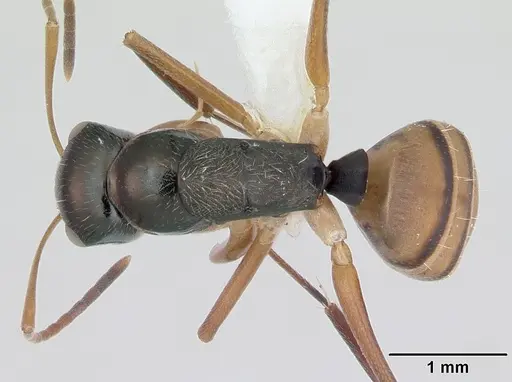
CASENT0843457
View on AntWeb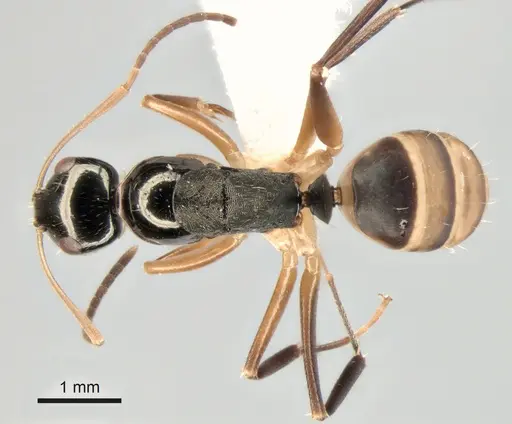
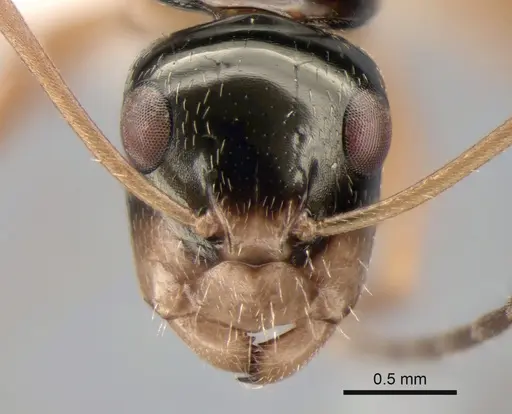
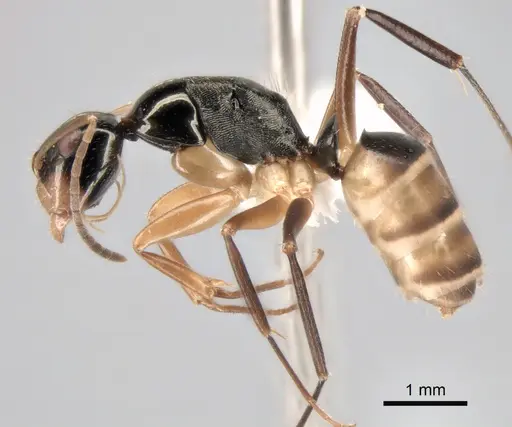
CASENT0903640
View on AntWeb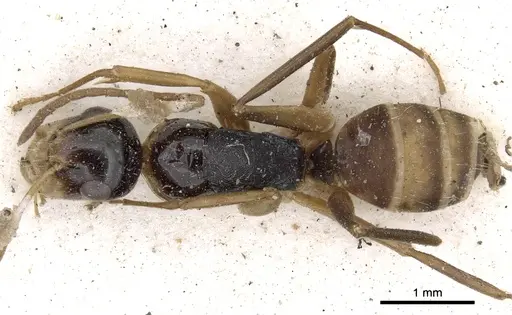
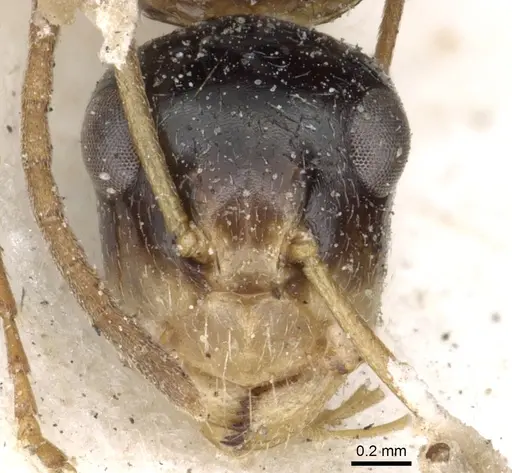
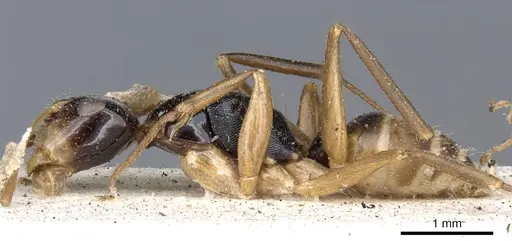
CASENT0903641
View on AntWeb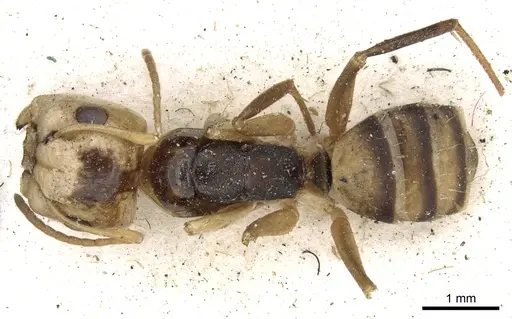
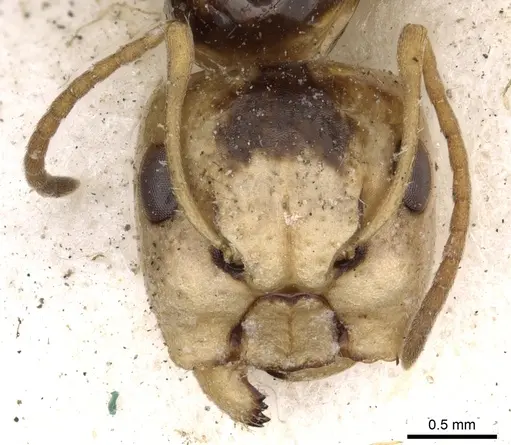
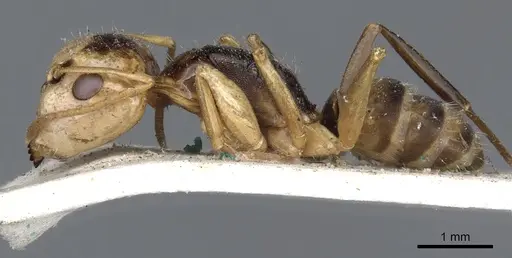
CASENT0910726
View on AntWeb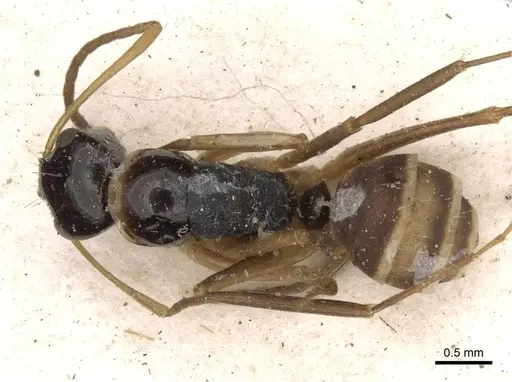
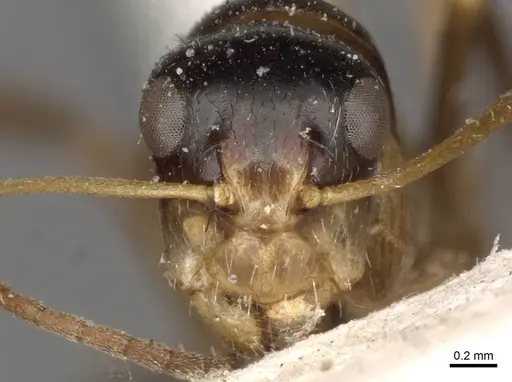
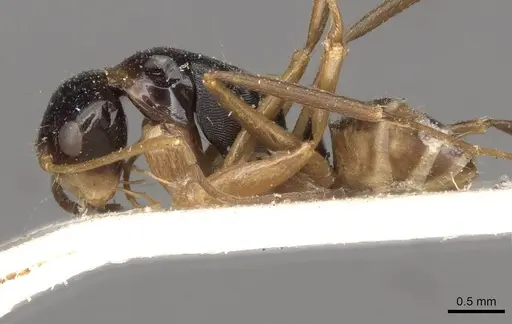
INB0003207616
View on AntWeb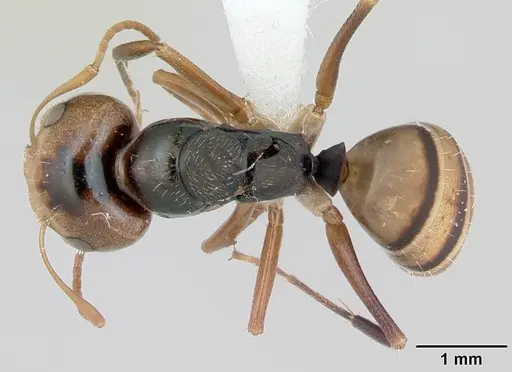
Literature
Loading distribution map...Loading products...