
Camponotus biolleyi
- Sci. Name
- Camponotus biolleyi
- Subgenus
- Myrmobrachys
- Tribe
- Camponotini
- Subfamily
- Formicinae
- Author
- Forel, 1902
- Distribution
- Found in 1 countries
Introduction
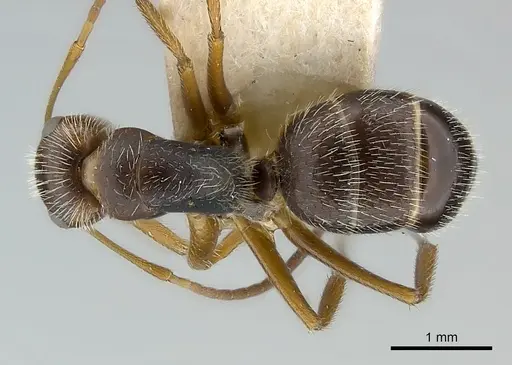
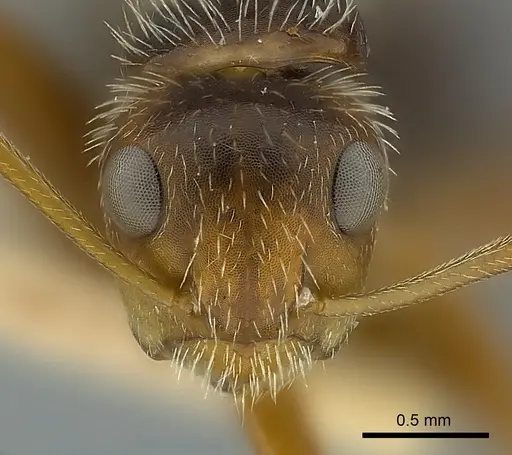
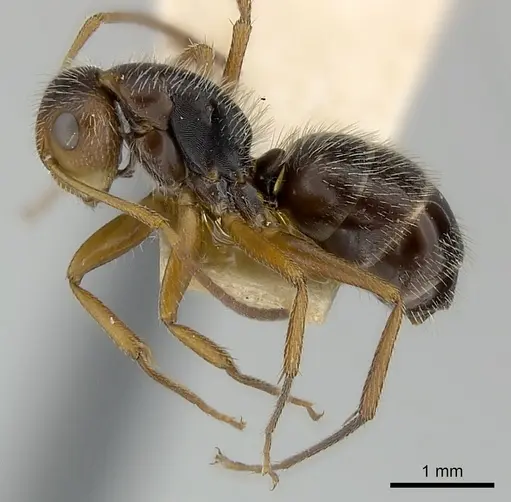
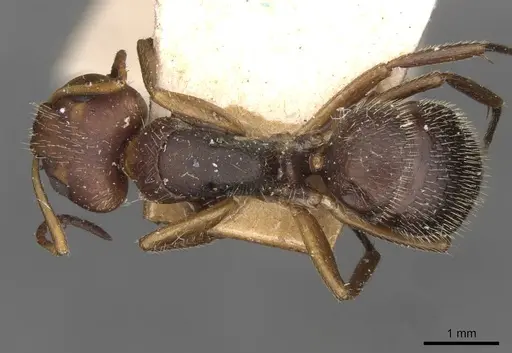
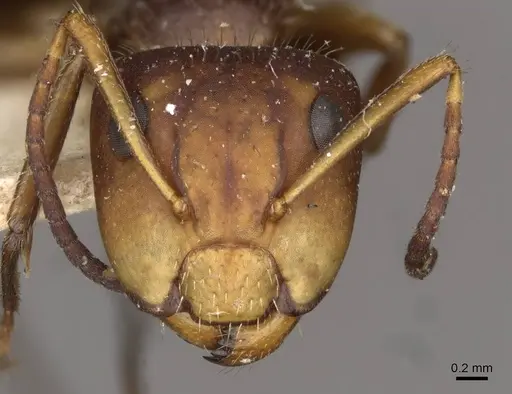
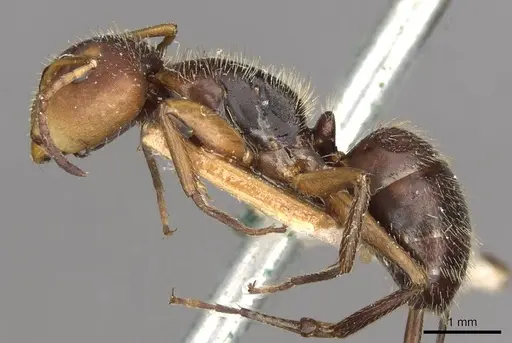
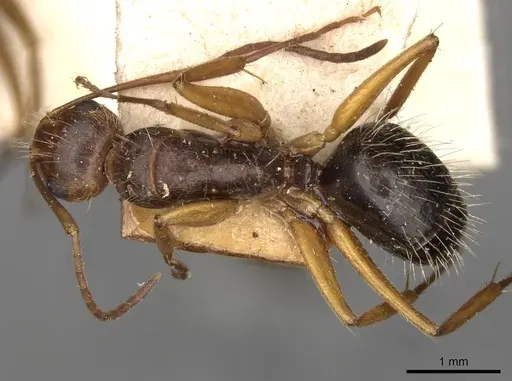
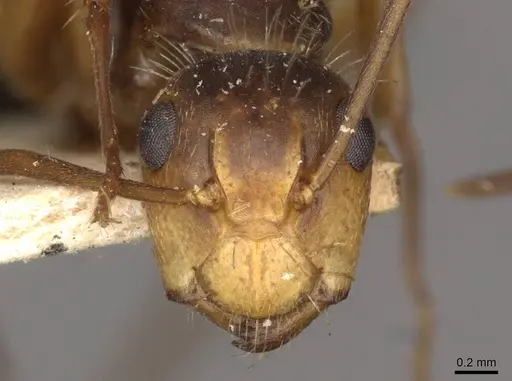
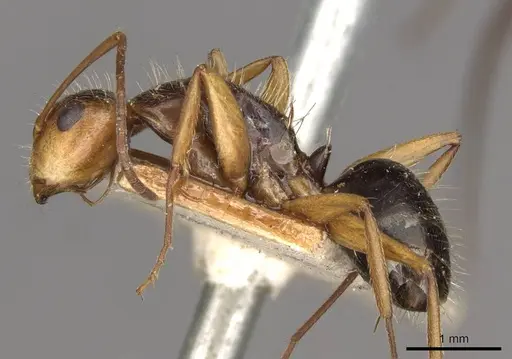
Camponotus biolleyi is a Neotropical carpenter ant species native to Cocos Island, Costa Rica. Workers are polymorphic, with major workers having larger, more developed heads than minor workers. This species belongs to the Myrmobrachys subgenus, which contains smaller, more slender carpenter ants. The species was originally described by Forel in 1902 based on specimens collected from Cocos Island, which remains the species' entire known range. [AntWiki] This ant remains poorly studied in scientific literature. Limited information exists about its specific biology, behavior, or colony structure. Care recommendations are based on typical Camponotus genus patterns rather than species-specific research.
Quick Summary
- Difficulty: Medium
- Origin & Habitat: Cocos Island, Costa Rica, a remote Pacific island in the Neotropical region. This volcanic island has a humid tropical climate. The species is only known from this single location. [1][2]
- Colony Type: Unconfirmed, no species-specific data exists. Most Camponotus species form single-queen colonies, but this has not been documented for C. biolleyi.
- Size & Growth:
- Queen: Size data unavailable for this species, inferred from Camponotus genus patterns to be approximately 12-15mm
- Worker: Size data unavailable, minor workers likely 4-6mm, major workers 7-10mm based on Myrmobrachys subgenus morphology
- Colony: Unknown, no documented colony sizes exist for this species
- Growth: Moderate, typical for tropical Camponotus species
- Development: Unknown, no species-specific data available. Estimated 6-8 weeks at optimal temperature based on typical Camponotus development patterns. (Development time is inferred from genus patterns. Tropical species typically develop faster than temperate ones.)
- Antkeeping:
- Temperature: Keep at 24-28°C. A heating cable on one side of the nest creates a temperature gradient allowing ants to regulate their own conditions. This species comes from a tropical island environment and prefers consistent warmth.
- Humidity: Moderate to high humidity (60-80%). Keep the nest substrate slightly moist but not waterlogged. Cocos Island has a humid tropical climate, so they appreciate moisture but need ventilation to prevent mold.
- Diapause: No, this is a tropical species from Cocos Island which has no true winter. They remain active year-round but may slow slightly during cooler periods.
- Nesting: Y-tong (AAC) nests or plaster nests work well for this species. They prefer narrow chambers scaled to their size. Provide some damp substrate for brood chambers. Avoid acrylic nests.
- Behavior: Typical Camponotus temperament, generally calm and not aggressive toward keepers. Workers are moderately active and will forage for sugar and protein. This species lacks a functional sting, instead, workers bite and spray formic acid from their acidopore, typical of the Formicinae subfamily. They are moderate escape artists due to their smaller size. Ensure your formicarium has tight-fitting barriers and consider fluon on edges.
- Common Issues: limited species-specific information means care is based on genus patterns rather than direct observation, tropical species may be sensitive to temperature drops, avoid keeping them in cool rooms, colonies grow slowly initially, patience is required during the founding stage, escape prevention is important especially for minor workers who can squeeze through small gaps, Cocos Island is a protected area in Costa Rica, wild collection may be restricted
Housing and Nest Setup
Camponotus biolleyi does well in Y-tong (AAC) nests or plaster formicariums. These provide the dark, humid environment they prefer. Use chambers scaled to colony size, start with smaller chambers when the colony is young and expand as it grows. A test tube setup works well for the founding queen. Once the colony reaches 10-20 workers, you can move them to a proper formicarium. Add a water reservoir to maintain humidity, and consider adding a small outworld for foraging. Ensure all connections are secure, these ants can squeeze through surprisingly small gaps. [2]
Feeding and Diet
Like other Camponotus species, C. biolleyi is omnivorous. Offer sugar water, honey, or diluted maple syrup as a constant energy source. For protein, provide small insects like fruit flies, small crickets, or mealworms. They likely collect honeydew in nature, so sweet liquids are important for colony health. Feed protein 2-3 times per week, and keep sugar water available at all times. Remove uneaten prey after 24-48 hours to prevent mold. [2]
Temperature and Heating
Maintain temperatures between 24-28°C for optimal brood development. This tropical species from Cocos Island prefers consistent warmth. Use a heating cable or heat mat placed on one side of the nest to create a temperature gradient, this allows workers to move between warmer and cooler areas as needed. Avoid temperatures below 20°C for extended periods. Room temperature may be sufficient if your home stays in the low-to-mid 20s°C range, but monitoring is recommended. Cold stress can weaken colonies and slow or stop brood development. [2]
Colony Founding
The founding behavior of this species is unconfirmed. In typical Camponotus species, the queen seals herself into a claustral chamber and relies on stored fat reserves to survive and raise the first brood. Do not disturb her during this phase. The founding chamber should be dark and humid. After workers emerge, they will begin foraging for food to support the growing colony. Only offer food once workers have emerged, the queen does not leave the chamber during founding. [2]
Growth and Development
Colony growth is initially slow during the founding phase. Once the first workers emerge, growth accelerates but remains moderate compared to some faster-growing genera. The presence of major (soldier) workers indicates a maturing colony. Development time is estimated at 6-8 weeks at optimal temperature based on typical Camponotus patterns, as no species-specific data exists. [2]
Seasonal Care
As a tropical species from Cocos Island, C. biolleyi does not require hibernation or diapause. They remain active year-round, though activity may decrease slightly during cooler months. There is no special winter care required, simply maintain normal temperature and feeding schedules. The stable tropical climate of Cocos Island means this species is not adapted to temperature fluctuations, so consistency is more important than seasonal adjustments. Avoid placing the nest near windows or air conditioning vents that could cause temperature swings. [2]
Frequently Asked Questions
How long does it take for Camponotus biolleyi to produce first workers?
Estimated 6-8 weeks at optimal temperature (24-28°C), based on typical Camponotus development patterns. This is not documented for this specific species.
What do Camponotus biolleyi ants eat?
They are omnivorous. Offer sugar water, honey, or maple syrup constantly for energy. For protein, feed small insects like fruit flies, small crickets, or mealworms 2-3 times per week.
What temperature do Camponotus biolleyi need?
Keep them at 24-28°C. This tropical species prefers consistent warmth. A heating cable on one side of the nest creates a gradient. Avoid temperatures below 20°C.
Are Camponotus biolleyi good for beginners?
This species is moderate in difficulty. They are more forgiving than some tropical species but require warm, stable conditions. Beginners should have some antkeeping experience before attempting this species, as specific care information is limited.
How big do Camponotus biolleyi colonies get?
Colony size is not documented for this species. Based on typical Camponotus patterns, mature colonies may reach several hundred workers.
Do Camponotus biolleyi need hibernation?
No. This is a tropical species from Cocos Island, Costa Rica, which has no winter. They remain active year-round with normal care.
What type of nest is best for Camponotus biolleyi?
Y-tong (AAC) nests or plaster formicariums work well. They prefer dark, humid chambers. Start with a test tube for the founding queen, then move to a proper formicarium once the colony reaches 10-20 workers.
Can I keep multiple Camponotus biolleyi queens together?
This is not recommended and has not been documented for this species. Most Camponotus species are single-queen, and combining unrelated queens would likely result in aggression.
Why is my Camponotus biolleyi colony dying?
Common causes include: temperature below 20°C (tropical species are cold-sensitive), low humidity causing desiccation, mold from overwatering, or stress from disturbance during founding. Check that your setup maintains proper warmth and humidity levels.
Report an Issue
The current care sheet is based fully on literature. See inconsistencies, or something that's incorrect? Please , it will be resolved after review from an admin. Contributing to the blogs tab also helps providing information, to make us be able to further improve the caresheets. Thank you for your support!
References

This caresheet is licensed under CC BY-SA 4.0 .
Community Blogs
Literature
Loading distribution map...Loading products...