
Camponotus alamaina
- Sci. Name
- Camponotus alamaina
- Subgenus
- Mayria
- Tribe
- Camponotini
- Subfamily
- Formicinae
- Author
- Rakotonirina <i>et al.</i>, 2016
- Distribution
- Found in 1 countries
Introduction
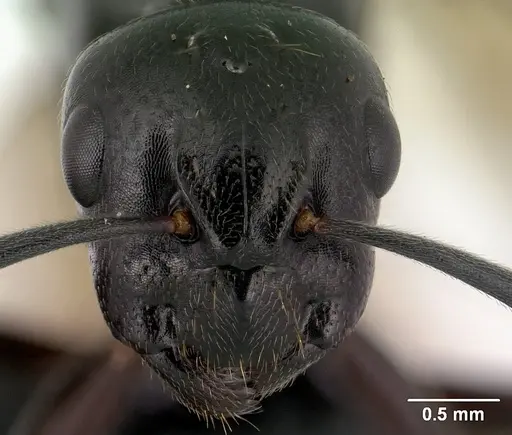
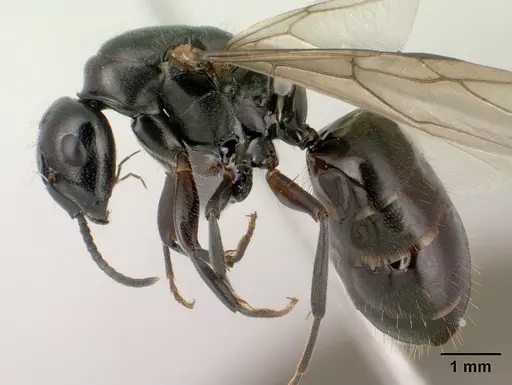
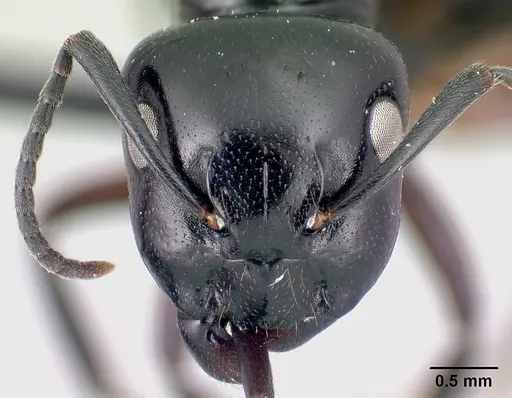
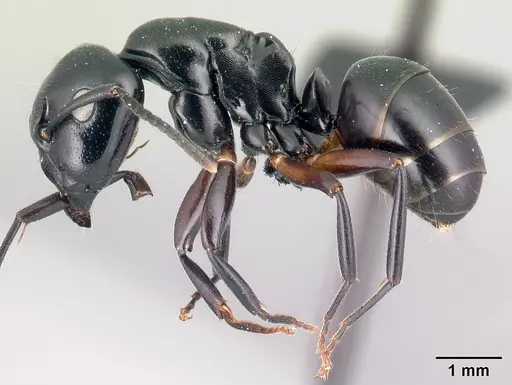
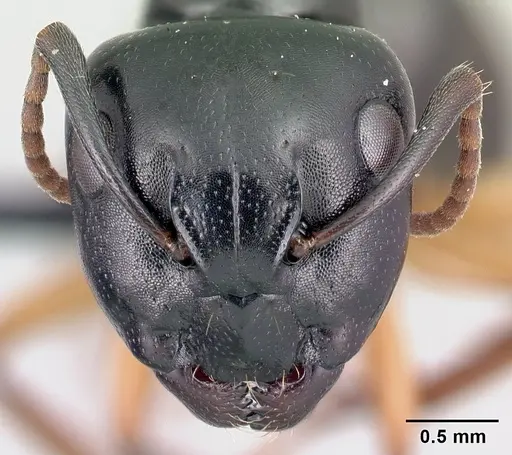
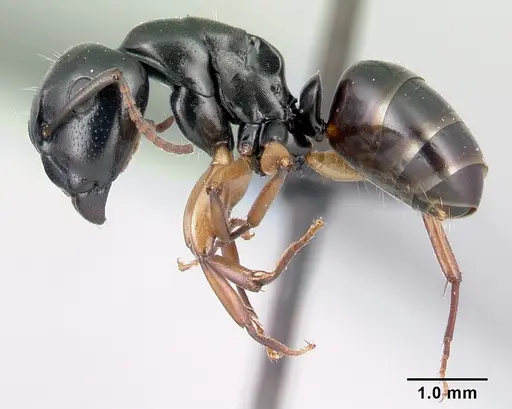
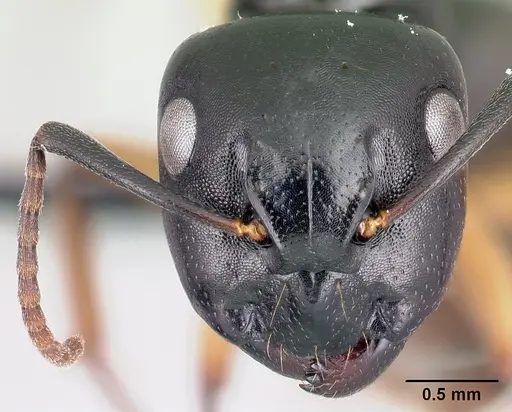
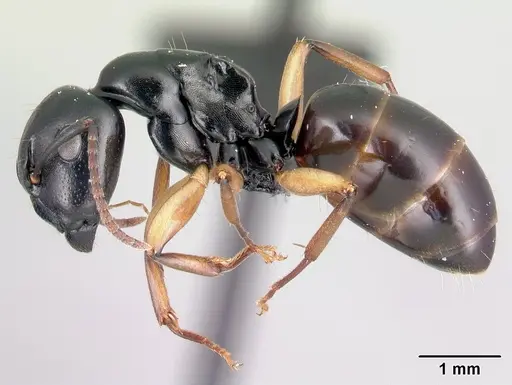
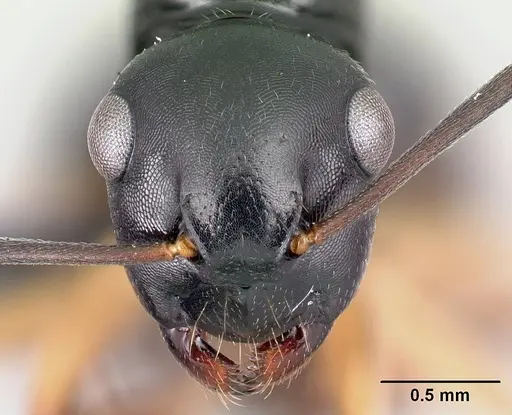
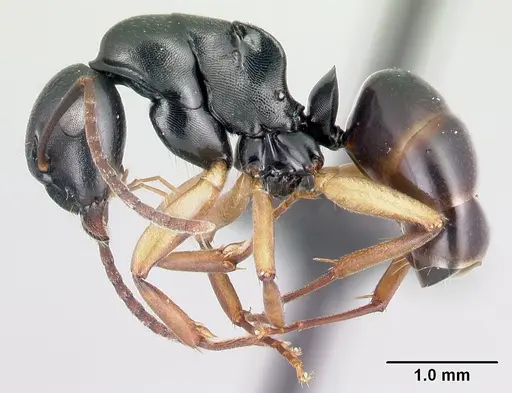
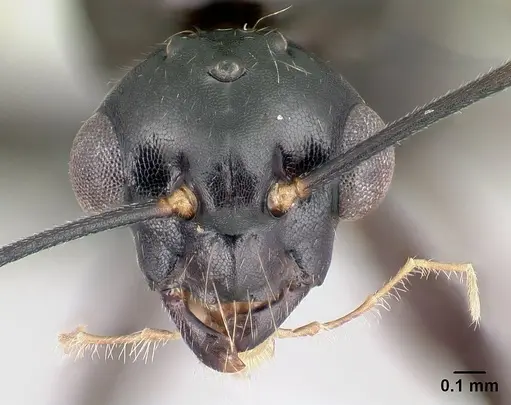
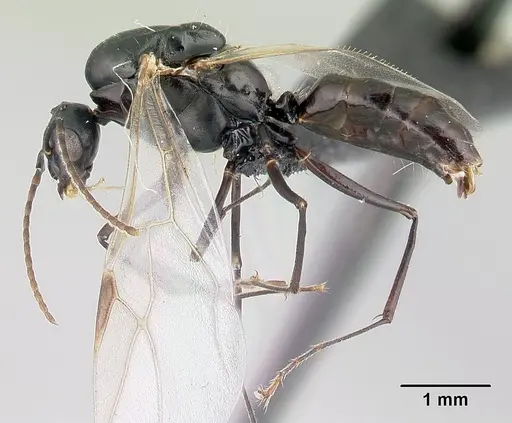
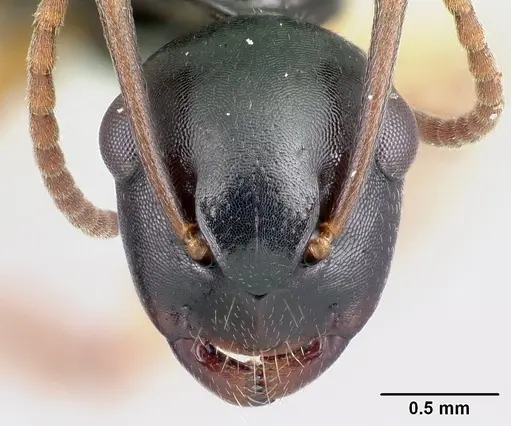
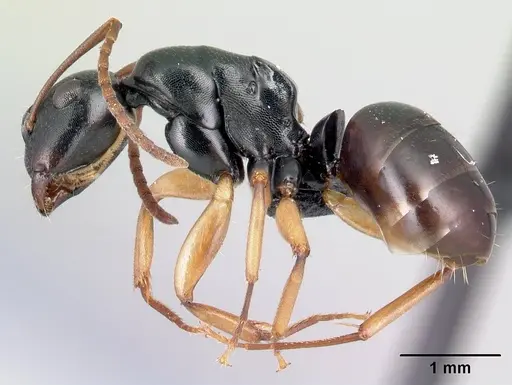
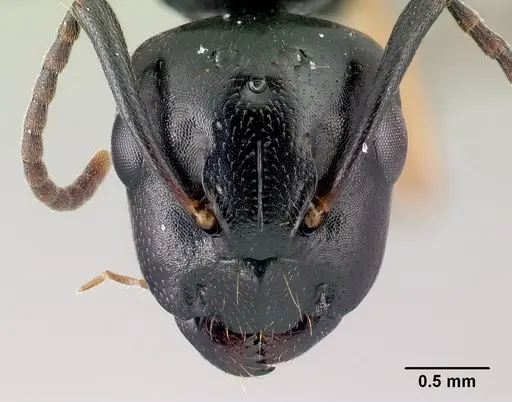
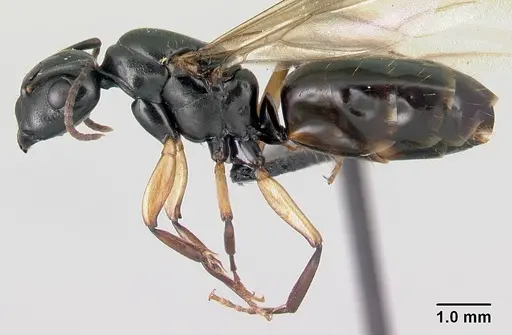
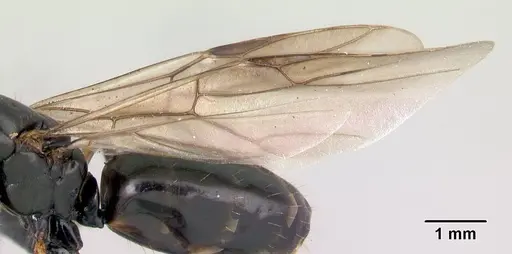
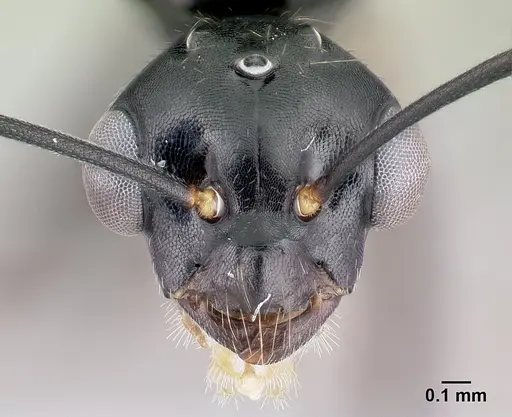
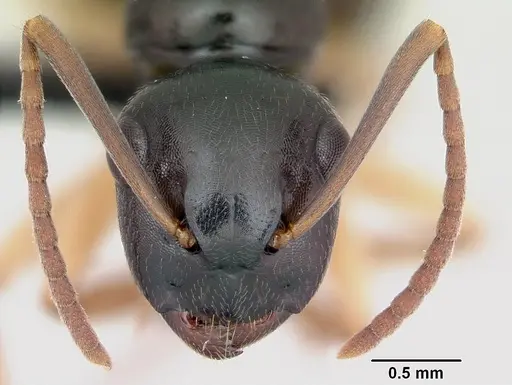
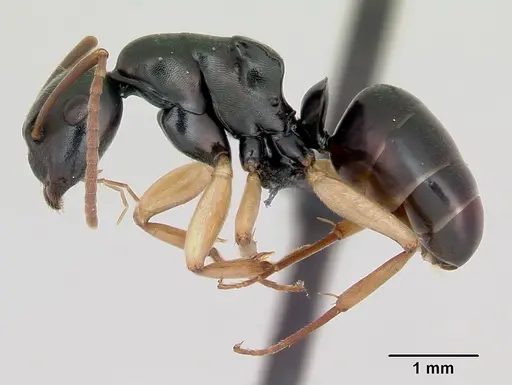
Camponotus alamaina is a medium-sized ant species native to Madagascar, belonging to the subgenus Mayria. Workers display notable morphological variation across their range, with three distinct color variants recognized - some have yellow legs while others have darker forelegs. The head and mesosoma range from black to dark brown, while the gaster and appendages can be dark brown to yellow or light yellow. Minor workers are slender with elongated heads, while major workers have broader, more subquadrate heads. This species is both arboreal and terrestrial, commonly found foraging on low vegetation and nesting in dead branches, twigs, or rot pockets above ground. They also nest in rotten logs and rotting tree stumps .
Quick Summary
- Difficulty: Medium
- Origin & Habitat: Camponotus alamaina is endemic to Madagascar, where it occupies diverse habitats across the island. The species is common in western Madagascar dry forests, the spiny forest and thickets of the south and southwest, the montane rainforest of the central plateau and southeast, and the littoral forest of the north [1]. This wide distribution across different forest types reflects the species' adaptability to various ecological conditions.
- Colony Type: Colony type unconfirmed, the context does not specify queen number. Based on typical Camponotus patterns, colonies likely have a single founding queen.
- Size & Growth:
- Queen: Size data unavailable, direct measurements not provided in research context. Inferred from Camponotus genus to be approximately 12-15mm
- Worker: Minor workers: approximately 4-7mm, Major workers: approximately 7-12mm, inferred from Camponotus genus patterns [1]
- Colony: Colony size data unavailable, no specific maximum worker count documented in research
- Growth: Moderate, based on typical Camponotus development patterns
- Development: Estimated 6-10 weeks at optimal temperature (24-28°C) based on genus-level Camponotus data (Development time inferred from genus patterns, direct species-specific measurements unavailable)
- Antkeeping:
- Temperature: Keep at 24-28°C. As a tropical Madagascar species, they need warm conditions year-round. A heating cable on one side of the nest creates a suitable gradient.
- Humidity: Moderate humidity (50-70%). Provide a water tube for drinking water. Since they naturally nest in rotting wood and dead branches above ground, allow the nest to dry out partially between rehydrations.
- Diapause: No true hibernation required. As a tropical species from Madagascar, they do not need a winter rest period. Maintain warm temperatures year-round.
- Nesting: Best kept in a Y-tong (AAC) nest or plaster formicaria with rotting wood pieces. They naturally nest in dead branches, twigs, and rot pockets above ground, so provide narrow chambers and passages. Avoid overly wet substrates as they prefer somewhat drier nesting conditions than many tropical ants.
- Behavior: This is a generally calm, non-aggressive species that is not particularly defensive. Workers are active foragers on low vegetation, searching for honeydew and small prey. They are moderate escape artists, use standard barrier methods but they are not as prone to escaping as tiny species. As a Formicine ant, they lack a functional sting but can bite and spray formic acid from their acidopore if provoked. Activity levels remain moderate year-round due to their tropical origin.
- Common Issues: tropical species requires consistent warmth, cold temperatures can slow or stop brood development, colonies may be slow to establish initially, patience is needed during the founding phase, wild-caught colonies may carry parasites or diseases that can cause colony failure in captivity, as an arboreal nester, they prefer drier nest conditions, overwatering can lead to mold problems, major workers are relatively large but not aggressive, handling is straightforward but use gentle techniques
Housing and Nest Setup
Camponotus alamaina does well in Y-tong (AAC) nests or plaster formicaria that simulate their natural arboreal nesting sites. They naturally nest in dead branches, twigs, and rot pockets above ground, so provide narrow chambers and passages rather than large open spaces. A naturalistic setup with rotting wood pieces works well and mimics their natural environment. Since they are both arboreal and terrestrial in the wild, they will use both the nest chamber and the outworld for foraging. Ensure the nest has a water tube available, while they get moisture from food, having access to drinking water is important. Keep the nest relatively dry compared to many tropical ants, they originate from dry forest habitats and prefer conditions that allow partial drying between rehydrations. [1]
Feeding and Diet
As a typical Camponotus species, C. alamaina is omnivorous and will accept a variety of foods. In captivity, offer sugar water or honey as an energy source, along with protein-rich foods like mealworms, crickets, or other small insects. They are foragers on low vegetation in the wild, where they likely collect honeydew from aphids and other homopterans, so sugar sources are important for their diet. Feed protein 2-3 times per week and keep sugar water available constantly. Remove uneaten prey after 24-48 hours to prevent mold. Fresh fruit can also be offered occasionally. [1]
Temperature and Seasonal Care
Maintain temperatures between 24-28°C for optimal brood development. As a tropical species endemic to Madagascar, they do not require hibernation or diapause. Room temperature within this range works well, if your space is cooler, use a heating cable on one side of the nest to create a warm gradient. Avoid temperatures below 20°C as this can slow development and potentially harm the colony. Unlike temperate ant species, they remain active year-round and do not have a winter rest period. Consistent warmth is key to maintaining healthy, growing colonies. [1]
Colony Development and Growth
Camponotus alamaina follows the typical Camponotus founding pattern. The queen seals herself in a chamber and survives on stored fat reserves while laying eggs and raising the first brood. This founding phase can take 6-10 weeks at optimal temperature before the first workers (nanitics) emerge. Nanitics are typically smaller than normal workers but will begin foraging to support further colony growth. Growth rate is moderate, colonies expand gradually as more workers emerge. Major workers develop later and serve as specialized foragers or defenders. [1]
Behavior and Temperament
This is a relatively calm, non-aggressive species that is suitable for antkeepers who want a visually interesting species without high maintenance demands. Workers are active foragers that search for food both on the ground and on low vegetation. They are not particularly defensive and rarely attack unless the nest is directly threatened. As a Formicine ant, they lack a functional sting but can deliver a mild bite and spray formic acid from their acidopore if threatened. They are moderate escape artists, standard barrier methods like fluon on the rim of the outworld are sufficient to contain them. [1]
Frequently Asked Questions
How long does it take for Camponotus alamaina to get their first workers?
Expect 6-10 weeks from egg to first worker at optimal temperature (24-28°C). This is typical for Camponotus species. The queen seals herself in and raises the first brood alone using stored fat reserves.
Do Camponotus alamaina ants need hibernation?
No, they do not need hibernation. As a tropical species from Madagascar, they remain active year-round and need consistent warm temperatures (24-28°C).
What do Camponotus alamaina eat?
They are omnivorous. Offer sugar water or honey constantly, and protein sources like mealworms, crickets, or other small insects 2-3 times per week. They also likely accept fruit and honeydew in captivity.
Are Camponotus alamaina good for beginners?
They are rated as medium difficulty. They are more forgiving than some species but require warm temperatures year-round since they are tropical. Their founding phase requires patience. They are calm and not aggressive, making them manageable for intermediate antkeepers.
What size nest do Camponotus alamaina need?
Use a Y-tong (AAC) nest or plaster formicarium with narrow chambers and passages. They naturally nest in dead branches and twigs above ground, so a setup that mimics arboreal conditions works well. They prefer somewhat drier conditions than many tropical ants.
How big do Camponotus alamaina colonies get?
Exact colony size data is unavailable for this species. Based on typical Camponotus patterns, colonies may reach several hundred workers over time.
Can I keep multiple Camponotus alamaina queens together?
Colony type is unconfirmed for this species. Do not attempt to combine unrelated queens unless you observe successful pleometrosis (multiple queen founding) in your colony.
What temperature is best for Camponotus alamaina?
Keep them at 24-28°C. This tropical Madagascar species needs warm conditions year-round. A heating cable on one side of the nest can create a suitable gradient if room temperature is below this range.
Why is my Camponotus alamaina colony not growing?
Check temperature first, they need 24-28°C for proper brood development. Also ensure they have constant access to sugar and regular protein. If the queen is still in the founding phase, be patient as founding takes 6-10 weeks. Poor humidity or mold can also stress colonies.
Report an Issue
The current care sheet is based fully on literature. See inconsistencies, or something that's incorrect? Please , it will be resolved after review from an admin. Contributing to the blogs tab also helps providing information, to make us be able to further improve the caresheets. Thank you for your support!
References

This caresheet is licensed under CC BY-SA 4.0 .
Community Blogs
CASENT0144931
View on AntWeb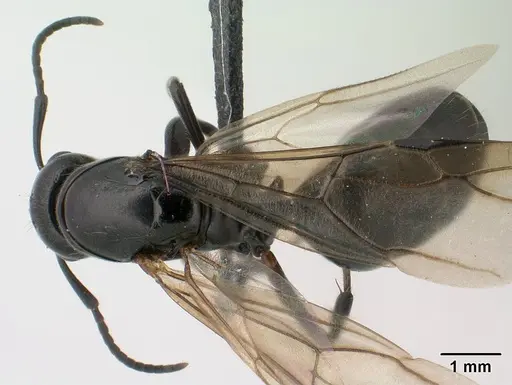
CASENT0179430
View on AntWeb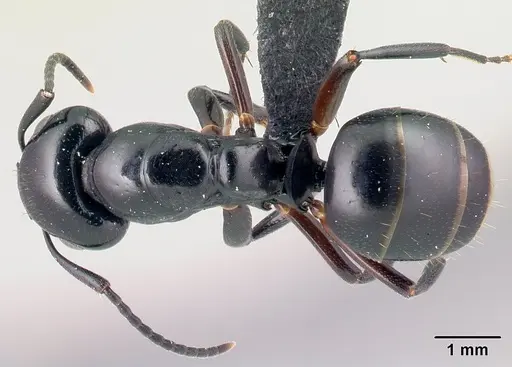
CASENT0179431
View on AntWeb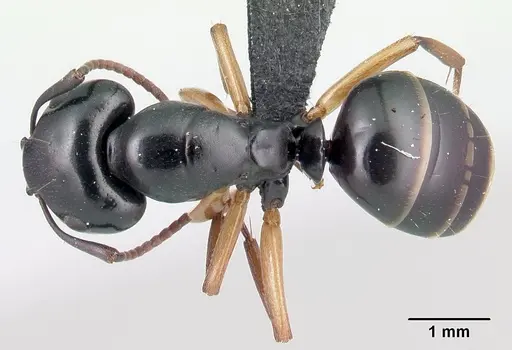
CASENT0481798
View on AntWeb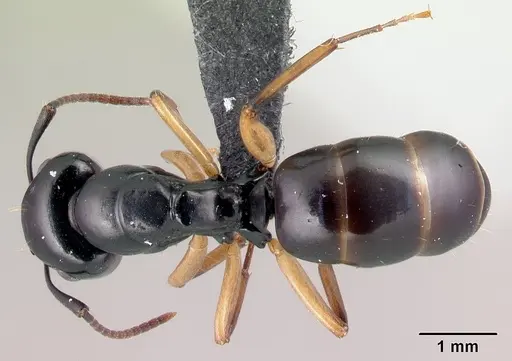
CASENT0481799
View on AntWeb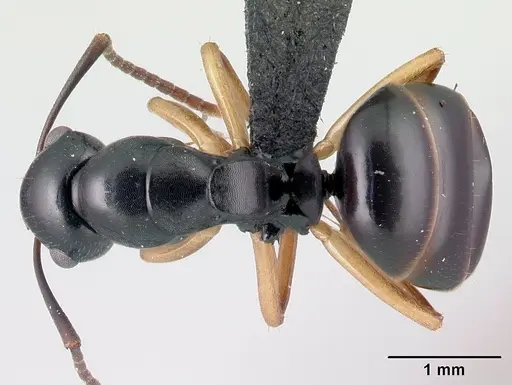
CASENT0481800
View on AntWeb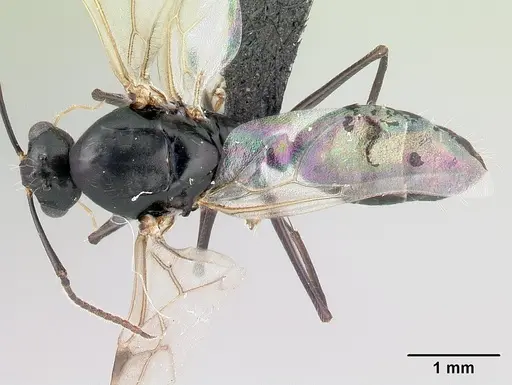
CASENT0491899
View on AntWeb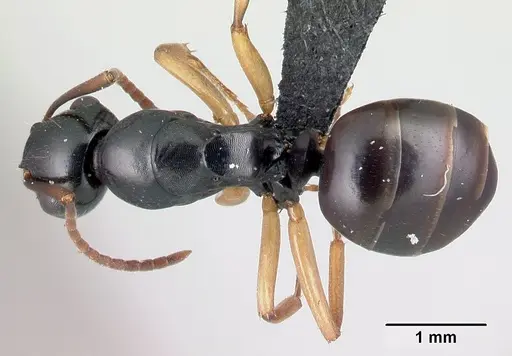
CASENT0491902
View on AntWeb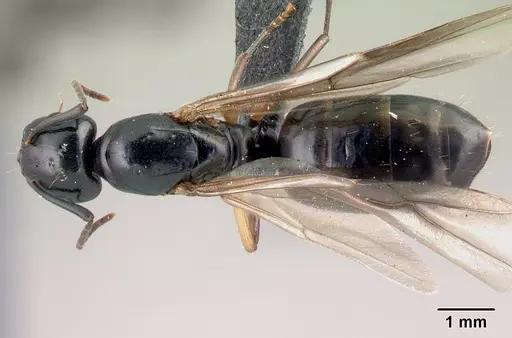
CASENT0492123
View on AntWeb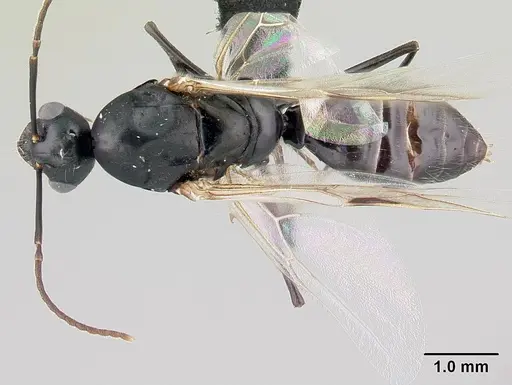
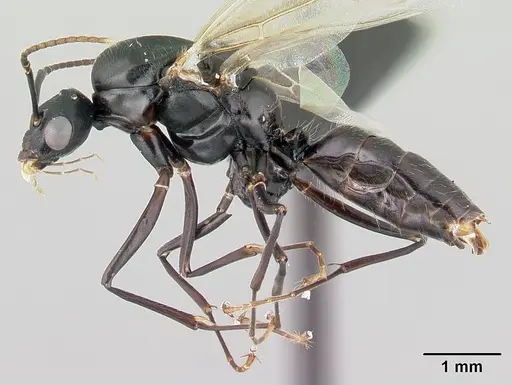
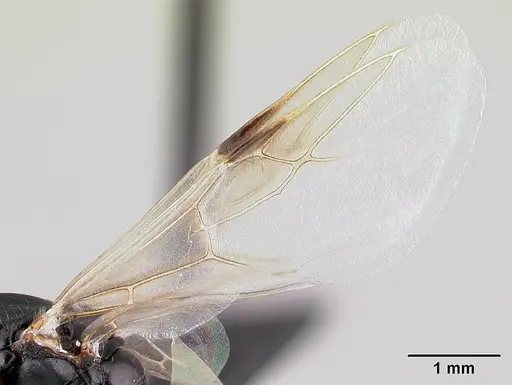
CASENT0492135
View on AntWeb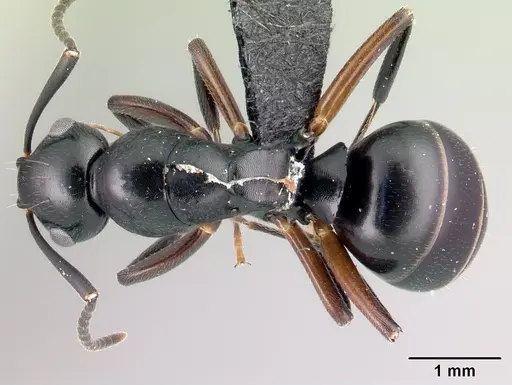
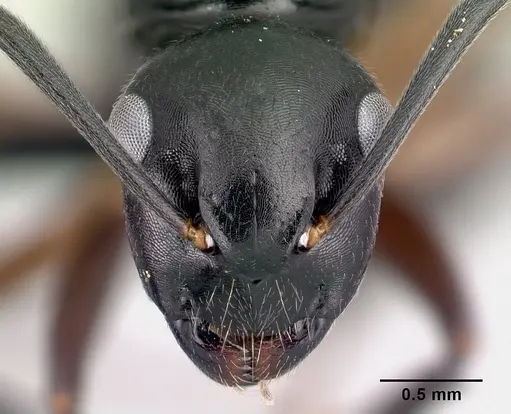
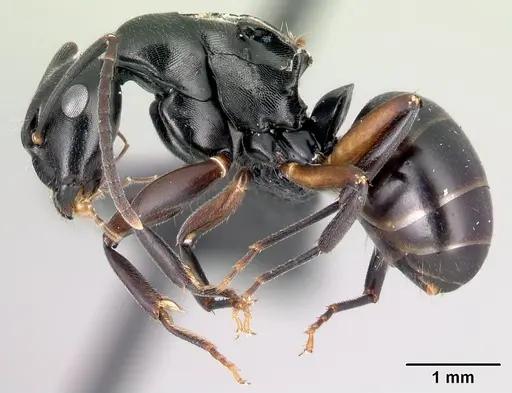
CASENT0492136
View on AntWeb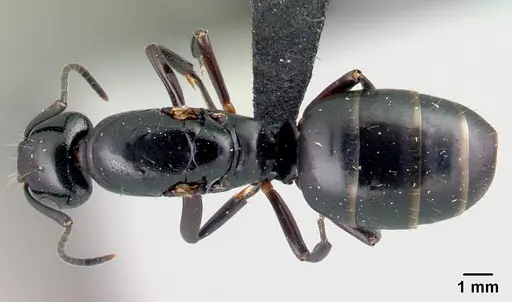
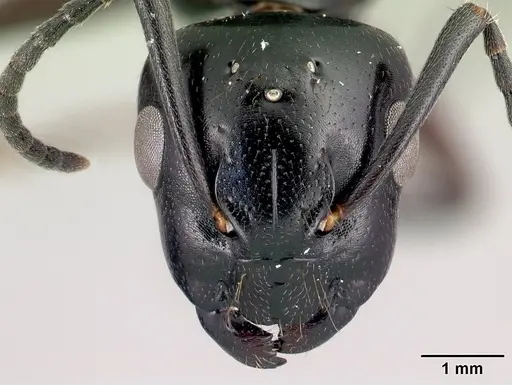
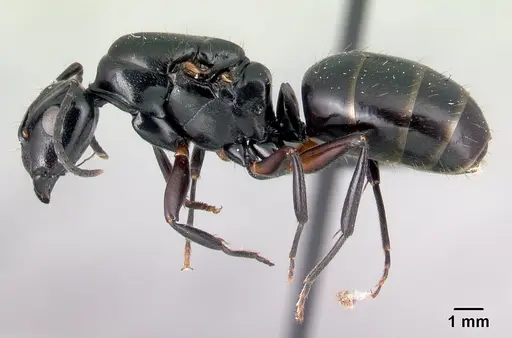
CASENT0499291
View on AntWeb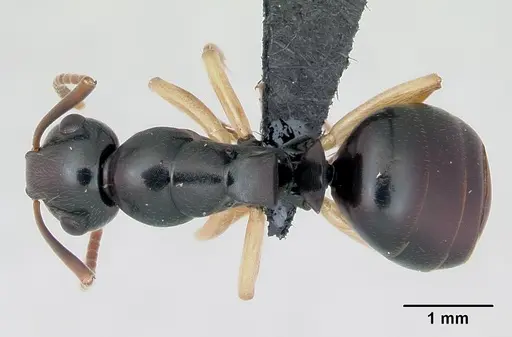
Literature
Loading distribution map...Loading products...