
Camponotus adenensis
- Sci. Name
- Camponotus adenensis
- Subgenus
- Tanaemyrmex
- Tribe
- Camponotini
- Subfamily
- Formicinae
- Author
- Emery, 1893
- Distribution
- Found in 1 countries
Introduction
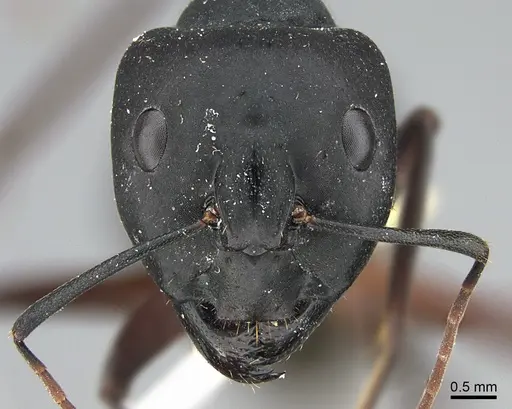
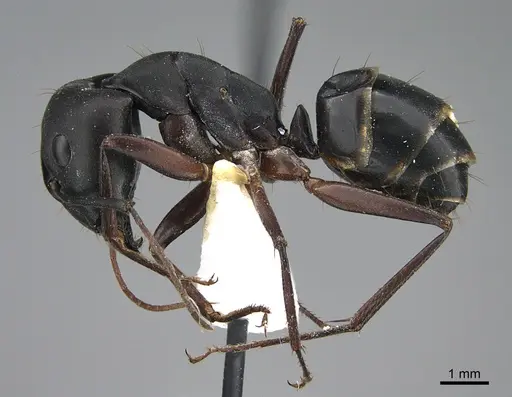
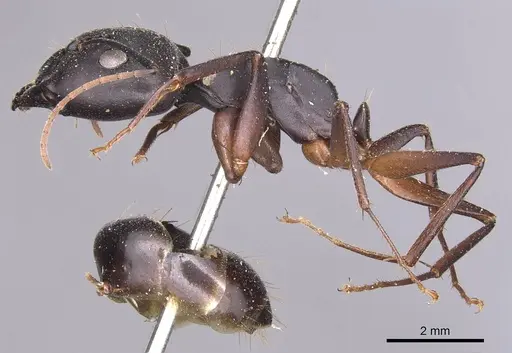
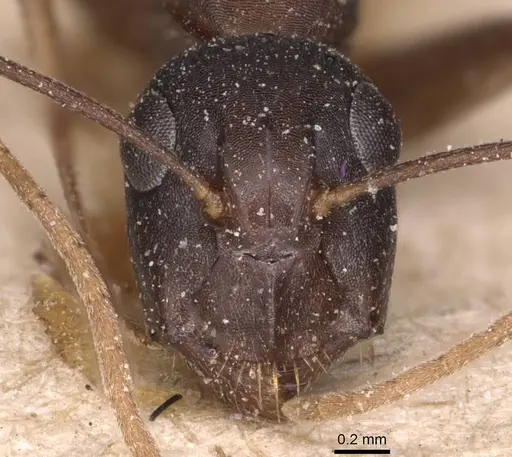
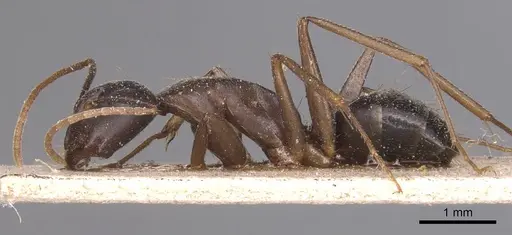
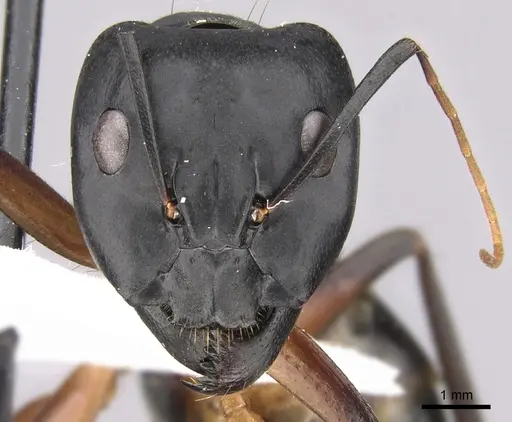
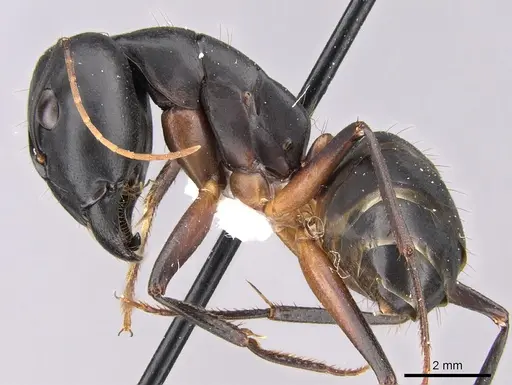
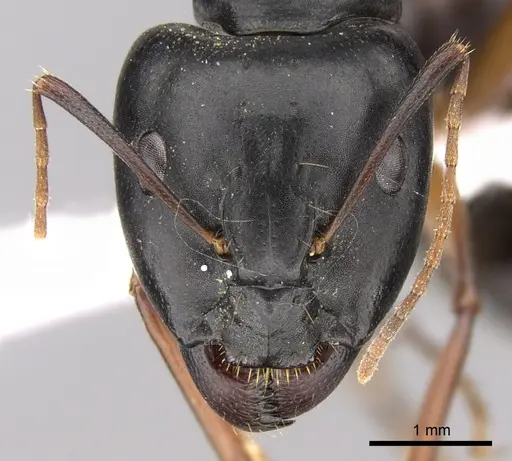
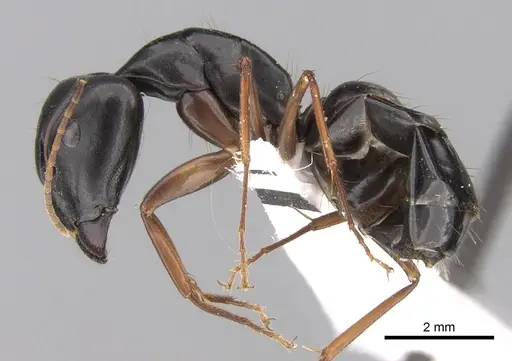
Camponotus adenensis is a medium-sized carpenter ant native to the Arabian Peninsula and surrounding regions. Workers have a uniformly dark body with distinctive yellow legs, giving them a striking two-tone appearance. The head has fine punctures, the alitrunk has a smoothly curved dorsal outline, and the gaster is somewhat shiny with sparse fine hairs. This species belongs to the subgenus Tanaemyrmex, which includes many desert-adapted ants. Size data is limited - no direct measurements exist in scientific literature, but based on related Camponotus species in the subgenus, queens likely reach around 14-18mm and workers range up to about 12mm. This ant is found across the Arabian Peninsula, from Yemen (where it was first described near Aden) through Saudi Arabia, the UAE, Qatar, and has been recorded in eastern Iran. It forages on vegetation, including shrubs, and lives in hot, dry desert and semi-arid habitats. The species was originally classified as a subspecies of Camponotus maculatus but was later elevated to full species status.
Quick Summary
- Difficulty: Medium
- Origin & Habitat: Arabian Peninsula, Yemen, Saudi Arabia, UAE, Qatar, and eastern Iran. Found in desert and semi-arid habitats, foraging on shrubs in hot, dry conditions [1][2][3][4].
- Colony Type: Colony structure is unconfirmed. Based on typical Camponotus patterns, likely single-queen colonies with claustral founding.
- Size & Growth:
- Queen: ~14-18mm, inferred from related Tanaemyrmex species
- Worker: up to 12mm, inferred from related Camponotus species
- Colony: up to a few hundred workers at maturity, inferred from typical Camponotus patterns
- Growth: Moderate
- Development: 6-10 weeks at optimal temperature (26-28°C), inferred from Camponotus genus patterns (Development time is temperature-dependent. Warmer conditions within safe range accelerate development. First workers (nanitics) are smaller than mature workers.)
- Antkeeping:
- Temperature: Keep nest area at 24-30°C. Being from the hot Arabian Peninsula, they tolerate and prefer warm conditions. A heating cable on one side of the nest creates a temperature gradient allowing ants to self-regulate.
- Humidity: Low to moderate. These are desert-adapted ants, keep the nest substrate dry to slightly moist, not wet. Provide a water tube for drinking but avoid excessive moisture.
- Diapause: No hibernation required. Being from a warm climate, they do not need true diapause. Activity may slow slightly in cooler months but no extended cold period is necessary.
- Nesting: In nature they likely nest in soil under stones or in rotting wood. In captivity, a Y-tong (AAC) nest or plaster formicarium works well. Provide dry to moderately moist substrate. Avoid overly humid conditions.
- Behavior: Workers are moderately active and primarily nocturnal or crepuscular in hot climates. They are not particularly aggressive but will defend the nest if threatened. Workers can deliver formic acid spray through their acidopore, this species lacks a functional sting but bites and sprays formic acid into the wound. Escape risk is moderate, standard barriers work well for this size class.
- Common Issues: overheating is a risk, being from a hot climate, keepers may overcorrect and keep them too warm, which can kill colonies, excessive humidity causes mold and kills colonies, these desert ants need dry conditions, small colony failure during founding is common, queens need complete darkness and no disturbance until workers emerge, wild-caught colonies may have parasites that devastate captive colonies, slow growth tests patience, beginners often overfeed or disturb the nest too frequently
Nest Preferences and Housing
Camponotus adenensis originates from the Arabian Peninsula where temperatures regularly exceed 40°C in summer, so they are well-adapted to heat and dry conditions. In captivity, they do best in nests that maintain warm, relatively dry conditions. A Y-tong (acrylic and cotton) nest works excellently, the acrylic chambers are easy to observe and the cotton allows you to control humidity. Plaster nests are also suitable, but avoid keeping them too wet. Test tube setups can work for founding colonies but need careful temperature management.
The key is providing a temperature gradient. Place a heating cable or heating mat on one side of the nest (never directly under it, always on top to avoid hot spots that can cook the colony). This allows workers to move between warmer and cooler areas to self-regulate. Target the warm end around 26-28°C for optimal brood development. The outworld can be room temperature or slightly warmed. [1][2]
Feeding and Diet
Like other Camponotus species, C. adenensis is omnivorous. They readily accept sugar sources, a drop of sugar water or honey water should be offered at all times. For protein, they take insects including fruit flies, small crickets, mealworms, and other small arthropods. Feed protein prey 2-3 times per week, adjusting based on colony size.
Being desert-adapted, they may not need as much moisture as tropical species, but always provide access to fresh water. A water tube with a cotton plug works well, workers will drink from the wet cotton. Remove uneaten prey after 24-48 hours to prevent mold. This species forages actively, so food placed in the outworld will be discovered quickly.
Temperature and Seasonal Care
Temperature is perhaps the most important factor for keeping Camponotus adenensis successfully. Being from the Arabian Peninsula, they thrive in warm conditions. Keep the nest area between 24-30°C, with 26-28°C being ideal for brood development. A simple way to achieve this is using a heating cable placed on top of the nest (never underneath where it can create dangerous hot spots).
Unlike temperate species, they do not require hibernation or diapause. In fact, keeping them too cold can slow or stop brood development entirely. In winter, you can allow natural temperature drops (room temperature is usually fine), but avoid cold rooms below 18°C for extended periods. Activity may slow somewhat in cooler months, which is normal. [1][2][3]
Colony Founding
Camponotus adenensis likely follows the typical claustral founding pattern for carpenter ants, though this is not explicitly documented. A newly mated queen will seal herself into a small chamber and remain there, living entirely on her stored fat reserves, while she lays eggs and raises the first brood. This process takes 6-10 weeks depending on temperature.
During founding, the queen needs complete darkness and absolutely no disturbance. Any vibration or light exposure can cause her to abandon or eat her brood. After the first workers (nanitics) emerge, the colony can be considered established. At this point, you can connect the founding tube to an outworld and begin offering food. The colony will grow slowly at first, then accelerate as the worker population increases.
Behavior and Temperament
Workers of Camponotus adenensis are moderately sized and not particularly aggressive, but they will defend their nest if threatened. They are primarily nocturnal or crepuscular in their natural habitat, which is typical for desert ants that avoid the hottest parts of the day. In captivity, they may show activity patterns matching their feeding schedule rather than strict nocturnal behavior.
This species is not considered dangerous to keepers. As members of the subfamily Formicinae, they lack a functional sting but can bite and spray formic acid from their acidopore into the wound. This defense mechanism is mild and these ants are not prone to aggressive behavior toward humans. They are good for observation, workers are large enough to see clearly, and their two-tone coloring (dark body, yellow legs) makes them visually distinctive [1].
Common Problems and Solutions
The biggest mistake keepers make with this species is keeping them too wet. Being from a desert region, they need dry conditions. Excessive humidity causes mold, which can quickly kill a colony. Keep the nest substrate just barely moist, and ensure good ventilation.
Overheating is the other extreme, while they like warmth, direct heat sources that create hot spots can cook the colony. Always use heating equipment on top of the nest, not underneath, and provide a temperature gradient so ants can move away from heat if needed.
Founding colony failure is common, queens are extremely sensitive to disturbance. Do not check the founding tube until at least 6 weeks have passed, and never expose it to light during this critical period. If the queen appears stressed or has eaten her brood, the founding has failed and you will need to start with a new queen.
Frequently Asked Questions
How long does it take for Camponotus adenensis to raise first workers?
At optimal temperature (26-28°C), expect 6-10 weeks from egg to first worker. Cooler temperatures will slow development significantly.
What temperature do Camponotus adenensis need?
Keep them warm, 24-30°C in the nest area, with 26-28°C being ideal. A heating cable on top of the nest creates the right conditions.
Can I keep Camponotus adenensis in a test tube?
Yes, test tubes work well for founding colonies. Use a standard test tube setup with a water reservoir sealed with cotton. Once the colony reaches 20-30 workers, consider moving to a proper nest.
How big do Camponotus adenensis colonies get?
Based on typical Camponotus patterns, expect up to a few hundred workers at maturity. Growth is moderate, not the fastest, but steady.
Do Camponotus adenensis need hibernation?
No. Being from the warm Arabian Peninsula, they do not require hibernation. Activity may slow slightly in cooler months, but no extended cold period is needed.
What do Camponotus adenensis eat?
They are omnivorous. Offer sugar water or honey constantly for energy, and protein (insects like fruit flies, mealworms) 2-3 times per week.
Is Camponotus adenensis good for beginners?
Medium difficulty. They are more forgiving of temperature mistakes than tropical species but require proper humidity control (dry conditions). Their founding requires patience and minimal disturbance.
Why is my founding colony failing?
Common causes: disturbance during founding (light, vibration), excessive humidity, or temperatures too cold. Queens need complete darkness and no disturbance for 6-10 weeks.
When should I move my colony to a formicarium?
Move when the test tube becomes crowded (30+ workers) or the water reservoir needs frequent refilling. A Y-tong or plaster nest works well for this species.
Report an Issue
The current care sheet is based fully on literature. See inconsistencies, or something that's incorrect? Please , it will be resolved after review from an admin. Contributing to the blogs tab also helps providing information, to make us be able to further improve the caresheets. Thank you for your support!
References

This caresheet is licensed under CC BY-SA 4.0 .
Community Blogs
ANTWEB1041886
View on AntWeb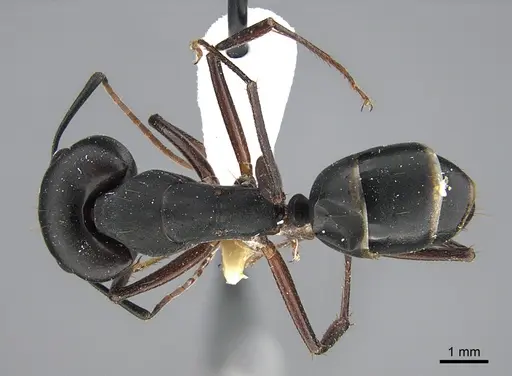
ANTWEB1041916
View on AntWeb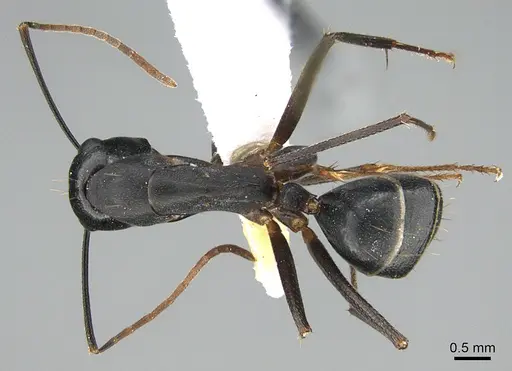
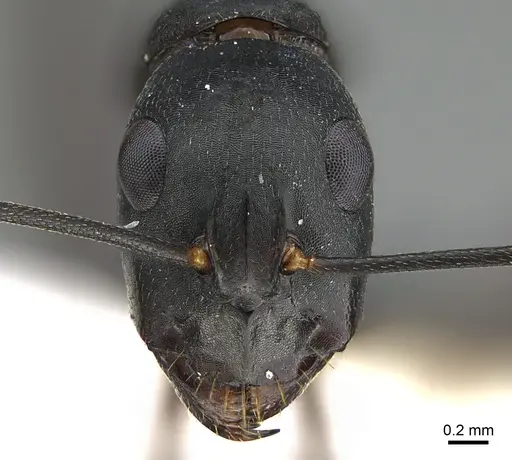
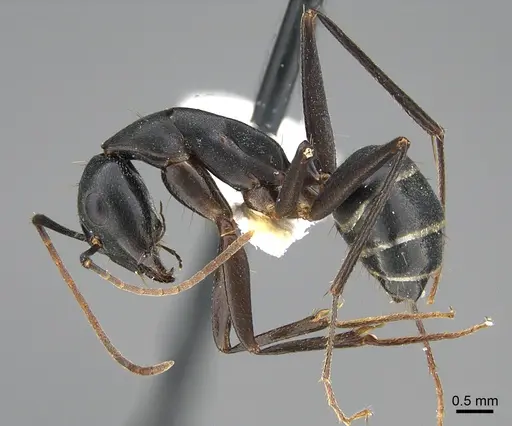
CASENT0905283
View on AntWeb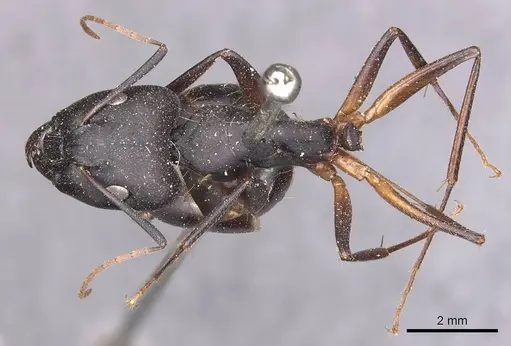
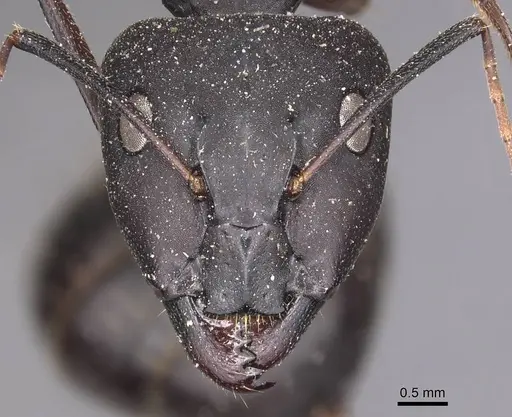
CASENT0905284
View on AntWeb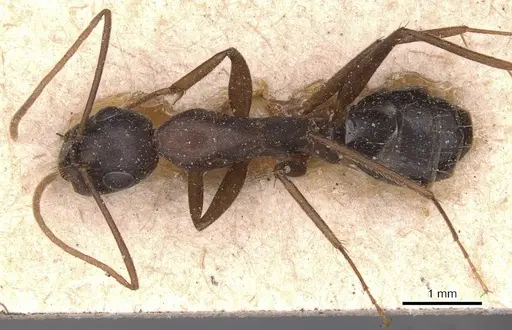
CASENT0906443
View on AntWeb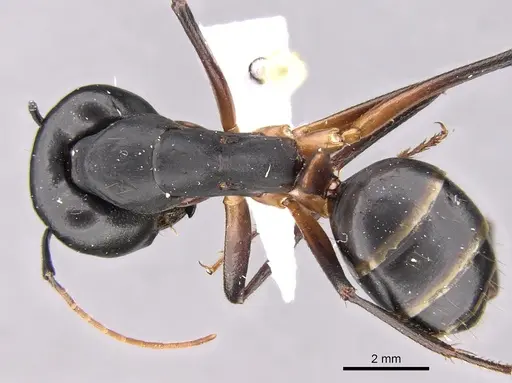
CASENT0906448
View on AntWeb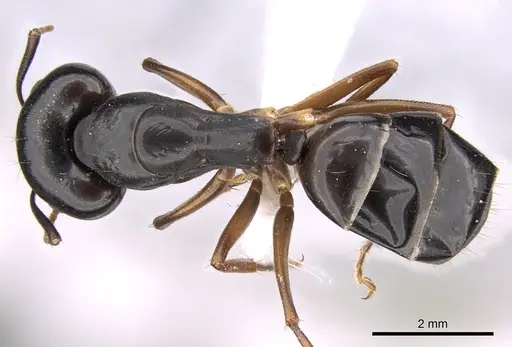
Literature
Loading distribution map...Loading products...