
Calyptomyrmex duhun
- Sci. Name
- Calyptomyrmex duhun
- Tribe
- Crematogastrini
- Subfamily
- Myrmicinae
- Author
- Bolton, 1981
- Distribution
- Found in 3 countries
Introduction
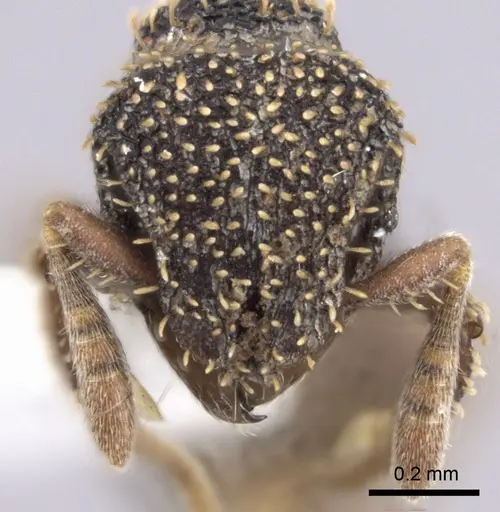
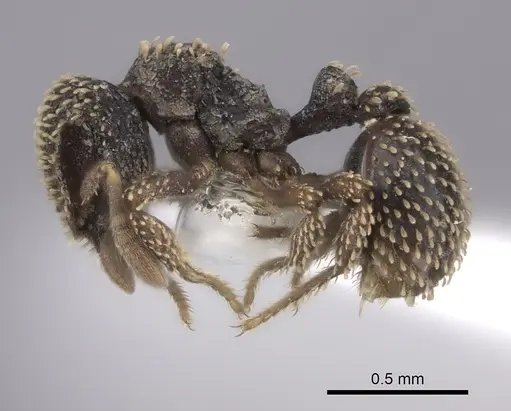
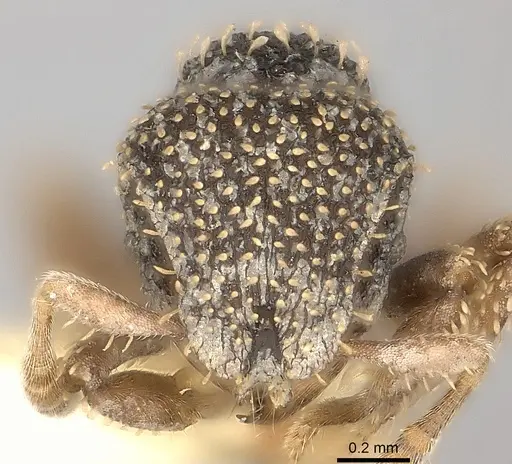
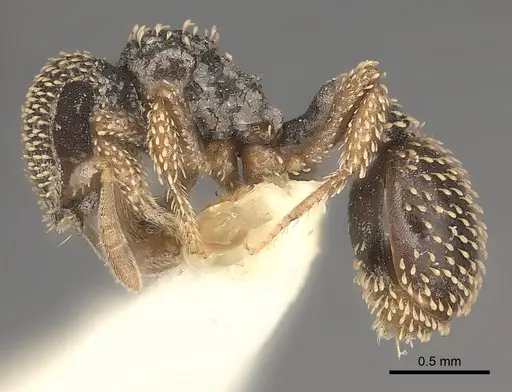
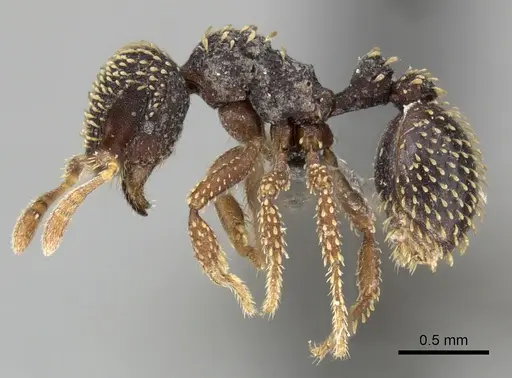
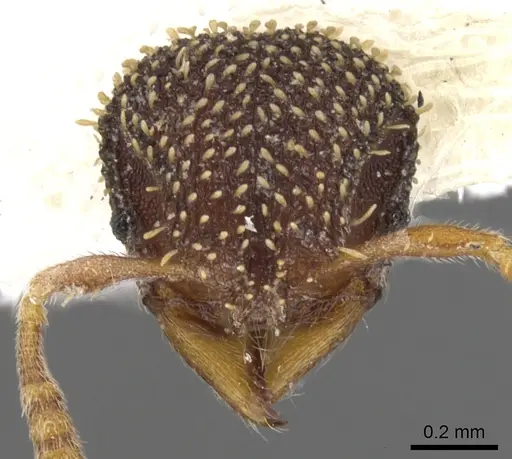
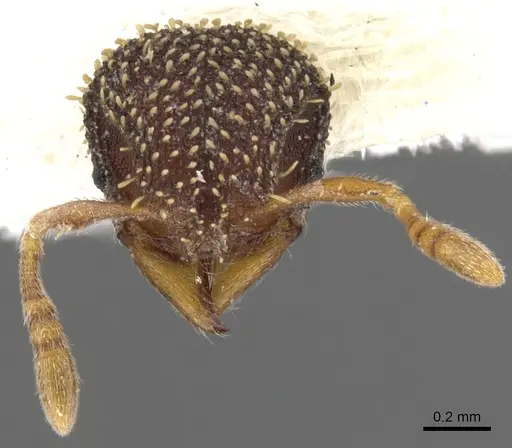
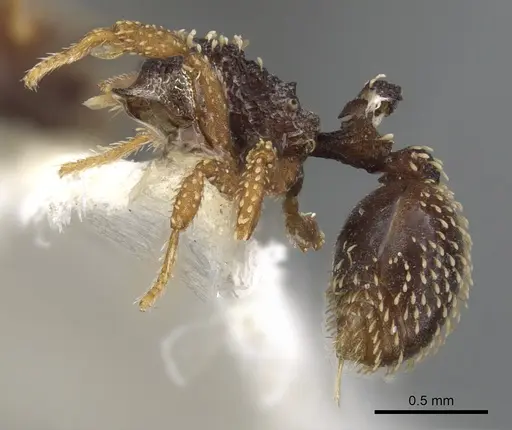
Calyptomyrmex duhun is a small ant species documented from the NK province in the Democratic Republic of Congo . Members of the Calyptomyrmex genus are characterized by their broad, flattened heads, though specific measurements for this species are unavailable. These ants belong to the Myrmicinae subfamily and Crematogastrini tribe. The genus is known for a distinctive smear defense mechanism, using a modified flattened stinger to apply venom onto enemies rather than piercing flesh. This particular species remains poorly documented in scientific literature.
Quick Summary
- Difficulty: Expert
- Origin & Habitat: Democratic Republic of Congo, NK province, tropical forest environment [1]
- Colony Type: Unconfirmed, colony structure has not been documented for this species
- Size & Growth:
- Queen: size data unavailable
- Worker: size data unavailable
- Colony: Unknown
- Growth: Unknown
- Development: Unknown (No development data exists for this species.)
- Antkeeping:
- Temperature: Keep warm and stable, roughly 24-28°C, maintain conditions typical of Central African tropical environments
- Humidity: High humidity preferred, keep nest substrate consistently moist but not waterlogged
- Diapause: Unknown, tropical species may not require formal hibernation
- Nesting: Provide humid, dark nesting options. Based on genus patterns, these cryptic ants prefer concealed spaces within rotting wood, soil chambers, or similar forest-floor microhabitats.
- Behavior: Behavior is unconfirmed for this specific species. Based on genus patterns, Calyptomyrmex ants are slow-moving and secretive. They likely forage through leaf litter for small invertebrates. Escape risk is moderate given their small size.
- Common Issues: lack of documented care information makes this an experimental species for experienced keepers only, high humidity requirements can lead to mold problems if ventilation is inadequate, slow growth and cryptic nature means colony health is difficult to assess, wild-caught colonies may have parasites or fail to adapt to captive conditions, feeding acceptance is unknown, may require specialized prey items
Distribution and Origin
Calyptomyrmex duhun has been recorded from the NK province in the Democratic Republic of Congo [1]. This region features a tropical climate with high year-round temperatures and humidity. Specific habitat preferences within this province are not documented in available literature.
Defense Mechanism
Calyptomyrmex duhun belongs to the Crematogastrini tribe, which is characterized by a modified smear defense system. These ants possess a flattened, spatulate stinger used to wipe or smear venom onto attackers rather than delivering a piercing sting. This is a passive defense strategy relying on applying irritant substances to enemies upon contact.
Nest Preferences
Nest preferences are unconfirmed for Calyptomyrmex duhun. Based on genus-level patterns for cryptic Calyptomyrmex species, these ants likely nest in concealed microhabitats such as rotting wood, under stones, or within leaf litter in forest environments. In captivity, provide humid, dark nesting options such as moist test tube setups, plaster nests with small chambers, or rotten wood sections. Avoid bright lighting near nesting areas.
Feeding and Diet
Feeding requirements for Calyptomyrmex duhun are unconfirmed. The genus Calyptomyrmex is generally considered predatory or omnivorous, with workers foraging slowly through leaf litter and soil for small invertebrates. Based on related Myrmicinae patterns, small live prey such as springtails, fruit flies, and other micro-arthropods may be accepted. Sugar sources may be experimental. Start with offering small live prey and observe acceptance.
Temperature and Care
As a species from the Democratic Republic of Congo, Calyptomyrmex duhun likely requires warm, stable temperatures typical of tropical forest environments. Maintain temperatures in the range of 24-28°C. High humidity is likely critical given the forest-floor habitat. Since this is an experimental species with no established care protocols, detailed record-keeping is essential.
Behavior and Temperament
Specific behavioral observations for Calyptomyrmex duhun do not exist in scientific literature. Based on genus patterns, Calyptomyrmex members are known for slow, deliberate movements and a cryptic lifestyle. Workers likely forage individually through leaf litter and soil crevices. Aggression levels are expected to be low, with concealment being the primary defense strategy.
Frequently Asked Questions
How do I care for Calyptomyrmex duhun?
Calyptomyrmex duhun is an experimental species with no established care protocols. Based on genus patterns, provide warm temperatures (24-28°C), high humidity, and small live prey. This species is recommended only for experienced antkeepers willing to experiment and document their findings.
What do Calyptomyrmex duhun ants eat?
Diet is unconfirmed for this species. Based on genus patterns, they likely accept small live invertebrates such as springtails, fruit flies, and micro-arthropods. Offer prey items and observe acceptance.
How long does it take for Calyptomyrmex duhun to develop from egg to worker?
Development timeline is unknown for this species. No direct data exists.
Are Calyptomyrmex duhun ants aggressive?
Aggression levels are not documented, but Calyptomyrmex genus members are known to be slow-moving and non-aggressive. They rely on concealment rather than active defense.
What size colony does Calyptomyrmex duhun reach?
Colony size is unknown. No data exists for this species.
Do Calyptomyrmex duhun ants need hibernation?
Diapause requirements are unknown. As a tropical species from DRC, they likely do not require formal hibernation but may reduce activity during cooler periods.
Can beginners keep Calyptomyrmex duhun?
This species is not recommended for beginners. Care information is extremely limited, making it an experimental species best suited for experienced antkeepers who can adapt and document their observations.
What nest type is best for Calyptomyrmex duhun?
Nest recommendations are based on genus patterns. Provide humid, dark, confined spaces such as moist test tube setups, plaster nests with small chambers, or rotten wood sections. Avoid bright lighting near nesting areas.
Where is Calyptomyrmex duhun found?
This species is documented from the NK province in the Democratic Republic of Congo [1]. Specific habitat details within this region are not recorded in available literature.
Does Calyptomyrmex duhun sting?
Stinging behavior is not documented for this species. Calyptomyrmex genus members possess a smear defense mechanism using a flattened stinger to apply venom, rather than a piercing sting. Their primary defense is concealment rather than aggression.
Report an Issue
The current care sheet is based fully on literature. See inconsistencies, or something that's incorrect? Please , it will be resolved after review from an admin. Contributing to the blogs tab also helps providing information, to make us be able to further improve the caresheets. Thank you for your support!
References

This caresheet is licensed under CC BY-SA 4.0 .
Community Blogs
CASENT0217137
View on AntWeb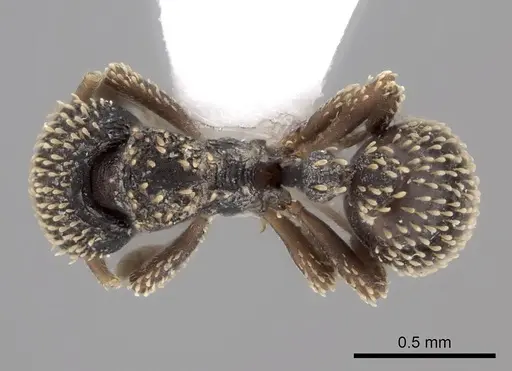
CASENT0217817
View on AntWeb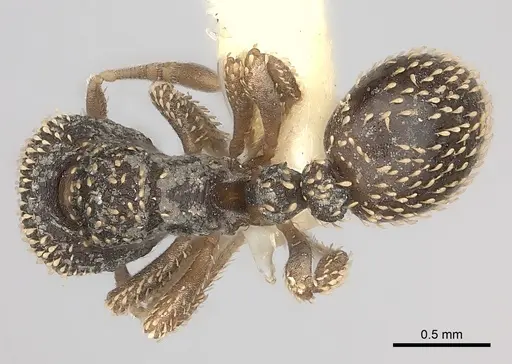
CASENT0235373
View on AntWeb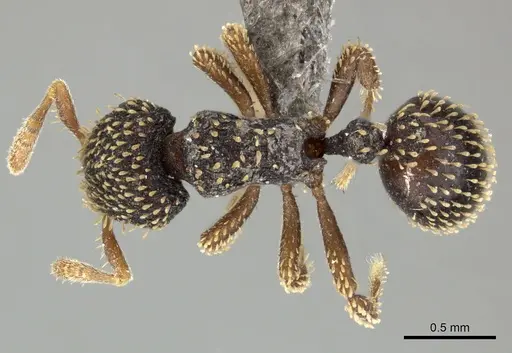
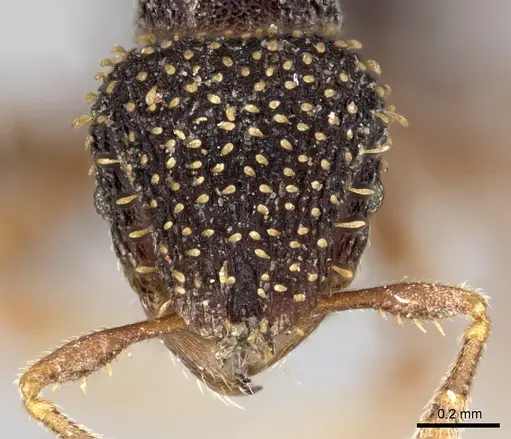
CASENT0900989
View on AntWeb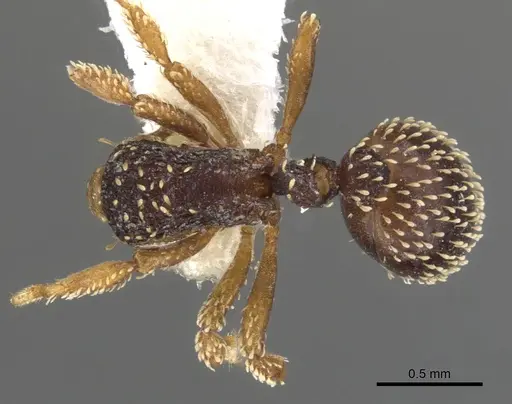
Literature
Loading distribution map...Loading products...