
Calomyrmex albopilosus
- Sci. Name
- Calomyrmex albopilosus
- Tribe
- Camponotini
- Subfamily
- Formicinae
- Author
- Mayr, 1876
- Distribution
- Found in 1 countries
Introduction
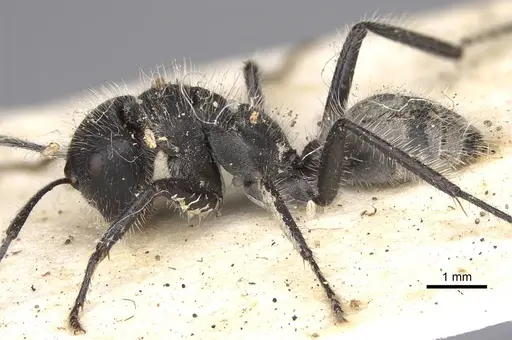
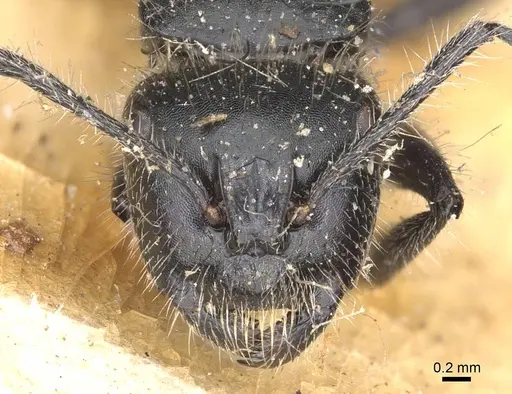
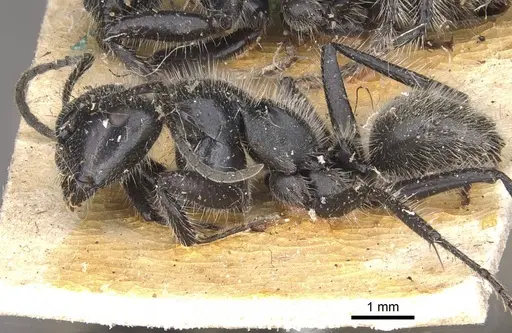
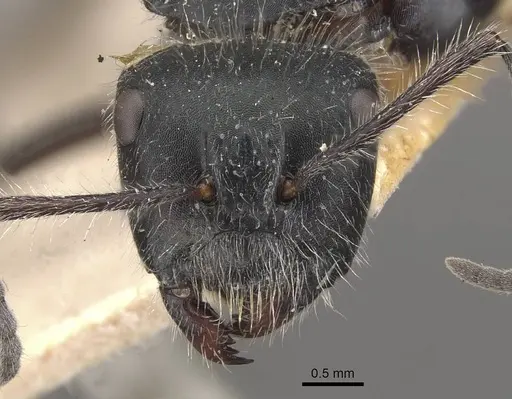
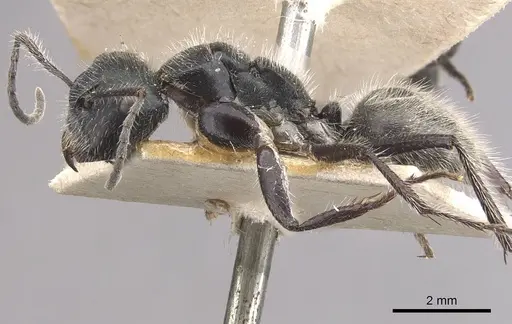
Calomyrmex albopilosus is an Australian ant species belonging to the subfamily Formicinae. The species name 'albopilosus' means 'white-haired', referring to the distinctive pale hairs that cover their body. This species is native to Queensland, Australia, where it inhabits woodland and forest habitats across eastern Australia . These ants are generalist foragers and are known to tend Hemiptera (aphids, scale insects, and other honeydew-producing insects) . They play an important role in their ecosystem as both predators and as farmers of honeydew-producing insects.
Quick Summary
- Difficulty: Medium
- Origin & Habitat: Native to Queensland, Australia. Found in woodland and forest habitats across eastern Australia, particularly around Rockhampton, Peak Downs, and Gayndah [1][4].
- Colony Type: Unconfirmed, specific colony structure data is not available for this species.
- Size & Growth:
- Queen: Size data unavailable for this species
- Worker: Size data unavailable for this species
- Colony: Unknown, no specific data available
- Growth: Moderate, estimated based on related Formicinae species
- Development: Estimated 6-8 weeks at optimal temperature based on related Camponotus species (Development time is estimated from related genus patterns since specific data is unavailable for this species)
- Antkeeping:
- Temperature: Keep at 22-26°C. Australian species from Queensland suggests they prefer warm conditions. A heating cable on one side of the nest can help maintain warmth.
- Humidity: Moderate humidity around 50-70%. Queensland has varied climate but generally more humid than arid regions. Provide a water source and keep nest substrate slightly moist.
- Diapause: Likely not required or minimal, Queensland experiences mild winters rather than harsh cold. A brief period of reduced temperatures (15-18°C) during winter months may be beneficial.
- Nesting: In nature they likely nest in soil or under stones. In captivity, a Y-tong (AAC) nest or plaster nest works well. Provide moderate chamber sizes scaled to worker size.
- Behavior: Generalist foragers with moderate activity levels. They tend Hemiptera for honeydew in the wild and will accept both sugar and protein foods in captivity. Workers are not particularly aggressive but will defend their colony using formic acid spray, typical of Formicinae ants. Escape risk is moderate, standard barrier precautions are sufficient. They are daytime foragers and benefit from a consistent day-night cycle.
- Common Issues: lack of specific care data makes precise requirements uncertain, monitor colony response and adjust, Australian species may have different temperature needs than common temperate ant species, honeydew/tending behavior suggests they benefit from sugar sources but protein is also important, limited availability in the antkeeping hobby means experienced fellow keepers are rare, wild-caught colonies may have parasites or diseases that affect captive success
Housing and Nest Setup
Calomyrmex albopilosus can be housed in standard ant keeping setups. A Y-tong (AAC) nest or plaster formicarium works well for this species. Provide a water tube or moisture system to maintain moderate humidity. Since they come from Queensland, Australia, they prefer warm conditions but not extreme heat. Room temperature in the low-to-mid 20s°C is typically suitable. An outworld for foraging allows you to observe their hunting and foraging behaviors. Use standard escape prevention like fluon on the rim of the outworld.
Feeding and Diet
These ants are generalist foragers that tend Hemiptera in the wild, meaning they farm aphids and scale insects for honeydew [2][3]. In captivity, offer a varied diet including sugar water or honey as an energy source. For protein, provide small insects like fruit flies, small crickets, or mealworms. They will likely accept most standard ant foods. Feed sugar sources 2-3 times per week and protein prey items as needed based on colony size. Remove uneaten prey after 24-48 hours to prevent mold. A varied diet supports healthy colony growth and reproduction.
Temperature and Seasonal Care
As an Australian species from Queensland, Calomyrmex albopilosus prefers warmer temperatures. Keep the nest area at 22-26°C for optimal brood development. A heating cable placed on one side of the nest can create a temperature gradient allowing ants to self-regulate. Queensland winters are mild, so a true hibernation is likely not required. However, during winter months you may reduce temperatures slightly to 15-18°C to simulate natural seasonal slowdown. Avoid sudden temperature changes. Consistent, warm conditions year-round will support continuous colony growth.
Colony Development and Growth
Colony growth follows typical Formicinae patterns. The queen seals herself in during founding and raises the first workers (nanitics) alone on stored fat reserves. First workers are typically smaller than mature workers. Development from egg to worker likely takes 6-8 weeks at optimal temperature, based on related Camponotus species. Growth rate is moderate, not particularly fast or slow. The queen can live for many years, producing workers continuously once established. Regular feeding and proper temperature maintenance are key to healthy colony development.
Behavior and Defense
Workers of Calomyrmex albopilosus are active foragers that search for both sugar sources and prey. Their tendency to tend Hemiptera means they may show interest in aphid farms if given access. As Formicinae ants, they lack a functional sting but can bite and spray formic acid from their acidopore as a defense mechanism. Workers are not particularly aggressive toward keepers but will defend the nest if threatened. They are daytime active and benefit from a consistent light cycle. Observing their foraging behavior, food transport, and interaction with the queen can be quite rewarding. Standard escape precautions are still recommended.
Frequently Asked Questions
How long does it take for Calomyrmex albopilosus to produce first workers?
Based on related Camponotus species, expect first workers (nanitics) around 6-8 weeks after the queen lays eggs, assuming optimal temperature around 24°C. This is an estimate since specific development data for this species is not available.
What do Calomyrmex albopilosus ants eat?
They are generalist foragers that accept both sugar (honey, sugar water) and protein (small insects like fruit flies, mealworms). In the wild they tend Hemiptera for honeydew, so sugar sources are important. Offer a varied diet for best results.
Do Calomyrmex albopilosus ants need hibernation?
Probably not a true hibernation. Queensland has mild winters, so a brief period of cooler temperatures (15-18°C) during winter months may be sufficient rather than full hibernation. Monitor your colony's activity levels.
What temperature is best for Calomyrmex albopilosus?
Keep them warm at 22-26°C. A slight gradient allowing them to choose their preferred temperature is ideal. A heating cable on part of the nest can help maintain warmth.
Are Calomyrmex albopilosus good for beginners?
They are rated as medium difficulty. While not as challenging as some exotic species, specific care information is limited since this is not a common species in the antkeeping hobby. Some experience with ant keeping is helpful.
How big do Calomyrmex albopilosus colonies get?
Colony size is not well documented. Growth is moderate.
Can I keep multiple Calomyrmex albopilosus queens together?
Colony structure data is not available for this species. Combining unrelated queens is not recommended as they may fight. If you obtain a wild colony, observe for queen numbers.
What type of nest is best for Calomyrmex albopilosus?
A Y-tong (AAC) nest or plaster formicarium works well. Provide appropriately sized chambers and maintain moderate humidity. An outworld for foraging allows observation of their behavior.
Where is Calomyrmex albopilosus native to?
This species is native to Queensland, Australia. They are found in eastern Australia, particularly in Queensland regions around Rockhampton, Peak Downs, and Gayndah.
Why are my Calomyrmex albopilosus dying?
Common causes include: temperature too low or too high, improper humidity (too dry or waterlogged), poor diet, mold from uneaten food, or stress from frequent disturbance. Review your setup and make gradual adjustments. Limited species-specific data means careful observation is key.
Is Calomyrmex albopilosus available in the antkeeping hobby?
This species is quite rare in the antkeeping hobby. It may be difficult to find a colony for sale. If available, expect to source from specialized Australian ant breeders.
Report an Issue
The current care sheet is based fully on literature. See inconsistencies, or something that's incorrect? Please , it will be resolved after review from an admin. Contributing to the blogs tab also helps providing information, to make us be able to further improve the caresheets. Thank you for your support!
References

This caresheet is licensed under CC BY-SA 4.0 .
Community Blogs
ANTWEB1008140
View on AntWeb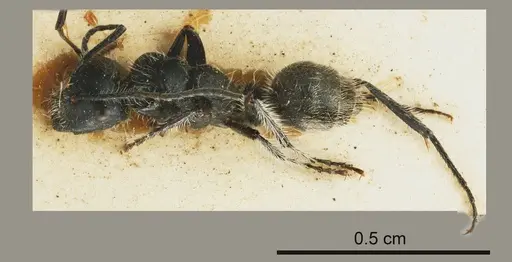
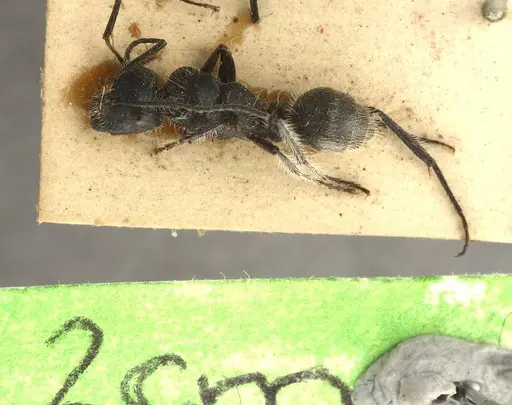
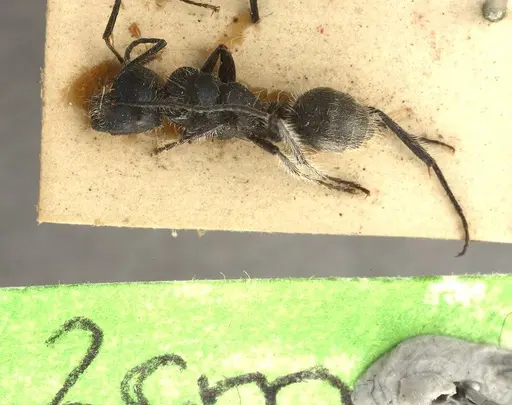
ANTWEB1008141
View on AntWeb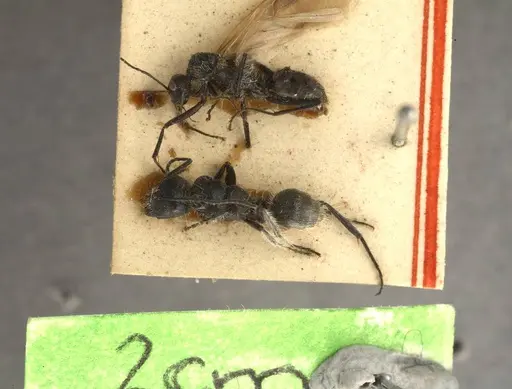
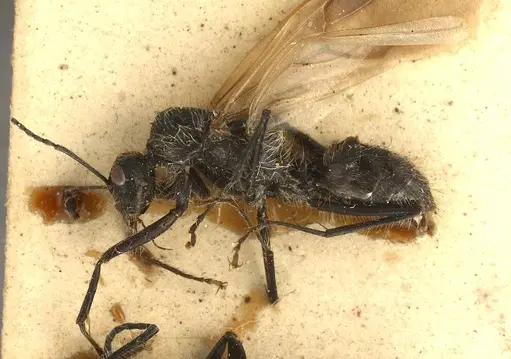
CASENT0887757
View on AntWeb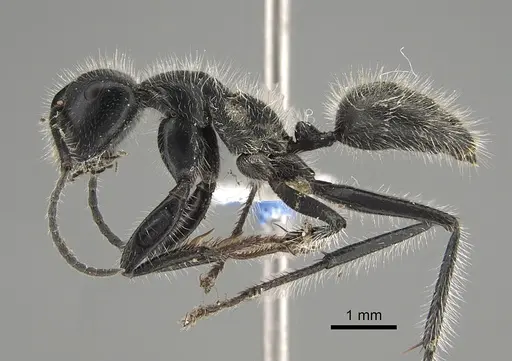
CASENT0906856
View on AntWeb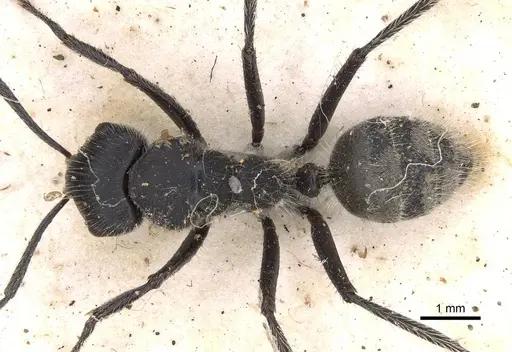
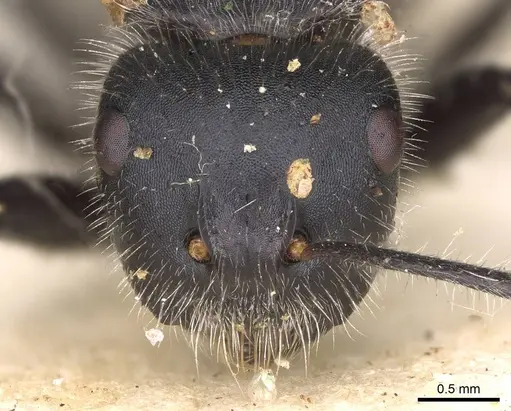
CASENT0910756
View on AntWeb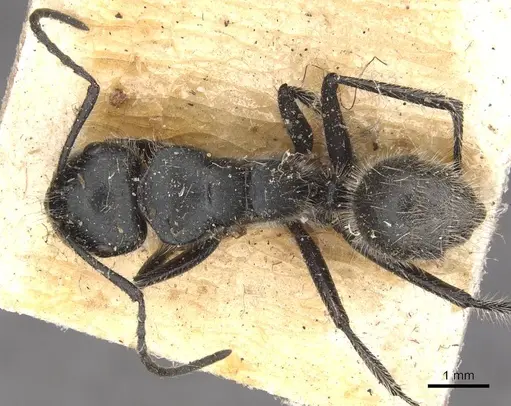
CASENT0910757
View on AntWeb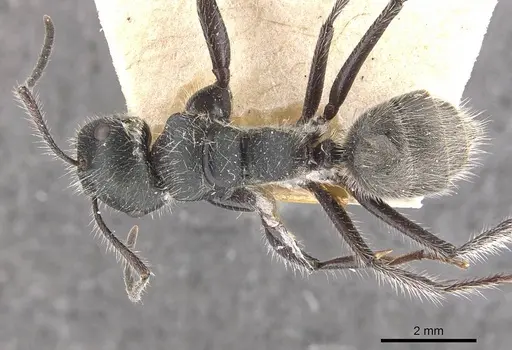
Literature
Loading distribution map...Loading products...