
Brachymyrmex donisthorpei
- Sci. Name
- Brachymyrmex donisthorpei
- Tribe
- Myrmelachistini
- Subfamily
- Formicinae
- Author
- Santschi, 1939
- Distribution
- Found in 1 countries
Introduction
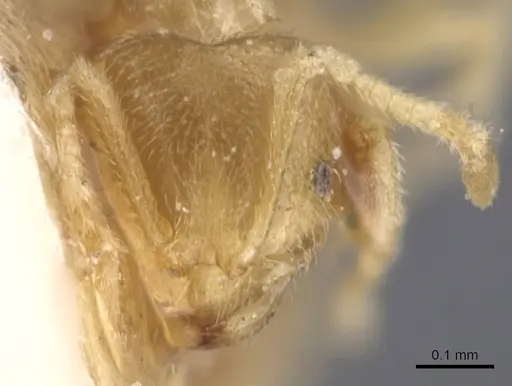
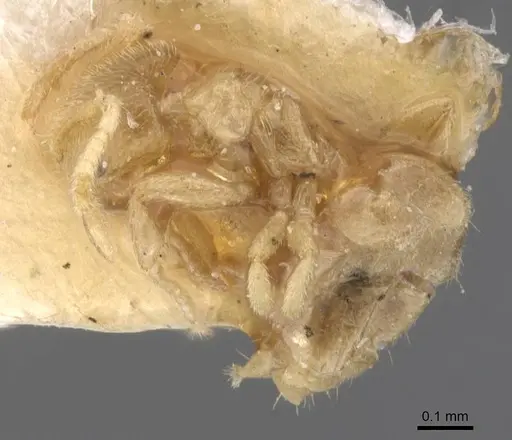
Brachymyrmex donisthorpei is a tiny yellowish ant native to the Neotropical region, found in Brazil, Colombia, Ecuador, and Paraguay . Workers are small, measuring roughly 2-3mm, with a distinct yellowish body color and dense short pubescence covering their entire body . Their most distinctive feature is their very small eyes, containing only 3-4 ommatidia, positioned below the midline of the head, along with short scapes that barely reach the posterior margin of the head . These ants were originally described from Colombia in 1939 and are typically found in montane wet forest leaf litter . The biology of this species remains largely unknown, making them an intriguing species for antkeepers who enjoy observing less-documented species.
Quick Summary
- Difficulty: Medium
- Origin & Habitat: Neotropical region, found in Brazil, Colombia, Ecuador, and Paraguay. In Colombia, they have been recorded in montane wet forest habitats, specifically in sifted leaf litter [1][3][4].
- Colony Type: Colony structure is unconfirmed. Based on typical Brachymyrmex genus patterns, likely single-queen colonies, though this has not been directly studied for this specific species.
- Size & Growth:
- Queen: Size data unavailable, inferred from Brachymyrmex genus patterns to be roughly 3-4mm
- Worker: Roughly 2-3mm, inferred from Brachymyrmex genus patterns [1][2]
- Colony: Likely small colonies based on typical Brachymyrmex patterns
- Growth: Unknown, development is unconfirmed for this species
- Development: Unconfirmed, no specific data available for this species (Development timeline is unconfirmed. Temperature around 24-28°C may be suitable given their Neotropical origin.)
- Antkeeping:
- Temperature: Keep at 24-28°C. These are Neotropical ants from montane wet forests, so they prefer warm, stable temperatures. A heating cable on one side of the nest creates a suitable gradient [1].
- Humidity: High humidity preferred, they come from montane wet forest leaf litter. Keep the nest substrate consistently moist but not waterlogged.
- Diapause: Unlikely, being from tropical regions, they probably do not require a true diapause. They may show reduced activity during cooler periods.
- Nesting: These tiny ants naturally nest in leaf litter and rotting wood in humid forest environments. In captivity, they do well in test tubes with a water reservoir, or small Y-tong/3D-printed nests with tight chambers scaled to their tiny size. Their small size means they can squeeze through standard test tube barriers, use fine mesh or cotton plugs that are well-packed.
- Behavior: Temperament is generally peaceful, Brachymyrmex species are not known for being aggressive. Workers are small and likely forage individually or in small groups for honeydew, small insects, and other tiny food sources. Their very small eyes suggest they may rely more on chemical trails than visual cues. Escape prevention is critical, their tiny size means they can squeeze through the smallest gaps. Use excellent escape prevention with fine mesh barriers and tightly sealed lids. They are not known to sting and pose no danger to keepers.
- Common Issues: escape prevention is critical, their tiny size allows them to squeeze through standard barriers, colonies may fail if humidity drops too low, they come from wet forest habitats, slow growth and small colony size may frustrate keepers expecting rapid development, wild-caught colonies may have parasites that are difficult to detect in such small ants, overfeeding can lead to mold problems in small nests, remove uneaten food promptly
Housing and Nest Setup
Brachymyrmex donisthorpei is a tiny ant that requires appropriately scaled housing. Test tubes work well for founding colonies, use a small water reservoir with a well-packed cotton plug to prevent flooding. For established colonies, small Y-tong or 3D-printed nests with tight chambers work best. The key is ensuring chambers are appropriately sized, too large and the ants may feel insecure, too small and they cannot move freely. Their natural habitat is leaf litter in montane wet forests, so include some damp substrate material. Escape prevention is absolutely critical, these ants are so small they can squeeze through standard cotton plugs and gaps in lid seals. Use fine mesh on any ventilation holes and ensure all connections are tight. A layer of fluon on the inner rim of the outworld container provides an additional barrier. [1][4]
Feeding and Diet
Based on typical Brachymyrmex genus behavior, these ants are likely generalist feeders that accept both sugar sources and protein. Offer sugar water or honey water in a small container, change it every 2-3 days to prevent mold. For protein, offer tiny insects like fruit flies or other appropriately sized prey. Since they are so small, prey items should be no larger than they can handle. They likely also forage for honeydew in nature, so sugar sources are important. Feed small amounts 2-3 times per week and remove any uneaten food within 24 hours to prevent mold in their small nests.
Temperature and Seasonal Care
As Neotropical ants from montane wet forests, Brachymyrmex donisthorpei prefers warm, humid conditions. Keep the nest area at 24-28°C, which is warm for most ant species. A small heating cable placed on one side of the nest creates a temperature gradient that allows the ants to choose their preferred temperature. Avoid temperature extremes, they are from stable tropical environments and do not tolerate cold well. There is no documented diapause requirement, but you may notice reduced activity during cooler periods in your home. If the colony becomes less active, reduce feeding frequency but maintain humidity. Room temperature in the low-to-mid 20s°C is often suitable if your home stays in that range. [1]
Handling and Observation
These ants are extremely small and delicate, making detailed observation challenging but rewarding. Their tiny size means you will need good lighting and potentially magnification to observe them properly. They are not aggressive and do not sting, making them safe to handle. However, their small size makes them easy to accidentally crush, use soft tools like paintbrushes when moving them. Their very small eyes (only 3-4 ommatidia) are an interesting morphological feature, they likely rely heavily on chemical pheromone trails rather than vision for navigation. Watching these tiny ants establish trails and forage can be a meditative experience, though their small size means you may need to set up the outworld carefully to observe them effectively. [1][2]
Colony Establishment Tips
Starting a colony of Brachymyrmex donisthorpei can be challenging since their biology is poorly documented. If you obtain a founding queen, provide her with a small, dark test tube setup with a water reservoir. Keep the setup undisturbed in a dark location for several weeks. Once workers emerge, gradually introduce them to an outworld with food. Given how little is known about this species, keeping detailed notes on your colony's behavior will contribute to our collective understanding of these fascinating tiny ants.
Frequently Asked Questions
How long does it take for Brachymyrmex donisthorpei to produce first workers?
The exact timeline is unconfirmed for this species. Expect development to be slow given their small size and tropical origin. Be patient and maintain stable conditions.
What do Brachymyrmex donisthorpei ants eat?
Based on typical Brachymyrmex genus behavior, they likely accept sugar sources (honey water, sugar water) and small protein sources (tiny insects like fruit flies). Feed sugar water constantly and protein 2-3 times per week. Remove uneaten food promptly to prevent mold.
Can I keep Brachymyrmex donisthorpei in a test tube?
Yes, test tubes work well for founding colonies. Use a small water reservoir and pack the cotton plug tightly, these tiny ants can squeeze through loosely packed cotton. Consider adding a secondary barrier like a small piece of cotton inside the tube.
How big do Brachymyrmex donisthorpei colonies get?
Colony size is unconfirmed for this specific species, but based on typical Brachymyrmex patterns, colonies likely remain small. They are small colonies compared to many other ant species.
What temperature do Brachymyrmex donisthorpei need?
Keep them at 24-28°C. These Neotropical ants from montane wet forests prefer warm, stable conditions. A heating cable on one side of the nest creates a suitable gradient.
Are Brachymyrmex donisthorpei good for beginners?
This species is better suited for intermediate to advanced antkeepers. Their tiny size makes escape prevention challenging, their biology is poorly documented requiring more observation and patience, and they may have specific humidity needs that require attention.
Why are my Brachymyrmex donisthorpei escaping?
Their tiny size means they can squeeze through the smallest gaps. Use fine mesh on all ventilation, pack cotton plugs tightly, and apply fluon barriers to the rim of outworld containers. Check all connections and seals regularly.
Do Brachymyrmex donisthorpei need hibernation?
Unlikely, being from tropical regions, they probably do not require a true diapause. They may show reduced activity during cooler periods, but no formal hibernation setup is needed. Simply maintain normal temperatures and humidity year-round.
Where is Brachymyrmex donisthorpei found?
This species is native to the Neotropical region, specifically found in Brazil, Colombia, Ecuador, and Paraguay. They live in montane wet forest leaf litter.
Report an Issue
The current care sheet is based fully on literature. See inconsistencies, or something that's incorrect? Please , it will be resolved after review from an admin. Contributing to the blogs tab also helps providing information, to make us be able to further improve the caresheets. Thank you for your support!
References

This caresheet is licensed under CC BY-SA 4.0 .
Community Blogs
CASENT0903118
View on AntWeb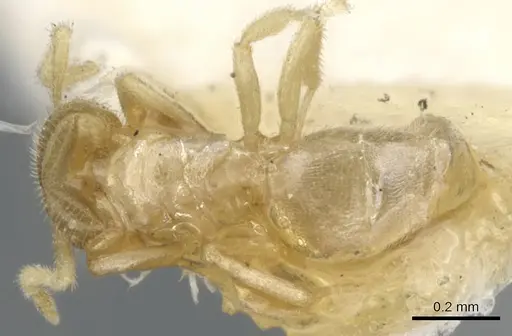
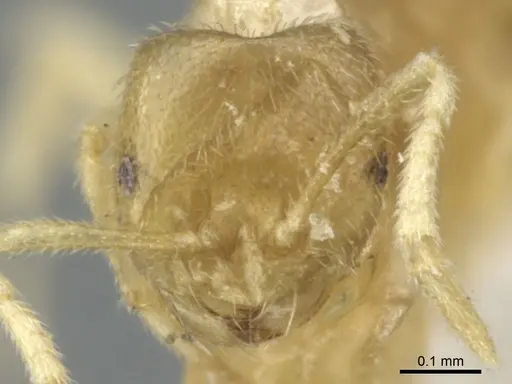
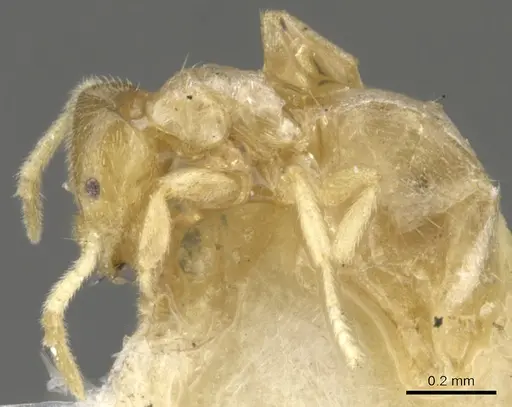
USNMENT00757183
View on AntWeb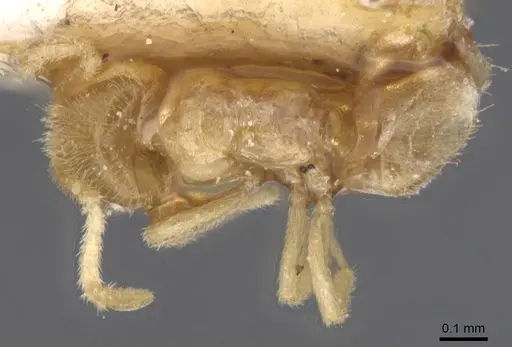
Literature
Loading distribution map...Loading products...