
Bothroponera berthoudi
- Sci. Name
- Bothroponera berthoudi
- Tribe
- Ponerini
- Subfamily
- Ponerinae
- Author
- Forel, 1901
- Distribution
- Found in 8 countries
Introduction
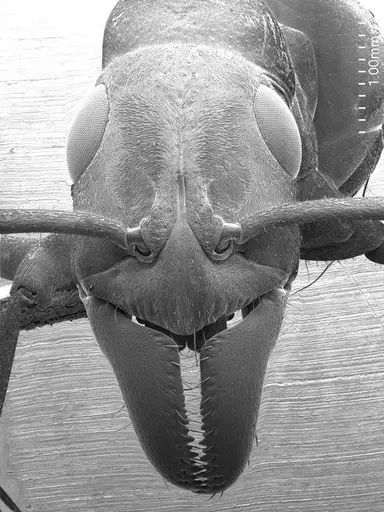
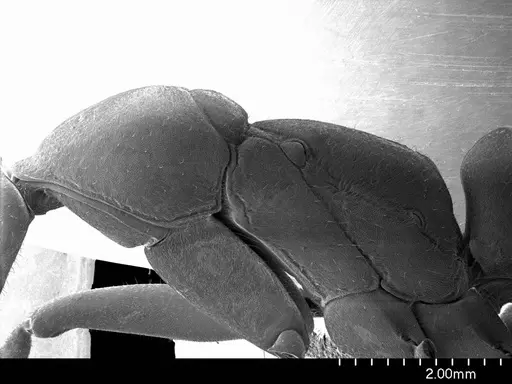
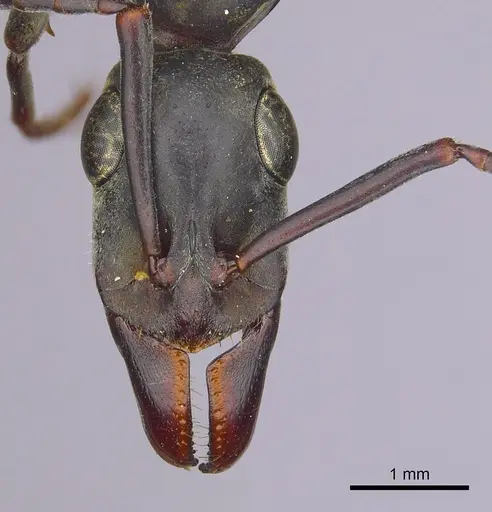
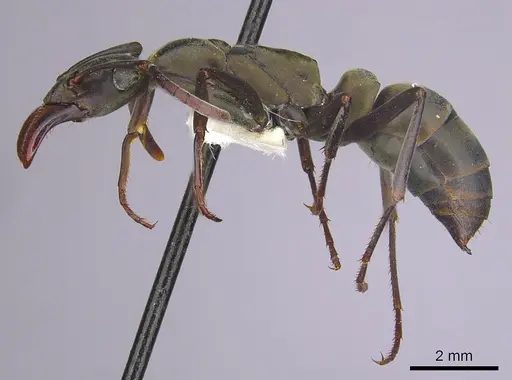
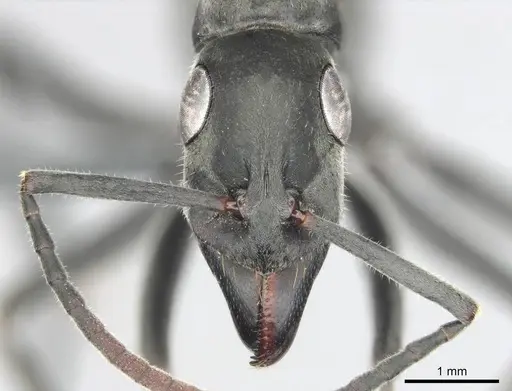
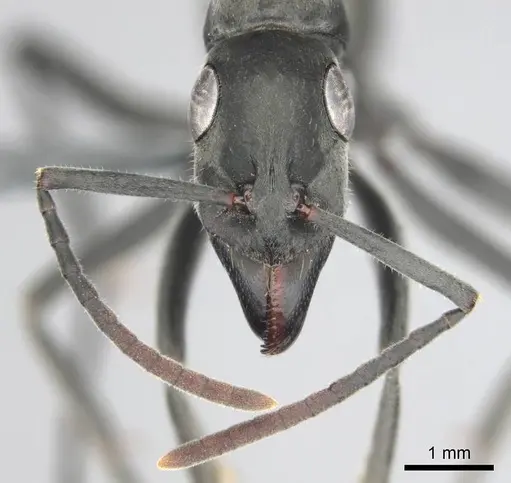
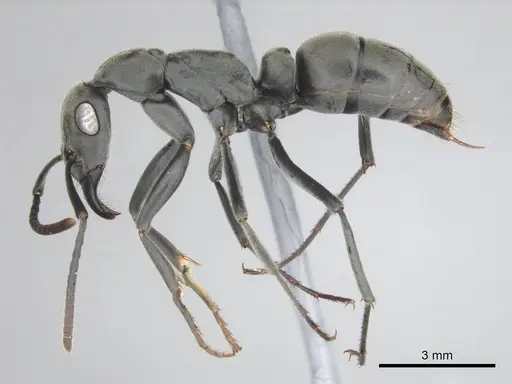
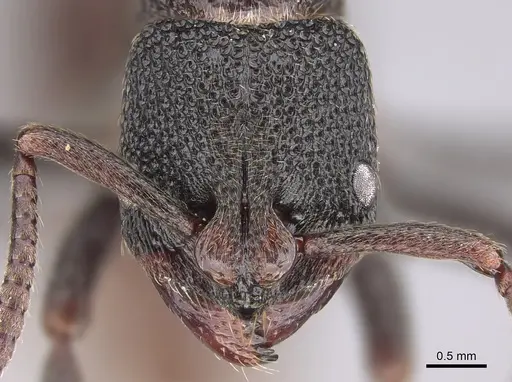
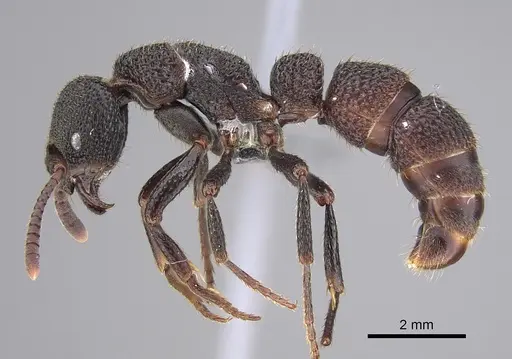
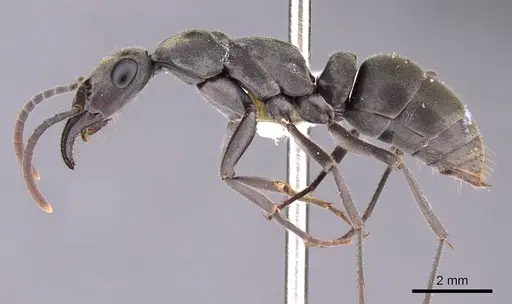
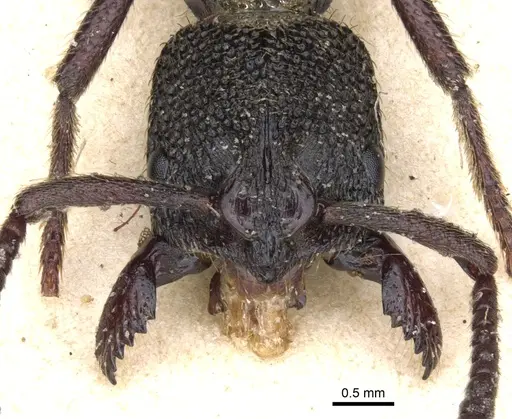
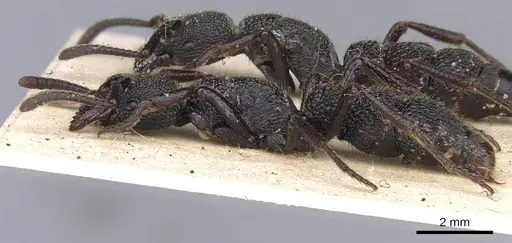
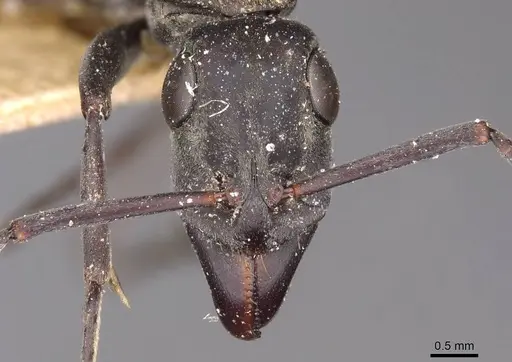
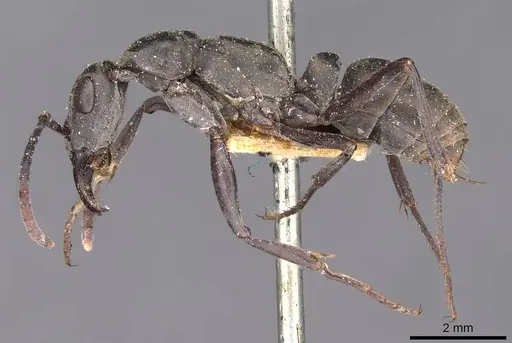
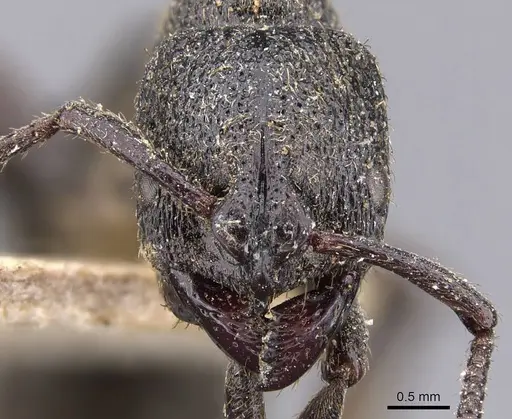
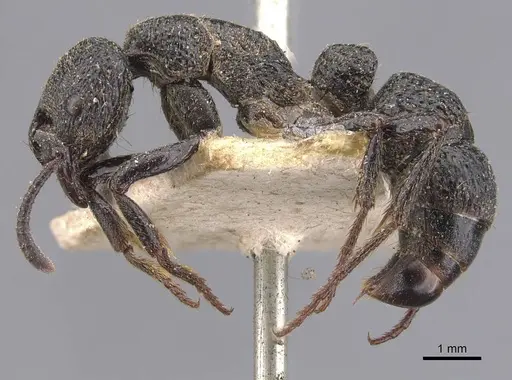
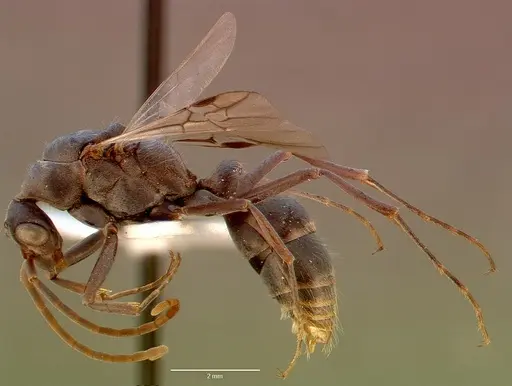
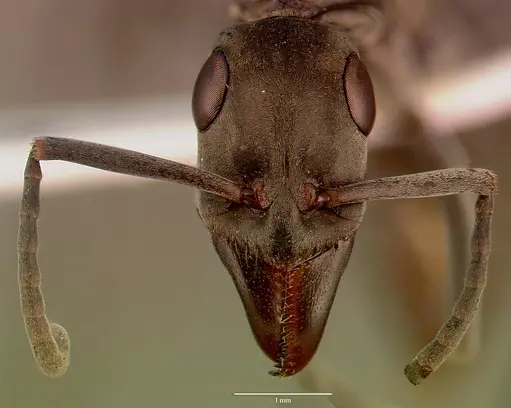
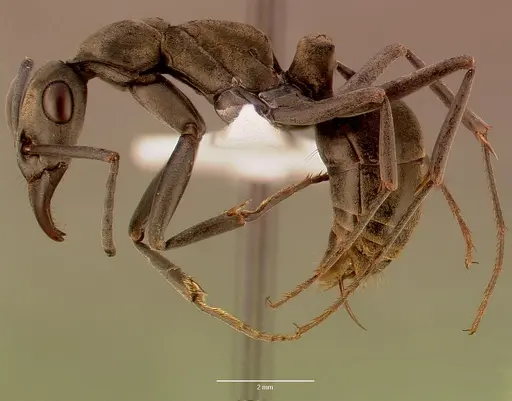
Bothroponera berthoudi is a large African ant native to southern Africa, specifically South Africa and Eswatini. Workers measure 9.60-12.00 mm in total length and have a distinctive appearance with a black body, brownish-black legs and antennae, and reddish-brown mandibles . The species belongs to the Bothroponera pumicosa species complex and is found in open habitats like savanna, thornveld, and farmland [AntWiki]. Unlike most ant species, B. berthoudi is queenless - reproduction is handled by gamergates, which are workers that have developed the ability to lay eggs . This makes them fascinating for antkeepers interested in alternative social structures.
Quick Summary
- Difficulty: Medium
- Origin & Habitat: Southern Africa (South Africa, Eswatini), found in open habitats like savanna, thornveld, and farmland [2]
- Colony Type: Queenless, colonies are led by gamergates (reproductive workers). Multiple gamergates per colony, typically 1-46 individuals depending on colony size. Polydomous colonies with 1-7 connected nests [3].
- Size & Growth:
- Queen: No queen, gamergates are reproductive workers [3]
- Worker: 9.60-12.00 mm [1]
- Colony: Average 91 workers in field colonies, range 20-207 [4]
- Growth: Moderate
- Development: Unknown, development time has not been specifically studied for this species (Virgin worker-laid eggs can develop but typically don't hatch in the presence of gamergates. Only gamergate-laid eggs or eggs separated from gamergates will develop into workers [4].)
- Antkeeping:
- Temperature: Keep at 24-28°C, they originate from warm African habitats. A gentle heat gradient allows them to regulate temperature [2]
- Humidity: Moderate humidity around 50-60%. They come from savanna and thornveld habitats which are not extremely wet. Provide a moisture gradient with a damp section and drier areas [2]
- Diapause: No, as an African species from a warm climate, they do not require hibernation. Keep them at stable warm temperatures year-round [2]
- Nesting: Polydomous nesting in nature, they use multiple connected nests. In captivity, provide a spacious formicarium with multiple chambers. Y-tong nests or naturalistic setups with soil work well. They prefer darker nesting areas [3]
- Behavior: These ants are predatory, primarily hunting small invertebrates like termites [5]. They forage solitarily rather than in groups. Workers are moderately aggressive when defending the nest but are not particularly territorial. They have a functional stinger and can deliver a painful sting. Escape risk is moderate, they're large ants but not particularly agile climbers. Still, use standard barrier methods.
- Common Issues: queenless colonies can be confusing for beginners, there is no queen, only gamergates that reproduce, gamergate dynamics are complex, colonies with high proportions of reproductive workers have lower individual egg production, virgin workers may lay eggs but they typically don't hatch when gamergates are present, this can be mistaken for infertility, slow colony growth compared to queen-right species may frustrate some keepers, predatory diet means they need live prey regularly, they cannot survive on sugar alone
Understanding the Queenless Colony Structure
Bothroponera berthoudi is one of the fascinating queenless ant species, there is no queen in these colonies. Instead, reproduction is handled by gamergates, which are workers that have developed functional ovaries and can lay eggs [3]. This is a fundamentally different social structure from most ant species kept in captivity. In field colonies, gamergate numbers range from just 1 to as many as 46 individuals, making up 1-27% of the total worker population [3]. The proportion of gamergates varies based on colony conditions, in colonies with many gamergates, each individual has lower fecundity, while colonies with fewer gamergates have more fertile individuals [4]. This flexible system allows the colony to adjust reproductive output based on its size and resources. Workers specialize either in work inside or outside the nest, with clear patterns of temporal polyethism [3].
Housing and Nest Setup
These ants need a spacious setup due to their polydomous nature in the wild, colonies maintain 1-7 connected nests [3]. In captivity, provide a formicarium with multiple chambers connected by tunnels. Y-tong nests work well, or you can use a naturalistic setup with soil and decorative elements. They prefer darker nesting areas and will often nest in the most shaded sections. Because they're large ants (9-12mm), they need appropriately sized chambers, too small and they'll feel cramped. Include a deep water reservoir in the outworld for drinking, and ensure the nest has good drainage to prevent flooding. A foraging area of at least 20x20cm is recommended for larger colonies.
Feeding and Diet
Bothroponera berthoudi is predatory, primarily hunting small prey like termites in the wild [5]. They forage solitarily rather than in groups, so you'll need to provide individual prey items. Their diet should consist mainly of live insects, termites, small crickets, fruit flies, and other small arthropods are ideal. They have a functional stinger and use it to subdue prey. While they may accept some sugar sources, protein-rich live prey is essential for colony growth and gamergate health. Feed prey items 2-3 times per week for established colonies, and ensure any uneaten prey is removed within 24 hours to prevent mold. A constant water source is also important.
Temperature and Humidity Requirements
As an African species from savanna and thornveld habitats, B. berthoudi needs warm conditions. Keep the nest area at 24-28°C, with a gentle gradient allowing workers to choose their preferred temperature. A heating cable or mat on one side of the nest can create this gradient, place it on top of the nest to warm the area without excessive drying. Humidity should be moderate, around 50-60% in the nest. These ants are not from extremely wet environments, so avoid overly damp conditions that could cause mold. Provide a water dish in the outworld for drinking. Unlike temperate species, they do not require any winter cooling period, maintain warm temperatures year-round. [2]
Colony Dynamics and Reproduction
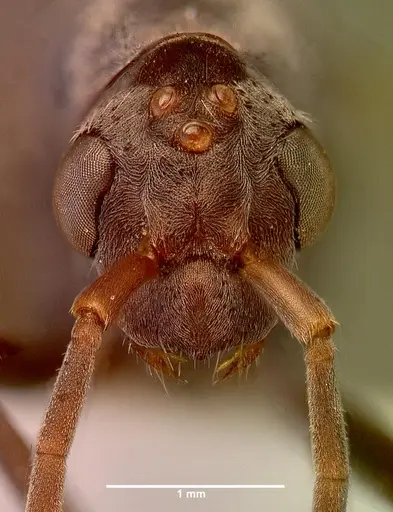
The reproductive biology of this species is complex and differs from typical ants. Gamergates (reproductive workers) do most of their resting inside the nest and rarely venture outside [3]. When gamergate proportions are high (over 10% of the colony), they participate in colony tasks like brood care. When proportions are low, they rest most of the time and contribute little to labor [3]. Virgin workers can develop ovaries and lay eggs, but these eggs typically don't hatch when gamergates are present, this appears to be a regulatory mechanism [4]. If you want to try breeding them, separating virgin-laid eggs from gamergates by a double mesh barrier can allow them to develop. Males are active from January to March in the wild [3].
Handling and Temperament
These ants have a functional stinger and can deliver a painful sting if provoked. They are not aggressive toward humans when undisturbed, but will defend their nest if threatened. Workers are moderately large and relatively slow-moving compared to some ponerines. They are not particularly good climbers, so standard barrier methods like fluon on container rims should prevent escapes. When caring for them, avoid disturbing the nest frequently, they prefer stability and will thrive with minimal interference. Observe from a distance rather than handling directly. Their interesting behavioral repertoire includes the complex gamergate interactions and solitary foraging patterns that make them fascinating to watch. [3][5]
Frequently Asked Questions
Does Bothroponera berthoudi have a queen?
No, this is a queenless species. Reproduction is handled by gamergates, which are workers that have developed the ability to lay eggs. There is no queen in the colony, this is a fundamentally different social structure from most ant species [3].
How long does it take for first workers to appear?
Exact development time has not been studied for this species. Growth is moderate, don't expect the fast development you might see in species like Lasius or Camponotus. The key factor is that only eggs laid by gamergates (or eggs physically separated from gamergates) will develop into workers [4].
Can I keep multiple queens together?
This question doesn't apply to B. berthoudi because there is no queen. Instead, colonies have multiple gamergates (reproductive workers). In the wild, colonies contain 1-46 gamergates depending on colony size. In captivity, you can keep a colony with multiple gamergates, they naturally coexist without aggression [3].
What do Bothroponera berthoudi eat?
They are predatory ants that primarily hunt small invertebrates. Termites are their natural prey, but they will accept small crickets, fruit flies, and other small insects. They forage solitarily, so offer prey items individually. They may accept some sugar sources but protein-rich live prey is essential for colony health [5].
Are Bothroponera berthoudi good for beginners?
This species is intermediate in difficulty. The queenless system can be confusing for those used to queen-right species, and their predatory diet requires more effort than simply providing sugar water. However, they are not particularly aggressive and have straightforward temperature needs. Expect moderate growth rates and be prepared for their unique reproductive biology [3].
Do they need hibernation?
No, they do not require hibernation. As an African species from warm climates, they need consistent warm temperatures year-round (24-28°C). Attempting to cool them for winter could harm the colony. Keep them at room temperature or provide gentle heating continuously [2].
Why aren't the eggs my colony lays hatching?
This is normal for this species. Virgin workers can lay eggs, but these eggs typically don't hatch when gamergates are present, this appears to be a regulatory mechanism where gamergates suppress virgin reproduction [4]. Only eggs laid by gamergates (or eggs separated from gamergates) will develop. This is not a problem with your colony, it's how the species regulates reproduction.
How big do colonies get?
Field colonies average about 91 workers, with a range of 20-207 workers [4]. In captivity, colonies of similar size are achievable with proper care. They are polydomous in the wild, maintaining multiple connected nests, so provide enough space for expansion as your colony grows.
When should I move them to a formicarium?
You can keep them in a test tube setup for the founding stage, but because they don't have a claustral queen, the colony starts with multiple workers. Move to a formicarium when the colony reaches 15-20 workers or when the test tube becomes cramped. They prefer darker nesting areas, so cover the nest with a dark cloth or use a nest with limited light exposure.
Report an Issue
The current care sheet is based fully on literature. See inconsistencies, or something that's incorrect? Please , it will be resolved after review from an admin. Contributing to the blogs tab also helps providing information, to make us be able to further improve the caresheets. Thank you for your support!
References

This caresheet is licensed under CC BY-SA 4.0 .
Community Blogs
ANTWEB1008562
View on AntWeb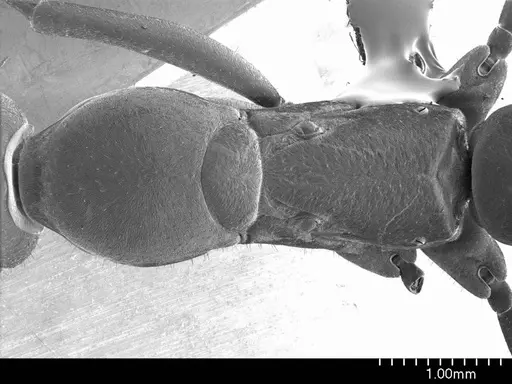
CASENT0249198
View on AntWeb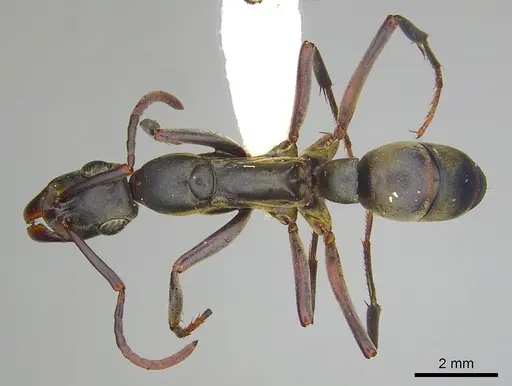
CASENT0250169
View on AntWeb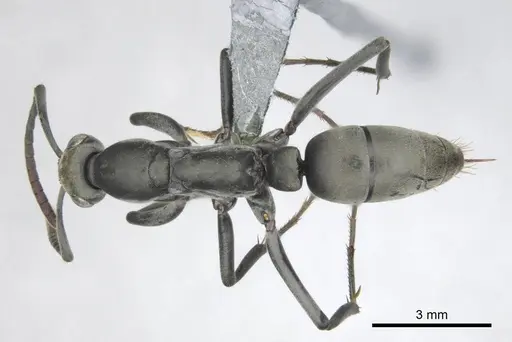
CASENT0887832
View on AntWeb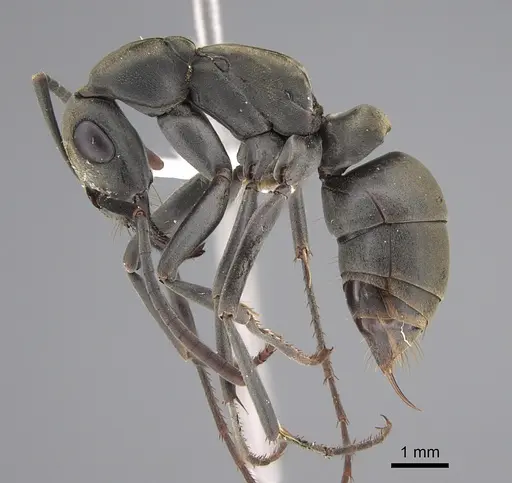
CASENT0888218
View on AntWeb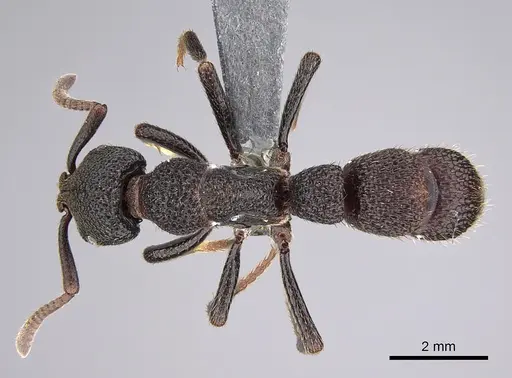
CASENT0900951
View on AntWeb
CASENT0902470
View on AntWeb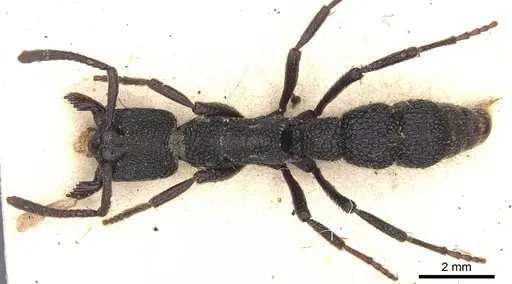
CASENT0907233
View on AntWeb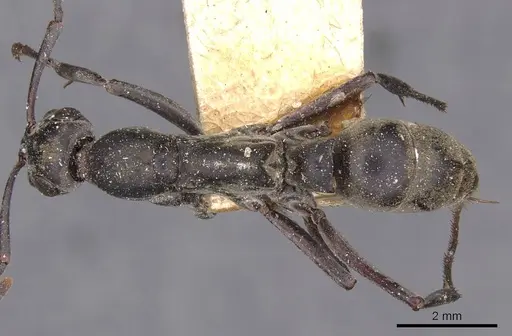
CASENT0907251
View on AntWeb
SAM-HYM-C007347A
View on AntWeb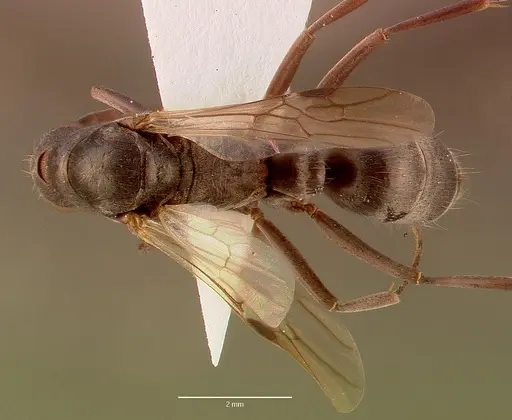
SAM-HYM-C007394A
View on AntWeb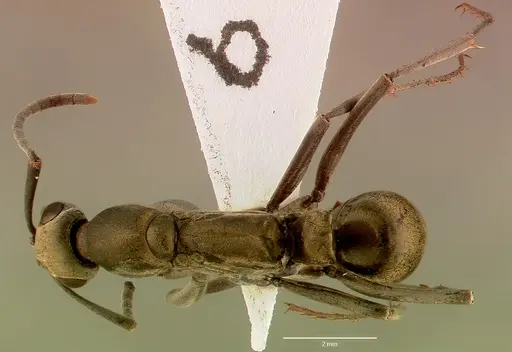
Literature
Loading distribution map...Loading products...