
Bothriomyrmex corsicus
- Sci. Name
- Bothriomyrmex corsicus
- Tribe
- Bothriomyrmecini
- Subfamily
- Dolichoderinae
- Author
- Santschi, 1923
- Distribution
- Found in 9 countries
Introduction
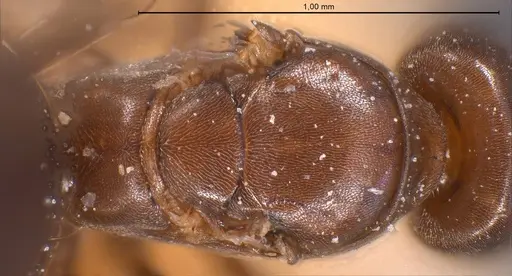
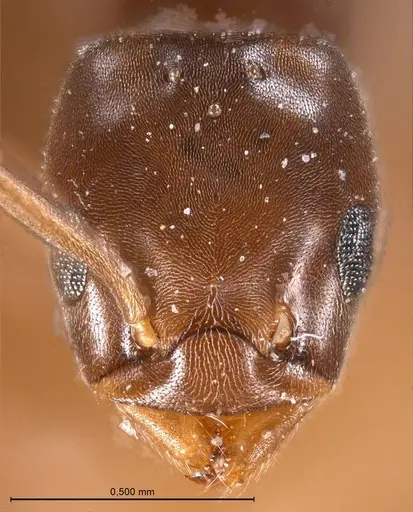
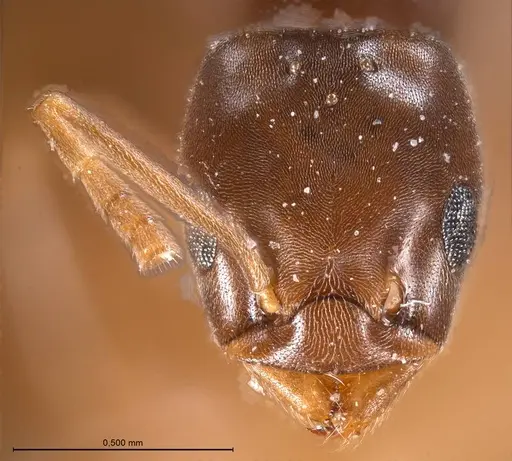
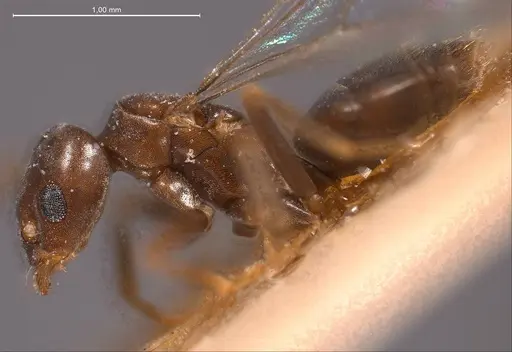
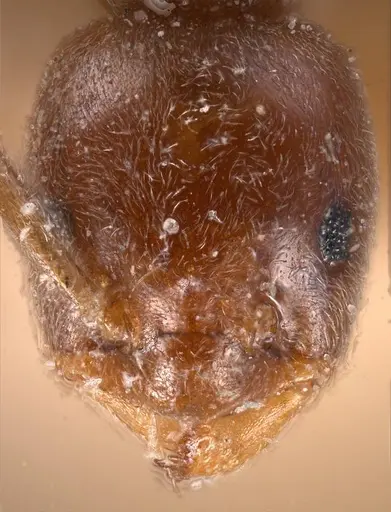
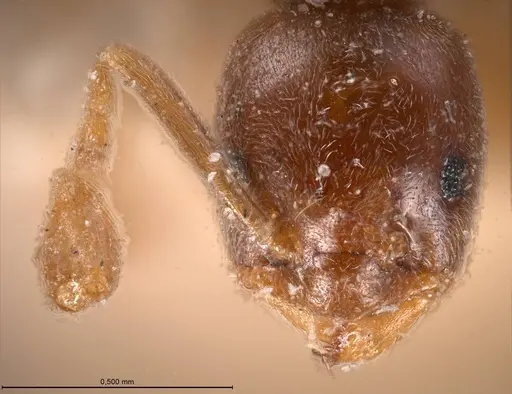
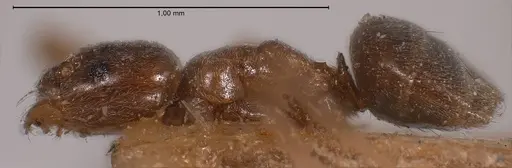
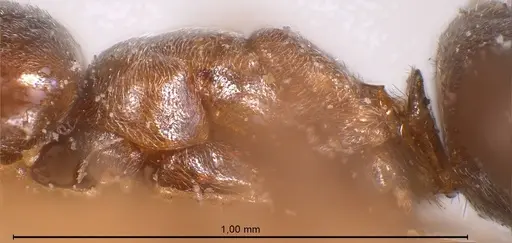
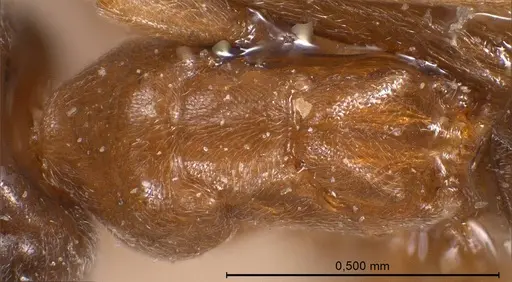
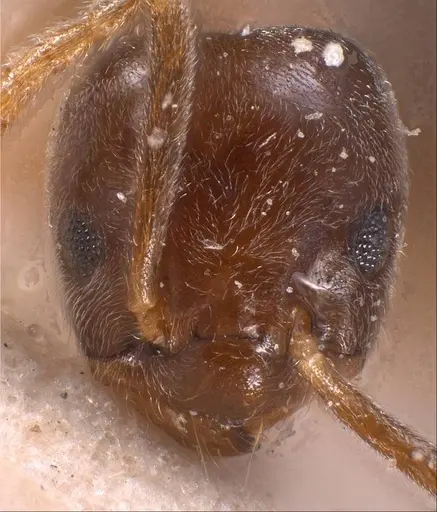
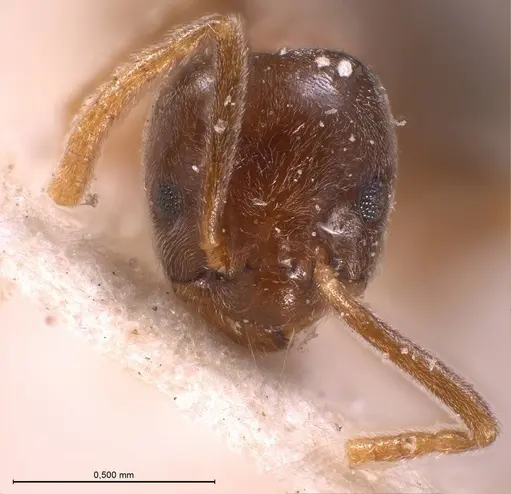
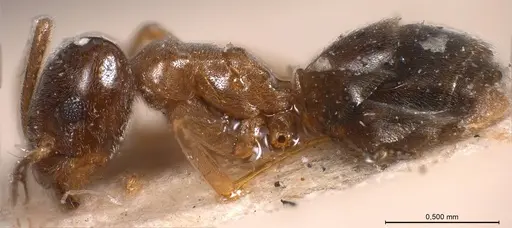
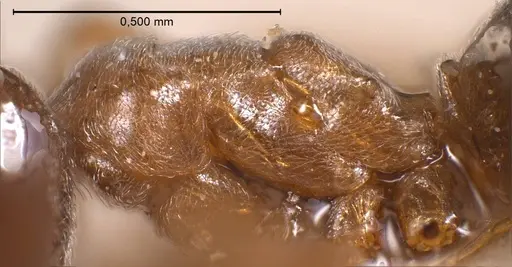
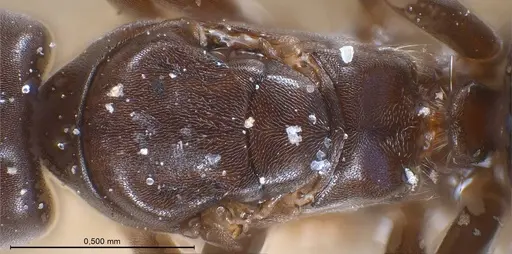
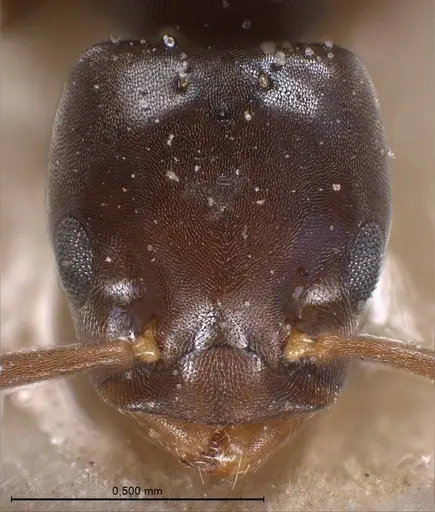
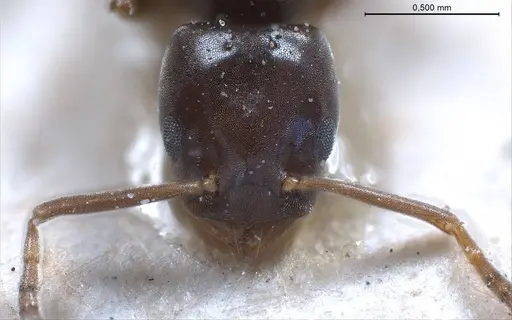
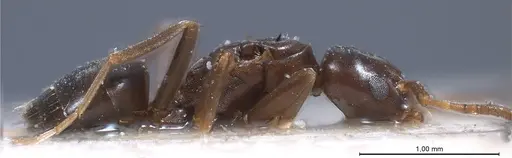
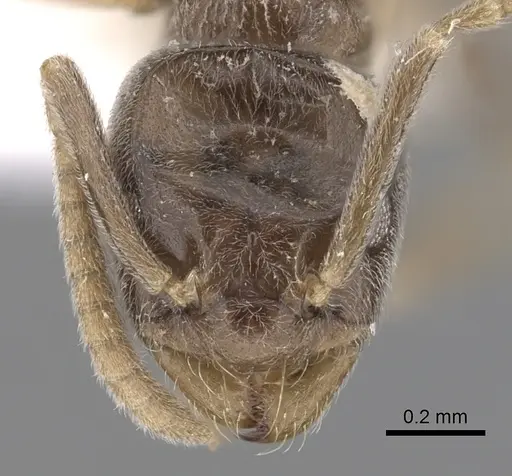
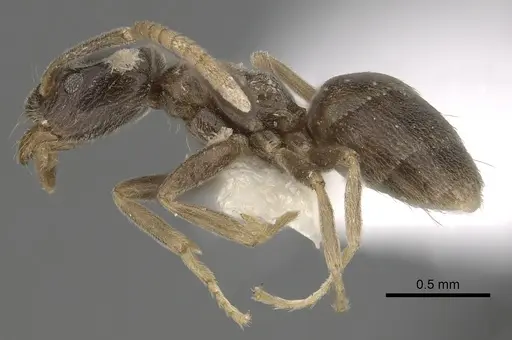
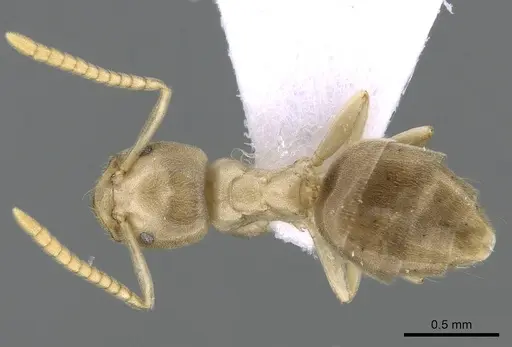
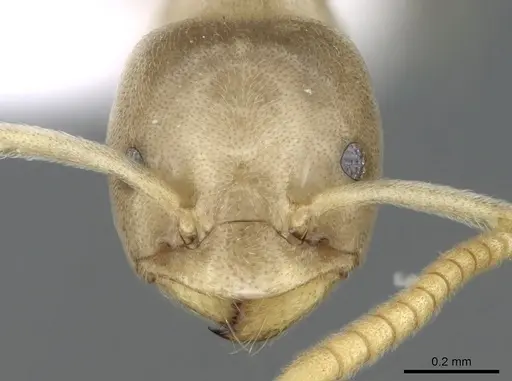
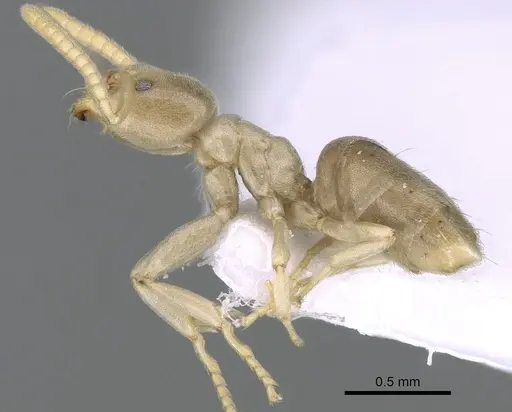
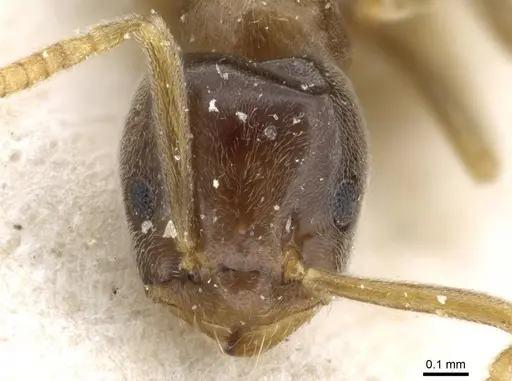
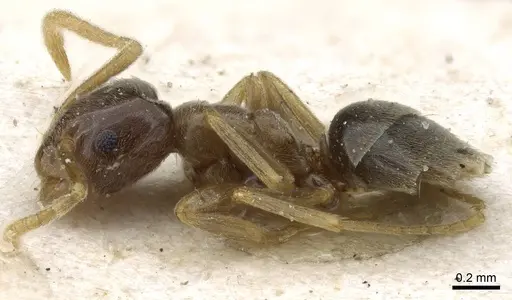
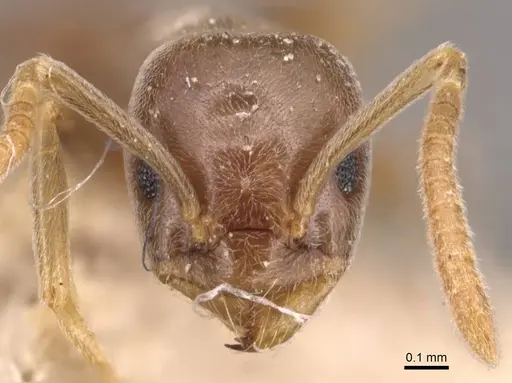
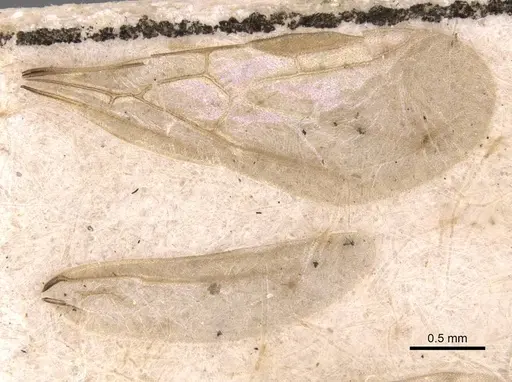
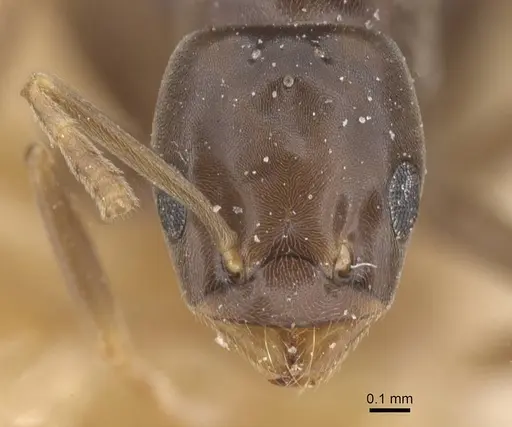
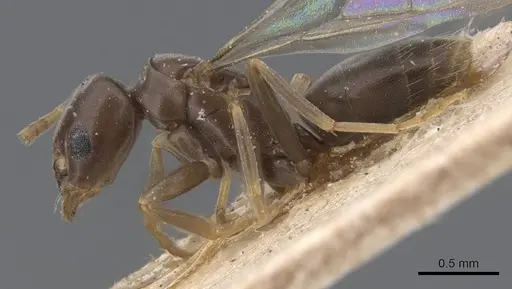
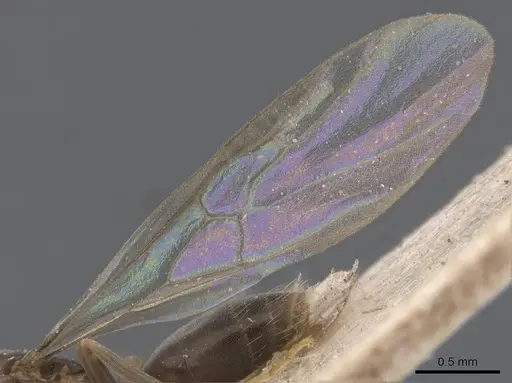
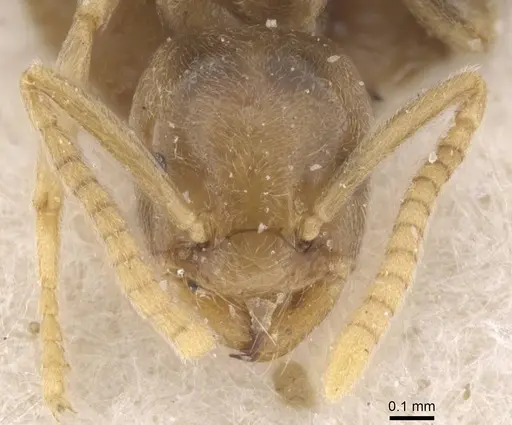
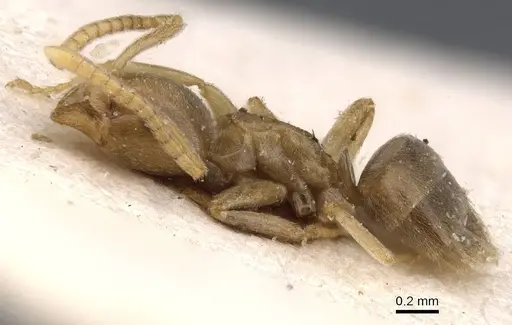
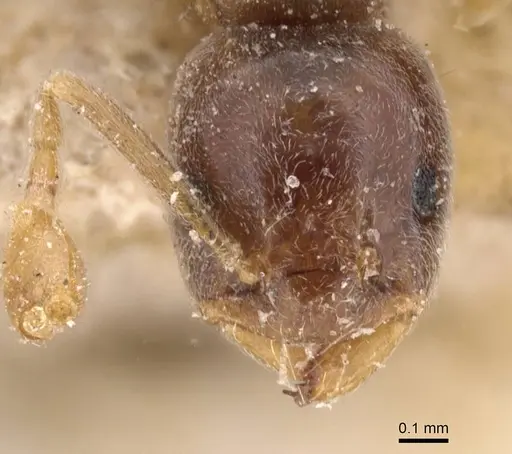
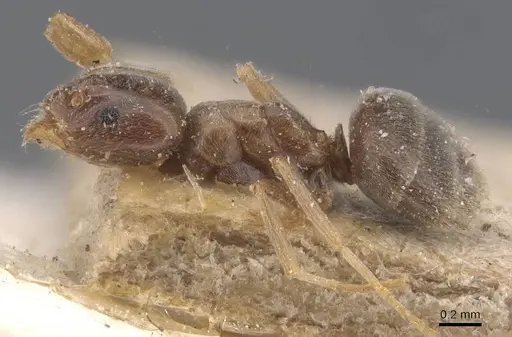
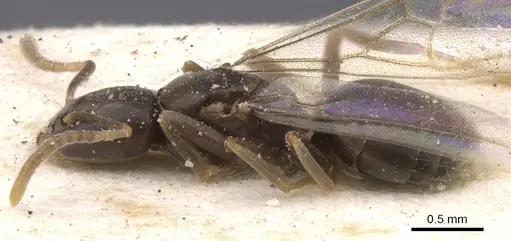
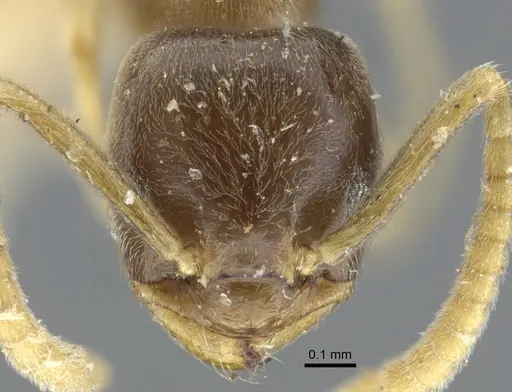
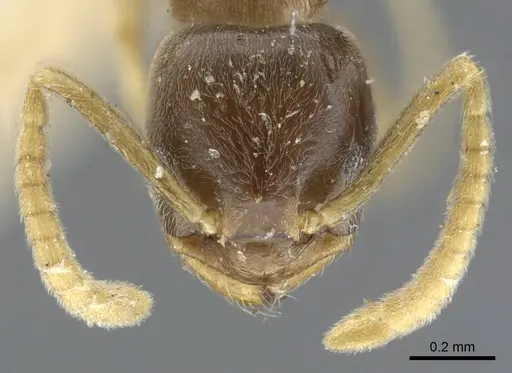
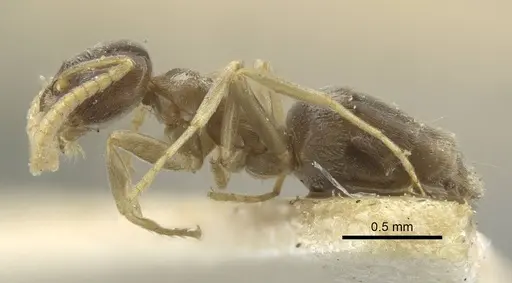
Bothriomyrmex corsicus is a small, yellow Dolichoderine ant native to the Mediterranean region and parts of Central Europe. Workers are uniformly yellow including antennae and legs, with a slightly elongated head and trapezoidal clypeus . This species is a temporary social parasite of Tapinoma ants, where the queen invades host colonies, kills the host queen, and uses host workers to raise her brood . Size data unavailable for full body length; workers are small based on head measurements .
Quick Summary
- Difficulty: Expert
- Origin & Habitat: Mediterranean and Central Europe, found across southern France, Corsica, Italy, Slovenia, Switzerland, Austria, Czech Republic, Slovakia, Kosovo, Romania, Bulgaria, Greece, and Turkey. In Greece, they occur at 210-850m elevation in pastures with shrubs and luminous deciduous forest, nesting under stones in warm, dry, open areas [4][5][1].
- Colony Type: Monogynous temporary social parasite of Tapinoma species. Colonies have a single queen and rely on host workers until their own workers emerge [2][3].
- Size & Growth:
- Queen: Size data unavailable, no total length measurements provided [1][6]
- Worker: Size data unavailable, no total length measurements provided [1]
- Colony: Up to several thousand workers in mature colonies [3]
- Growth: Moderate, dependent on host colony resources
- Development: Unknown, development occurs within host colony after queen adoption (Direct development data unavailable. This parasitic ant's development is tied to host colony resources.)
- Antkeeping:
- Temperature: Keep warm and stable, roughly low-to-mid 20s°C, based on thermophilous nature and mean summer temperatures in native range [6][1]
- Humidity: Provide a humidity gradient, mostly dry nest chamber with one small moist area, as they prefer xerothermous conditions [6]
- Diapause: Unknown, no specific data on winter behavior [6]
- Nesting: In nature, nest under stones in warm, dry areas. In captivity, require introduction to an established Tapinoma host colony [1][3]
- Behavior: Docile and non-aggressive, rely on host workers for defense and foraging. Workers are small and slow-moving. Escape risk is high due to tiny size, use fine mesh barriers [6].
- Common Issues: extreme difficulty establishing colonies, requires successful introduction to live Tapinoma host colony., queen adoption failure, host workers often reject or kill the invading queen., colony collapse if host Tapinoma colony dies or rejects the parasites., tiny size makes escape prevention challenging without proper barriers., virtually unavailable in the antkeeping hobby due to parasitic nature.
Understanding Their Parasitic Lifestyle
Bothriomyrmex corsicus is a temporary social parasite. The queen must find an established Tapinoma colony, infiltrate it, kill or replace the host queen, and use existing host workers to raise her brood [2][3]. Over time, host workers die off and are replaced by Bothriomyrmex workers. This makes them challenging to keep, as you cannot simply set up a founding queen in a test tube [3].
Housing and Colony Establishment
Keeping Bothriomyrmex corsicus requires a functioning Tapinoma host colony. Introduce the parasite queen to an established host colony, though success rates are low. Once established, keep the colony in a standard formicarium with proper escape prevention. The nest should be dry and warm, mimicking their Mediterranean habitat [3][1].
Temperature and Care Requirements
As a thermophilous species, keep the nest at warm, stable temperatures around low-to-mid 20s°C. Humidity should be low to moderate with a gradient, mostly dry nest with a small moist area, as they prefer xerothermous habitats [6][1].
Behavior and Interactions
Once established, workers are docile and non-aggressive, relying on host workers for defense. They are small, slow-moving, and spend time in the nest. The parasitic relationship involves host workers feeding Bothriomyrmex workers via trophallaxis [6].
Why This Species Is Rare in Captivity
Bothriomyrmex corsicus is rarely kept because it cannot be founded without a host colony. Introduction success is low, and the colony is fragile if the host dies. This makes it an expert-level species [3][2].
Frequently Asked Questions
Can I keep Bothriomyrmex corsicus like a normal ant colony?
No. These are temporary social parasites that require a host Tapinoma colony to survive. You cannot keep them in isolation, they will die without host workers [2][3].
How do I establish a Bothriomyrmex corsicus colony?
You need an established Tapinoma colony and introduce the Bothriomyrmex queen. Success rates are low because host workers often reject the queen [3].
What do Bothriomyrmex corsicus eat?
They likely share the Tapinoma diet of honeydew and insects, but rely on host workers for foraging [2].
Are Bothriomyrmex corsicus good for beginners?
No. This is an expert-level species due to its parasitic nature and low success rates [3].
Where can I find Bothriomyrmex corsicus in the wild?
They occur in Mediterranean and Central Europe, nesting under stones in warm, dry areas [4][5].
What happens if the host Tapinoma colony dies?
The Bothriomyrmex colony will also die, as they depend entirely on host workers [3].
How big do Bothriomyrmex corsicus colonies get?
Mature colonies can reach up to several thousand workers, but this is rare in captivity [3].
Do they need hibernation?
Unknown, no specific data on diapause requirements [6].
Report an Issue
The current care sheet is based fully on literature. See inconsistencies, or something that's incorrect? Please , it will be resolved after review from an admin. Contributing to the blogs tab also helps providing information, to make us be able to further improve the caresheets. Thank you for your support!
References

This caresheet is licensed under CC BY-SA 4.0 .
Community Blogs
ANTWEB1008368
View on AntWeb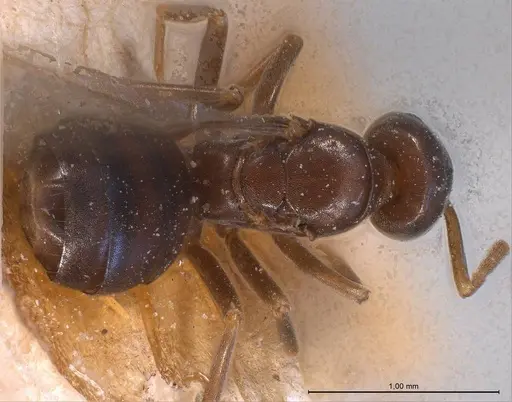
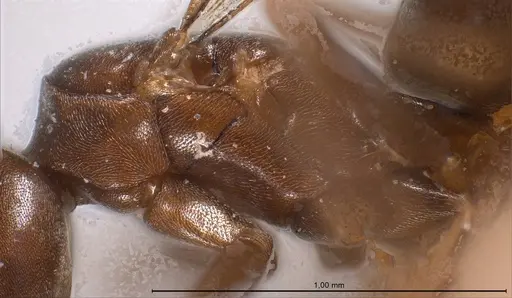
ANTWEB1008372
View on AntWeb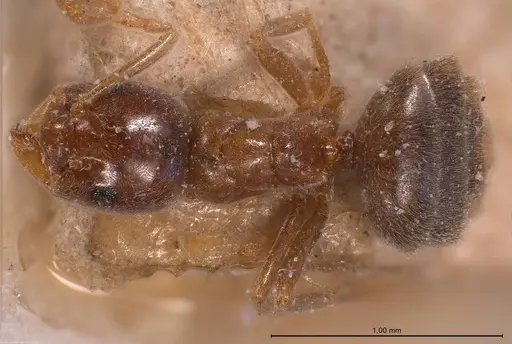
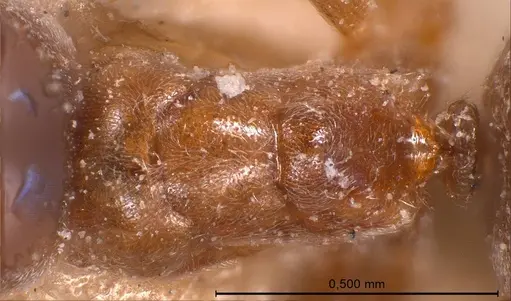
ANTWEB1008374
View on AntWeb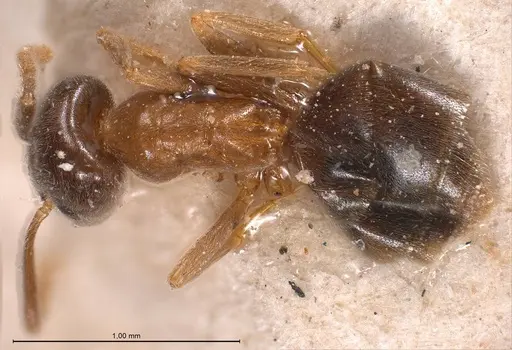
ANTWEB1008375
View on AntWeb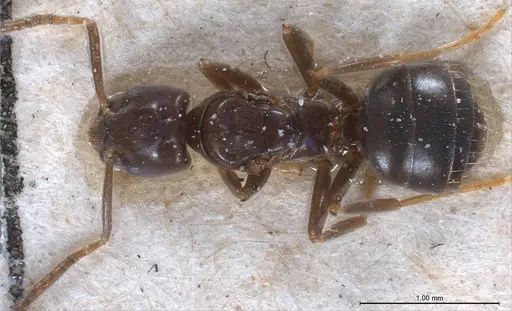
CASENT0249556
View on AntWeb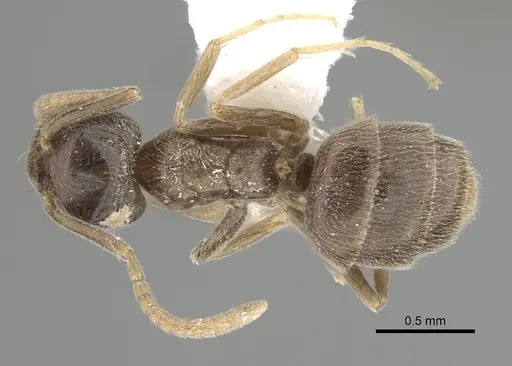
CASENT0281571
View on AntWeb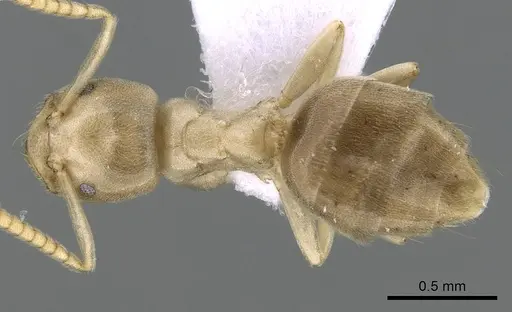
CASENT0905118
View on AntWeb
CASENT0905119
View on AntWeb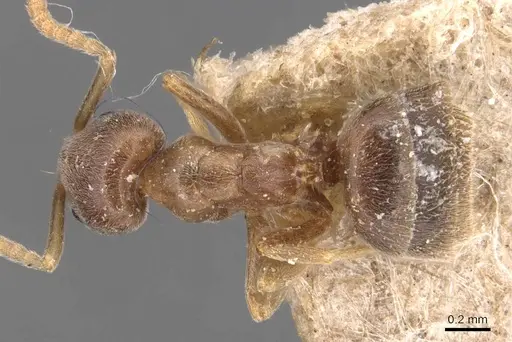
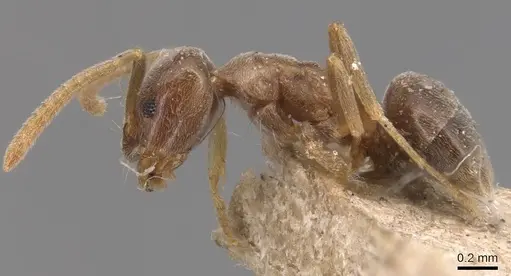
CASENT0905122
View on AntWeb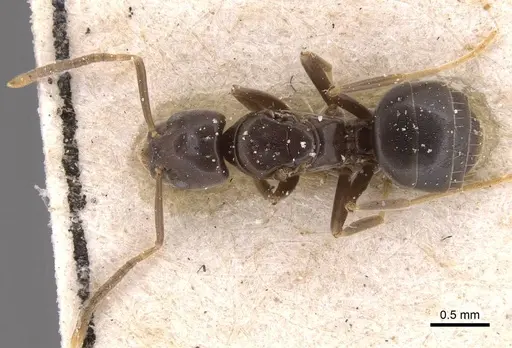
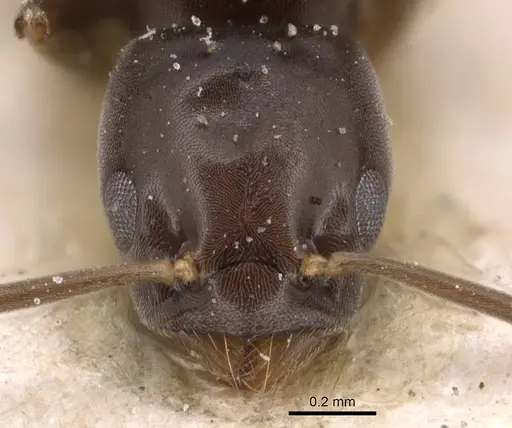
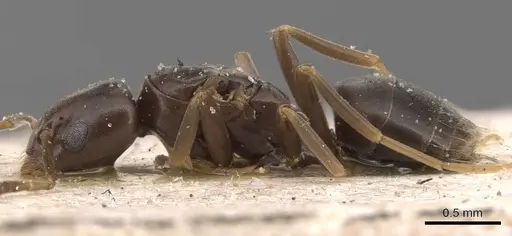
CASENT0911471
View on AntWeb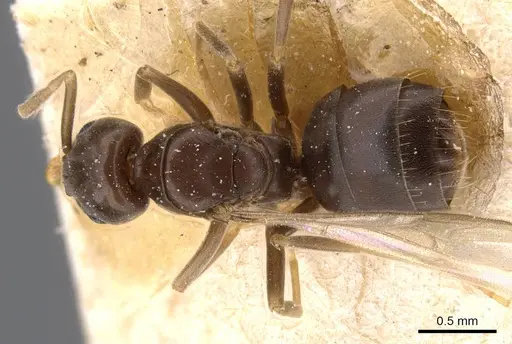
CASENT0911472
View on AntWeb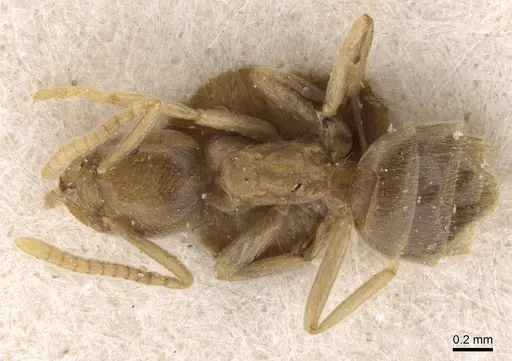
CASENT0911480
View on AntWeb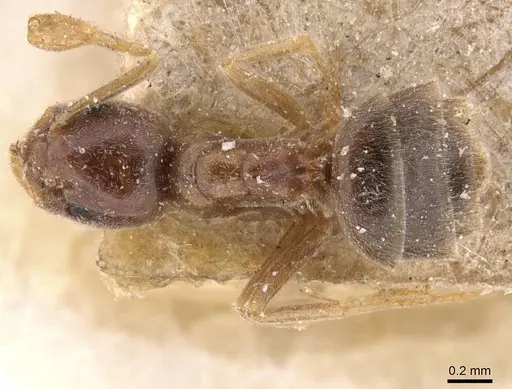
CASENT0911481
View on AntWeb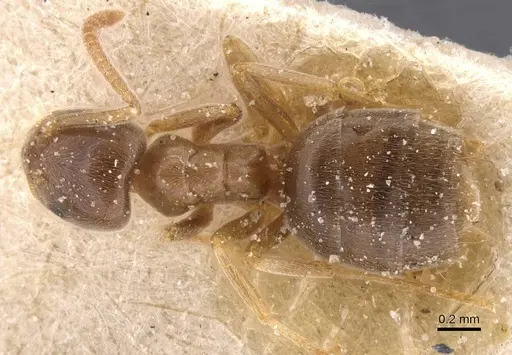
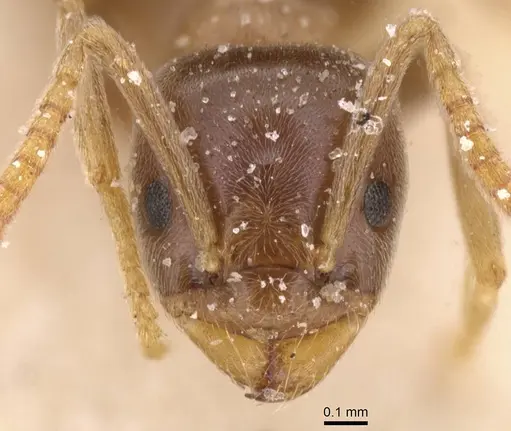
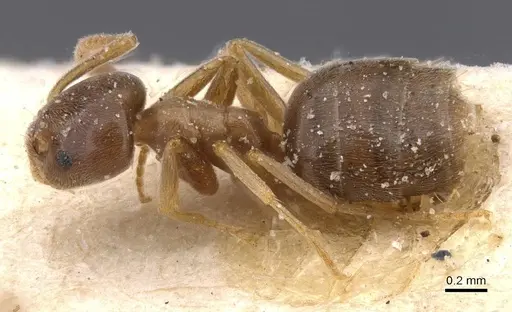
CASENT0911484
View on AntWeb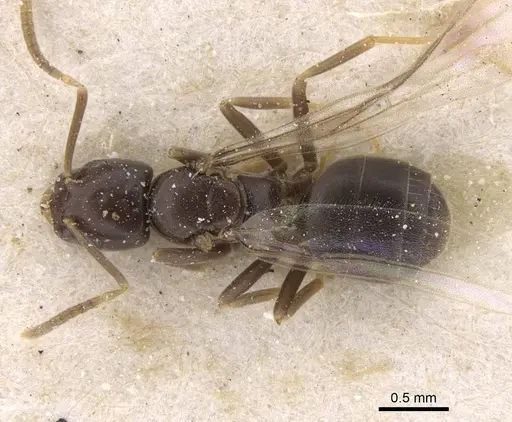
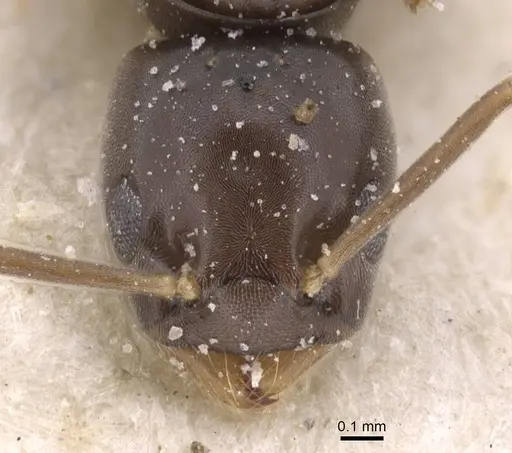
CASENT0917119
View on AntWeb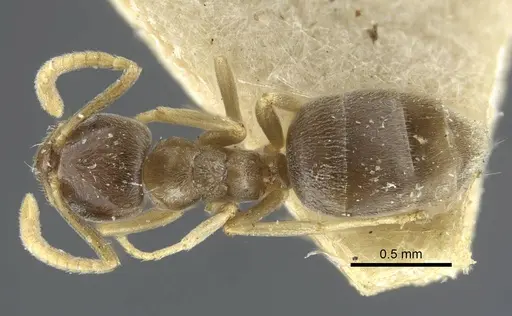
Literature
Loading distribution map...Loading products...