
Azteca velox
- Sci. Name
- Azteca velox
- Tribe
- Leptomyrmecini
- Subfamily
- Dolichoderinae
- Author
- Forel, 1899
- Distribution
- Found in 4 countries
Introduction
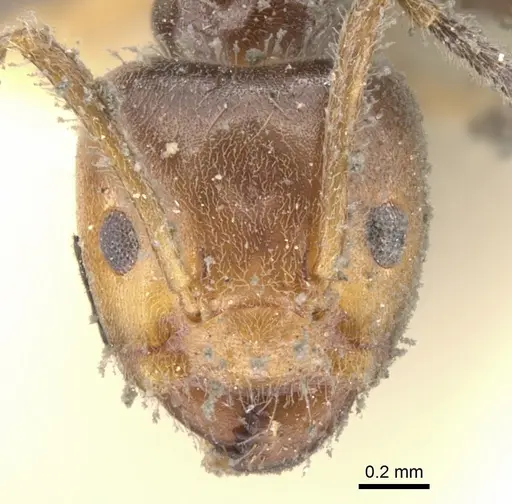
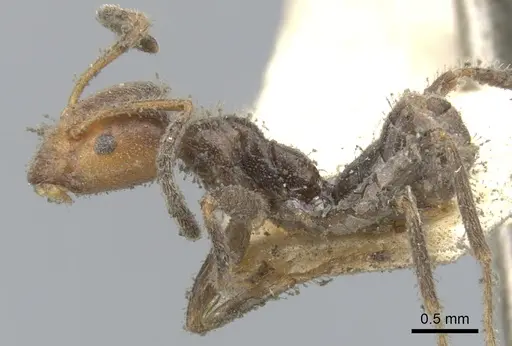
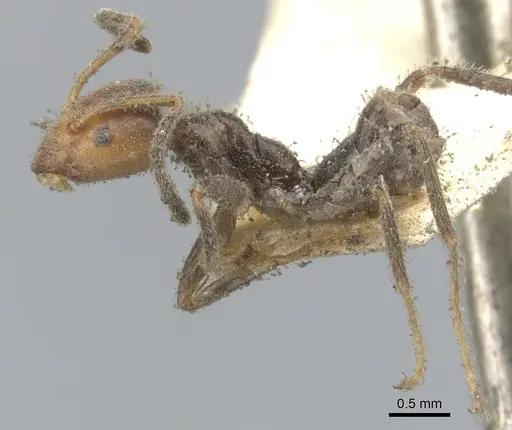
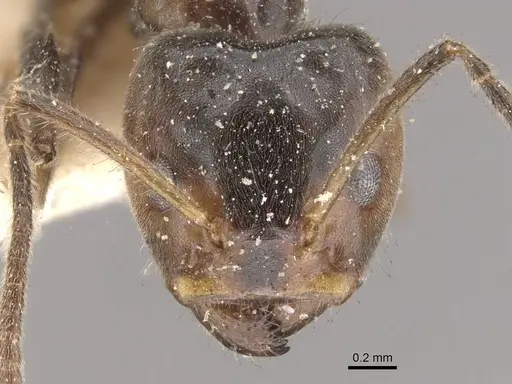
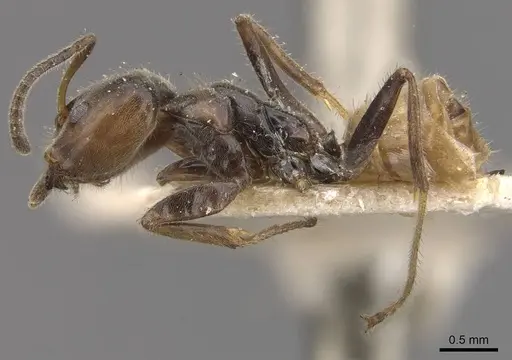
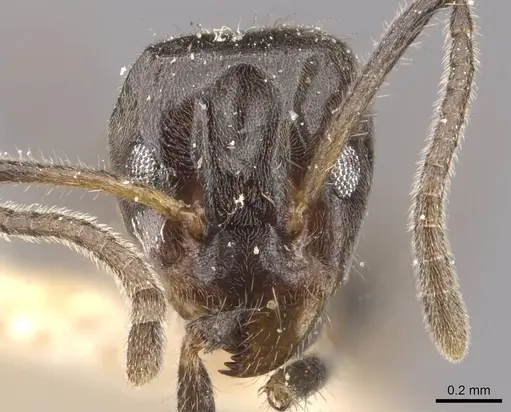
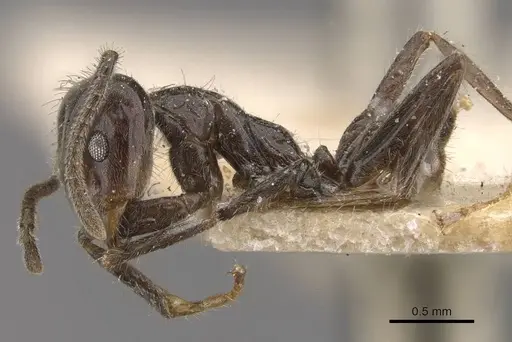
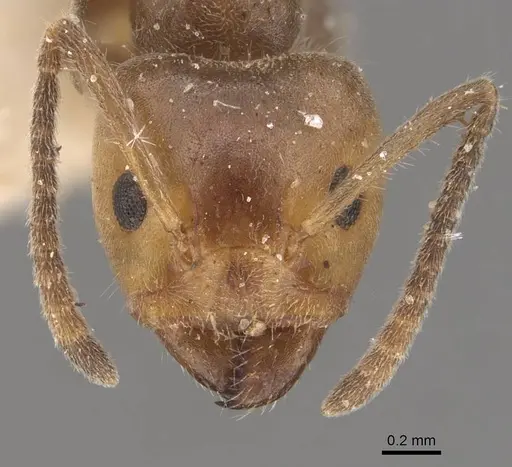
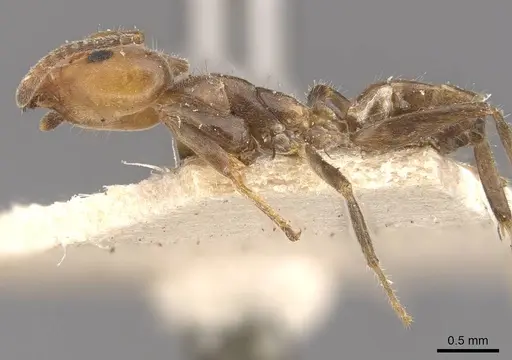
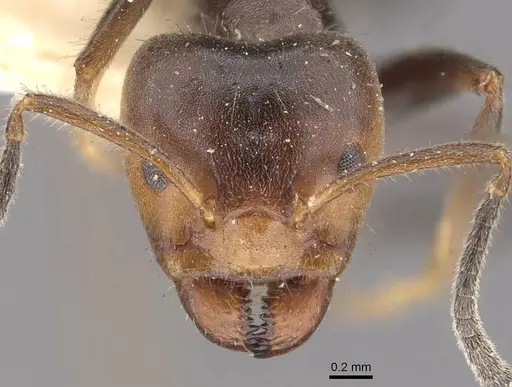
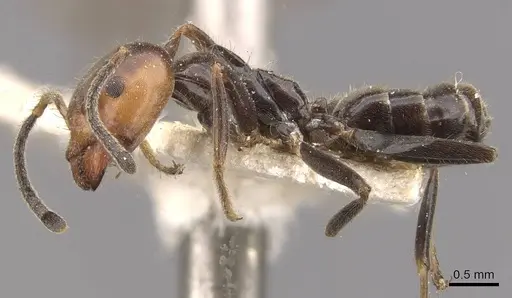
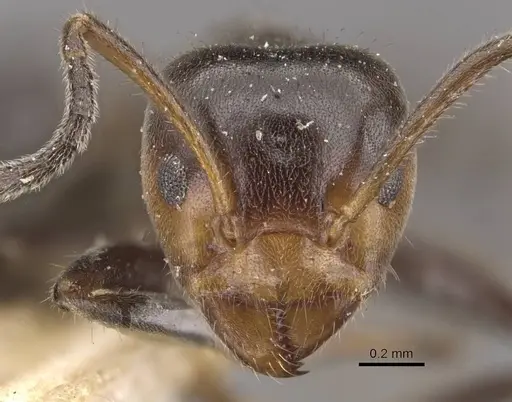
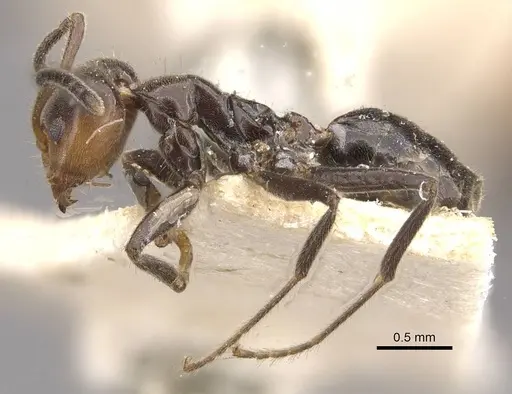
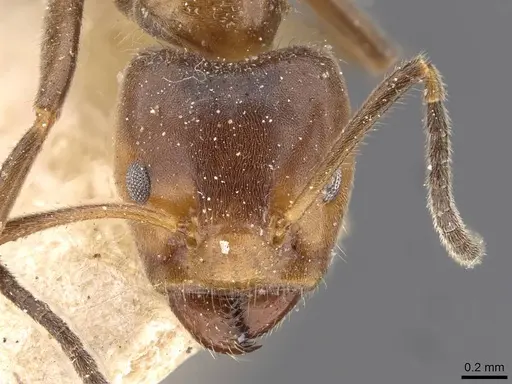
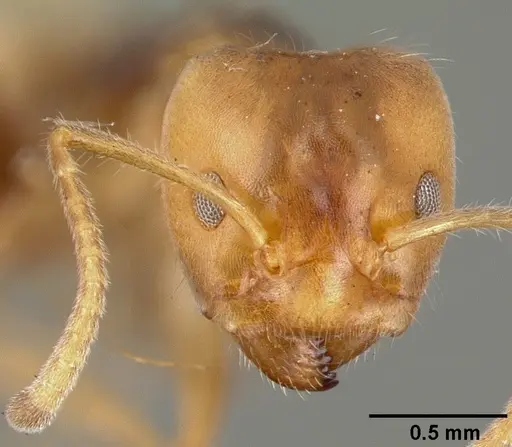
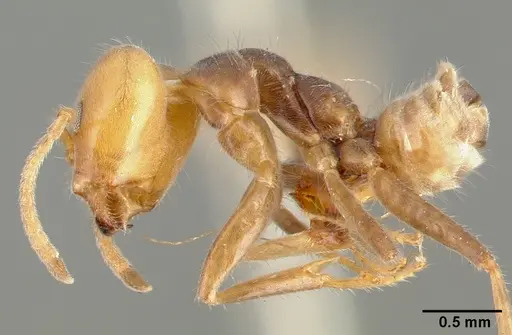
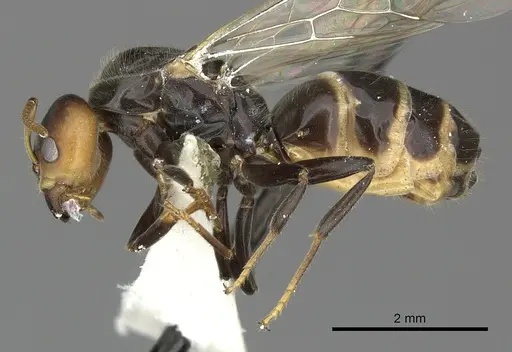
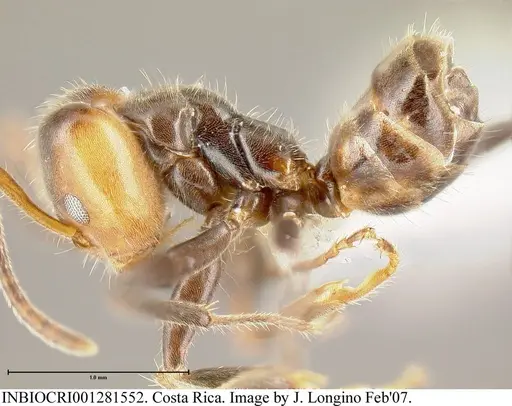
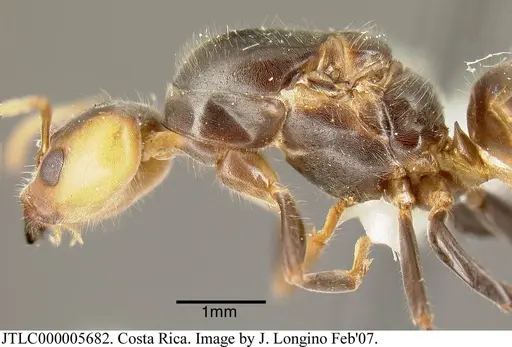
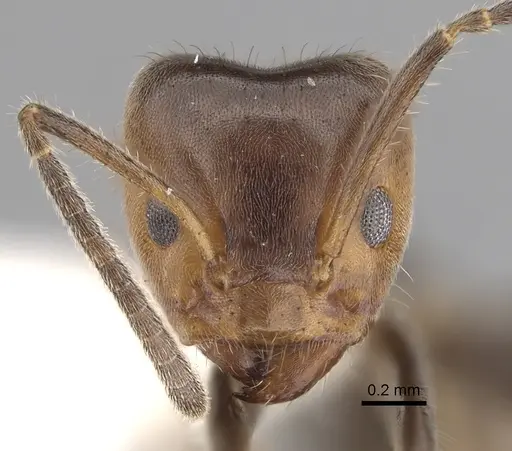
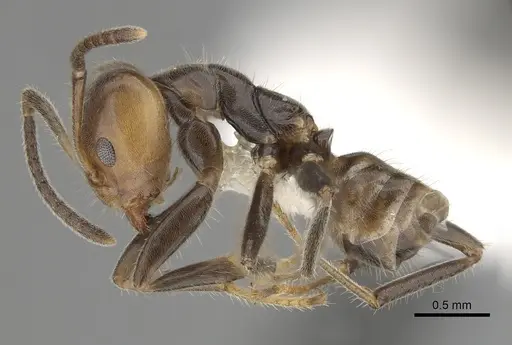
Azteca velox is a small arboreal ant from the Neotropics, ranging from Mexico down to Brazil and Venezuela . Workers are 2.4-4.2 mm long, with light yellow‑brown heads and mesosomas and darker brown gasters . Queens are larger (total length not documented, only head measurements are available). This species is most abundant in seasonally dry areas, synanthropic habitats, and beach margins . Unlike ground‑nesting ants, *A. velox* lives entirely above ground - colonies nest in hollow plant stems (both live and dead) and build globular carton nests as extensions . They also form facultative associations with myrmecophytic orchids like *Caularthron bilamellatum*, where queens often nest inside the orchid pseudobulbs .
Quick Summary
- Difficulty: Medium
- Origin & Habitat: Neotropical region from Mexico to Colombia, Venezuela, and Brazil, including Costa Rica, Panama, Ecuador, Guatemala, Nicaragua, Guyana, Suriname, French Guiana, and Trinidad [1][5]. Found most abundantly in seasonally dry areas, synanthropic (human‑disturbed) habitats, and beach margins [1].
- Colony Type: Polydomous colonies, nests are dispersed across multiple plant cavities in both live and dead stems. Incipient colonies have a single physogastric queen with workers and brood spread among different nodes or internodes [1]. This suggests a single‑queen (monogyne) structure, though mature colonies haven't been thoroughly studied.
- Size & Growth:
- Queen: Total length not documented (only head measurements are available). Queens are estimated to be notably larger than workers, likely around 4-6 mm based on related Azteca species.
- Worker: 2.4-4.2 mm total length [2] (mean body size ~4.67 mm from one study [6])
- Colony: Up to potentially over a thousand workers, colonies are polydomous and known to be large compared to some related Azteca species [7]
- Growth: Moderate, growth rate is unconfirmed but expected to be moderate based on typical Azteca patterns
- Development: Estimated 6-10 weeks based on related Dolichoderinae species at optimal tropical temperatures (24-28°C). Specific development times have not been documented for this species. (Development likely occurs faster at warmer temperatures within the tropical range. Nanitics (first workers) are typically smaller than normal workers.)
- Antkeeping:
- Temperature: Keep at 24-28°C. As a tropical species, they need warm, stable temperatures. Avoid temperatures below 20°C [8]. Provide a gentle gradient, but since they are arboreal, stable warmth is more important than a steep gradient.
- Humidity: Provide a humidity gradient, the nest area should be moderately moist, but the outworld can be drier. These ants come from seasonally dry habitats, so constant waterlogging is not required. Mist occasionally and ensure good ventilation to prevent mold.
- Diapause: No, as a tropical species, A. velox does not require hibernation. Maintain consistent warm temperatures and humidity year‑round.
- Nesting: Entirely arboreal, they nest in hollow plant stems and construct carton nests. In captivity, use vertical or diagonal wooden structures, cork bark, or custom wooden formicaria with narrow chambers. Avoid test tubes as primary housing, these ants need air circulation and will not thrive in ground‑nesting setups.
- Behavior: Workers are diurnal foragers, actively searching for food during daylight hours [1][8]. They are generalized scavengers, visiting extrafloral nectaries and collecting honeydew from sap‑sucking insects [1][9]. They also hunt small prey and scavenge dead insects [9]. Azteca velox is non‑aggressive and does not sting (smear defense from Dolichoderinae subfamily). They have been observed living parabiotically with Camponotus atriceps, sharing nesting spaces without hostility [1]. Escape risk is high, workers are small (2.4-4.2 mm) and can squeeze through tiny gaps, so use fine mesh or tight seals.
- Common Issues: humidity management, too dry causes decline, too wet with poor ventilation leads to mold, providing appropriate arboreal housing, horizontal test tubes are unsuitable, vertical branches or cork are needed, tropical temperature requirements, they cannot tolerate prolonged cool below 20°C, high susceptibility to fungal pathogens like Metarhizium anisopliae, keep the setup clean and avoid excessive moisture [6], small workers can escape through tiny gaps, ensure the outworld is sealed with fine mesh or barriers
Housing and Nest Preferences
Azteca velox is entirely arboreal, so standard test tubes and horizontal formicaria are not suitable. In the wild, they nest in hollow plant stems, both live (e.g., the understory shrub Cassia hayesiana) and dead branches (e.g., Cordia alliodora) [1]. They also build small globular carton dwellings about 2 cm across at entrance sites, packed with workers and brood [1]. In captivity, provide a naturalistic setup: vertical or diagonal wooden structures, cork bark, or custom wooden formicaria with narrow chambers. You can also offer soft materials like paper or cellulose for them to manipulate into carton. The nest should have multiple interconnected chambers to accommodate their polydomous (multi‑nest) behavior. Avoid fully enclosed test tubes, these ants need air circulation and will not thrive in ground‑nesting setups.
Feeding and Diet
Azteca velox is a generalized scavenger. Workers are diurnal foragers that collect extrafloral nectar, honeydew from aphids and scale insects, small prey, and dead insects [1][9]. About 11% of their diet comes from nectar, the rest from scavenging and predation [7]. Offer a varied diet: provide sugar water or honey constantly, and protein sources (small insects like fruit flies, mealworms, pinhead crickets) two to three times per week. Remove uneaten prey within 24-48 hours to prevent mold. Since they frequently visit extrafloral nectaries, providing some plant material or artificial nectaries can enrich their environment.
Temperature and Humidity Requirements
As a tropical species from the Neotropics, Azteca velox needs warm conditions. Keep the nest at 24-28°C, matching their native lowland environment [8]. Avoid temperatures below 20°C. Use a heating cable or mat on one side of the nest, placed on top rather than underneath to prevent excessive drying. Humidity should be moderate, provide a gradient: the nest area slightly moist, the outworld drier. These ants come from seasonally dry habitats, so constant high humidity is not necessary. Mist occasionally and ensure good ventilation to prevent mold. Unlike temperate species, they do not require any seasonal temperature changes or diapause, maintain consistent conditions year‑round.
Colony Structure and Behavior
Colonies are polydomous, meaning they spread across multiple nest sites rather than having a single central nest. In the wild, workers and brood are dispersed among several nodes or internodes of a tree, with the queen usually in one location [1]. This polydomous structure means you should provide enough space for expansion and possibly multiple nest chambers. Workers are active during the day and form established foraging trails [1][9]. They are not aggressive and lack a sting. An interesting behavior is parabiosis, they sometimes share nesting spaces with other ant species like Camponotus atriceps without aggression [1]. This tolerance may carry over in captivity, but mixing species is generally not recommended. Escaped workers will not bite or sting humans.
Unique Associations
Azteca velox has notable associations with plants. In the wild, colonies are found with myrmecophytic orchids, Epidendrum bicornutum in Costa Rica and Caularthron bilamellatum in Panama [1][3]. Queens nest inside the hollow pseudobulbs of these orchids, benefiting from shelter while potentially providing protection to the plant [4]. This association is facultative, not obligate, the ants can live without the orchids [4]. In captivity, you can mimic these natural associations by providing artificial 'plant cavities' using wooden tubes or hollow cork. This species also builds carton nests from plant fibers and wax, creating small dwellings on surfaces [1]. Providing soft materials like cellulose may encourage this natural building behavior.
Frequently Asked Questions
Can I keep Azteca velox in a test tube?
No, test tubes are not suitable. This is an entirely arboreal species that nests in hollow plant stems and builds carton nests. They need vertical or diagonal wooden structures, cork bark, or custom wooden formicaria that mimic their natural plant cavity habitat. Test tubes simulate ground‑nesting conditions, which this species will not accept [1].
How long does it take for Azteca velox to produce first workers?
The exact development timeline hasn't been documented. Based on related Dolichoderinae ants, expect approximately 6-10 weeks from egg to first worker at optimal temperatures (24-28°C). This is an estimate, actual times may vary. The first workers (nanitics) will be smaller than normal workers.
What temperature do Azteca velox ants need?
Keep them at 24-28°C. As a tropical species from the Neotropics, they need warm, stable temperatures year‑round. Avoid temperatures below 20°C. A heating cable placed on top of the nest can help maintain warmth without drying it out [8][1].
Do Azteca velox need hibernation or diapause?
No, they don't need hibernation. As a tropical species, they remain active year‑round. Maintain consistent warm temperatures and humidity throughout the year without seasonal changes [1].
How big do Azteca velox colonies get?
Colony size isn't definitively documented, but based on their polydomous nature and similar species, colonies likely reach up to over a thousand workers. They are known to have larger colonies than some related Azteca species [7]. Growth is moderate, expect several months to a year to establish a solid colony.
What do Azteca velox eat?
They are generalized scavengers. Offer sugar water or honey constantly, and provide protein sources like small insects (fruit flies, small mealworms, pinhead crickets) two to three times per week. They also visit extrafloral nectaries, so providing some plant material or artificial nectar sources can enrich their environment. Remove uneaten prey within 24-48 hours [1][9][7].
Are Azteca velox good for beginners?
This species is rated medium difficulty and may not be ideal for complete beginners. The main challenges are providing appropriate arboreal housing (not ground‑nesting setups), maintaining moderate humidity, and keeping them warm year‑round. If you have experience with other ant species and can provide a naturalistic arboreal setup, they can be rewarding. Their small size also makes escape prevention critical.
Can I keep multiple Azteca velox queens together?
Combining unrelated queens hasn't been documented. Incipient colonies show a single physogastric queen, suggesting a monogyne structure. It's not recommended to attempt combining queens, as the outcome is unknown and likely to result in aggression [1].
Why is my Azteca velox colony declining?
Common causes include: low humidity (arboreal ants need a moist nest area), temperatures below 20°C, inappropriate housing (they need vertical structures, not horizontal test tubes), poor ventilation causing mold, or insufficient protein in their diet. Also, this species is highly susceptible to fungal pathogens like Metarhizium anisopliae, keep the setup clean [6]. Check these parameters and adjust accordingly [1][8].
Report an Issue
The current care sheet is based fully on literature. See inconsistencies, or something that's incorrect? Please , it will be resolved after review from an admin. Contributing to the blogs tab also helps providing information, to make us be able to further improve the caresheets. Thank you for your support!
References

This caresheet is licensed under CC BY-SA 4.0 .
Community Blogs
CASENT0619171
View on AntWeb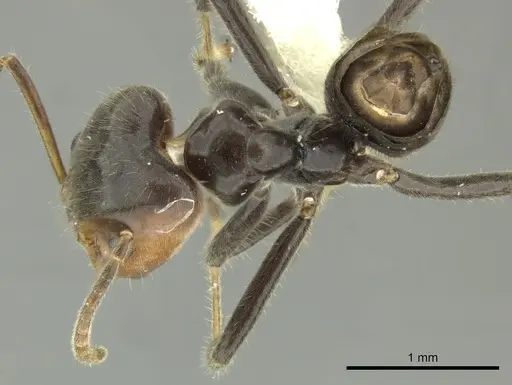
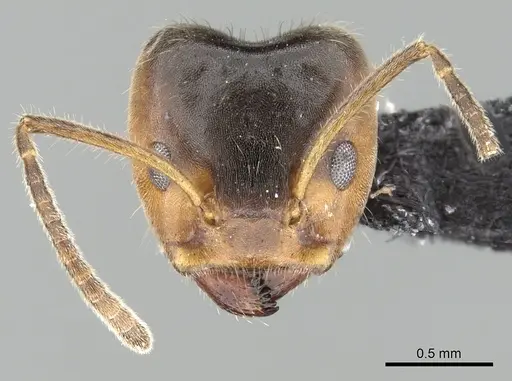
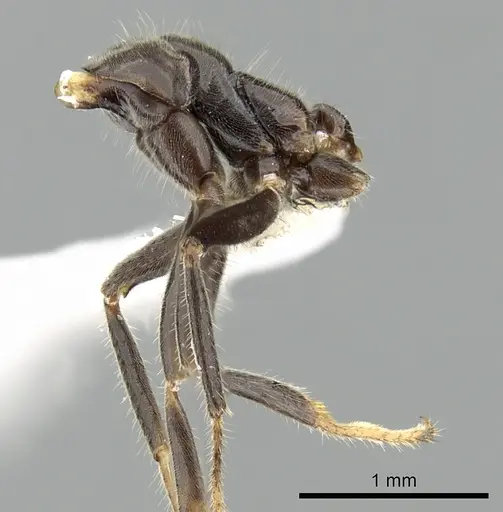
CASENT0903016
View on AntWeb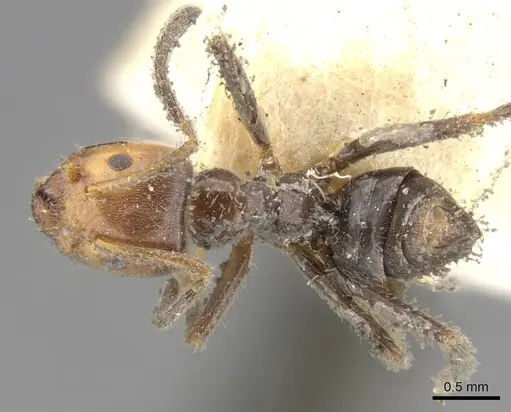
CASENT0909703
View on AntWeb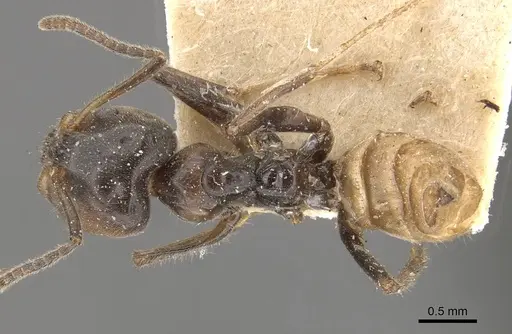
CASENT0909704
View on AntWeb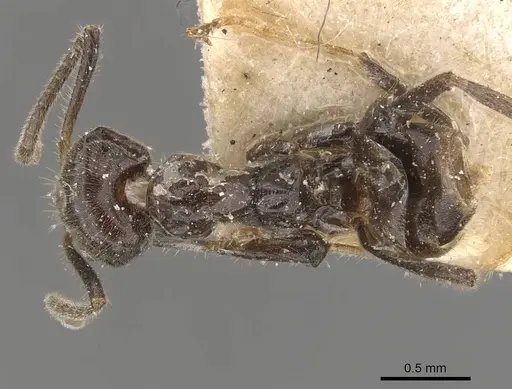
CASENT0909705
View on AntWeb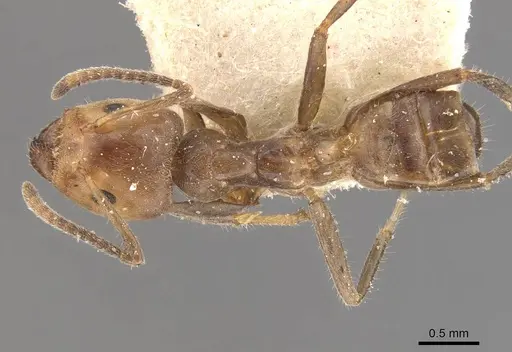
CASENT0909707
View on AntWeb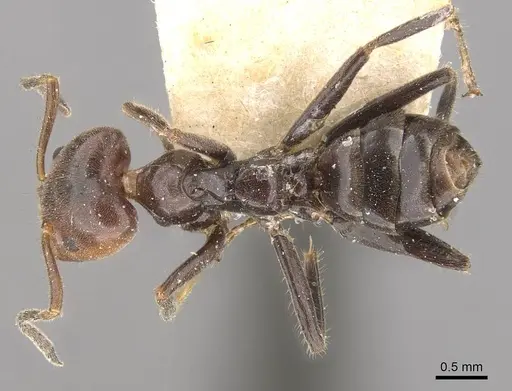
CASENT0909708
View on AntWeb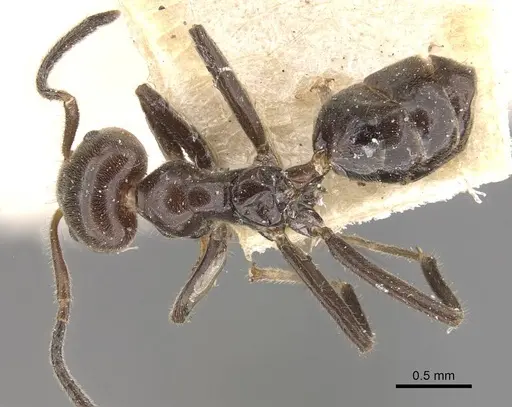
CASENT0909710
View on AntWeb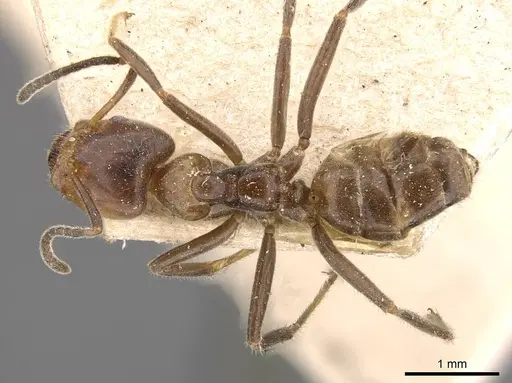
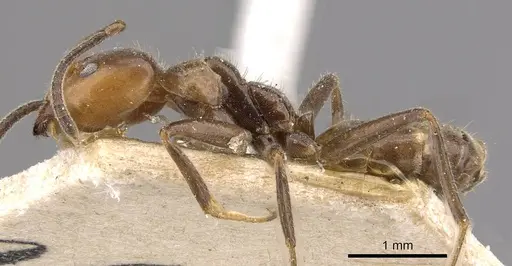
CASENT0915573
View on AntWeb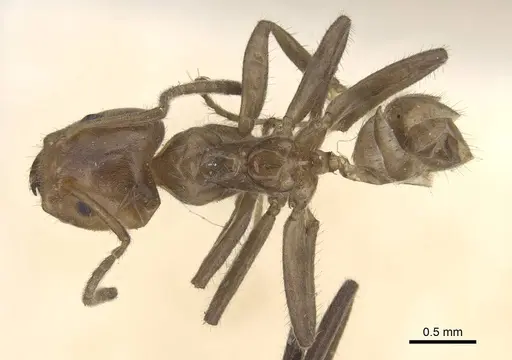
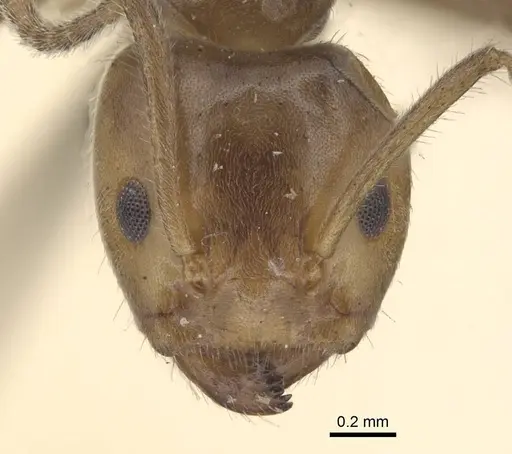
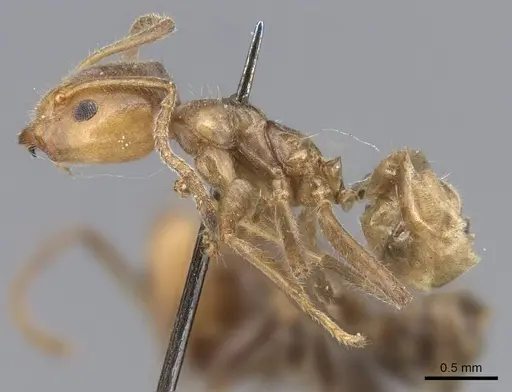
CASTYPE00608
View on AntWeb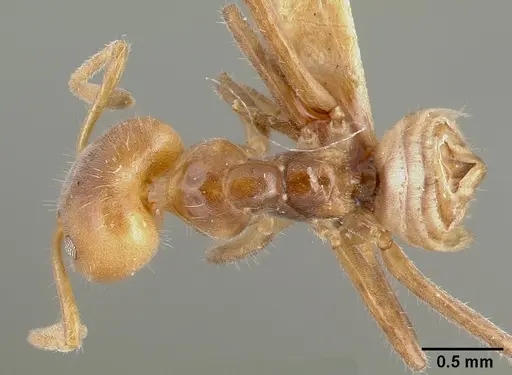
CBUMAGENT41837
View on AntWeb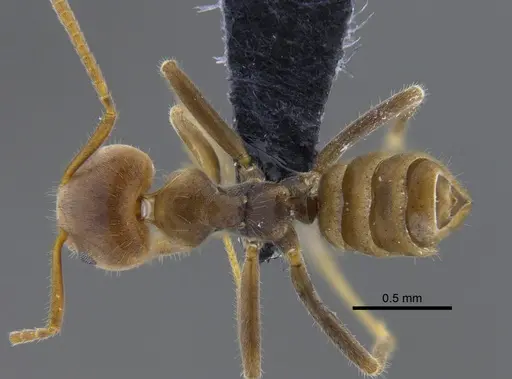
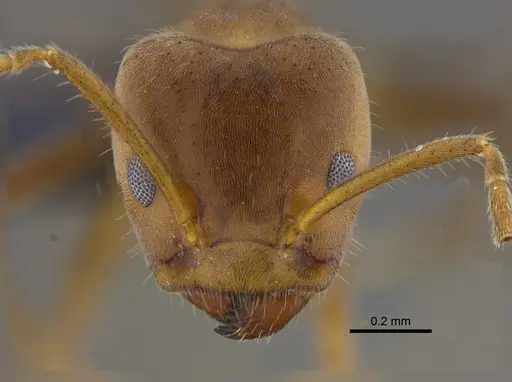
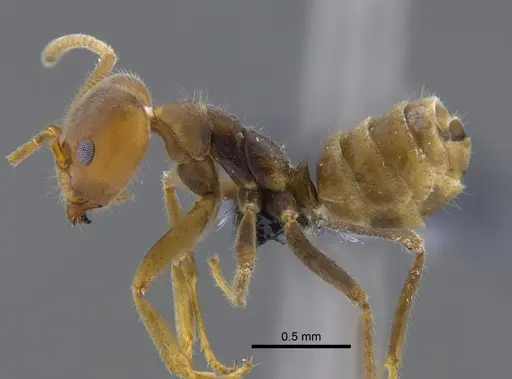
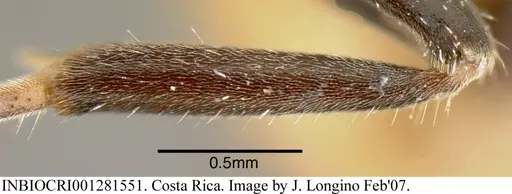
INBIOCRI001281551
View on AntWeb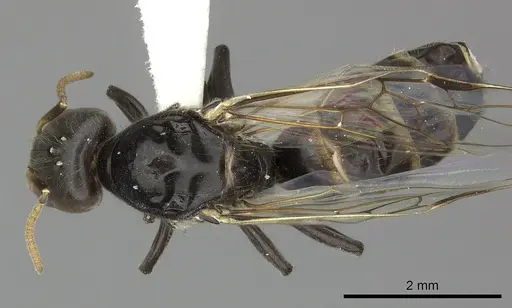
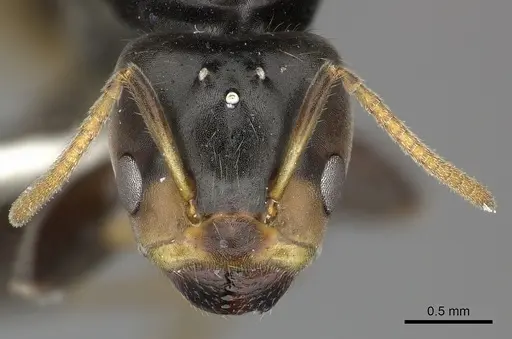
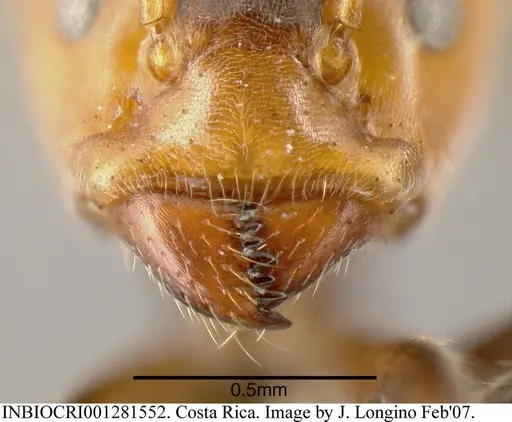
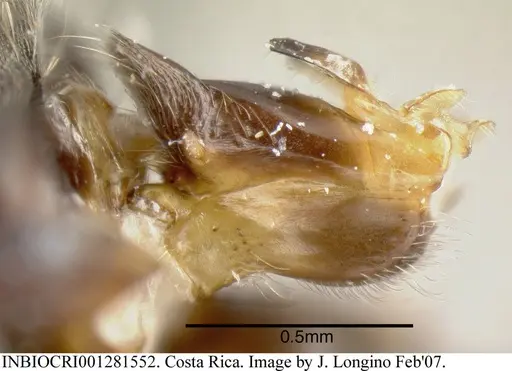
INBIOCRI001281552
View on AntWeb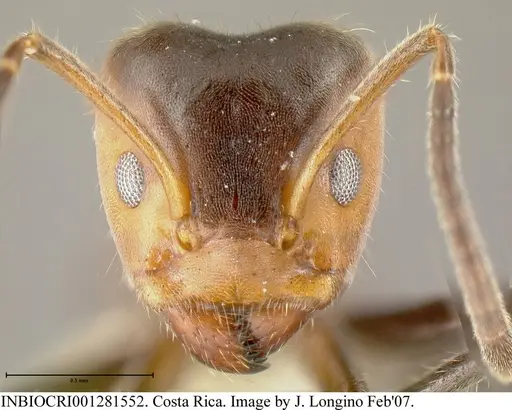
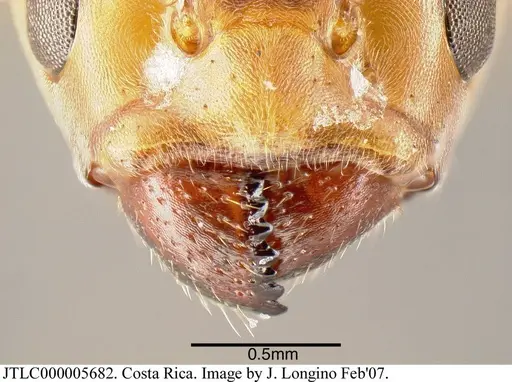
JTLC000005682
View on AntWeb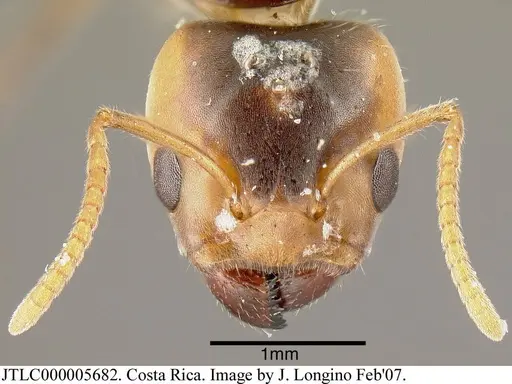
JTLC000005707
View on AntWeb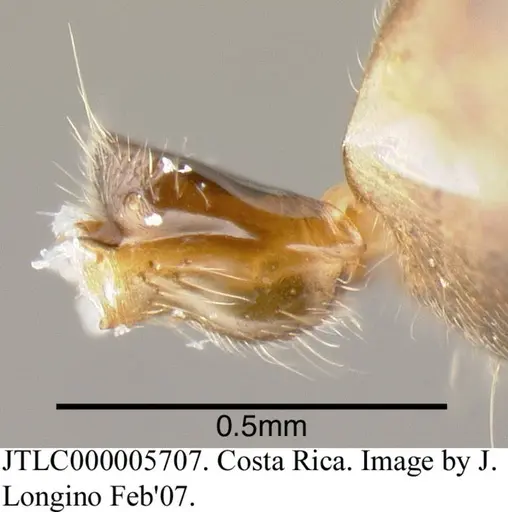
JTLC000009545
View on AntWeb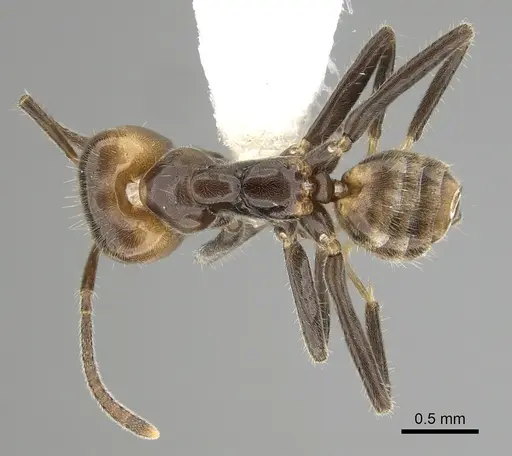
Literature
Loading distribution map...Loading products...