
Azteca pittieri
- Sci. Name
- Azteca pittieri
- Tribe
- Leptomyrmecini
- Subfamily
- Dolichoderinae
- Author
- Forel, 1899
- Distribution
- Found in 6 countries
Introduction
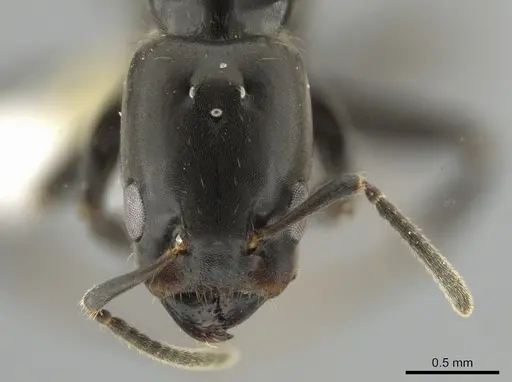
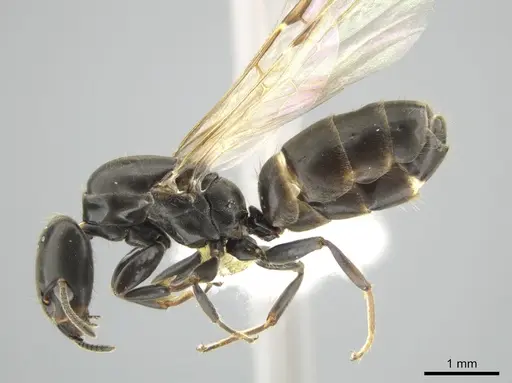
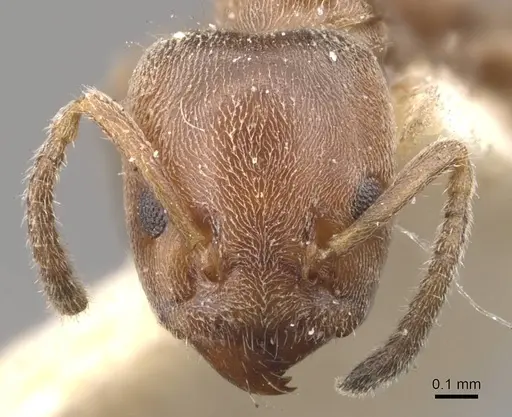
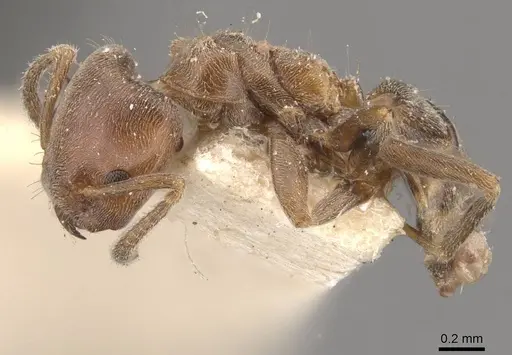
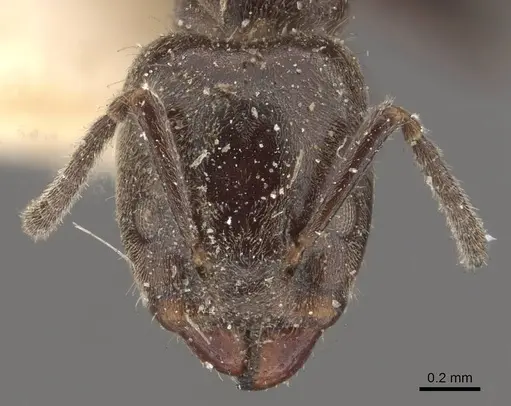
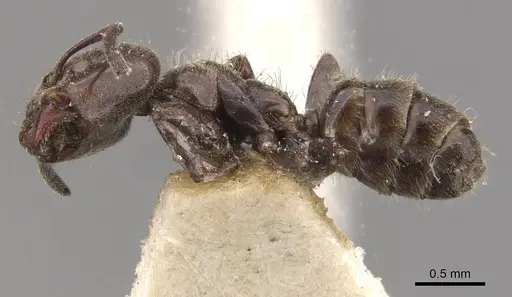
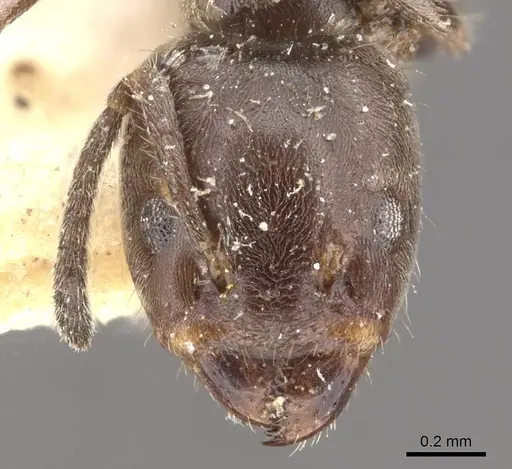
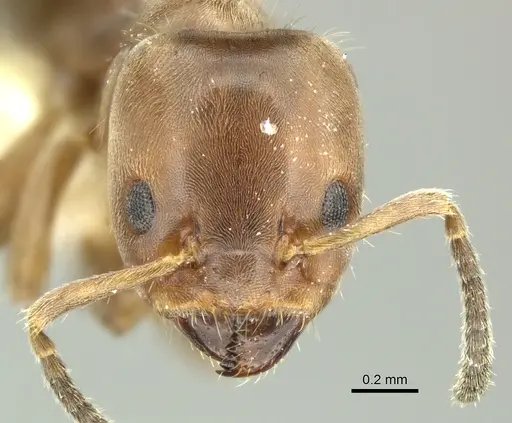
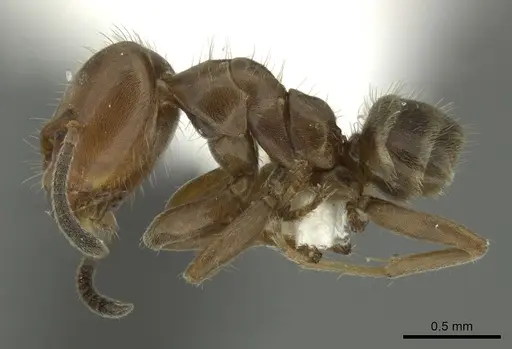
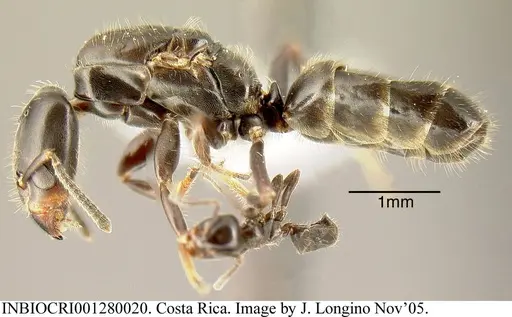
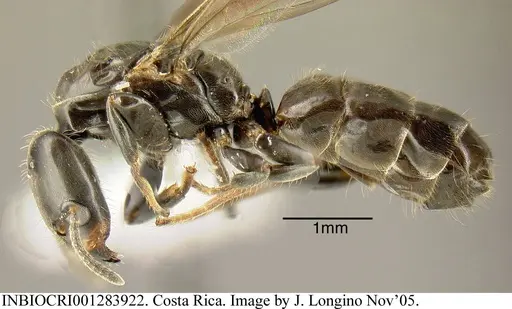
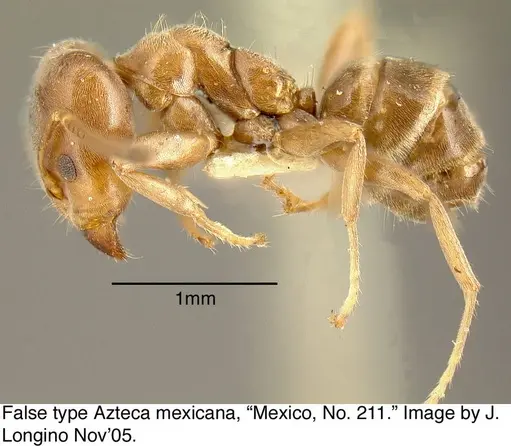
Azteca pittieri is a small, aggressive arboreal ant native to Mexico to Panama. Workers are 2.3-3.4 mm long and brown, while queen size data is unavailable from current research . This species is an obligate symbiont of the tropical tree Cordia alliodora, found in most C. alliodora plants throughout its range . Colonies nest inside the tree's hollow stem domatia, with workers, brood, and scale insects dispersed throughout multiple nodes . A. pittieri acts as a dedicated bodyguard for its host tree. Workers patrol leaves and stems, defending against herbivores by biting and chasing them off . Research shows they reduce leaf herbivory to 10% at high densities . Unlike many ants, they forage almost exclusively on their host tree and rarely venture off it .
Quick Summary
- Difficulty: Expert
- Origin & Habitat: Native to the Neotropics from Mexico to Panama, exclusively associated with Cordia alliodora trees, nesting in domatia [2][3]. Found in tropical dry and wet forests.
- Colony Type: Monogyne colonies with a single queen per tree [4][2]. Founding queens are always alone in Cordia nodes [2].
- Size & Growth:
- Queen: Size data unavailable, no total length measurements provided in research.
- Worker: 2.3-3.4 mm [1].
- Colony: Up to over 1000 workers, based on defensive density requirements [4].
- Growth: Moderate, growth is tied to tree growth and domatia availability [6].
- Development: Unknown, no direct development studies exist. Based on related species, estimated 6-10 weeks at warm temperatures, but this is inferred. (Development is likely temperature-dependent. Colonies show isometric growth with worker numbers [7].)
- Antkeeping:
- Temperature: Keep warm, around 24-28°C, inferred from tropical habitat [2].
- Humidity: Moderate humidity, inferred from tropical forest habitat. Keep nest substrate moist but not waterlogged.
- Diapause: No, as a tropical species, no hibernation required [2].
- Nesting: Obligate arboreal nesting in hollow stems or domatia, mimicking Cordia alliodora [2][3].
- Behavior: Extremely aggressive defenders, workers bite readily and patrol host tree exclusively [4][2]. Poor dispersal ability.
- Common Issues: obligate tree symbiont, requires specialized vertical plant-based setup, not standard formicariums, requires scale insects for honeydew, feeding challenging without them [7], aggressive workers bite readily, handle with caution, cannot forage off host tree, food must be placed on host structure, colony growth limited by nesting space in domatia [6]
The Cordia alliodora Relationship
Azteca pittieri is an obligate symbiont of Cordia alliodora, a tropical tree commonly called 'ecuador' or 'salvador'. This is not optional, the ants cannot survive without their host tree. Cordia alliodora produces specialized hollow stem structures called domatia, which are natural nesting chambers [2][3].
The relationship is mutualistic: the tree provides housing and the ants provide defense. A. pittieri colonies occupy about 97% of all C. alliodora trees [7]. The ants defend the tree's leaves from herbivores, reducing leaf damage to 10% at sufficient density [4].
For antkeepers, this means you cannot keep A. pittieri in isolation. You need to recreate or provide access to a Cordia-like host plant system.
Feeding and Nutrition
A. pittieri has a specialized diet revolving around honeydew-producing scale insects (coccoid Hemiptera). The ants keep these scale insects inside the tree domatia, and the scale insects feed on tree sap, producing sugary honeydew that the ants consume [7][4]. This is their primary carbohydrate source.
For protein, the ants feed on dead insects and guano that fall onto the plant, rather than actively hunting prey [4].
In captivity, you would need to culture scale insects or aphids on a host plant to provide honeydew. Sugar water may be accepted as a supplement, but their natural diet depends on scale insects.
Defense Behavior
A. pittieri workers are aggressive defenders of their host tree. They patrol leaves and stems continuously, attacking any herbivore by biting and chasing it off [4]. Research shows they detect caterpillars faster on young leaves and attack them more frequently [4].
This defensive behavior is density-dependent, effective defense requires at least 500 workers per 1-centimeter-diameter section of tree [4]. Below this threshold, herbivory increases.
For antkeepers, expect vigorous defensive behavior. Workers will readily bite handlers who disturb the colony.
Geographic Variation
This species shows genetic and behavioral variation across its range from Mexico to Panama. At least five distinct genetic lineages have been identified, with strong phylogeographic structure [8][3]. Northern and southern lineages show distinct precipitation niche preferences [3].
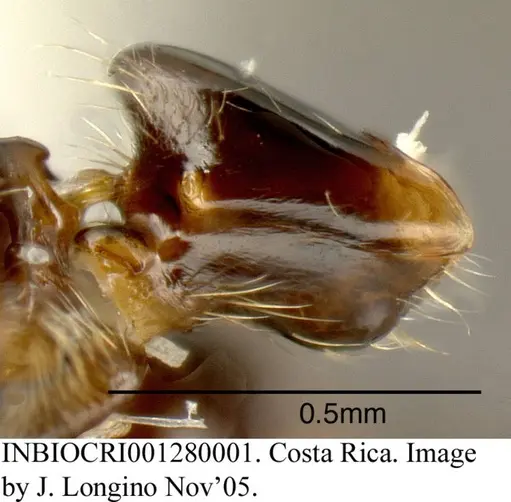
There is morphological variation, queen head size varies within Costa Rica, and two queen size classes exist: smaller queens in Pacific lowlands up to 500m elevation, and larger queens at higher elevations and Atlantic lowlands [2]. Behavioral variation includes differences in colony size and defensive behavior [3].
This variation means captive colonies from different regions may show slightly different behaviors.
Why This Species is Expert-Only
A. pittieri is not for beginners or intermediate antkeepers. It is an obligate tree symbiont that cannot be kept in conventional ant housing. Unlike most ants, it requires a living or artificial host plant system with hollow stems.
Beyond housing, their dietary requirements are highly specialized, depending on scale insects for primary food.
Their aggressive defensive behavior makes them challenging to work with, they bite readily and are constantly active on their host structure.
For these reasons, A. pittieri should only be attempted by expert antkeepers with experience in arboreal species and live plant systems. [4][7][2]
Frequently Asked Questions
Can I keep Azteca pittieri in a test tube or formicarium?
No. This is an obligate tree symbiont that cannot be kept in conventional ant housing. They require a vertical plant-based system with hollow stems or domatia mimicking their Cordia alliodora host tree [2].
What do Azteca pittieri eat?
Their primary diet is honeydew from scale insects (coccoid Hemiptera) that they farm inside their host tree. They also consume dead insects and guano for protein [7][4]. In captivity, you would need to culture scale insects or aphids, or try sugar water supplements.
Are Azteca pittieri good for beginners?
No. This is an expert-only species. They require specialized housing and diet, and are extremely aggressive [4].
How long does it take for Azteca pittieri to develop from egg to worker?
Unknown, no direct development studies exist for this species. Based on related Azteca species, estimated 6-10 weeks at warm temperatures, but this is inferred.
Do Azteca pittieri need hibernation?
No. As a tropical species from Central America, they do not undergo hibernation or diapause [2].
Can I keep multiple Azteca pittieri queens together?
No. Colonies are monogyne (single queen) and each tree hosts only one queen. Founding queens are always alone [2][4].
How big do Azteca pittieri colonies get?
Colonies can grow quite large, with effective defense requiring at least 500 workers per 1-cm-diameter section of tree [4]. Worker numbers are tightly correlated with scale insect populations [7].
Where does Azteca pittieri live in the wild?
From Mexico to Panama, exclusively in association with Cordia alliodora trees [2][3]. They have also been found in understory Lauraceae trees in Costa Rica.
Why are Azteca pittieri so aggressive?
Their aggression is a mutualistic defense strategy. They defend their host tree from herbivores in exchange for housing [4].
Report an Issue
The current care sheet is based fully on literature. See inconsistencies, or something that's incorrect? Please , it will be resolved after review from an admin. Contributing to the blogs tab also helps providing information, to make us be able to further improve the caresheets. Thank you for your support!
References

This caresheet is licensed under CC BY-SA 4.0 .
Community Blogs
CASENT0637879
View on AntWeb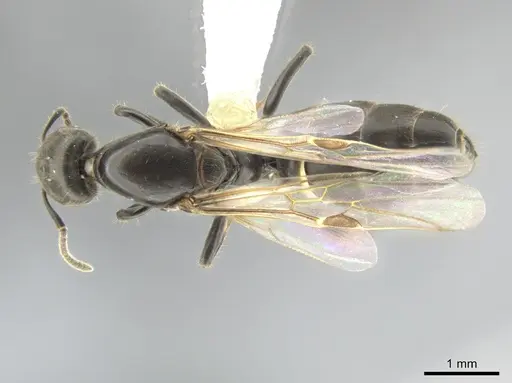
CASENT0886054
View on AntWeb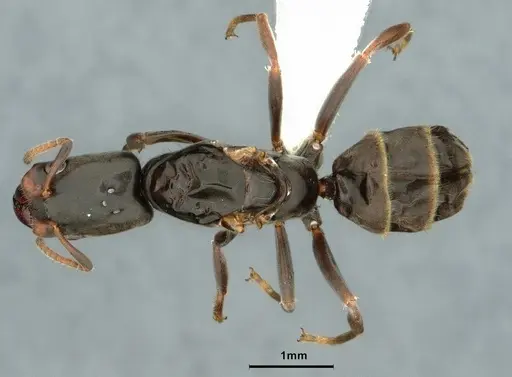
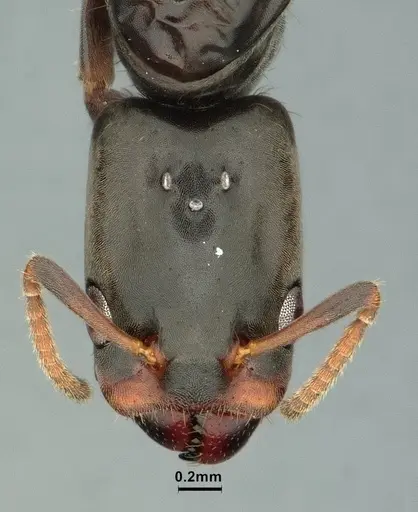
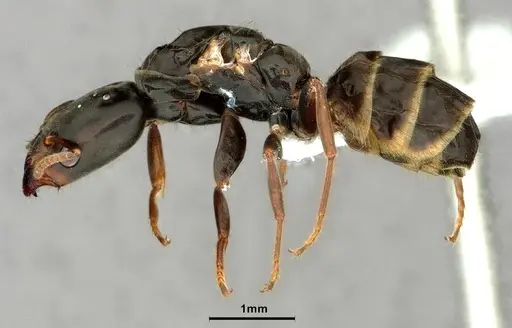
CASENT0903018
View on AntWeb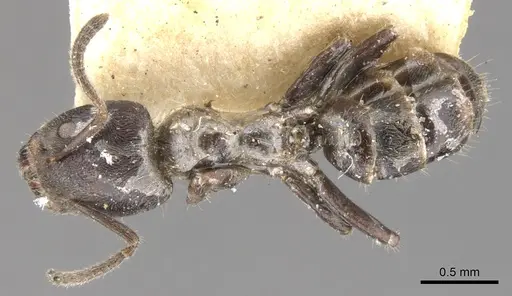
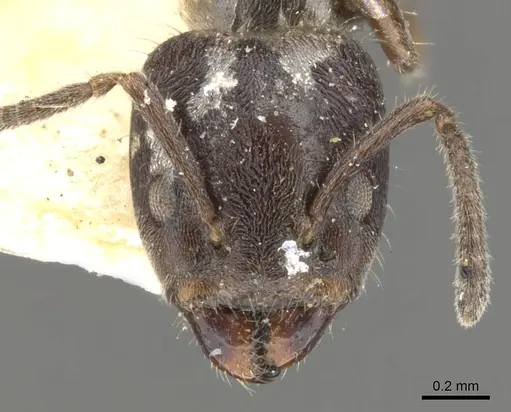
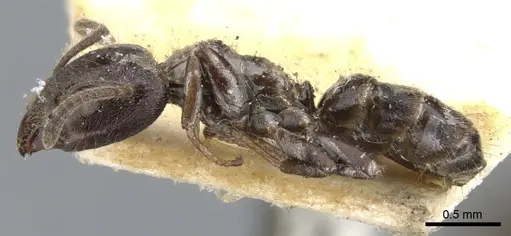
CASENT0909648
View on AntWeb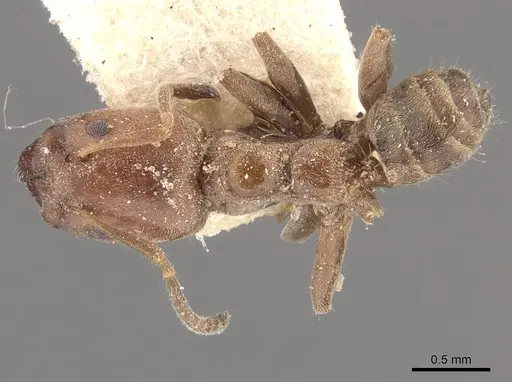
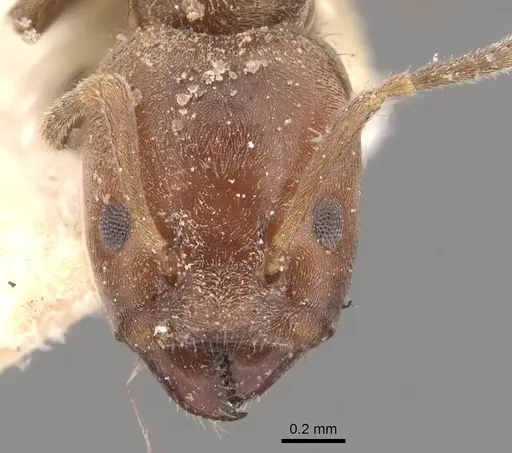
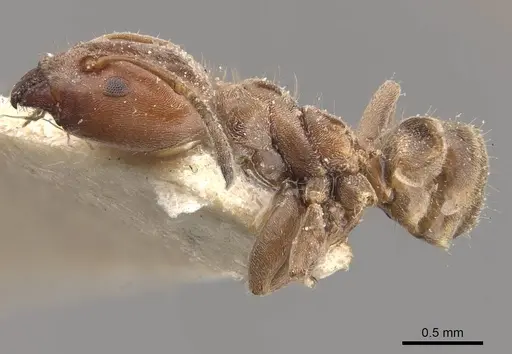
CASENT0909649
View on AntWeb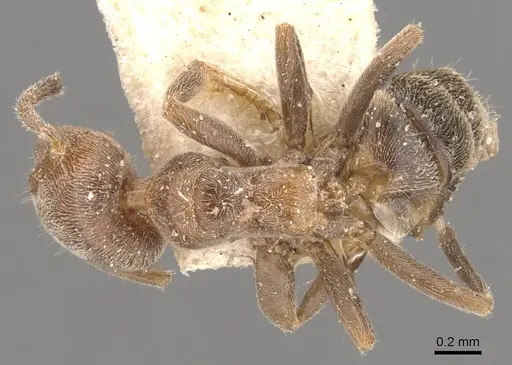
CASENT0909665
View on AntWeb
CASENT0909666
View on AntWeb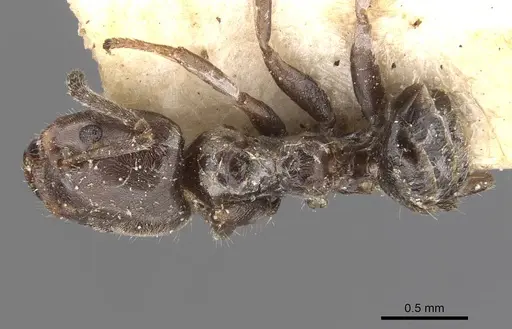
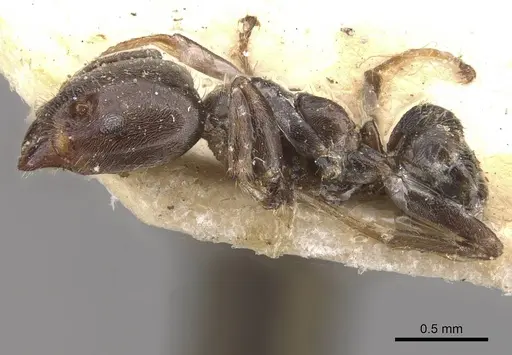
INBIOCRI001254136
View on AntWeb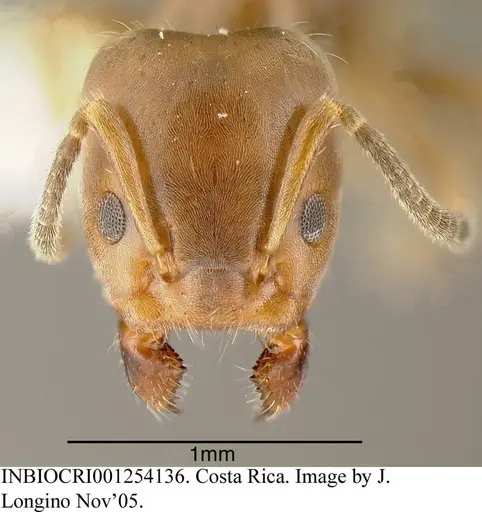
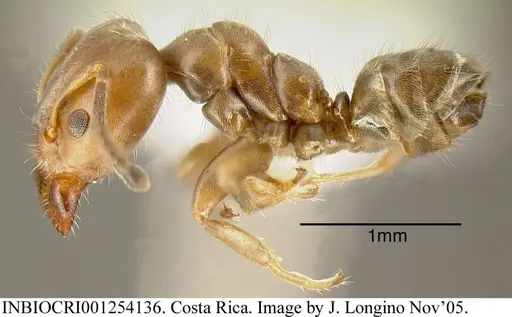
INBIOCRI001254168
View on AntWeb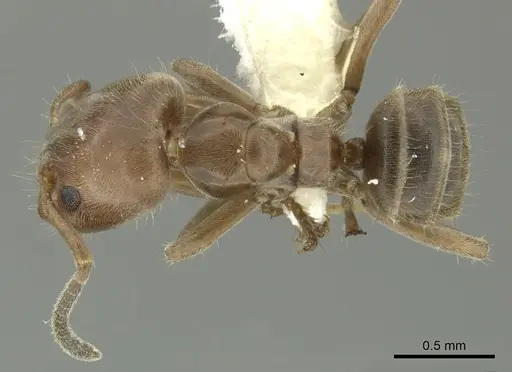
INBIOCRI001280001
View on AntWeb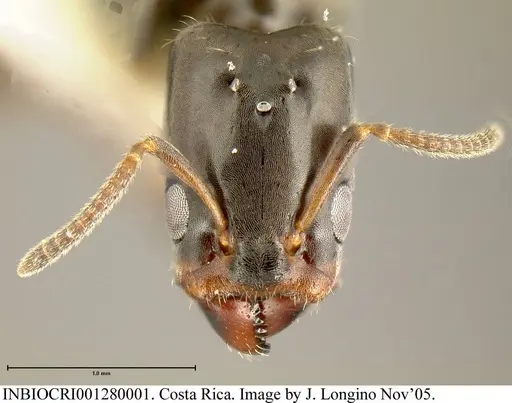
INBIOCRI001280020
View on AntWeb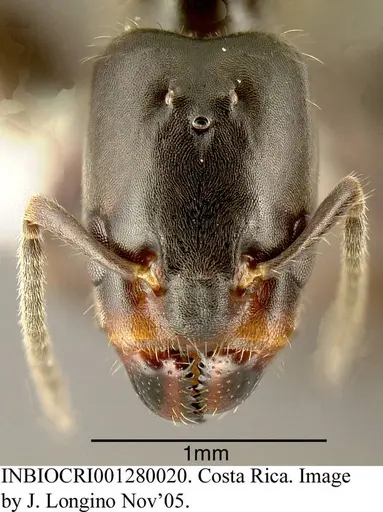
INBIOCRI001283922
View on AntWeb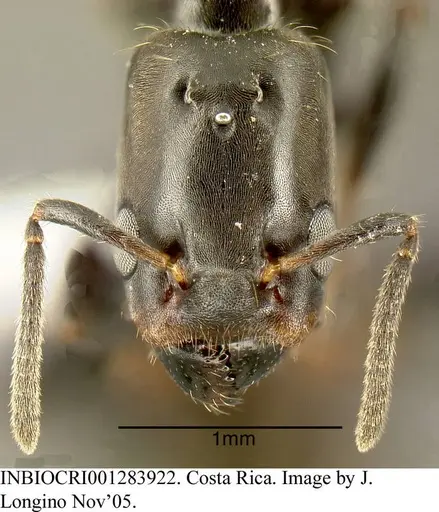
INBIOCRI002055398
View on AntWeb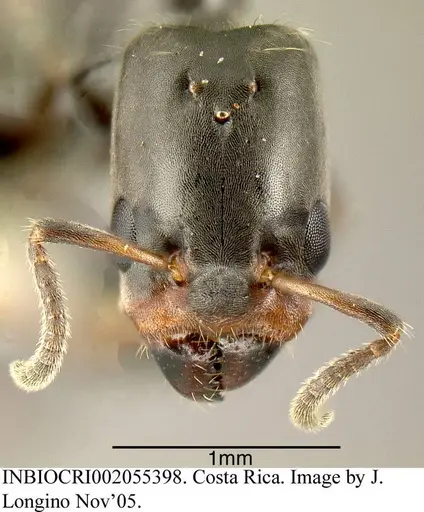
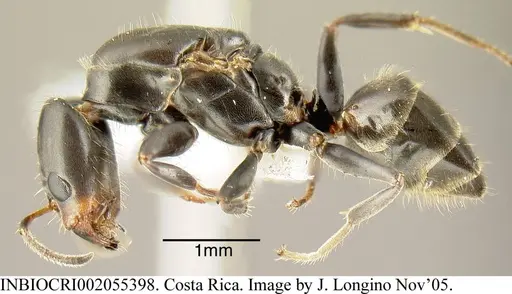
INBIOCRI002055401
View on AntWeb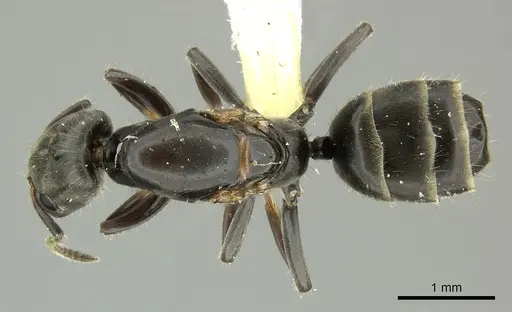
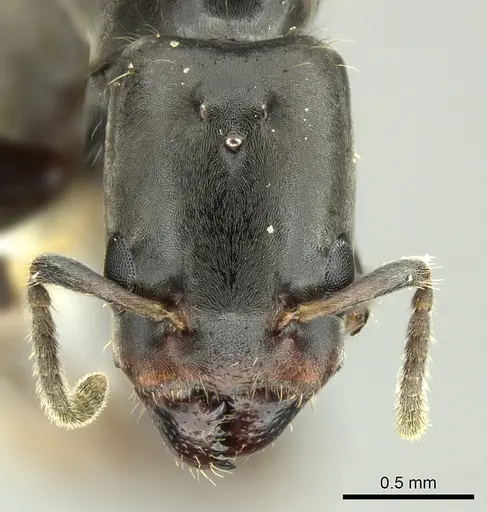
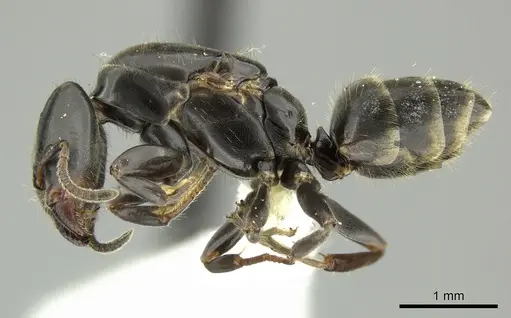
JTLC000008467
View on AntWeb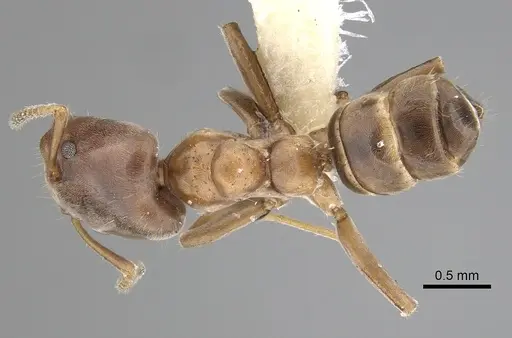
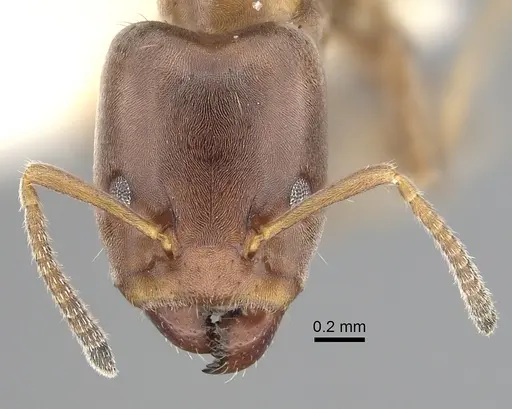
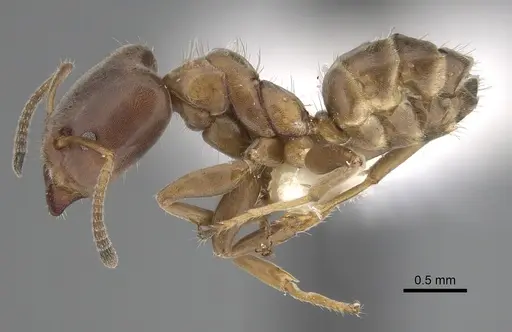
MCZ21307-1
View on AntWeb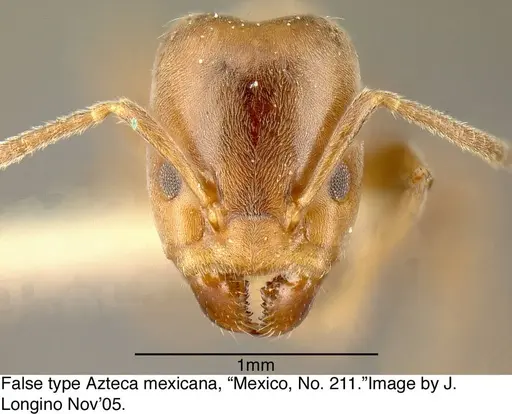
Literature
Loading distribution map...Loading products...