
Azteca pilosula
- Sci. Name
- Azteca pilosula
- Tribe
- Leptomyrmecini
- Subfamily
- Dolichoderinae
- Author
- Forel, 1899
- Distribution
- Found in 2 countries
Introduction
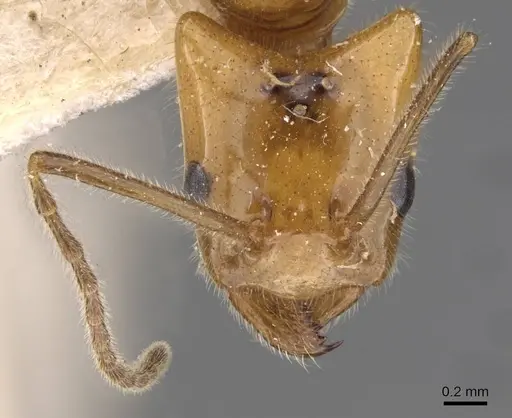
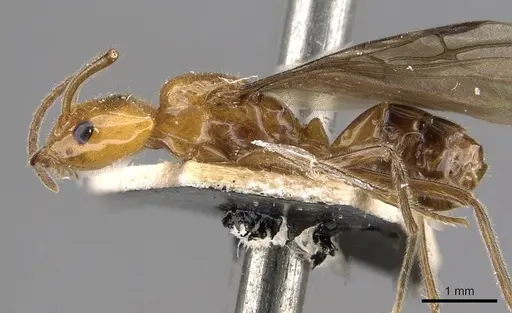
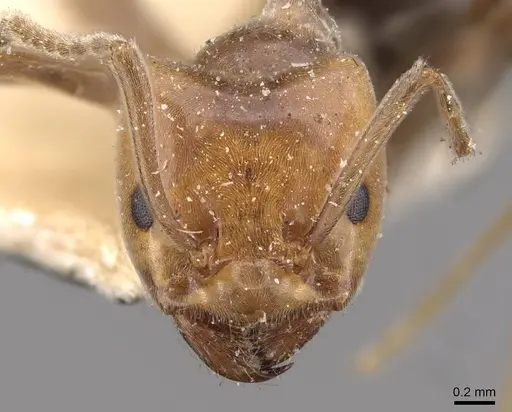
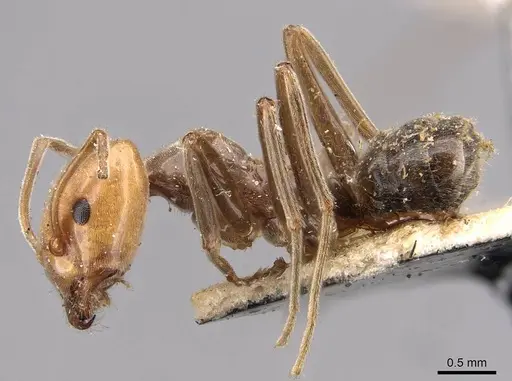
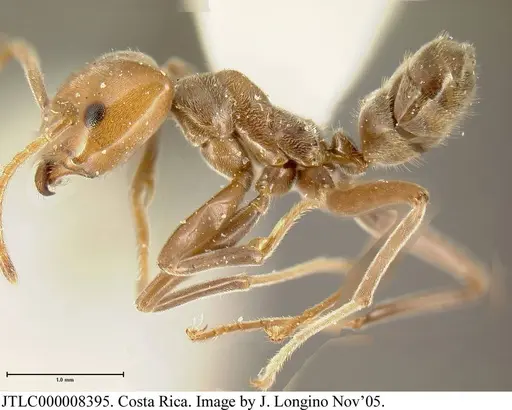
Azteca pilosula is an arboreal ant native to the Neotropical forests of Costa Rica, Panama, and Colombia. Workers have a distinctive appearance with a clear orange-brown head and darker red-brown mesosoma and gaster, covered in dense white pubescence. Queens are almost entirely orange with a smooth, highly polished surface and short dense white pilosity covering most of their body . These ants are known for building large exposed carton nests - papery structures made from plant fibers that can reach 70cm in height attached to tree trunks . Workers tend scale insects (coccoid Hemiptera) for honeydew and are aggressive foragers that form multiple foraging trails to food sources . This species was once considered synonymous with Azteca aurita but was separated in 2007 based on differences in pilosity patterns .
Quick Summary
- Difficulty: Expert
- Origin & Habitat: Neotropical forests of Costa Rica, Panama, and Colombia. They build large exposed carton nests attached to tree trunks or horizontal branches over trails [1][3].
- Colony Type: Unconfirmed, colony structure has not been documented in scientific literature.
- Size & Growth:
- Queen: size data unavailable, no total length measurements exist, queen measurements (HLA 1.32mm, HW 1.19mm) describe head size only [1]
- Worker: size data unavailable, no total length measurements exist, worker measurements (HLA 1.35mm, HW 1.39mm) describe head size only [2]
- Colony: Unknown, no colony size data available
- Growth: Unknown, no development timing data available
- Development: Unknown, no direct development data exists for this species (Development timing has not been studied in scientific literature.)
- Antkeeping:
- Temperature: Keep at 24-28°C. As a tropical species from lowland Neotropical forests, they likely need consistently warm temperatures year-round [6].
- Humidity: Maintain moderate to high humidity around 70-80%. These forest ants need moist conditions but the nest should not be waterlogged.
- Diapause: No, as a tropical species, they do not require hibernation. Keep temperatures stable year-round.
- Nesting: This is the most challenging aspect. In the wild they build large exposed carton nests attached to tree trunks or branches. In captivity, they need a vertical or arboreal setup, a naturalistic setup with vertical surfaces, branches, or a custom carton-style nest. Standard horizontal test tube setups are NOT appropriate for this species. They need space to build their characteristic carton structures.
- Behavior: Workers are aggressive foragers and actively recruit nestmates to food sources. They tend scale insects (coccoid Hemiptera) for honeydew and are predatory on small insects. Studies show they form 4-7 active foraging trails connected to food sources via vines and branches [4]. When encountering prey, first ants may show hesitation before attacking, demonstrating complex decision-making behavior [4]. Workers have moderate escape risk due to their medium size, standard formicarium barriers should work well. As a Dolichoderine ant, they lack a functional sting and instead use chemical defense, secreting defensive compounds from a slit-like opening at the tip of the abdomen.
- Common Issues: Tropical temperature requirements make them difficult for beginners, room temperature is often too cold., Arboreal nesting means standard horizontal nests are completely unsuitable, they need vertical space to build carton structures., No colony size or development data exists, keepers have no reference for expected growth rates., Escaped colonies are extremely difficult to recapture due to their arboreal nature., Finding appropriate food may be challenging, they primarily farm honeydew from scale insects., Carton nest construction requires humidity control that can be difficult to balance.
Housing and Nest Setup
Azteca pilosula presents unique housing challenges that make it an expert-level species. In the wild, these ants build large exposed carton nests, papery structures made from chewed plant fibers that can reach 70cm tall on tree trunks [3]. They are strictly arboreal and need vertical space to replicate their natural nesting behavior. A naturalistic setup with vertical surfaces (cork bark, branches, or wooden panels) works best. You can encourage carton nest construction by providing moist plant materials they can process. Standard horizontal formicariums or test tubes are NOT appropriate, these ants will not thrive in flat horizontal chambers. The outworld should include climbing structures and branches connecting to the nest area. Escape prevention should be moderate, workers are small so standard barrier methods work, but their arboreal nature means they will explore upward and can escape if gaps exist near the ceiling of the enclosure.
Feeding and Diet
Azteca pilosula has complex dietary needs typical of ants that tend scale insects. In the wild, workers actively tend coccoid Hemiptera (scale insects) on plants, collecting honeydew as their primary sugar source [1]. They are also aggressive predators that hunt small insects and arthropods. For captive care, offer sugar water or honey as a constant energy source. For protein, provide small insects like fruit flies, pinhead crickets, or other appropriately-sized prey. Based on their predatory behavior in studies, they will accept protein prey [4]. Feed protein regularly, and keep sugar water available at all times. The key challenge is that they are specialized honeydew farmers, if they refuse sugar sources, you may need to culture scale insects as a food source, though this is advanced husbandry.
Temperature and Climate
As a tropical lowland species from Costa Rica and Panama, Azteca pilosula requires warm, stable temperatures year-round. Aim for 24-28°C in the nest area. Room temperature alone is typically insufficient for tropical ants, you will likely need a heating method. A heating cable or heat mat on one side of the enclosure can create a temperature gradient. Place the heating element on the top or side of the nest material, not underneath, to avoid evaporating moisture too quickly. Temperature drops below 22°C for extended periods can stress colonies and slow or stop brood development. Unlike temperate species, they do not need any cooling period or winter dormancy. Maintain consistent warmth throughout the year, no seasonal cycling is required or recommended. [6]
Foraging and Recruitment Behavior
Azteca pilosula workers are active and aggressive foragers with sophisticated recruitment behavior. Studies document 4-7 active foraging trails connecting nests to food sources via natural bridges like vines and branches [4]. When workers discover food, they recruit others through chemical trails, creating rapid mobilization to large food sources. This makes them exciting to watch during feeding times. Workers are also predatory, they will hunt and subdue prey insects. Interestingly, research shows they can exhibit hesitation when encountering unfamiliar prey, with first scouts retreating to recruit before attacking [4]. This suggests complex decision-making and communication. In your setup, provide enrichment opportunities like climbing routes to food dishes to encourage natural trail-building behavior.
Humidity and Moisture Management
These forest ants need moderate to high humidity, around 70-80%. However, the key is balance, they need moist conditions for brood development but also need ventilation to prevent mold in their carton nests. Monitor condensation on the nest surfaces as a guide. The substrate or nest material should feel damp but not have standing water. Because they build carton nests, they need access to moist plant materials they can process. You can provide damp sphagnum moss, cork bark, or other organic materials they can use for nest construction. In a naturalistic setup, mist the enclosure regularly but allow it to dry slightly between mistings. Avoid both stagnant air (causes mold) and excessive airflow (causes drying). A small ventilation hole or mesh panel helps maintain air circulation.
Species Identification and Distinction from Azteca aurita
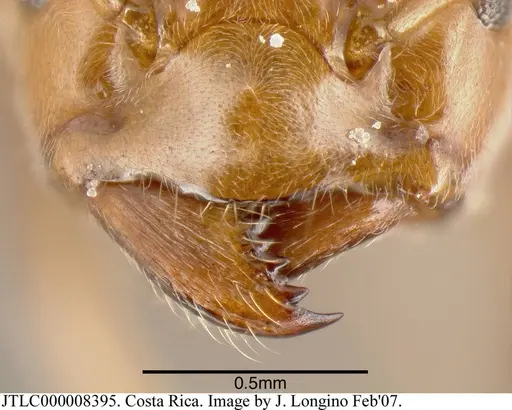
Azteca pilosula was previously considered synonymous with Azteca aurita but was separated as a distinct species in 2007 [5]. The key distinguishing feature is pilosity (hair) patterns. A. pilosula has long, dense white hairs on all sides of the head and other body regions, including erect hairs on the anterior face and apex of the petiole. Workers also have erect, conspicuous scattered setae on the lateral margins of the petiole. The posterior margin of the head has sparse, very short erect setae grading into white pubescence [5]. In contrast, A. aurita has similar pilosity on the appendages and anterior head but lacks it on the posterior head margins and the dorsa of mesosoma, petiole, and gaster. Queens of A. pilosula are almost entirely covered in short dense white pilosity, giving them a distinctive silky appearance [1]. When identifying your colony, examine the pilosity patterns carefully under good magnification.
Frequently Asked Questions
Can I keep Azteca pilosula in a test tube?
No, test tubes are completely unsuitable. This is an arboreal species that builds large carton nests in trees. They need vertical space and materials to construct their characteristic papery nests. A naturalistic setup with vertical surfaces like cork bark or branches is essential.
What do Azteca pilosula ants eat?
They need a varied diet. Offer constant sugar water or honey for energy. For protein, provide small insects like fruit flies or pinhead crickets regularly. They are also known to tend scale insects for honeydew in the wild, so they may accept artificial honeydew substitutes.
How long does it take for Azteca pilosula to develop from egg to worker?
Unknown, no scientific data exists for this species. Development timing has not been studied in research literature.
Are Azteca pilosula ants good for beginners?
No, this is an expert-level species. They have very specific arboreal nesting requirements, need tropical temperatures, and require complex dietary setups. The complete lack of colony data makes them challenging even for experienced antkeepers.
What temperature do Azteca pilosula ants need?
Keep them at 24-28°C consistently. As a tropical lowland species from Costa Rica and Panama, they need year-round warmth. Room temperature is usually too cold, use a heating cable or heat mat to maintain proper temperatures.
Do Azteca pilosula need hibernation or diapause?
No, as a tropical species, they do not require any winter cooling period. Maintain stable warm temperatures year-round. Any significant temperature drop below 20°C for extended periods could stress or kill the colony.
How big do Azteca pilosula colonies get?
Unknown, no scientific data exists on maximum colony size. Based on their large carton nests in the wild (up to 70cm tall), colonies are likely substantial.
Can I keep multiple Azteca pilosula queens together?
Unknown, colony structure has not been documented in scientific literature. The safe approach is to keep only one queen per colony. Combining unrelated queens of this species has not been studied and is not recommended.
Why are my Azteca pilosula dying?
Common causes include: temperature too cold (below 24°C), humidity too low or too high, inappropriate horizontal-only nesting setup, lack of vertical space for carton construction, or inadequate sugar/protein balance in diet. This species is extremely sensitive to improper conditions.
Report an Issue
The current care sheet is based fully on literature. See inconsistencies, or something that's incorrect? Please , it will be resolved after review from an admin. Contributing to the blogs tab also helps providing information, to make us be able to further improve the caresheets. Thank you for your support!
References

This caresheet is licensed under CC BY-SA 4.0 .
Community Blogs
CASENT0909596
View on AntWeb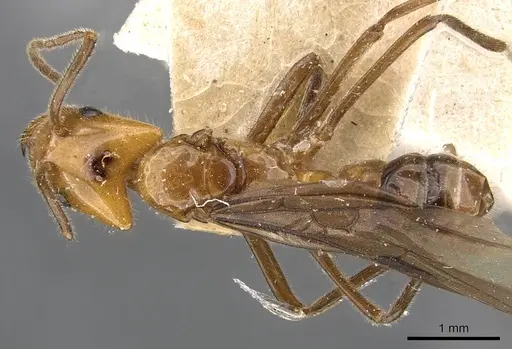
CASENT0909597
View on AntWeb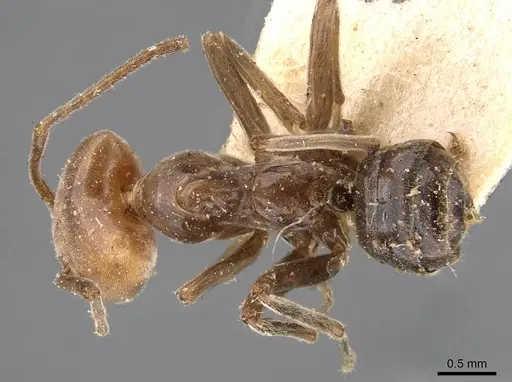
JTLC000008395
View on AntWeb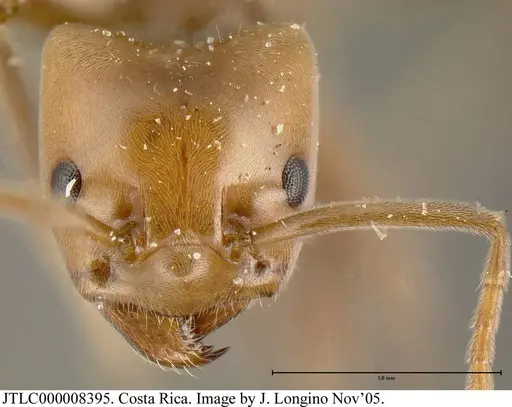
JTLC000008397
View on AntWeb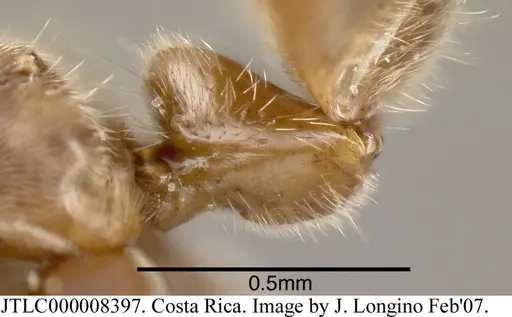
JTLC000009409
View on AntWeb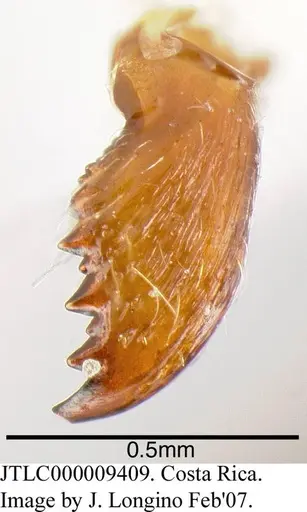
Literature
Loading distribution map...Loading products...