
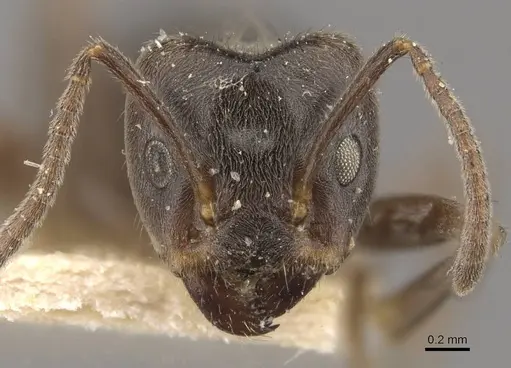
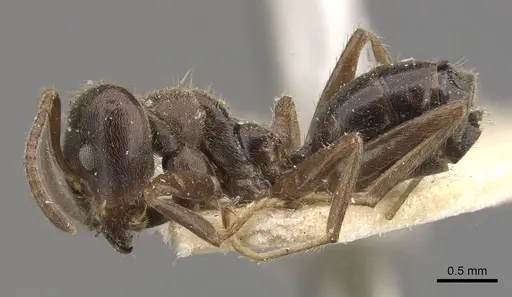
Azteca paraensis
- Sci. Name
- Azteca paraensis
- Tribe
- Leptomyrmecini
- Subfamily
- Dolichoderinae
- Author
- Forel, 1904
- Distribution
- Found in 2 countries
Introduction
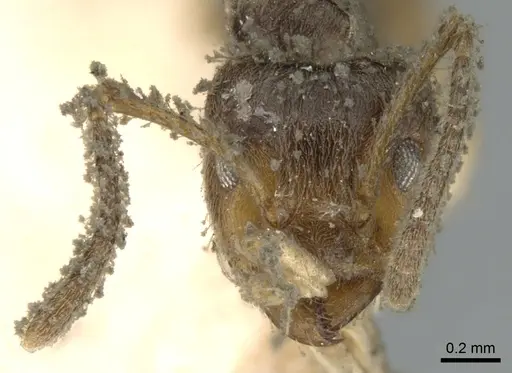
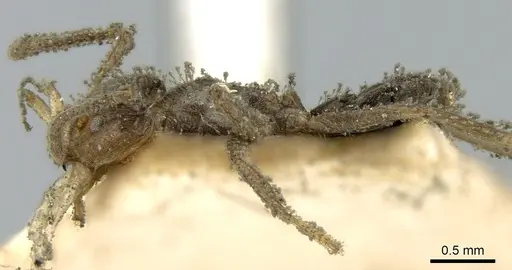
Azteca paraensis is an arboreal ant native to the Neotropical region, found in Brazil (Pará, Bahia) and French Guiana. Workers are small to medium-sized, and queens are larger. This species is a strict Cecropia tree inhabitant, nesting in hollow stems and creating polydomous colonies that span multiple nest sites on a single host plant or connected plants. Colonies are monogynous with a single queen, though the colony maintains multiple connected nest structures. These ants form ant-gardens by cultivating epiphytic plants like Codonanthe uleana, using plant buds and gum to construct and cement their nests. In cocoa plantations of Bahia, they were historically considered pests due to their habit of rasping plant buds to extract gum, causing physical damage to trees.
Quick Summary
- Difficulty: Medium
- Origin & Habitat: Neotropical region, Brazil (Pará, Bahia) and French Guiana. Strict Cecropia inhabitant, found in young Cecropia trees and cocoa plantations. Creates polydomous colonies in arboreal settings [1][2].
- Colony Type: Monogynous (single queen per colony) with polydomous structure, multiple connected nests on the same plant group or nearby plants [1][2][3].
- Size & Growth:
- Queen: size data unavailable, no specific measurements found in research context
- Worker: size data unavailable, no specific measurements found in research context
- Colony: Several hundred individuals per nest, with multiple nests per colony [3].
- Growth: Moderate, tropical species with year-round activity
- Development: development timeline unconfirmed for this species (Colonies have been observed with eggs, larvae of all sizes, and naked worker pupae [1].)
- Antkeeping:
- Temperature: Keep at 24-28°C, these are tropical ants requiring warm, stable temperatures.
- Humidity: High humidity is essential. As arboreal nesters in Cecropia, they expect damp conditions. Mist the outworld regularly and keep nest material moist but not waterlogged.
- Diapause: No, being a tropical species, they do not require hibernation. Maintain warm conditions year-round.
- Nesting: Arboreal nester, in captivity, they do well in Y-tong (AAC) nests or plaster nests with vertical or angled chambers that mimic their natural plant-stem nesting sites. Provide climbing structures and branches in the outworld.
- Behavior: Active and territorial foragers that patrol plants and trees. They are not particularly aggressive toward keepers but will defend their territory. Workers are medium-sized and good climbers. Escape risk is moderate, they can climb smooth surfaces but are not extreme escape artists. They farm hemipterans (scale insects) for honeydew and cultivate epiphytes in their nests. Minor workers handle nest construction and plant care, while major workers increase proportionally with colony size.
- Common Issues: tropical species requires warm conditions year-round, cold temperatures can kill colonies, arboreal nature means they need vertical space and climbing structures, polydomous colonies may be stressed in single-nest setups, consider providing multiple connected nest areas, high humidity is critical, dry conditions cause colony decline, may be aggressive toward other ant species if they perceive territorial threats
Nest Preferences and Housing
Azteca paraensis is an arboreal species that naturally nests inside hollow Cecropia stems and branches. In captivity, provide nest setups that mimic these conditions. Y-tong (AAC) nests work well because they offer tight, enclosed chambers that ants can inhabit. Plaster nests are also suitable, especially when angled or vertical to match their natural orientation. The outworld should include climbing structures like branches, cork bark, or artificial plants since these ants are active climbers. They do best with a nest connected to a spacious outworld where they can forage and patrol. Multiple nest chambers connected by tubes can help simulate their natural polydomous structure, which may reduce stress in captivity. [1][2][3]
Feeding and Diet
Like most Azteca species, Azteca paraensis is omnivorous with a strong preference for honeydew from tending hemipterans (scale insects, aphids). In captivity, offer sugar water or honey regularly as a carbohydrate source. They also need protein from insects, small crickets, mealworms, or fruit flies work well. Since they're arboreal foragers, place food on elevated surfaces or in the upper reaches of the outworld. They may accept small pieces of fruit as well. Fresh water should always be available. The key is providing consistent sugar sources plus regular protein meals. Their farming behavior means they may benefit from having scale insects or aphids to tend, though this is optional in captivity. [2]
Temperature and Seasonal Care
These are tropical ants requiring warm conditions year-round. Maintain temperatures between 24-28°C in the nest area. A heating cable or mat on one side of the nest creates a gentle gradient that allows ants to thermoregulate. Room temperature may be sufficient if your home stays in this range, but monitor with a thermometer. Unlike temperate species, they do not enter diapause or hibernation. Cold temperatures below 20°C for extended periods can weaken or kill colonies. Avoid placing nests near windows or air conditioning vents. Stable warmth is more important than exact temperature precision, aim for consistency rather than fluctuation. [1]
Colony Structure and Polydomy
Azteca paraensis forms polydomous colonies, meaning a single colony occupies multiple connected nests rather than one central nest. In the wild, colonies spread across several nests on the same plant group or nearby plants, with worker traffic connecting them. This is thought to be a defensive strategy, if one nest is destroyed, the colony survives. It also allows them to defend larger territories. In captivity, this has implications: your colony may be stressed in a single-nest setup. Consider providing multiple connected nest areas or chambers that workers can move between. The colony remains monogynous with one queen, but she may be in one nest while workers occupy others. This is different from polygyny (multiple queens), here, one queen rules multiple nests. [3][2][1]
Behavior and Temperament
Azteca paraensis workers are active foragers that patrol their territory throughout the day. They're not particularly aggressive toward humans but will defend their nest vigorously against intruders. Workers communicate using chemical trails and can recruit nestmates to food sources. Their minor workers handle nest construction and caring for symbiotic plants, while major workers (which increase in proportion as the colony grows) handle heavier tasks. They are skilled climbers and can navigate smooth surfaces, though they're not as prolific escape artists as some tiny species. In multi-species setups, they may compete aggressively for territory. Their relationship with Cecropia trees is mutualistic, the ants get shelter, and the tree gets protection from herbivores. They also cultivate epiphytic plants in their nests. [1][2][3]
Unique Ecological Relationships
This species has a notable mutualistic relationship with Cecropia trees, similar to other Azteca species like Azteca muelleri. The ants live inside the hollow stems and protect the tree from herbivores. They also create ant-gardens by cultivating epiphytic plants (specifically Codonanthe uleana in Bahia) using gum extracted from plant buds. This cement-like material helps bind their nest structures together. In cocoa plantations, this behavior became problematic, the ants would rasp plant buds to extract gum, causing physical damage to the trees. This earned them a reputation as a pest in Bahia's cocoa industry. In captivity, you might observe similar plant-interaction behaviors if providing live plants or cork bark. Their farming of hemipterans for honeydew is another key behavior, they actively tend scale insects and protect them from predators. [2][1][3]
Growth and Development
Colony growth is moderate for a tropical species. Founding colonies start slowly as the queen raises her first workers (nanitics) alone. Once the first workers emerge, growth accelerates as more brood is produced. The proportion of major workers increases as the colony grows, small colonies have mostly minor workers, while larger colonies develop a significant major worker caste. Each nest within a polydomous colony can contain hundreds of workers. The colony expands by producing new nest structures, either by subdivision (queen stays in one nest, workers establish daughter nests) or by founding new nests on nearby plants. In captivity, patience is key, arboreal species often grow more slowly than ground-nesting ants initially. [1][3]
Frequently Asked Questions
Can I keep Azteca paraensis in a test tube?
Test tubes can work for founding colonies but are not ideal for long-term housing. These are arboreal ants that prefer vertical spaces and climbing structures. A Y-tong or plaster nest is better suited for established colonies. If using test tubes, ensure they have access to a proper outworld with climbing opportunities.
When should I move Azteca paraensis to a formicarium?
Move them when the test tube setup becomes crowded or the water reservoir runs low, typically when you see 15-20+ workers. For polydomous species like this, consider providing multiple connected nest chambers from the start rather than one large chamber.
What is the best nest type for Azteca paraensis?
Y-tong (AAC) nests or plaster nests work best. They mimic the hollow plant stems these ants naturally nest in. Provide vertical or angled chambers with tight dimensions. Include climbing structures in the outworld.
How long until first workers with Azteca paraensis?
Development timeline is unconfirmed for this specific species. Expect first workers (nanitics) around 6-8 weeks after the queen lays eggs based on typical tropical Dolichoderine development patterns.
How fast do Azteca paraensis colonies grow?
Growth is moderate. After the first workers emerge, growth accelerates but remains slower than many ground-nesting species. Colonies reach several hundred workers per nest over time. Being polydomous, the overall colony can spread across multiple nest structures.
Can I keep multiple Azteca paraensis queens together?
No. This species is monogynous, colonies have a single queen. Multiple unrelated queens will fight. Even if you combine foundresses, they will likely kill each other. One queen per colony is required.
How big do Azteca paraensis colonies get?
Each nest contains several hundred workers, and since they're polydomous, the overall colony can span multiple nests. A mature colony could have over 1000 workers across several connected nest sites.
Are Azteca paraensis dangerous?
No, they're not dangerous to humans. They're small ants that focus on foraging and territory defense rather than attacking keepers. Their bite is mild and they're not considered a health hazard.
What do Azteca paraensis eat?
They need sugar sources (honey, sugar water) and protein (small insects like crickets, mealworms, fruit flies). They also tend hemipterans for honeydew. Offer sugar water constantly and protein 2-3 times per week.
What temperature do Azteca paraensis need?
Keep them at 24-28°C. Tropical species that don't tolerate cold well. A heating cable on one side of the nest creates a gradient. Avoid temperatures below 20°C.
Are Azteca paraensis good for beginners?
Medium difficulty, not the easiest but manageable for intermediate antkeepers. Their main requirements are warm temperatures, high humidity, and arboreal-style housing. The polydomous nature adds some complexity. Beginners should research arboreal ant care before getting started.
Do Azteca paraensis need hibernation?
No. They're a tropical species and do not require hibernation or winter cooling. Keep them warm year-round. Cold exposure can be fatal.
Why are my Azteca paraensis dying?
Common causes: temperatures too cold (below 20°C), low humidity, dry nest conditions, or stress from improper housing. Check that the nest is humid but not flooded, temperatures are stable in the 24-28°C range, and they have climbing structures. Also ensure they're getting proper nutrition.
Report an Issue
The current care sheet is based fully on literature. See inconsistencies, or something that's incorrect? Please , it will be resolved after review from an admin. Contributing to the blogs tab also helps providing information, to make us be able to further improve the caresheets. Thank you for your support!
References

This caresheet is licensed under CC BY-SA 4.0 .
Community Blogs
CASENT0906239
View on AntWeb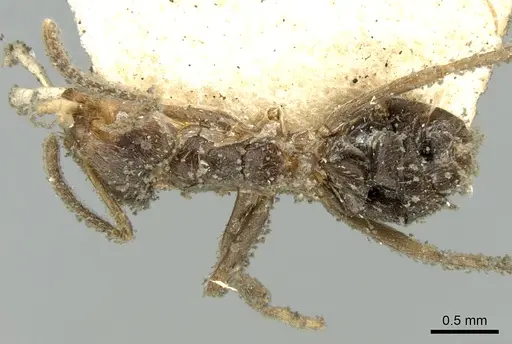
CASENT0909660
View on AntWeb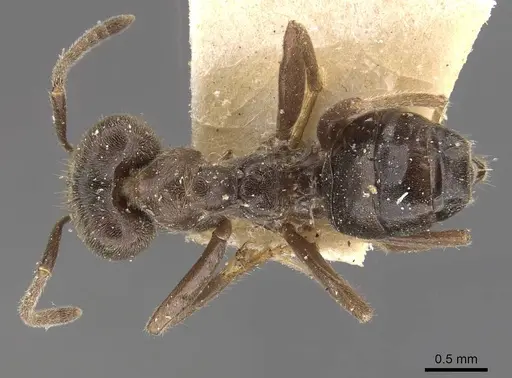
Literature
Loading distribution map...Loading products...