
Azteca ovaticeps
- Sci. Name
- Azteca ovaticeps
- Tribe
- Leptomyrmecini
- Subfamily
- Dolichoderinae
- Author
- Forel, 1904
- Distribution
- Found in 7 countries
Introduction
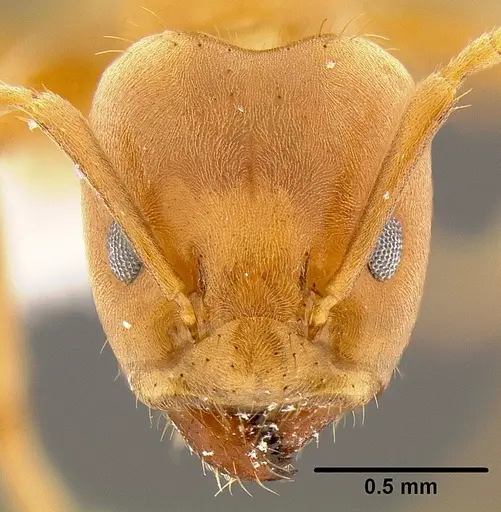
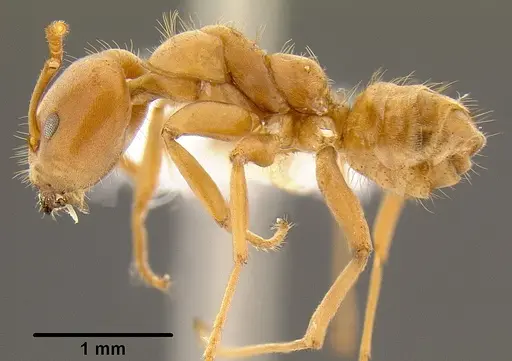
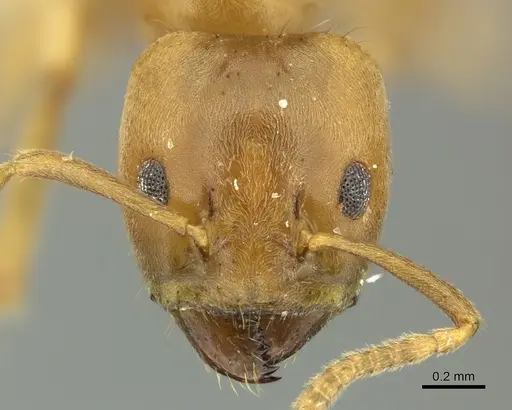
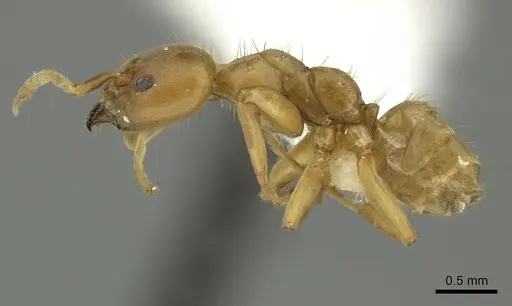
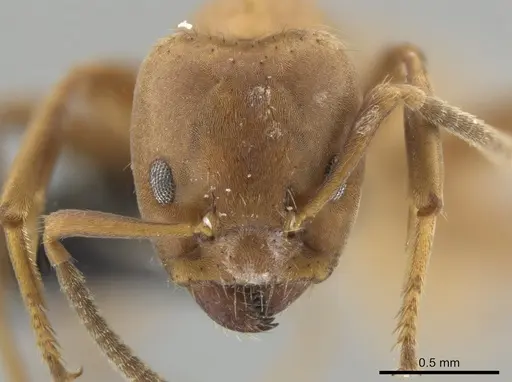
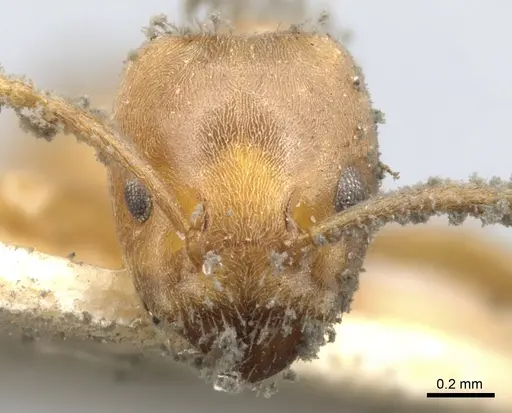
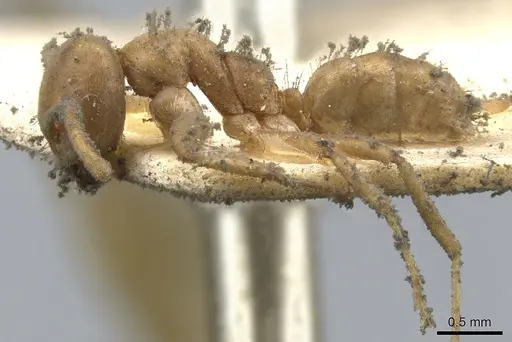
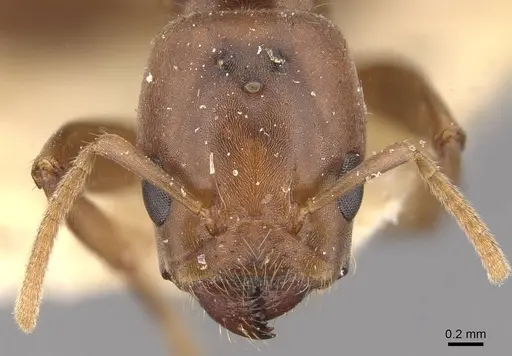
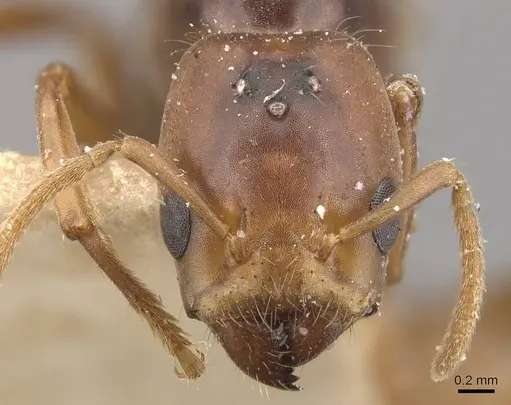
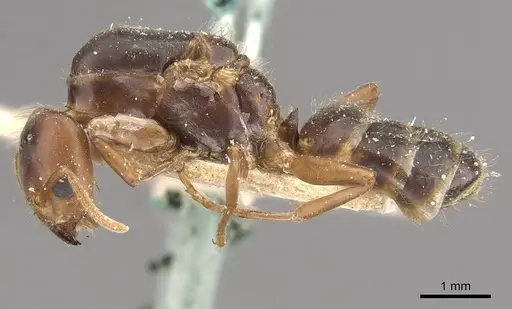
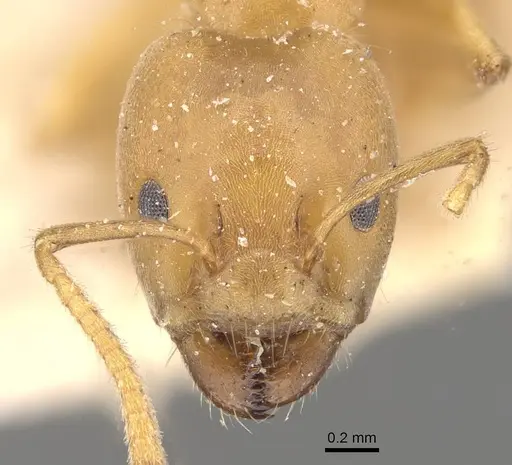
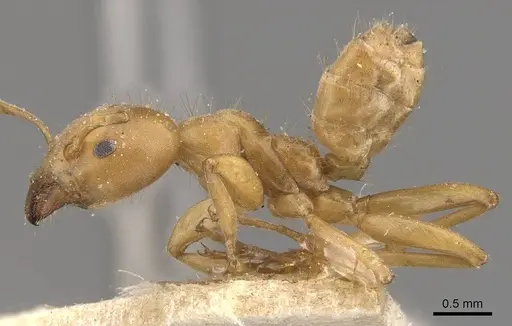
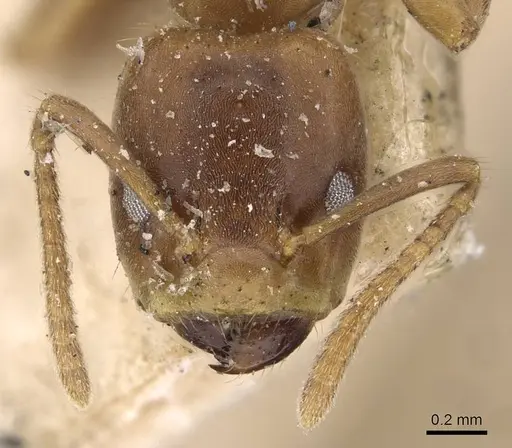
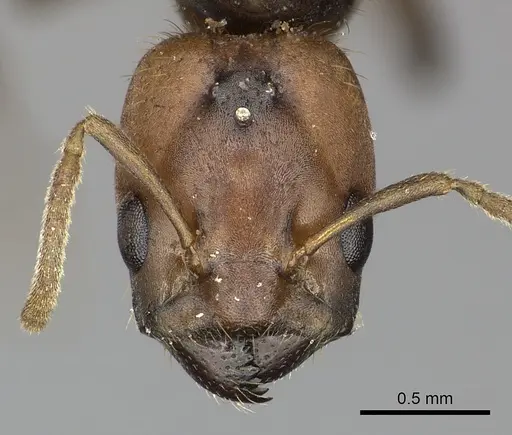
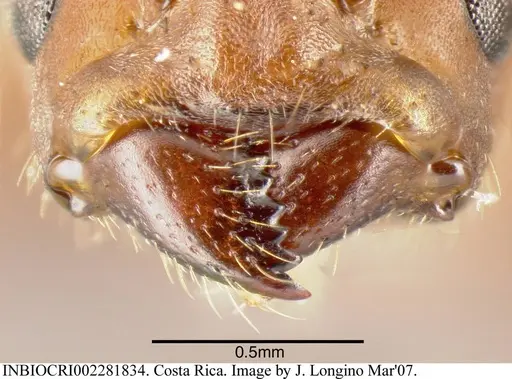
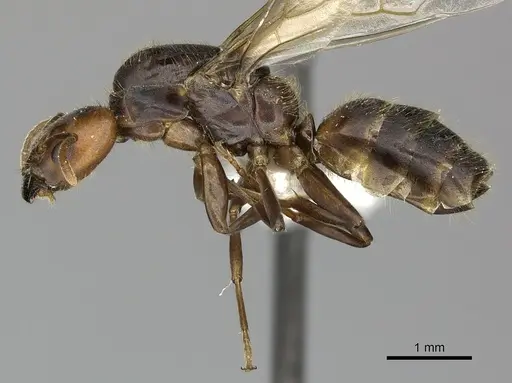
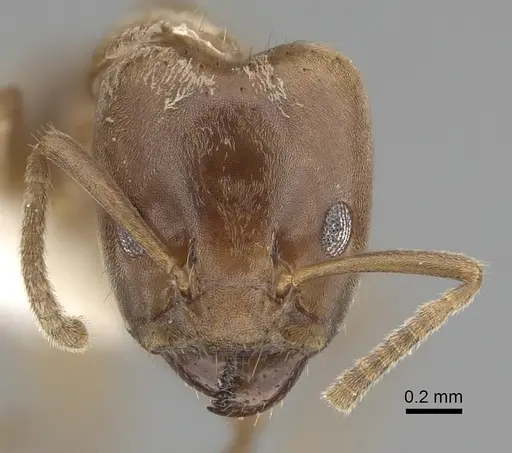
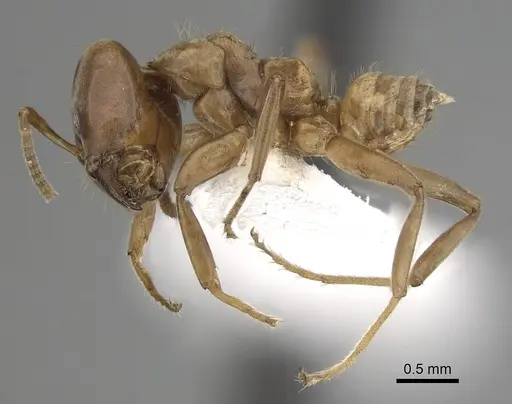
Azteca ovaticeps is a small arboreal ant in the Dolichoderinae subfamily. It is an obligate Cecropia ant, living exclusively inside hollow stems of Cecropia trees . Workers have a scruffy appearance due to numerous setae on the mesonotum, distinguishing them from the cleaner-looking A. alfari . Queens are light reddish-brown, unlike the typically black A. alfari . This species ranges from Costa Rica to Amazonian Brazil and Bolivia, preferring mature forests, older second-growth areas, and river banks . A. ovaticeps forms polydomous nests, spreading across multiple internodes of its host tree . It engages in mutualism with Cecropia trees, receiving food bodies and protection while defending the tree against herbivores and army ants . In some cases, it forms mixed colonies with A. andreae, though A. ovaticeps workers eventually disappear as the other colony grows .
Quick Summary
- Difficulty: Expert
- Origin & Habitat: Neotropical rainforests from Costa Rica to Amazonian Brazil and Bolivia, found in mature forests, older second-growth areas, and river banks [1].
- Colony Type: Polydomous colonies living in multiple connected chambers within Cecropia tree stems.
- Size & Growth:
- Queen: Size data unavailable, no total length measurements in literature
- Worker: Size data unavailable, no total length measurements in literature
- Colony: Up to 6,000 workers in mixed colonies with A. andreae [7]
- Growth: Rapid [4]
- Development: Unknown, specific timeline not documented [4] (Colony development is rapid with early reproductive allocation, suited for colonizing new Cecropia hosts [4].)
- Antkeeping:
- Temperature: Warm conditions around 24-28°C, inferred from tropical range [1]
- Humidity: Keep substrate consistently moist but not waterlogged, typical of rainforest habitats
- Diapause: No, tropical species does not undergo hibernation [1]
- Nesting: Obligate Cecropia ant, requires living Cecropia stems or artificial chambers mimicking hollow internodes [4]
- Behavior: Aggressive defenders of host tree, showing vigorous response to disturbance [4]. Effective at repelling army ant raids [5][6]. Workers forage for Müllerian bodies and honeydew, with only occasional predation [8]. Escape risk is moderate due to small size, but arboreal nature requires secure barriers.
- Common Issues: obligate Cecropia requirement makes captive husbandry extremely difficult, cannot be kept in standard formicaria, queen mortality from parasitoids can reach 21% in first six weeks after colonization [4], mixed colonies with A. andreae result in eventual displacement of A. ovaticeps workers [7], rejects standard ant baits like tuna or cheese, requires Müllerian bodies or honeydew [4], requires live Cecropia plant or complex artificial setup to thrive long-term
The Cecropia Partnership
Azteca ovaticeps is an obligate Cecropia ant, meaning it cannot survive without its host plant [1]. Cecropia trees provide hollow stems for nesting and Müllerian bodies as food, while the ants offer protection against herbivores and army ants [4][7][8]. Workers recognize Müllerian bodies as food and colonize trees at prostomata [4]. They also tend hemipterans for honeydew, making their diet primarily sugar-based [8]. In the wild, A. ovaticeps is common in Cecropia trees, found in 25% of examined trees in one study [9].
Why This Ant is Difficult to Keep
A. ovaticeps is one of the most challenging ants to keep due to its obligate relationship with Cecropia plants. It requires living Cecropia stems or artificial setups mimicking hollow internodes [4]. Standard formicaria are unsuitable. Additionally, they reject common ant baits like tuna and cheese, relying on Müllerian bodies or honeydew [4]. This makes nutrition difficult in captivity. Only advanced antkeepers with resources for live plants or complex setups should attempt this species.
Behavior and Defense
Workers are aggressive defenders, mounting vigorous attacks when disturbed [4]. Their defense is effective against army ants, which avoid occupied Cecropia trees [5][6]. As Dolichoderinae, they use smear defense with abdominal secretions, lacking a functional sting. Workers primarily forage for food bodies and honeydew, with occasional predation [8]. In mixed colonies with A. andreae, A. ovaticeps workers disappear once the other colony reaches about 6,000 workers [7].
Natural History and Distribution
A. ovaticeps ranges from Costa Rica to Amazonian Brazil and Bolivia, preferring mature forests, older second-growth areas, and river banks [1]. It is part of the alfari species complex and often sympatric with A. alfari, but distinguished by more setae on the mesonotum [1]. In the Pantanal, it is frequent in floodable habitats [10]. The species is polydomous, nesting in multiple tree internodes [2][3].
Care Requirements for Keepers
To keep A. ovaticeps, provide a living Cecropia plant or artificial nest mimicking hollow stems [4]. Maintain warm temperatures around 24-28°C and high humidity with moist substrate [1]. Food must include Müllerian bodies or substitutes like honeydew and small insects [4][8]. Avoid standard formicaria. This species is expert-level only due to its specialized needs.
Frequently Asked Questions
Can I keep Azteca ovaticeps in a test tube or formicarium?
No. Azteca ovaticeps is an obligate Cecropia ant and requires living plant stems or artificial chambers mimicking hollow internodes [4]. Standard setups are unsuitable.
What do Azteca ovaticeps eat?
They primarily eat Müllerian bodies from Cecropia trees and honeydew from hemipterans [4][8]. They reject standard baits like tuna or cheese.
Are Azteca ovaticeps good for beginners?
No. This species is expert-level due to its obligate Cecropia requirement and specialized diet [4]. Most antkeepers should start with easier species.
How big do Azteca ovaticeps colonies get?
Colonies can reach up to 6,000 workers in mixed colonies with A. andreae [7]. They are polydomous, spreading across multiple tree internodes.
Do Azteca ovaticeps need hibernation?
No. As a tropical species, they do not undergo diapause or hibernation [1]. Keep them warm year-round.
Where is Azteca ovaticeps found?
From Costa Rica to Amazonian Brazil and Bolivia, preferring mature forests and river banks [1].
How long does it take for Azteca ovaticeps to develop from egg to worker?
The specific timeline is unknown, but colony development is rapid with early reproductive allocation [4].
Can I keep multiple Azteca ovaticeps queens together?
This has not been studied. Colonies are polydomous, but queen number is unconfirmed. Combining queens is not recommended without evidence.
Why are my Azteca ovaticeps dying?
Likely due to inadequate housing without a Cecropia host plant or improper food. Queen mortality from parasitoids can reach 21% in the wild [4].
Report an Issue
The current care sheet is based fully on literature. See inconsistencies, or something that's incorrect? Please , it will be resolved after review from an admin. Contributing to the blogs tab also helps providing information, to make us be able to further improve the caresheets. Thank you for your support!
References

This caresheet is licensed under CC BY-SA 4.0 .
Community Blogs
CASENT0106110
View on AntWeb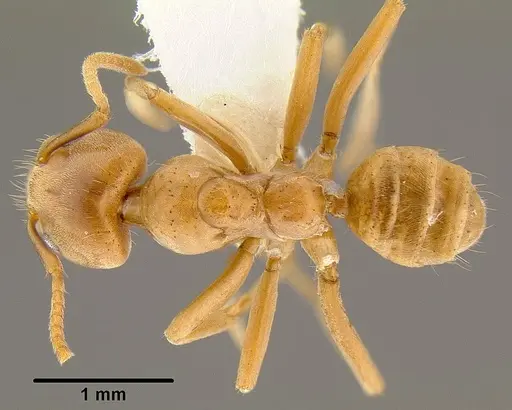
CASENT0619167
View on AntWeb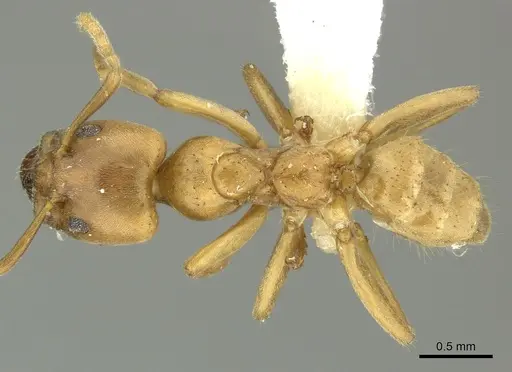
CASENT0649880
View on AntWeb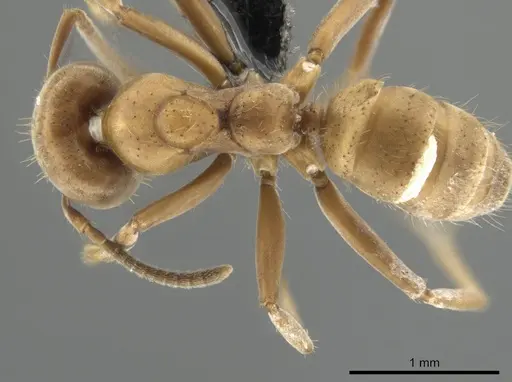
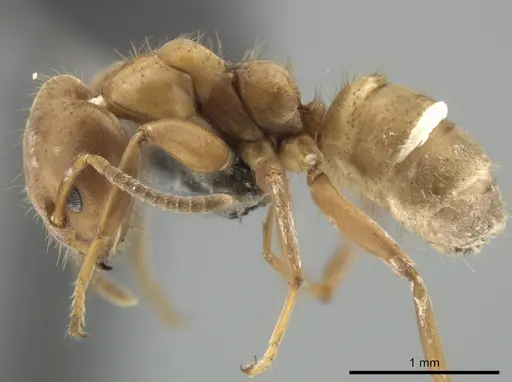
CASENT0903004
View on AntWeb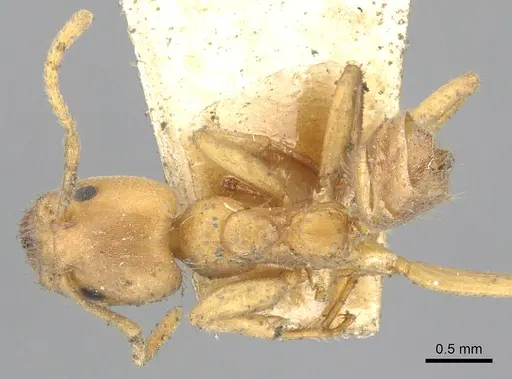
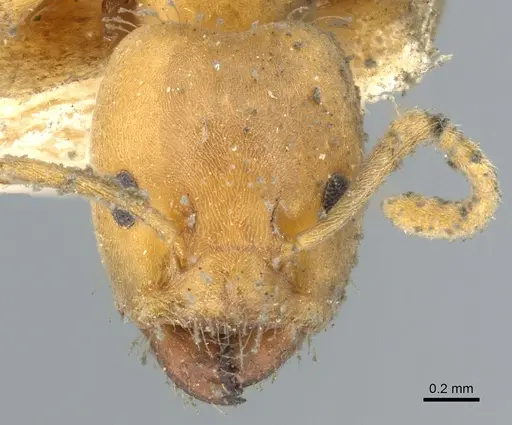
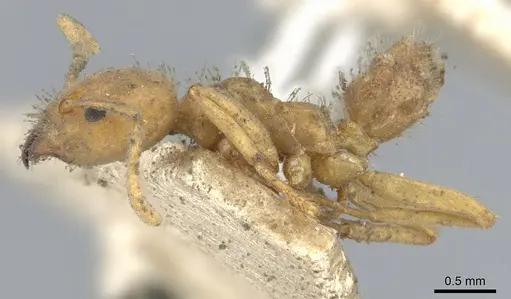
CASENT0903005
View on AntWeb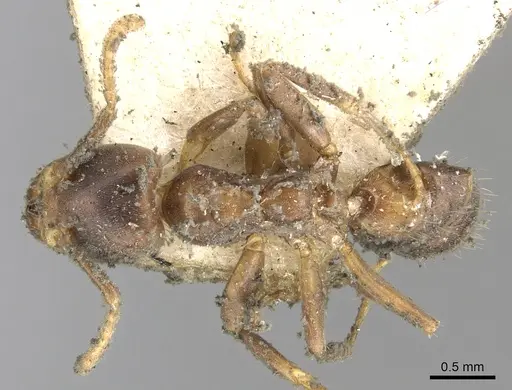
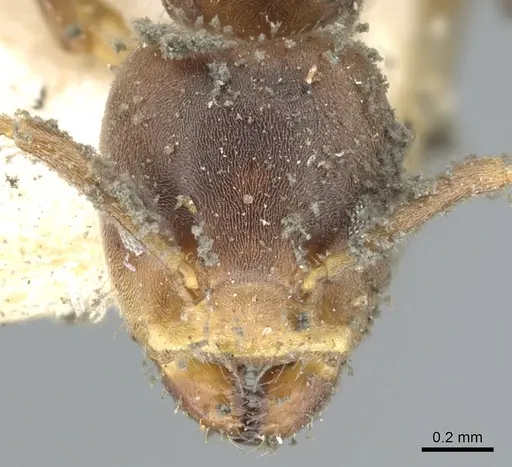
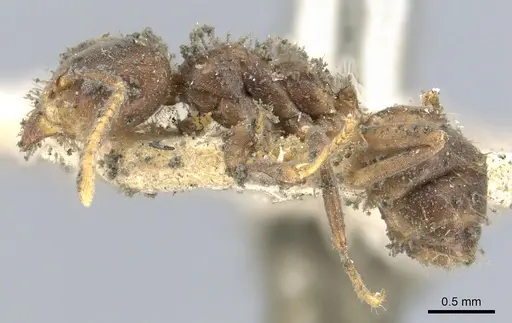
CASENT0903006
View on AntWeb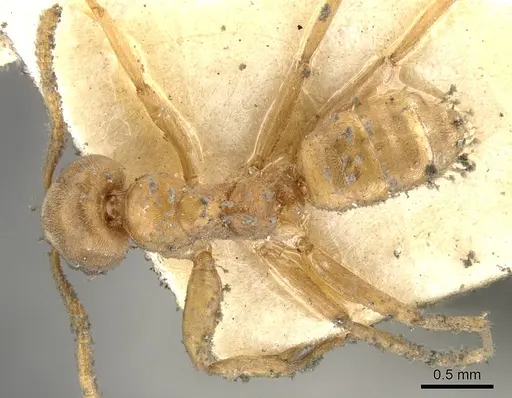
CASENT0909583
View on AntWeb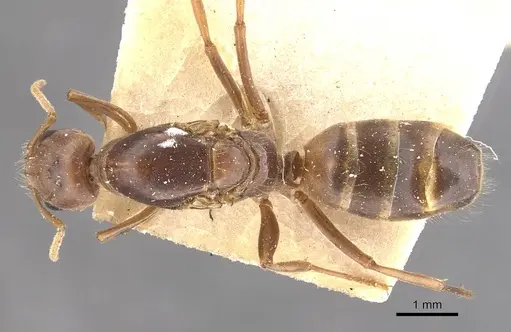
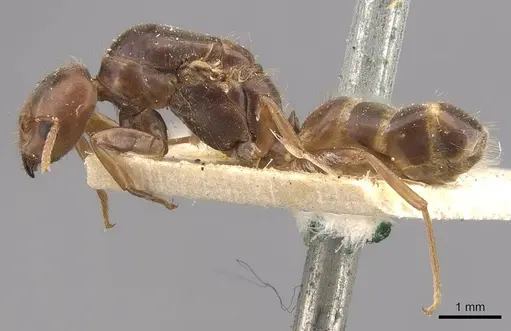
CASENT0909584
View on AntWeb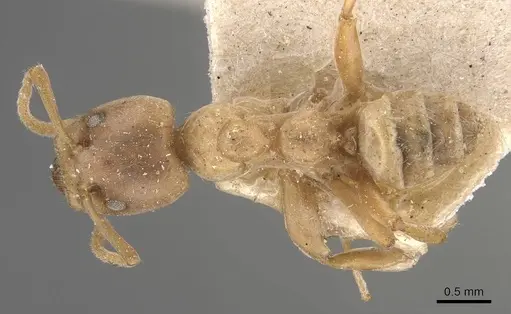
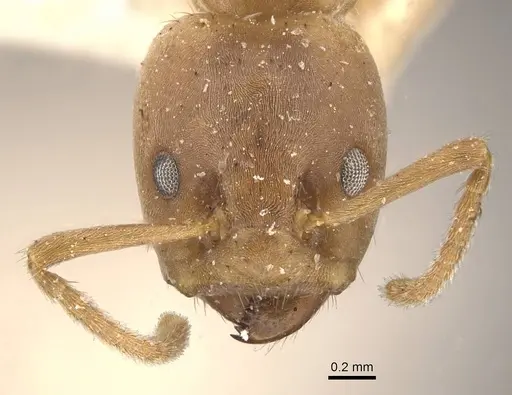
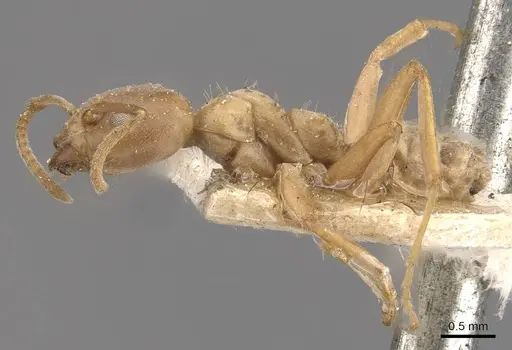
CASENT0909590
View on AntWeb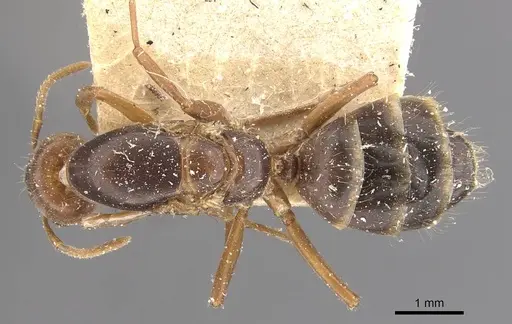
CASENT0909591
View on AntWeb
CASENT0909595
View on AntWeb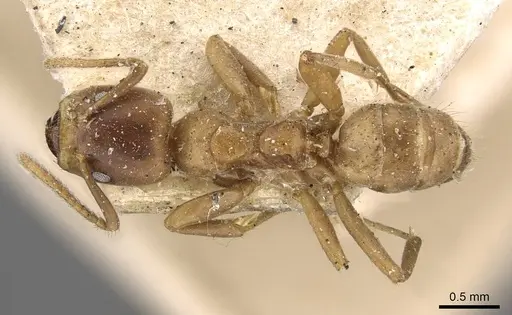
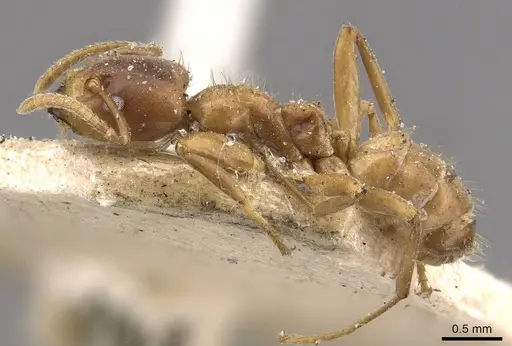
CASENT0917846
View on AntWeb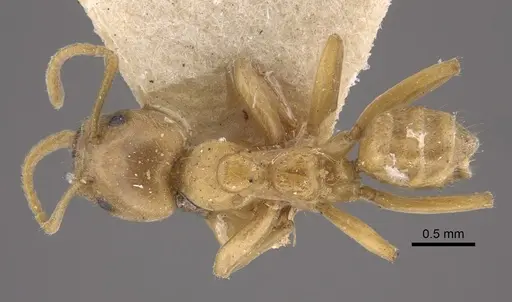
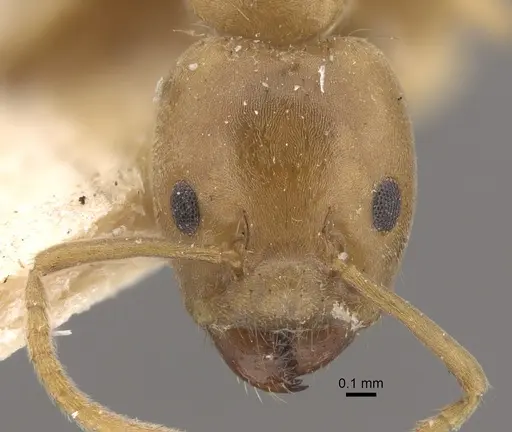
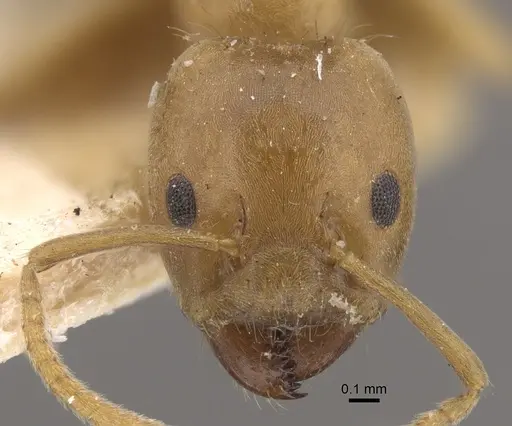
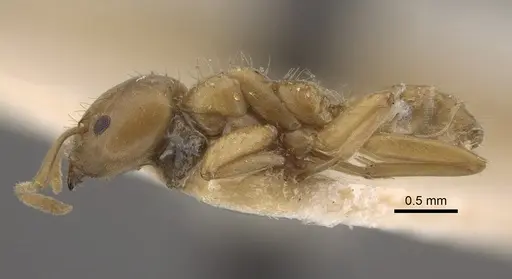
ECOFOG-GAL18-0038-11
View on AntWeb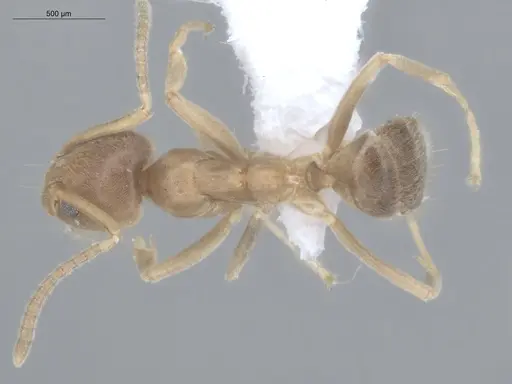
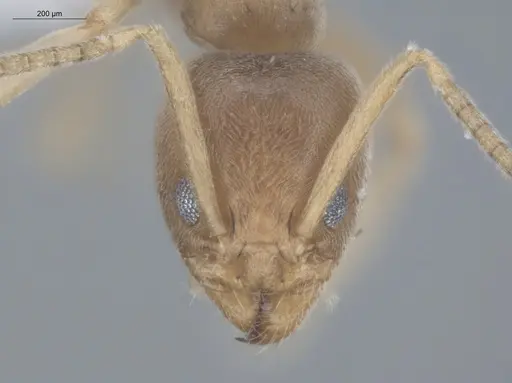
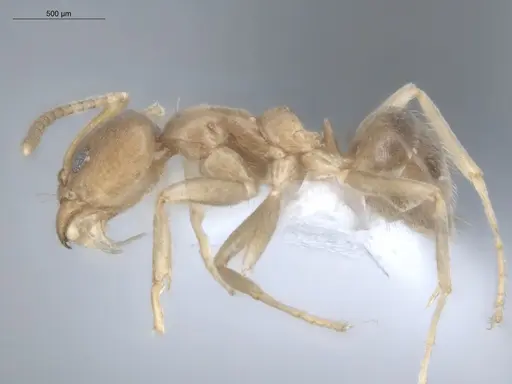
INBIOCRI002281834
View on AntWeb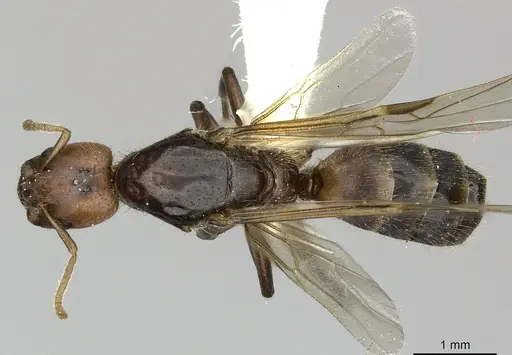
JTLC000009535
View on AntWeb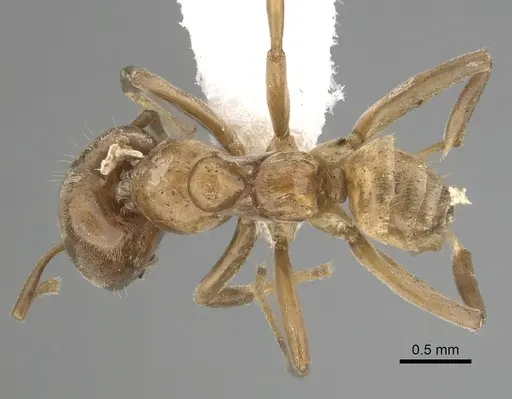
Literature
Loading distribution map...Loading products...