
Azteca lanuginosa
- Sci. Name
- Azteca lanuginosa
- Tribe
- Leptomyrmecini
- Subfamily
- Dolichoderinae
- Author
- Emery, 1893
- Distribution
- Found in 1 countries
Introduction
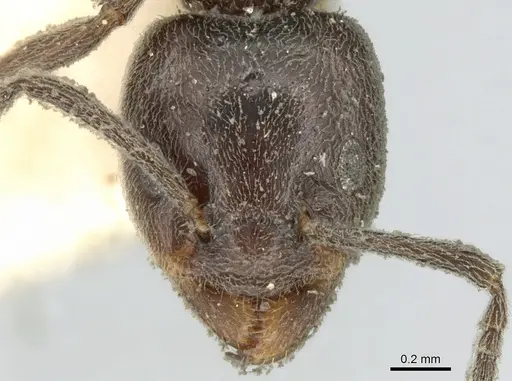
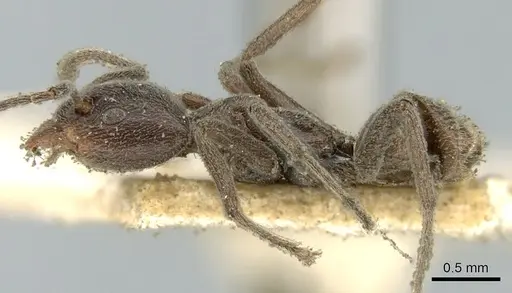
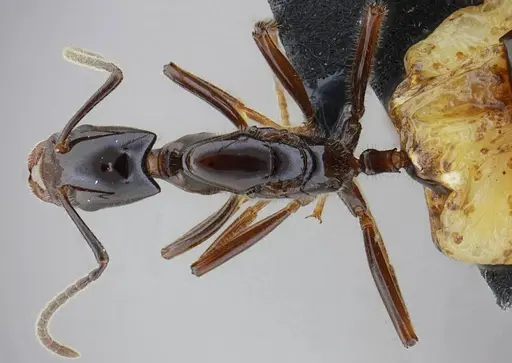
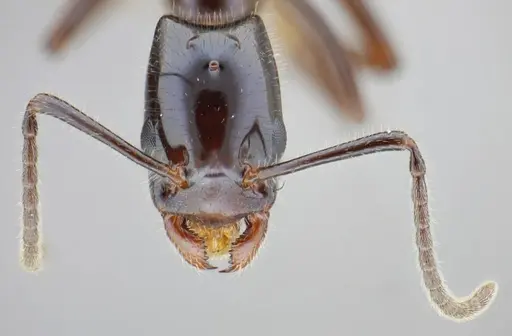
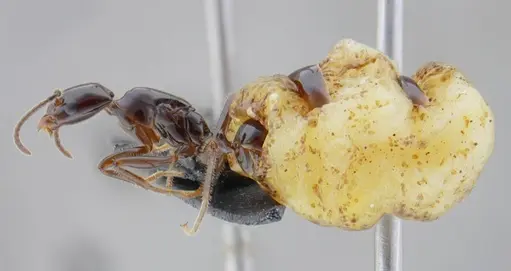
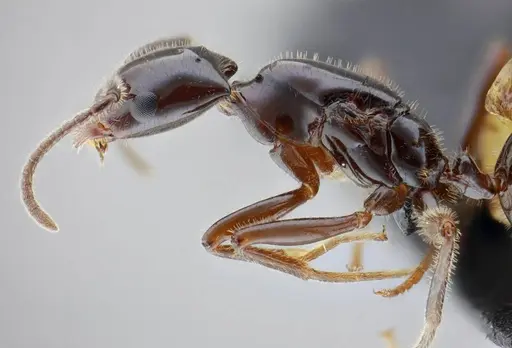
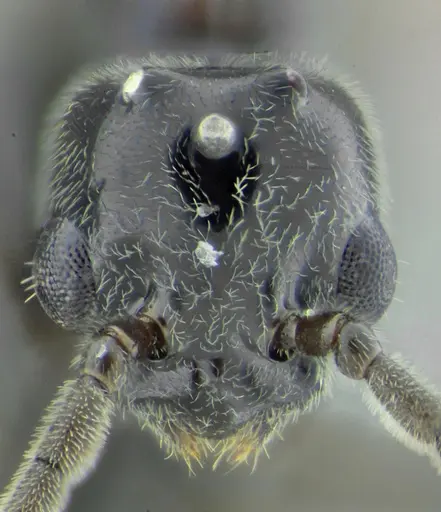
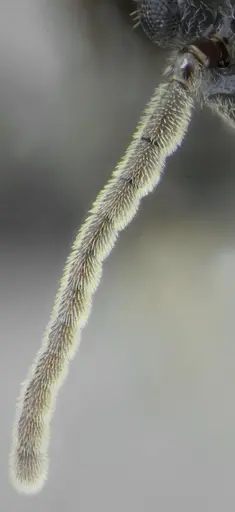
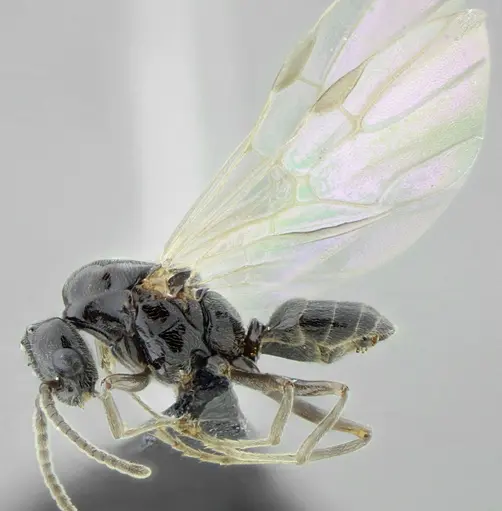
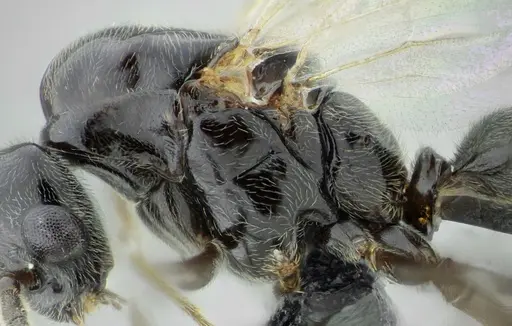
Azteca lanuginosa is a small arboreal ant species native to southern Brazil and northern Argentina. Workers are about 3-4 mm in total length and are uniformly brown with a dense, woolly appearance due to erect hairs . This species belongs to the Azteca aurita group and is closely related to A. schimperi and A. andreae . In the wild, they build carton nests on Cecropia trees . A key behavior is their group hunting technique: workers ambush prey by hiding under leaf margins with mandibles wide open, then attack simultaneously to capture large insects .
Quick Summary
- Difficulty: Medium
- Origin & Habitat: Southern Brazil and northern Argentina in lowland tropical forests, arboreal species nesting in carton structures on Cecropia trees [3][4]
- Colony Type: Unconfirmed, but likely single-queen colonies based on Azteca genus patterns
- Size & Growth:
- Queen: Size data unavailable, no total length measurements in literature
- Worker: 3-4 mm total length [1]
- Colony: Unknown, no specific data on colony size
- Growth: Moderate, estimated based on tropical Dolichoderinae patterns
- Development: Estimated 6-8 weeks at 25-28°C based on genus patterns (Development timeline is not directly studied, estimates based on typical Azteca development)
- Antkeeping:
- Temperature: Keep warm, around 24-28°C, as they are tropical species [10]
- Humidity: High humidity is needed, keep nest substrate moist but not waterlogged [10]
- Diapause: No diapause required due to tropical origin
- Nesting: Arboreal setup with vertical space, use Y-tong, plaster, or 3D-printed nests with access to outworld [3][4]
- Behavior: Workers are active foragers with group ambush hunting. They are agile escapees due to small size. Not aggressive towards humans but will defend nest. Defense mechanism is smear-based, as typical for Dolichoderinae, lacking a sting.
- Common Issues: insufficient vertical space can cause stress and reduce foraging efficiency, dry conditions can deteriorate carton nests, cold temperatures below 20°C can stress colonies, small worker size requires careful escape prevention with tight barriers
Nest Preferences and Housing
Azteca lanuginosa is an arboreal species that naturally builds carton nests in trees, particularly on Cecropia plants [3][4]. In captivity, use a Y-tong, plaster, or 3D-printed nest with small chambers scaled to their tiny size. Provide vertical space since they live in trees. Connect the nest to a spacious outworld with climbing surfaces like cork bark. Keep the nest humid to maintain carton structure [10].
Feeding and Diet
Workers are generalist predators that hunt using group ambush techniques [5][6][7][8][9]. Offer small live prey like fruit flies, pinhead crickets, and mealworms. They also collect honeydew, so provide sugar water or honey occasionally. Remove uneaten prey after 24 hours to prevent mold.
Temperature and Care
Maintain temperatures between 24-28°C for optimal health. Use a gentle heat source if room temperature is cool. Humidity should be high, mist the outworld occasionally and keep nest substrate damp but not waterlogged [10]. Ensure good ventilation to prevent mold.
Behavior and Temperament
Workers hide under leaf edges with mandibles open, then attack prey simultaneously [5][6][7][8][9]. This makes them entertaining but requires space. They are not aggressive toward humans but will defend their nest. Escape risk is moderate due to small size, use tight barriers.
Colony Structure and Growth
Colony structure is unconfirmed, but Azteca species often form single-queen colonies. They are polydomous, maintaining multiple nest sites connected by trails [11]. Growth is moderate, colonies may reach several hundred workers over time. Patience is key for small arboreal ants.
Frequently Asked Questions
How long does it take for Azteca lanuginosa to produce first workers?
Based on typical Azteca development, expect first workers in about 6-8 weeks after queen lays eggs, with temperatures at 24-28°C. This is an estimate since direct studies are lacking.
Can I keep Azteca lanuginosa in a test tube setup?
Yes, for founding colonies, but add vertical space or connect multiple tubes at different heights to suit their arboreal nature. Keep the cotton damp.
What do Azteca lanuginosa eat?
They hunt small insects like fruit flies and crickets, and also consume honeydew. Offer protein prey 2-3 times per week and sugar sources regularly [5][6][7][8][9].
Are Azteca lanuginosa good for beginners?
This species is Medium difficulty due to specific needs like warm temperatures, high humidity, and vertical space. Experienced keepers may find them more suitable.
Do Azteca lanuginosa need hibernation?
No, as a tropical species, they do not require diapause. Activity may reduce in cooler months, but no special cooling is needed.
How big do Azteca lanuginosa colonies get?
Colony size is unknown, but based on related species, they may reach several hundred workers over time.
Why do my Azteca lanuginosa workers hide under things?
This is normal ambush hunting behavior. Workers hide under surfaces with mandibles open to capture prey [5][6][7][8][9].
When should I move my colony to a formicarium?
Move when the colony has 20-30 workers and the test tube is crowded. Choose a nest with vertical space for arboreal ants.
Can I keep multiple Azteca lanuginosa queens together?
Not recommended, as Azteca species typically form single-queen colonies. Combining queens may lead to fighting.
Report an Issue
The current care sheet is based fully on literature. See inconsistencies, or something that's incorrect? Please , it will be resolved after review from an admin. Contributing to the blogs tab also helps providing information, to make us be able to further improve the caresheets. Thank you for your support!
References

This caresheet is licensed under CC BY-SA 4.0 .
Community Blogs
CASENT0905092
View on AntWeb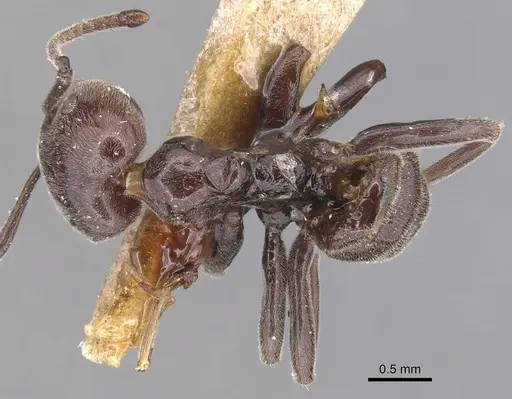
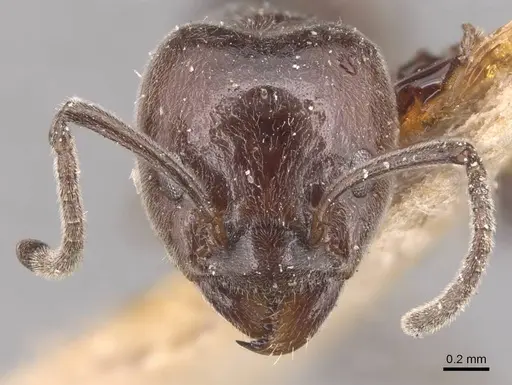
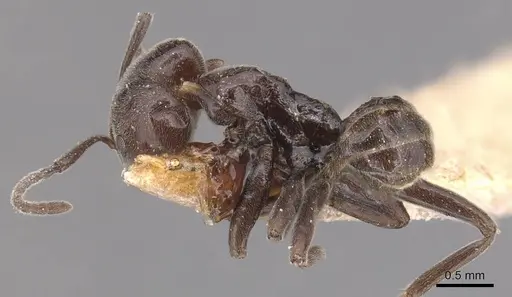
CASENT0906238
View on AntWeb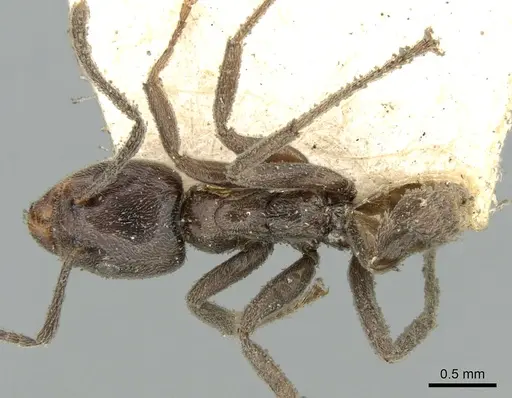
UFV-LABECOL-000274
View on AntWeb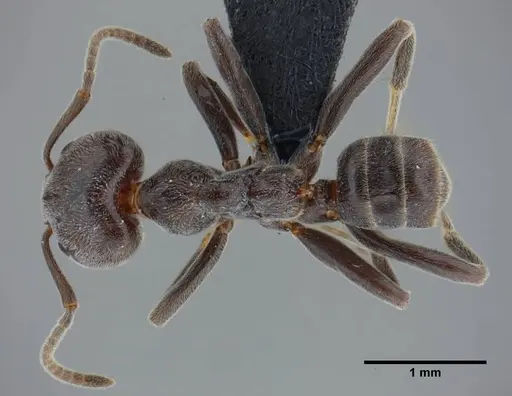
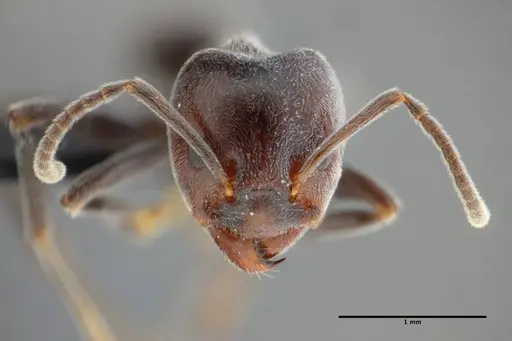
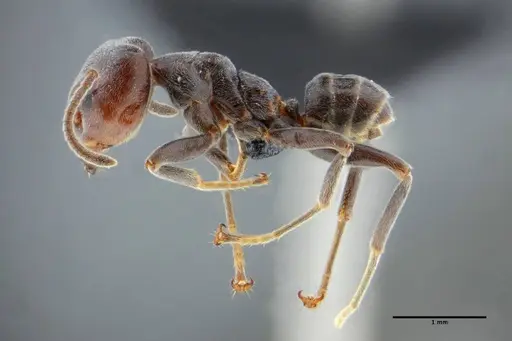
UFV-LABECOL-001973
View on AntWeb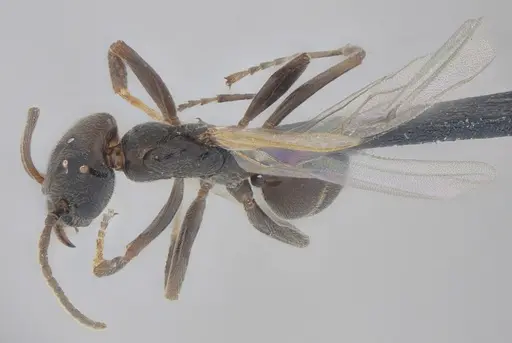
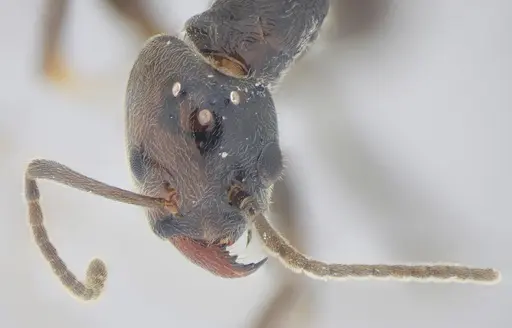
UFV-LABECOL-007525
View on AntWeb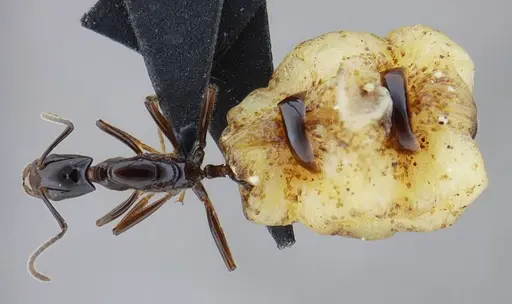
UFV-LABECOL-007532
View on AntWeb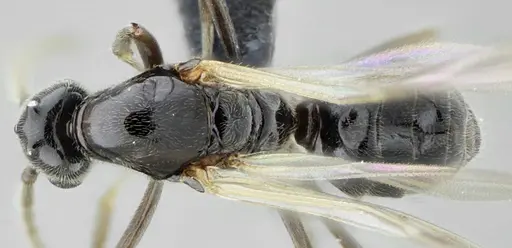
Literature
Loading distribution map...Loading products...