
Azteca isthmica
- Sci. Name
- Azteca isthmica
- Tribe
- Leptomyrmecini
- Subfamily
- Dolichoderinae
- Author
- Wheeler, 1942
- Distribution
- Found in 1 countries
Introduction
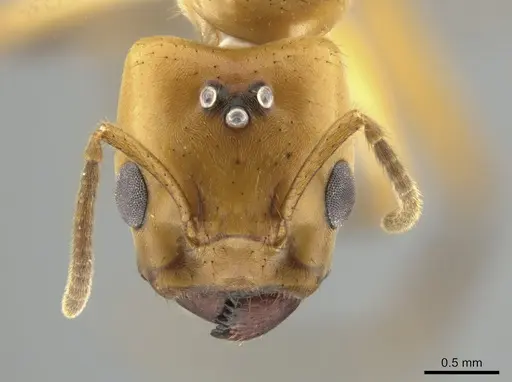
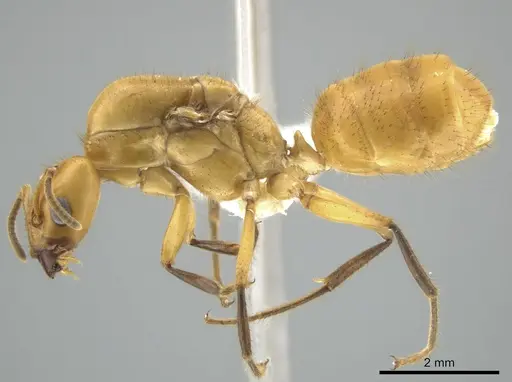
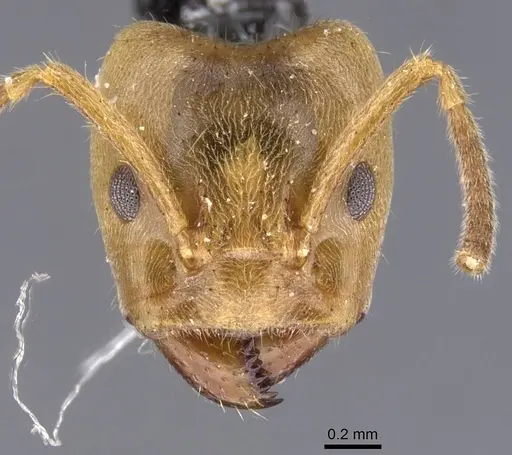
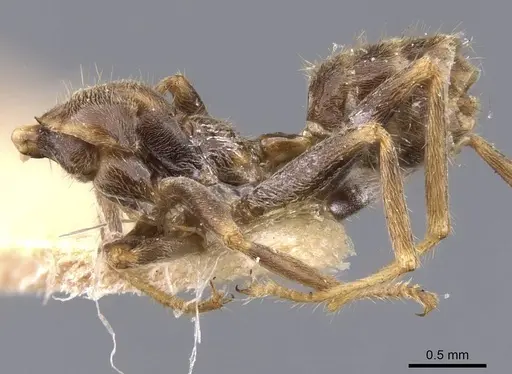
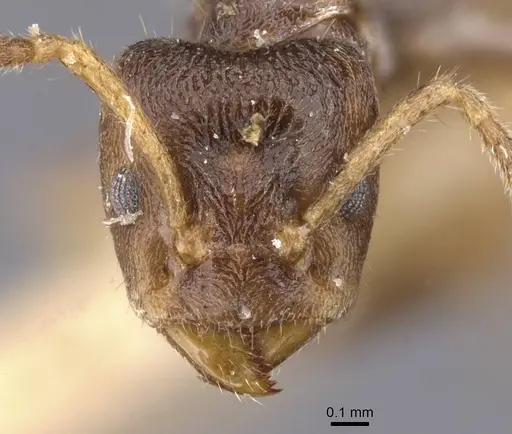
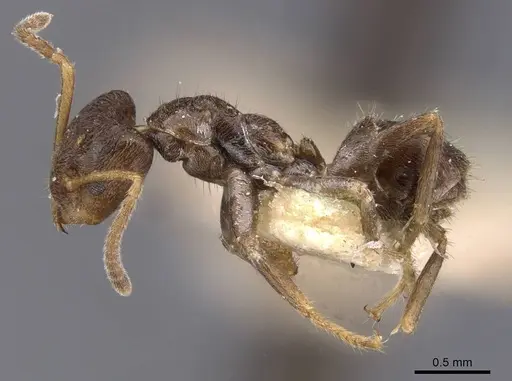
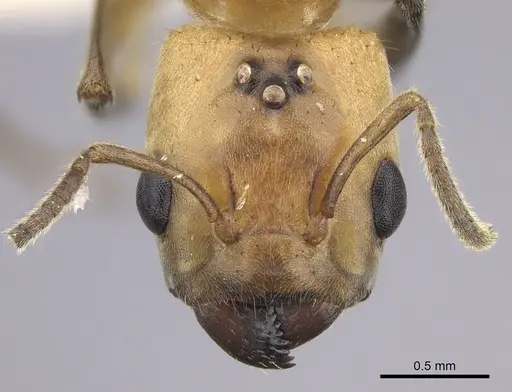
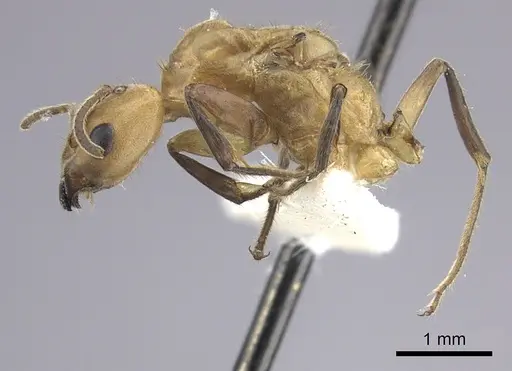
Azteca isthmica is a tropical ant species belonging to the Dolichoderinae subfamily, known for its specialized relationship with Cecropia trees. Queens are mottled orange to pure orange in color, with large subpyramidal petioles and densely pilose tibae . This species is a member of the muelleri complex, a group of Azteca ants that have evolved specialized nesting behaviors within Cecropia trees . Workers and queens were originally described by Wheeler in 1942 from Panama's Canal Zone . These ants are part of the classic Azteca-Cecropia mutualism, where the ants live inside the hollow stems of Cecropia trees and defend their host plant from herbivores in exchange for shelter and food bodies. The species has been recorded across the Neotropical region, from Panama through Colombia to Brazil's Pará state .
Quick Summary
- Difficulty: Medium
- Origin & Habitat: Neotropical region, Panama, Colombia, and Brazil (Pará). Found in Cecropia trees in both floodable and non-floodable habitats in the Pantanal, and abundant in dryland forest habitats [5][3].
- Colony Type: Likely monogyne (single queen colony), typical for Cecropia-inhabiting Azteca species. Forms central carton structures in tree boles [1].
- Size & Growth:
- Queen: Size data unavailable.
- Worker: Size data unavailable.
- Colony: Several hundred to a few thousand workers, estimated from related Cecropia-inhabiting Azteca species.
- Growth: Moderate
- Development: Estimated 6-8 weeks at tropical temperatures (25-28°C) based on genus patterns, no specific data for this species. (Development timeline not specifically studied for this species. Tropical species typically develop faster than temperate species.)
- Antkeeping:
- Temperature: Tropical species, maintain warm conditions (approximately 24-28°C). Use a heat mat on one side to create a gradient. Avoid prolonged temperatures below 22°C [3].
- Humidity: High humidity required, keep nest substrate moist but not waterlogged. Provide a moisture gradient. They are adapted to humid interiors of Cecropia stems [5].
- Diapause: No, as a tropical species, they do not require hibernation. Maintain warm conditions year-round [3].
- Nesting: Specialized Cecropia-inhabiting ant. In captivity, use Y-tong, plaster, or naturalistic setups with vertical space (e.g., hollow branches, cork sections). Provide climbing structures. Do not use acrylic nests [1][5].
- Behavior: Generally peaceful toward conspecifics but defensive of their territory. They are arboreal ants, spending most of their time climbing. Workers are active, fast foragers. Due to their small size (unknown), use standard escape prevention (fluon, oil). They may show aggression when the nest is disturbed.
- Common Issues: tropical species requires consistent warmth, cold temperatures can slow or stop brood development, high humidity needs can lead to mold problems if ventilation is inadequate, arboreal nature means they prefer climbing surfaces, flat nests may be underutilized, wild-caught colonies may have parasites or struggle to adapt from Cecropia trees, specialized Cecropia relationship may make captive founding challenging without appropriate nesting structures
Natural History and Host Plant Relationship
Azteca isthmica is one of the classic Cecropia-inhabiting ants, forming a mutualistic relationship with Cecropia trees (particularly Cecropia pachystachya). The ants nest inside the hollow stems (trunks) of their host trees, where they construct central carton structures from chewed plant material [1]. This relationship benefits both parties: the ants receive shelter and food bodies (Müllerian bodies) produced by the tree, while the tree receives protection from herbivores and competing plants. In the Pantanal region of Brazil, these ants have been found in both floodable gallery forests and non-floodable capão (forest islands), showing some habitat flexibility [5]. The species was originally described from Panama's Canal Zone and has since been recorded in Colombia and Brazil's Pará state [3]. The mean distance of nest entrance holes from the branch apex is about 9.62 cm, with an average distance of 119.52 cm from the branch insertion point [5].
Nest Structure and Housing in Captivity
In the wild, Azteca isthmica creates nests inside Cecropia tree stems with multiple entrance holes (1-5 per branch). The mean number of entrance holes differs between habitats, floodable areas average 4 holes while non-floodable areas average 2 holes [5]. For captive care, you'll want to replicate this arboreal nesting environment. Use Y-tong (AAC) or plaster nests with multiple connected chambers, or create a naturalistic setup with vertical PVC pipes or bamboo sections. Provide climbing structures like twigs, cork bark, or mesh so workers can traverse their enclosure naturally. These ants are arboreal by nature, so they prefer moving upward rather than across flat surfaces. The nest should have good ventilation while maintaining high humidity, this can be achieved by placing a water reservoir connected to the nest area without direct flooding [5].
Temperature and Humidity Requirements
As a tropical Neotropical species [3], Azteca isthmica requires warm and humid conditions. It occurs in both floodable and non-floodable habitats in the Pantanal [5], which suggests adaptability but still a need for moisture. Keep the nest area at approximately 24-28°C (75-82°F). A heating cable placed on one side of the nest creates a gentle temperature gradient that allows the ants to regulate their own exposure to warmth. Avoid temperatures below 22°C as prolonged cold can slow brood development and weaken colonies. For humidity, keep the nest substrate consistently moist but not waterlogged. These ants are adapted to the humid interior of Cecropia tree stems, so aim for a high-humidity environment. Monitor for condensation on nest walls, some condensation is good, but excessive moisture can lead to mold problems [3][5].
Feeding and Diet
Azteca isthmica is a Cecropia-inhabiting species [1] and likely consumes Müllerian food bodies and honeydew in the wild. In captivity, offer a varied diet: sugar water or honey water should be available constantly (they'll readily accept these). For protein, provide small insects like fruit flies, small crickets, or mealworms. You can also offer small pieces of fruit or seeds occasionally. Feed protein sources 2-3 times per week, and keep sugar water available at all times. Remove any uneaten prey after 24-48 hours to prevent mold. These ants are active foragers, so they will readily explore and exploit food resources in their outworld [1].
Colony Development and Growth
The colony structure of Azteca isthmica follows the typical pattern for Cecropia-inhabiting Azteca species, with likely a single queen (monogyne) per colony. The queen is described as mottled orange to pure orange in color, with large subpyramidal petioles [1]. Based on related species, colonies can grow to several hundred to a few thousand workers. Development from egg to worker likely takes 6-8 weeks at optimal tropical temperatures (25-28°C), though this has not been specifically documented for this species. The first workers (nanitics) will be smaller than mature workers. Growth rate is moderate, faster than temperate species but not as rapid as some tropical specialists. Provide stable conditions and adequate nutrition to support healthy colony growth [1].
Behavior and Temperament
Azteca isthmica workers are active and agile foragers, typical of arboreal Dolichoderinae ants. They are generally not aggressive toward keepers but will defend their nest if threatened. Their natural behavior involves patrolling the Cecropia tree canopy, so they will spend considerable time climbing on any structures you provide [1]. When establishing a new colony, give the queen and workers time to settle before disturbing them. Once established, they are relatively hardy and can tolerate some disturbance. They do not possess a sting, as Dolichoderinae, they use chemical defense (smear) instead [1].
Frequently Asked Questions
How long does it take for Azteca isthmica to raise their first workers?
Based on typical Azteca development patterns, expect an estimated 6-8 weeks from egg to first worker at optimal temperatures (25-28°C). This is an estimate since specific development data for this species is not available [1].
What do Azteca isthmica ants eat?
They are omnivorous like most Azteca species. Offer sugar water or honey water constantly, and provide protein sources like small insects (fruit flies, pinhead crickets, mealworms) 2-3 times per week. They may also accept small pieces of fruit [1].
Do Azteca isthmica ants need hibernation?
No, they are tropical ants and do not require hibernation or diapause. Keep them warm year-round at approximately 24-28°C [3].
Can I keep Azteca isthmica in a test tube setup?
Test tubes can work for founding colonies, but these arboreal ants prefer vertical space and climbing structures. Consider moving to a Y-tong or naturalistic setup once the colony reaches a reasonable size [1].
Are Azteca isthmica good for beginners?
They are rated as medium difficulty. They require warm, humid tropical conditions which can be challenging to maintain consistently. If you have experience with tropical ant species, they can be a rewarding species to keep [3].
How big do Azteca isthmica colonies get?
Based on related Cecropia-inhabiting Azteca species, colonies likely reach several hundred to a few thousand workers at maturity [1].
What temperature is best for Azteca isthmica?
Keep them at approximately 24-28°C (75-82°F). A heating cable on one side of the nest can help maintain these temperatures, especially in cooler room conditions [3].
Why are my Azteca isthmica not using their nest?
This could be due to incorrect humidity (too dry), temperature issues, or they may simply prefer to cluster in the outworld. Make sure the nest environment is humid enough and consider adding climbing structures to encourage nest use [5].
Where is Azteca isthmica found in the wild?
They are native to the Neotropical region, specifically Panama, Colombia, and Brazil (Pará state). They live inside Cecropia trees in tropical forests [3][4].
Report an Issue
The current care sheet is based fully on literature. See inconsistencies, or something that's incorrect? Please , it will be resolved after review from an admin. Contributing to the blogs tab also helps providing information, to make us be able to further improve the caresheets. Thank you for your support!
References

This caresheet is licensed under CC BY-SA 4.0 .
Community Blogs
CASENT0633532
View on AntWeb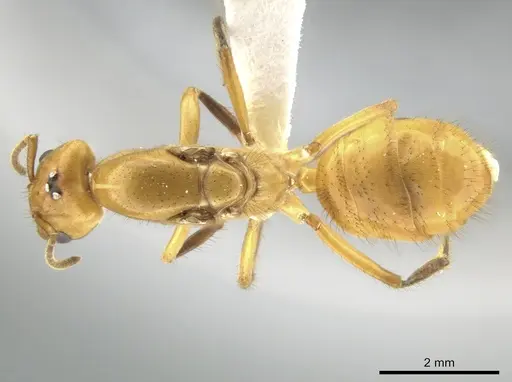
CASENT0911460
View on AntWeb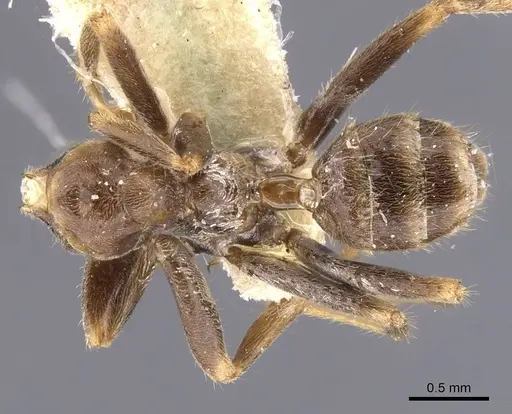
CASENT0911461
View on AntWeb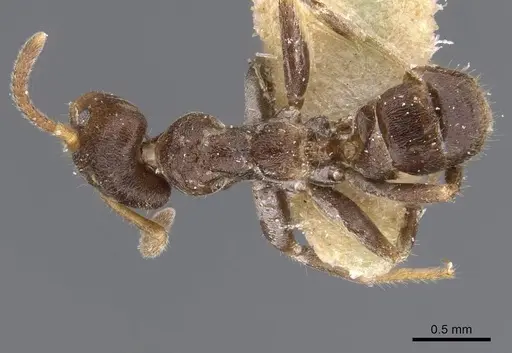
JTLC000008099
View on AntWeb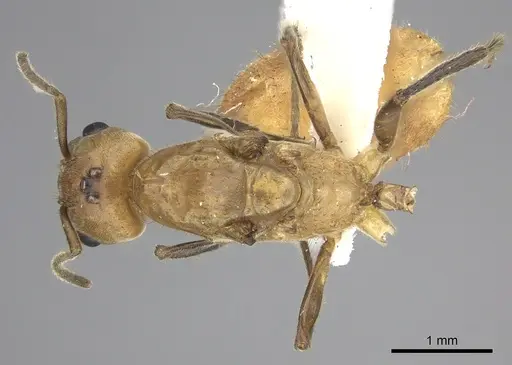
Literature
Loading distribution map...Loading products...