
Azteca delpini
- Sci. Name
- Azteca delpini
- Tribe
- Leptomyrmecini
- Subfamily
- Dolichoderinae
- Author
- Emery, 1893
- Distribution
- Found in 4 countries
Introduction
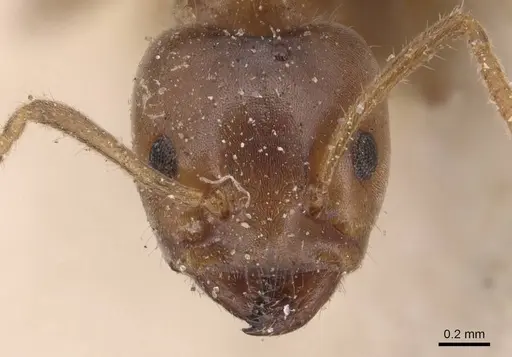
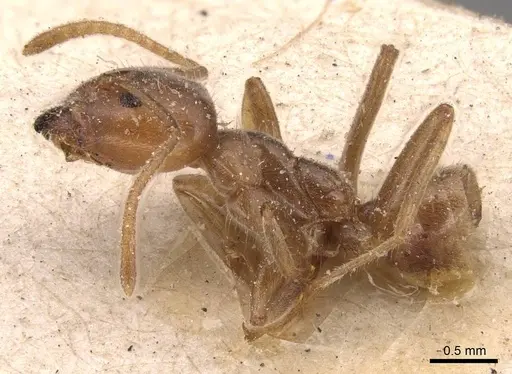
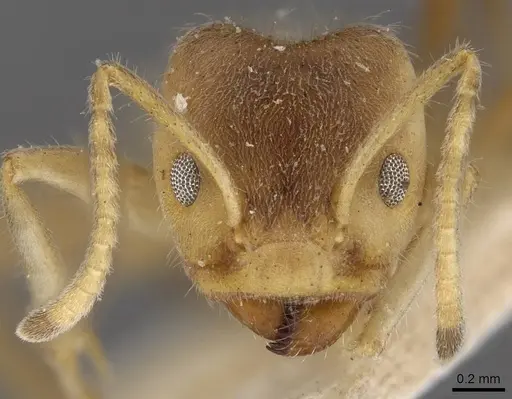
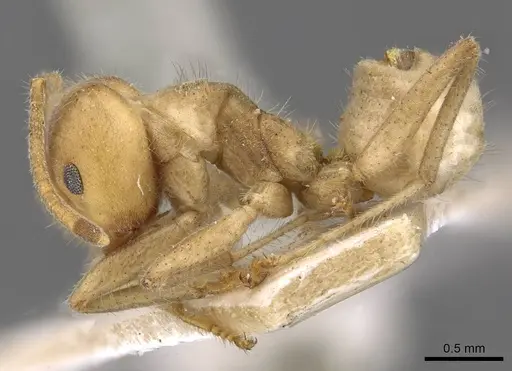
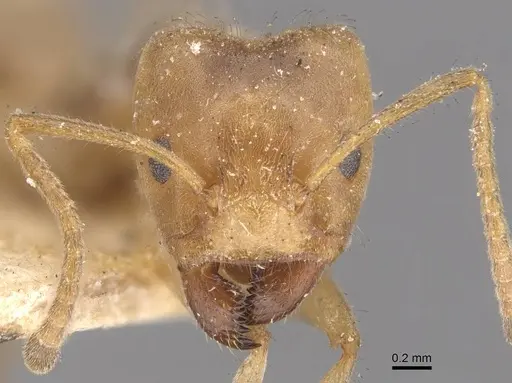
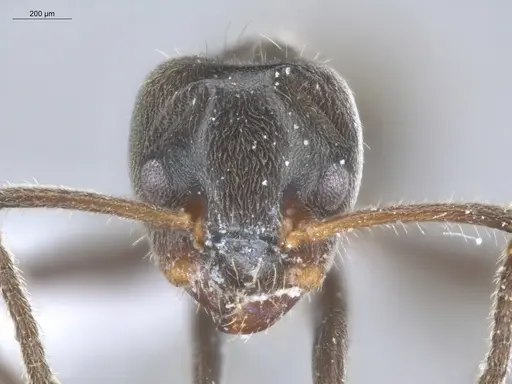
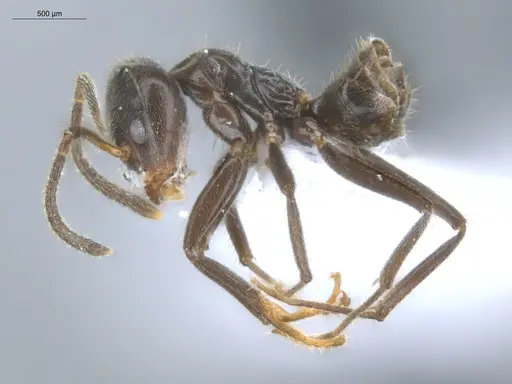
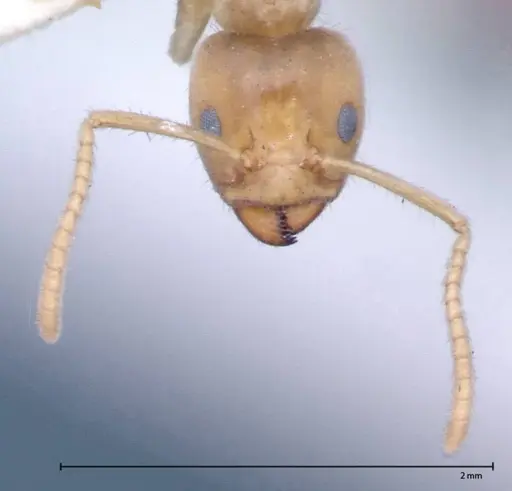
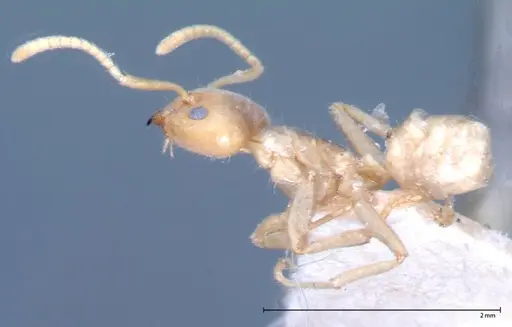
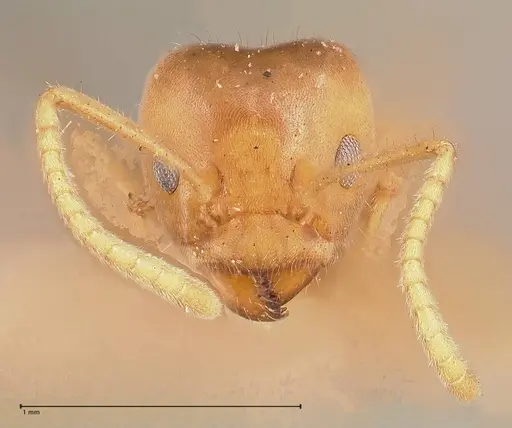
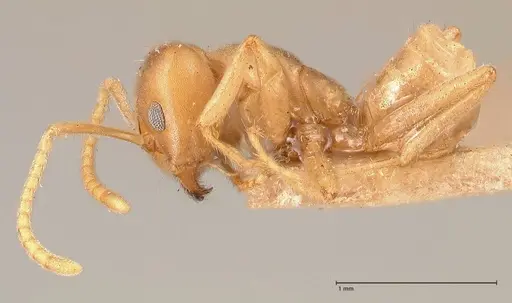
Azteca delpini are tiny tree-dwelling ants with workers measuring 2-3.5 mm . Their color varies from yellowish-brown to entirely yellow depending on the population . They live across the Neotropical region from Brazil and the Guianas to the Caribbean islands of Guadeloupe, Dominica, and Trinidad [AntWiki]. These ants are aggressive and form long organized lines of workers moving up and down palm trees . When walking, workers hold their abdomen raised in the air .
Quick Summary
- Difficulty: Expert
- Origin & Habitat: Neotropical region including Brazil (Mato Grosso, Pará), French Guiana, Guatemala, Guyana, Suriname, Trinidad and Tobago, and the Lesser Antilles [4][5][6][2][3]. They are arboreal, nesting on palm trees and moving along branches [2][3].
- Colony Type: Unknown. One nest observation found many winged queens present simultaneously [3], but whether these represent multiple reproductive queens or a nuptial flight aggregation is unconfirmed.
- Size & Growth:
- Antkeeping:
- Temperature: Specific requirements unconfirmed. Based on tropical distribution, likely needs warm conditions around 25-28°C.
- Humidity: Likely moderate to high humidity given arboreal habits in tropical forests. Keep nest materials lightly moist but not wet.
- Diapause: No, tropical species from regions without cold seasons do not require winter rest [4].
- Nesting: Arboreal vertical setups with branches or twigs. They will not thrive in horizontal soil nests or standard test tubes [2][3].
- Behavior: Aggressive, fast-moving arboreal ants that travel in distinct columns along branches and palm trees [2][3]. Workers move with their abdomen raised [3]. Their tiny size makes them excellent escape artists.
- Common Issues: tiny size means escapes are inevitable without perfect barriers and fine mesh., arboreal habits require specialized vertical setups that most beginners do not have., fast column movement makes them difficult to contain during feeding or maintenance., lack of specific captive care documentation means most husbandry is guesswork.
Nest Preferences
In nature, Azteca delpini live on palm trees and move in distinct columns along branches [2][3]. One nest was found containing many winged queens [3]. For captive keeping, you need a vertical setup with branches or twigs rather than a horizontal soil nest. A tall outworld with live or artificial plants and vertical climbing surfaces is essential. They will not thrive in standard test tube setups or ground-based formicaria.
Temperature and Care
Specific temperature requirements are unconfirmed. Based on their distribution across tropical Brazil, French Guiana, and the Caribbean [4][5], they likely need warm stable conditions around 25-28°C. They do not require hibernation given their tropical origins. Keep humidity moderate to high given their arboreal habits in tropical forests.
Feeding and Diet
Their specific diet has not been documented in the available research. Like other Azteca species, they likely accept sugar sources and small insects, but captive feeding protocols remain unconfirmed.
Behavior and Temperament
These are fast, aggressive ants [2]. They form long processions on palm trees [2] and move quickly in worker columns on branches [3]. Their tiny size combined with fast movement makes them excellent escape artists. Workers characteristically raise their abdomen when walking [3], which may be a defensive posture or communication signal.
Colony Founding
Founding behavior is unconfirmed for this species.
Reproduction and Nuptial Flights
One observation found a nest containing many winged queens [3], but whether this represents multiple reproductive queens or a nuptial flight aggregation is unclear. The timing of nuptial flights is unknown.
Frequently Asked Questions
Can I keep Azteca delpini in a test tube?
No. These are arboreal ants that need vertical space with branches to climb [2][3]. A test tube setup will not meet their needs.
How long until Azteca delpini first workers arrive?
Unknown. Development timelines are not documented for this species.
Do Azteca delpini need hibernation?
No. They come from tropical regions without cold seasons and do not require winter rest [4].
Are Azteca delpini dangerous?
They are described as aggressive [2], but at only 2-3.5 mm they are too small to cause significant harm to humans. They may bite if threatened.
Can I keep multiple Azteca delpini queens together?
Unconfirmed. While one wild nest contained many winged queens [3], this does not mean unrelated queens can be combined in captivity. Attempting multi-queen setups risks fighting.
What do Azteca delpini eat?
Their specific diet is unconfirmed. Like other Azteca, they likely accept sugar water and small insects, but you will need to experiment to find what they accept.
What is the best nest type for Azteca delpini?
An arboreal setup with vertical branches or twigs. They need climbing surfaces and will not do well in soil-based nests [2][3].
Why are my Azteca delpini dying?
Common causes include inappropriate horizontal nesting (they need vertical space), escape attempts causing stress, or dehydration. Their care requirements are poorly documented, making them difficult to keep alive.
Are Azteca delpini good for beginners?
No. Their tiny size, escape artist tendencies, arboreal requirements, and lack of care documentation make them suitable only for expert antkeepers.
Report an Issue
The current care sheet is based fully on literature. See inconsistencies, or something that's incorrect? Please , it will be resolved after review from an admin. Contributing to the blogs tab also helps providing information, to make us be able to further improve the caresheets. Thank you for your support!
References

This caresheet is licensed under CC BY-SA 4.0 .
Community Blogs
CASENT0905080
View on AntWeb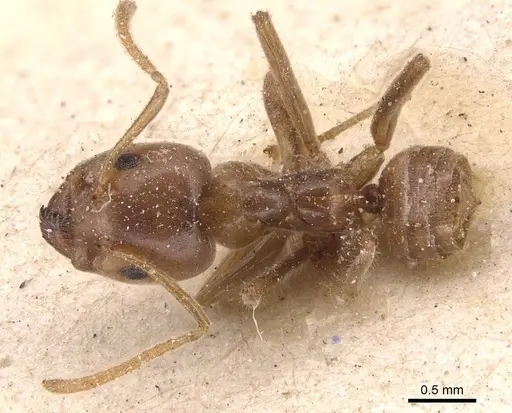
CASENT0905081
View on AntWeb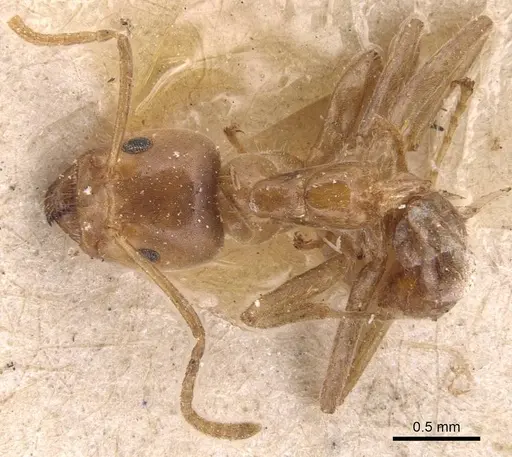
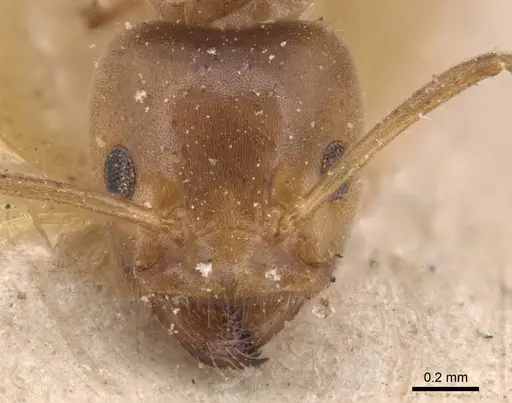
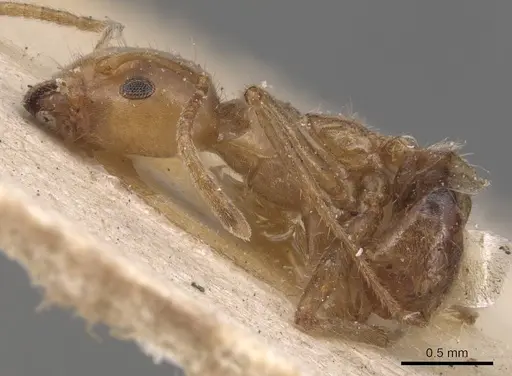
CASENT0906235
View on AntWeb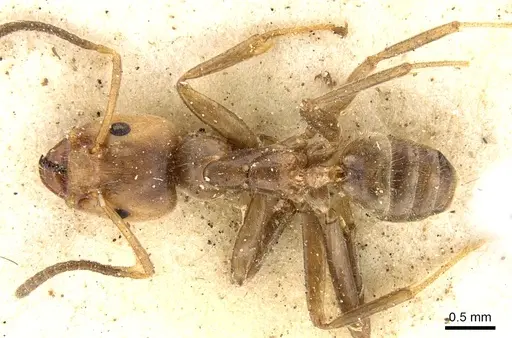
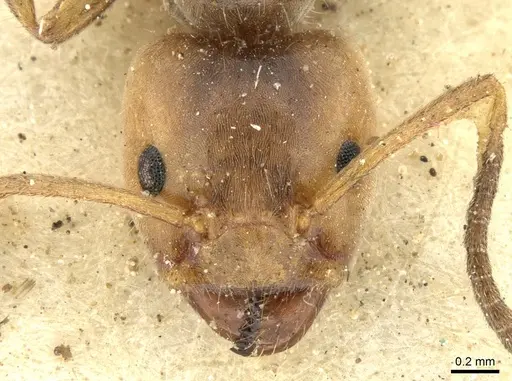
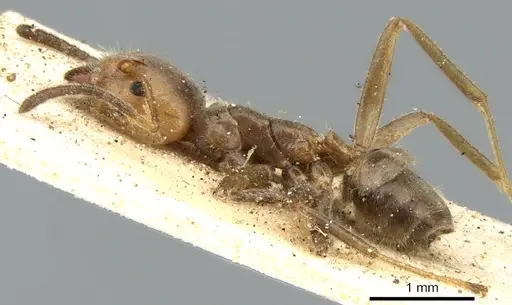
CASENT0909614
View on AntWeb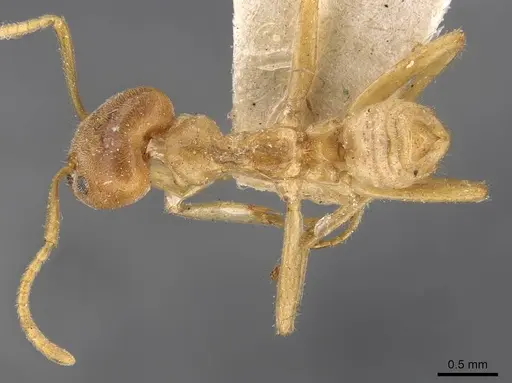
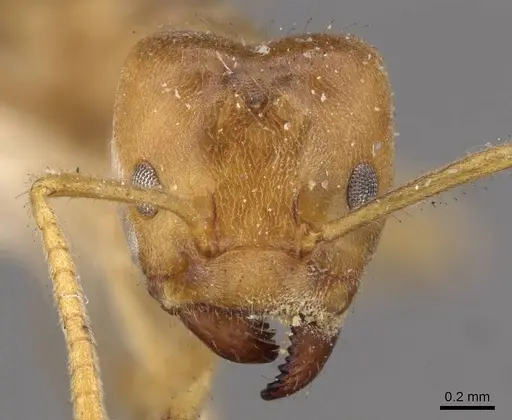
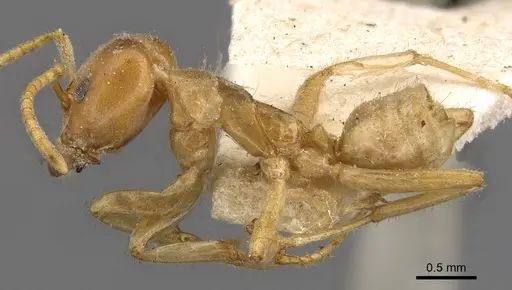
CASENT0909615
View on AntWeb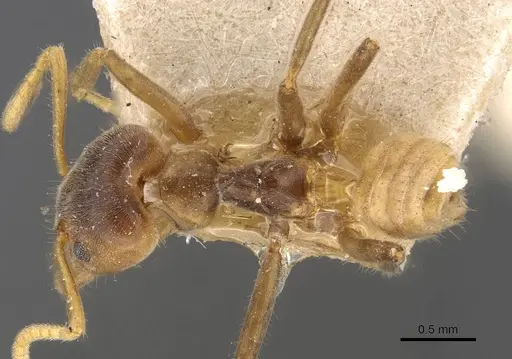
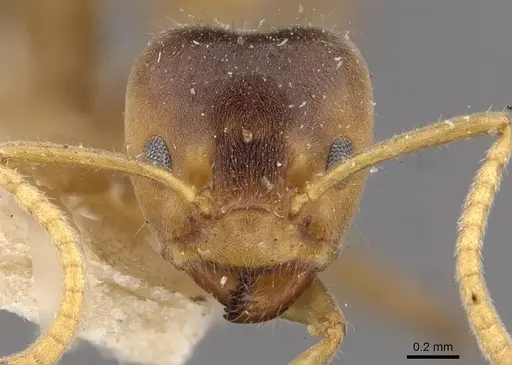
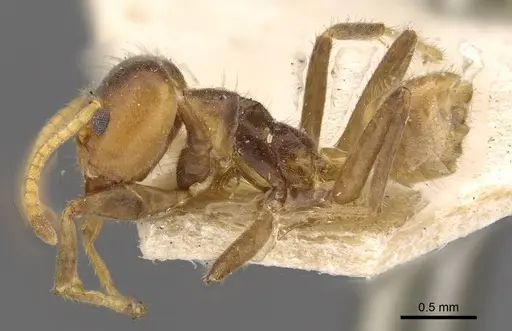
CASENT0909616
View on AntWeb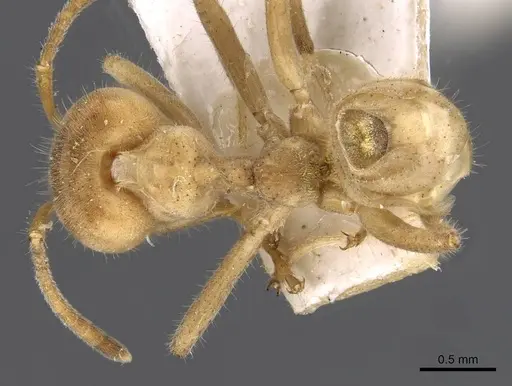
CASENT0909709
View on AntWeb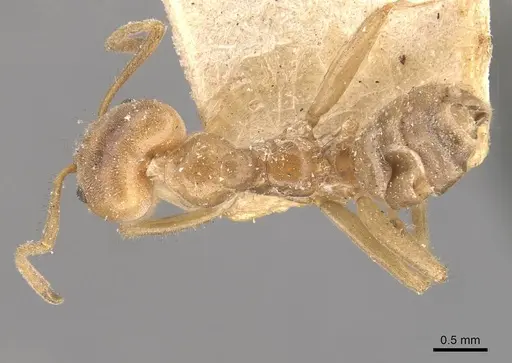
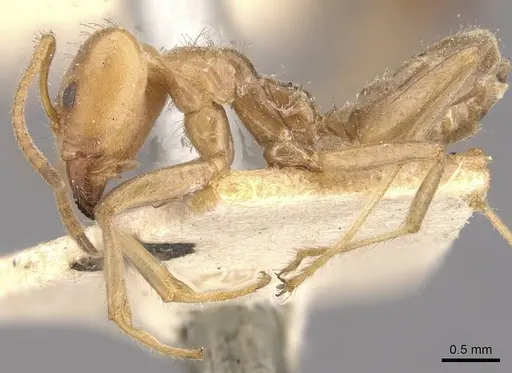
ECOFOG-BOUM-0504-03
View on AntWeb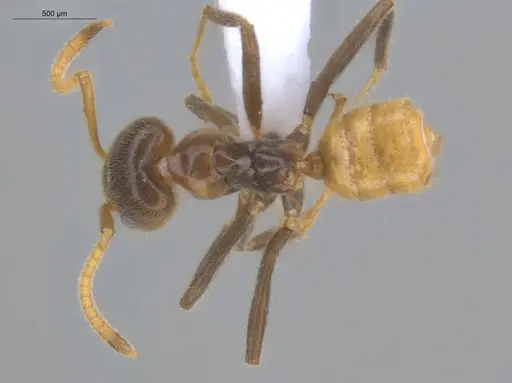
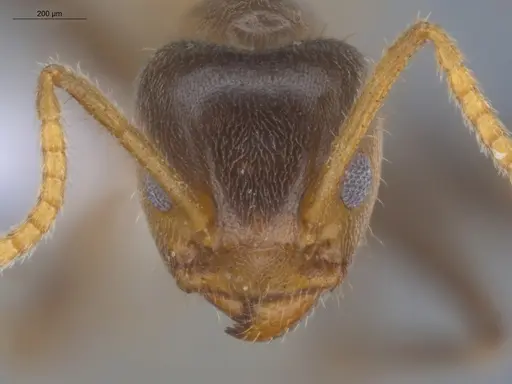
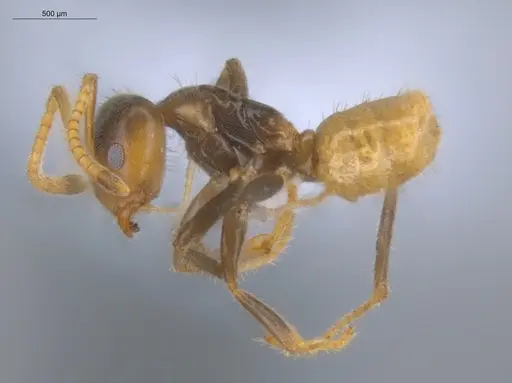
ECOFOG-BOUM-0646-01
View on AntWeb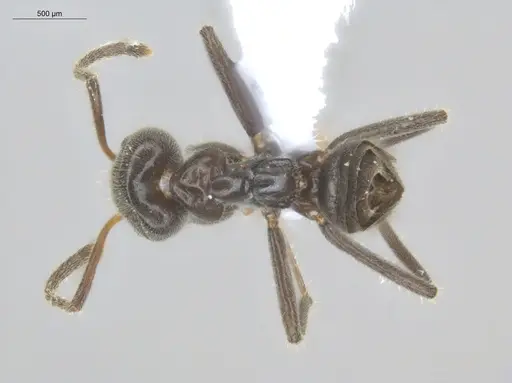
FOCOL0067
View on AntWeb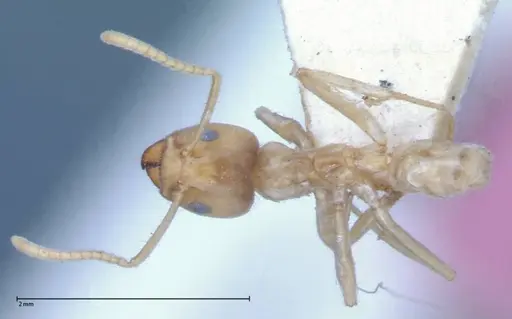
FOCOL0715
View on AntWeb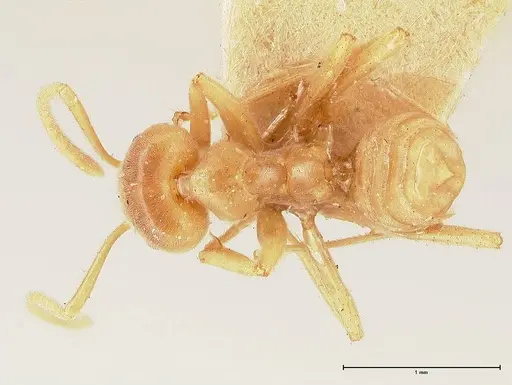
Literature
Loading distribution map...Loading products...