
Azteca constructor
- Sci. Name
- Azteca constructor
- Tribe
- Leptomyrmecini
- Subfamily
- Dolichoderinae
- Author
- Emery, 1896
- Distribution
- Found in 7 countries
Introduction
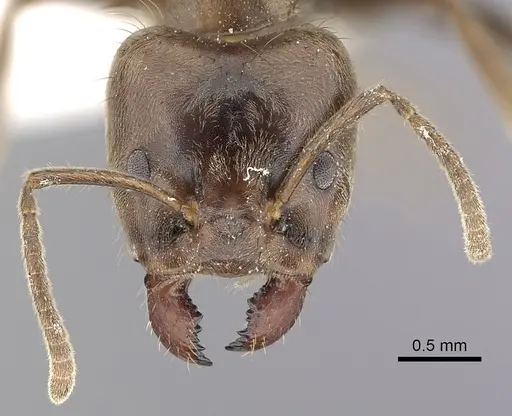
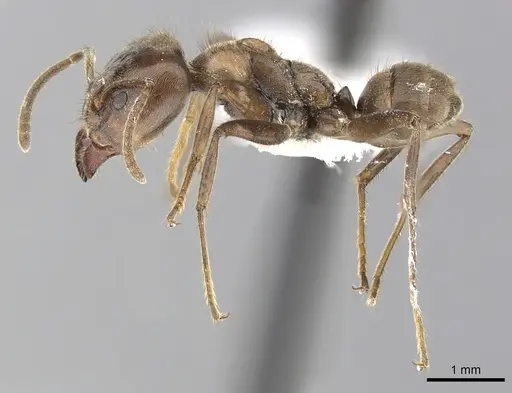
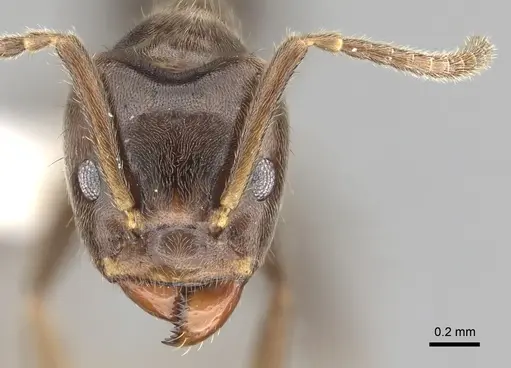
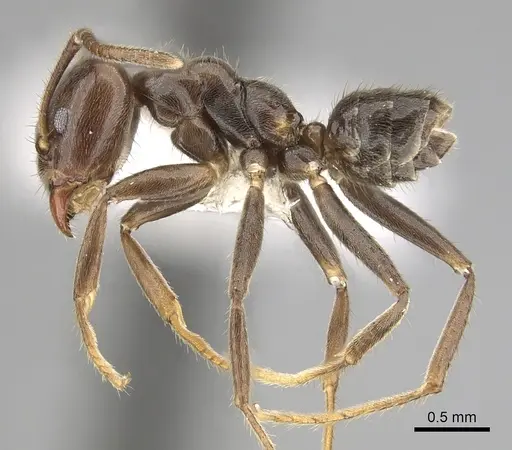
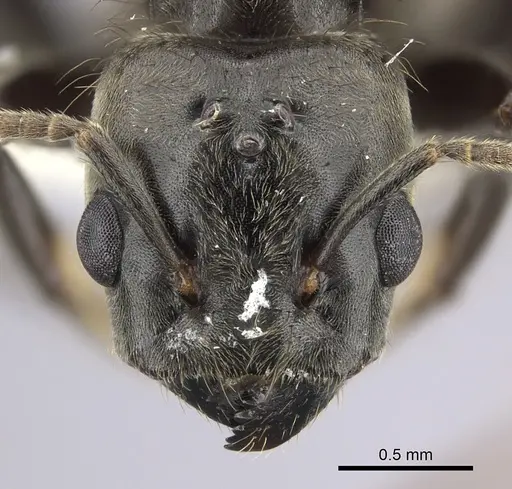
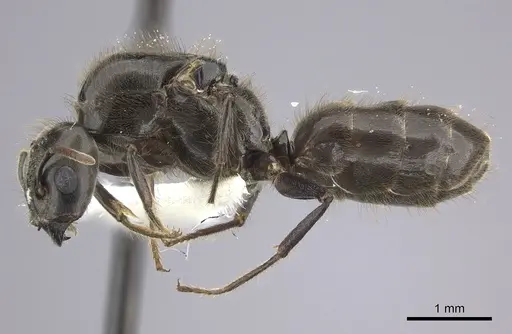
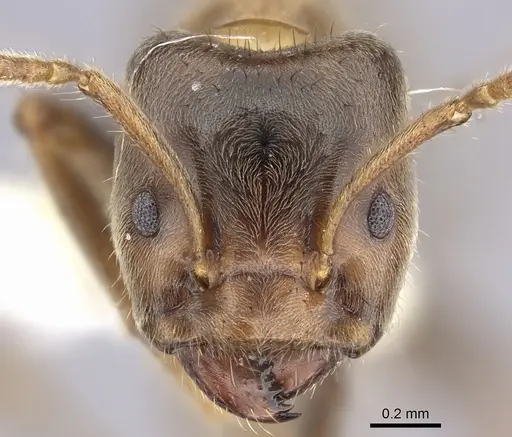
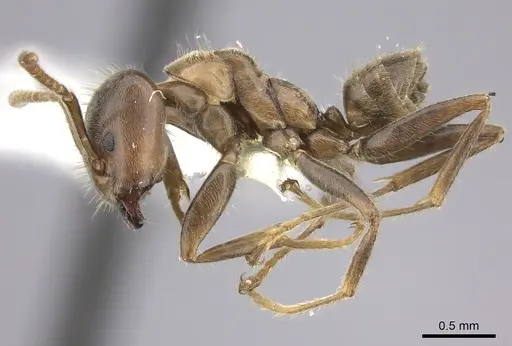
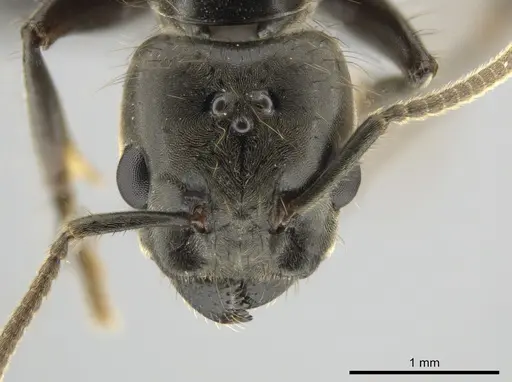
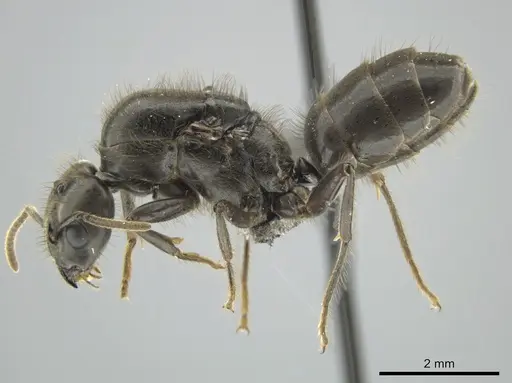
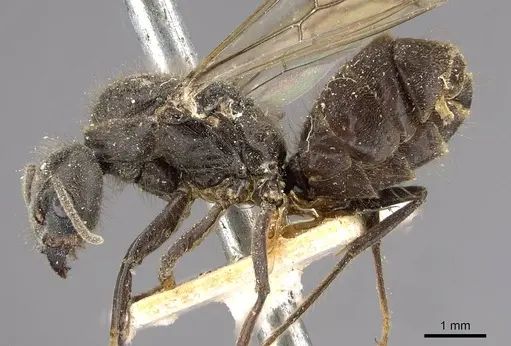
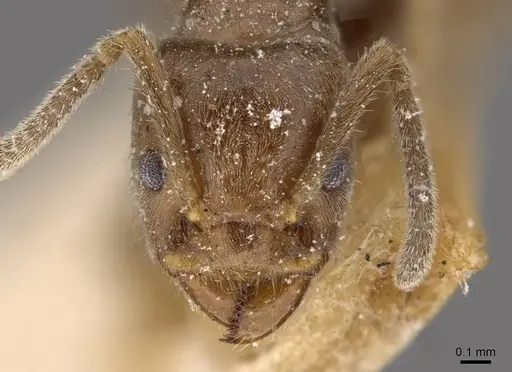
Azteca constructor is a medium-sized arboreal ant with chocolate brown workers and black queens, featuring distinctive low petiolar nodes . These ants are obligate Cecropia inhabitants found throughout Central America from Guatemala to Colombia, Venezuela, and Guyana . They are renowned for their extreme aggression and unique nesting biology: colonies construct spindle-shaped carton nests within Cecropia tree trunks, causing visible deformation, and maintain complex gardens of fungi and nitrogen-fixing bacteria within dark patches inside these nests .
Quick Summary
- Difficulty: Expert
- Origin & Habitat: Tropical rainforests from Guatemala south through Central America to Colombia, Venezuela, and Guyana, obligate inhabitants of Cecropia trees in forest gaps and edges [1][2].
- Colony Type: Monogyne (single-queen colonies). Founding involves pleometrosis where multiple queens cooperate temporarily before fighting until only one survives [5][6].
- Size & Growth:
- Queen: ~8-10mm, inferred from Azteca genus
- Worker: ~5-7mm, inferred from Azteca genus
- Colony: Up to 13,534 workers [5]
- Growth: Moderate to Fast
- Development: Unconfirmed, no specific development data available for this species (Development timing is unconfirmed. Tropical arboreal ant patterns suggest several months to first workers.)
- Antkeeping:
- Temperature: Keep warm at 24-28°C. Avoid temperatures below 20°C.
- Humidity: High humidity 70-80%, nest material should feel damp but not waterlogged.
- Diapause: No, these tropical ants remain active year-round
- Nesting: Arboreal carton nests built from chewed plant material inside hollow stems or cavities, requires space to construct dark fungal patches and adequate ventilation to prevent mold [1][3]
- Behavior: Extremely aggressive. Workers respond to disturbance by pouring out of large fissures in massive numbers, blackening the trunk surface [1][7]. They lack a functional sting but defend by biting and spraying defensive chemicals from the abdomen tip (Dolichoderinae smear defense). Workers are small and can squeeze through tiny gaps, requiring excellent escape prevention [1].
- Common Issues: escape prevention is critical, tiny workers squeeze through minute gaps and extreme aggression triggers mass breakout attempts., founding mortality is naturally high, up to 69% of internodes contain dead queens due to fighting during pleometrosis., specialized dietary needs, without Cecropia food bodies, colonies may starve without appropriate substitutes., maintaining humid conditions for fungal gardens without mold contamination requires careful balance of moisture and ventilation., extreme aggression makes observation difficult, workers attack aggressively when nest is disturbed.
The Cecropia Mutualism and Natural History
In nature, Azteca constructor is an obligate inhabitant of Cecropia trees, meaning they specialize in living within these specific host plants [1]. They prefer forest gaps and edges where larger, older Cecropia trees provide hollow internodes for nesting [1]. The ants defend their host trees fiercely against herbivores, receiving in return glycogen-rich food bodies produced at the base of leaf petioles and shelter within the hollow stems [7]. This tight mutualism makes captive care extremely challenging, as you must replicate both the physical structure of Cecropia internodes and provide appropriate food substitutes. Mature colonies occupy a single spindle-shaped carton nest in the tree bole that causes visible deformation of the trunk, with all larvae and alate sexuals concentrated in this central nest while branch tips house only workers and tended Hemiptera [1].
Nest Construction and Microbial Gardens
These ants construct carton nests from chewed plant parenchyma scraped from the inner walls of their host tree [3]. Within these nests, they cultivate dark patches containing Chaetothyrialean fungi and diverse nitrogen-fixing bacteria that help supplement their diet [3][4][8]. The ants maintain these patches by adding food bodies, moss fragments, and even chitin from dead nestmates to enrich the substrate [8]. In captivity, you must provide suitable plant material or pulp-based substrates that allow this carton construction, and maintain high humidity to support the fungal gardens without letting them mold. The nest requires adequate ventilation to prevent stagnation while keeping the air moist [8].
Colony Founding: Pleometrosis and High Mortality
New colonies begin when multiple queens found together in the same internode, a process called pleometrosis [6][5]. The queens seal themselves inside by scraping plant material over the entrance hole, which then closes tightly as callus tissue grows [6]. Once sealed, they cannot move to adjacent internodes [6]. Initially, the cofoundresses cooperate, but eventually they fight to the death until only one queen remains to rule the colony [5]. This process results in high natural mortality, in the wild, up to 69% of internodes containing Azteca ants hold dead queens [6]. When founding in captivity, expect high queen losses, starting with multiple queens may increase success rates, but be prepared for them to fight once workers emerge.
Temperature and Humidity Requirements
As tropical rainforest inhabitants, Azteca constructor needs warm, stable temperatures between 24-28°C. Use a heating cable or mat on one side of the nest to create a gentle gradient. They require high humidity around 70-80%, mimicking the moist conditions inside Cecropia stems. Monitor the nest material, it should feel damp but not waterlogged. Excessive moisture without proper ventilation leads to mold, which can destroy their fungal gardens and kill the colony.
Feeding and Dietary Substitutes
In nature, their primary food is glycogen-rich food bodies produced by Cecropia plants, supplemented by honeydew from Hemiptera tended in branch tips [7][1]. In captivity, they accept sugar water and honey, but you must ensure they get sufficient protein for the queen and larvae. Small insects, fruit flies, and possibly soaked seeds or specialized ant diets may work, though success varies without their natural food bodies. The bacterial and fungal gardens in their nests likely provide additional nutrients through nitrogen fixation, but captive colonies still need regular feeding with sugars and protein sources [4].
Aggression and Escape Prevention
Workers are extremely aggressive and respond to any disturbance by pouring out of the nest in large numbers to attack, blackening the trunk surface with their bodies [1][7]. They lack stingers but defend themselves through aggressive biting and spraying defensive chemicals from their abdomen. Because workers are small, they can squeeze through incredibly tiny gaps [1]. You must use excellent escape prevention including tight-fitting lids, fine mesh screening, and barriers like Fluon or talcum powder on all nest edges and tubing connections. Their extreme aggression means they are not suitable for handling, observe them through clear acrylic or glass only.
Frequently Asked Questions
Can I keep Azteca constructor without a Cecropia plant?
It is extremely difficult. These are obligate Cecropia ants that rely on the tree's hollow internodes for nesting and food bodies for nutrition [1]. While you might maintain them in artificial hollow stems with appropriate substitutes, success is rare and recommended only for expert keepers with experience in specialized plant-ant systems.
How long until Azteca constructor gets their first workers?
Development timing is unconfirmed for this species. Based on tropical arboreal ant patterns, expect several months to first workers. The exact duration from egg to worker is not documented in available research.
Can I keep multiple queens of Azteca constructor together?
Initially yes, but not permanently. These ants practice pleometrosis, where multiple queens found together and cooperate temporarily [6][5]. However, they will eventually fight to the death until only one queen remains [5]. Do not expect peaceful multi-queen colonies long-term.
How big do Azteca constructor colonies get?
Colonies reach up to 13,534 workers in nature, with larger colonies occupying more internodes in their host tree [5]. In captivity, colony size may be limited by available space and food resources.
What temperature do Azteca constructor need?
Keep them warm at 24-28°C, typical of their tropical rainforest habitat. Avoid temperatures below 20°C.
Do Azteca constructor need to hibernate?
No. These tropical ants remain active year-round and do not require diapause or winter rest periods.
Why are my Azteca constructor queens dying?
High founding mortality is natural for this species, in the wild, up to 69% of internodes contain dead queens [6]. Queens may die from fighting during pleometrosis, starvation if they cannot establish fungal gardens, or from unsuitable humidity conditions.
What do Azteca constructor eat?
In nature they eat glycogen-rich food bodies from Cecropia and honeydew from tended insects [7][1]. In captivity, offer sugar water or honey and small protein sources like fruit flies or cricket pieces, though acceptance of substitutes varies.
How do I prevent escapes with Azteca constructor?
Use extreme measures: fine mesh barriers, tight-fitting lids, and Fluon or talcum powder barriers on all vertical surfaces and connections. Their small size and extreme aggression make escapes likely without meticulous prevention [1].
Report an Issue
The current care sheet is based fully on literature. See inconsistencies, or something that's incorrect? Please , it will be resolved after review from an admin. Contributing to the blogs tab also helps providing information, to make us be able to further improve the caresheets. Thank you for your support!
References

This caresheet is licensed under CC BY-SA 4.0 .
Community Blogs
CASENT0249537
View on AntWeb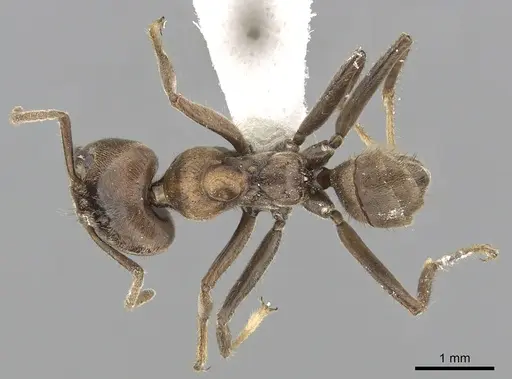
CASENT0249538
View on AntWeb
CASENT0249594
View on AntWeb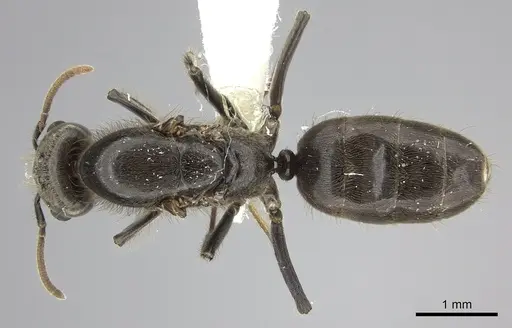
CASENT0249595
View on AntWeb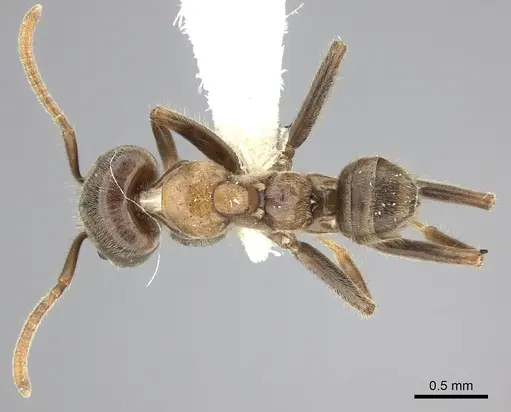
CASENT0649876
View on AntWeb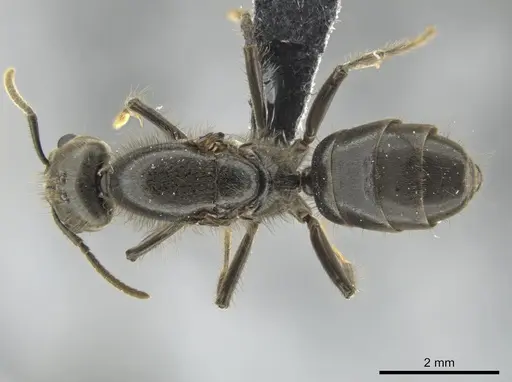
CASENT0905098
View on AntWeb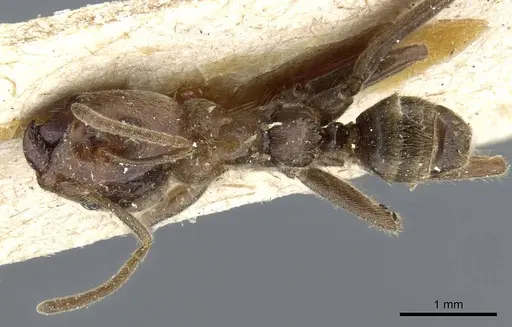
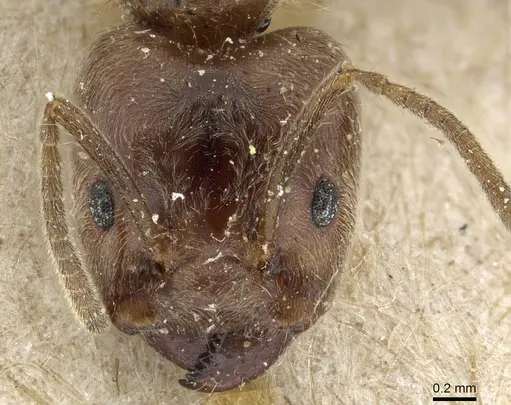
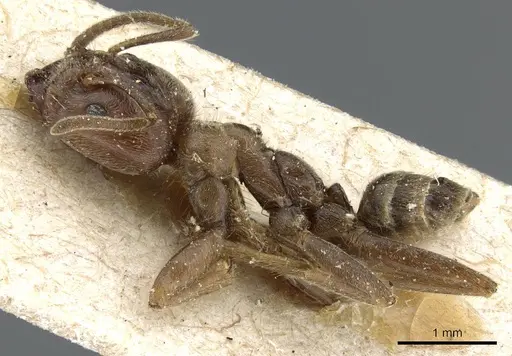
CASENT0909623
View on AntWeb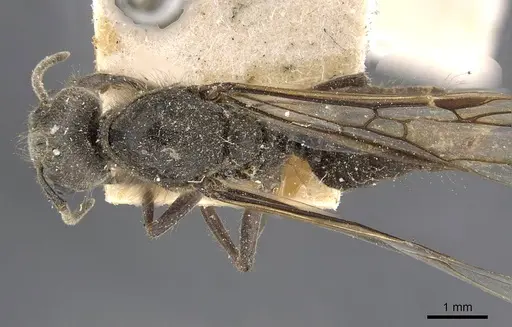
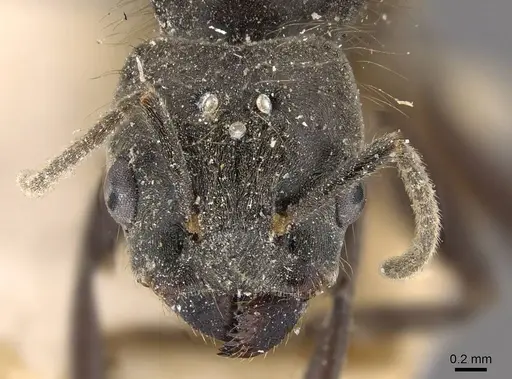
CASENT0909624
View on AntWeb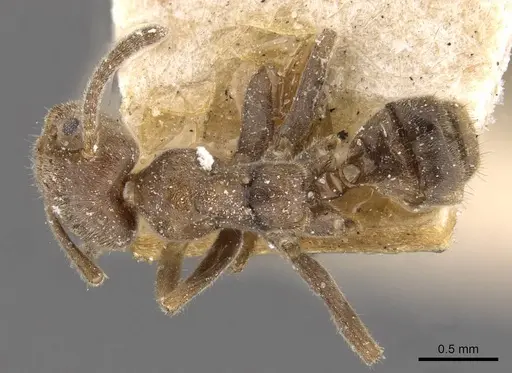
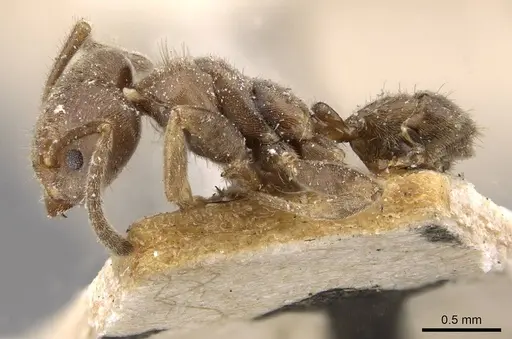
ECOFOG-LA15-0290-23
View on AntWeb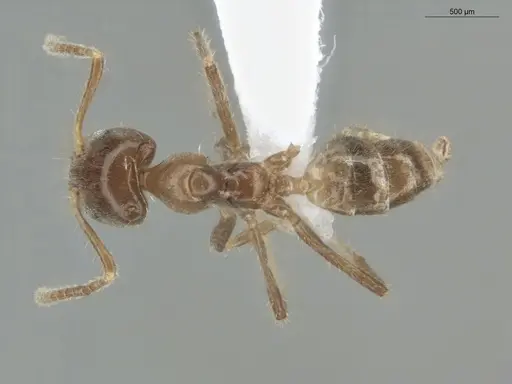
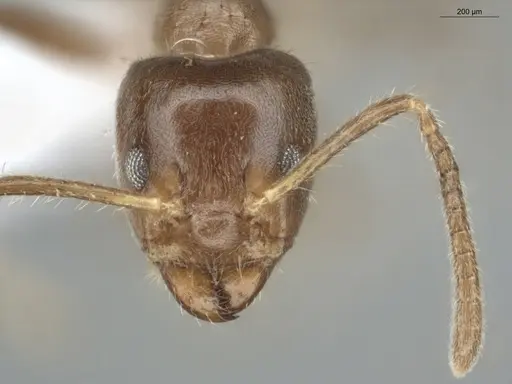
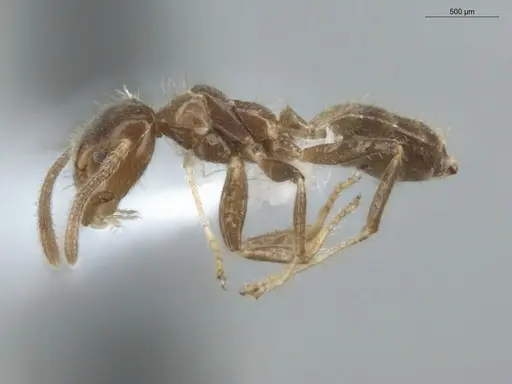
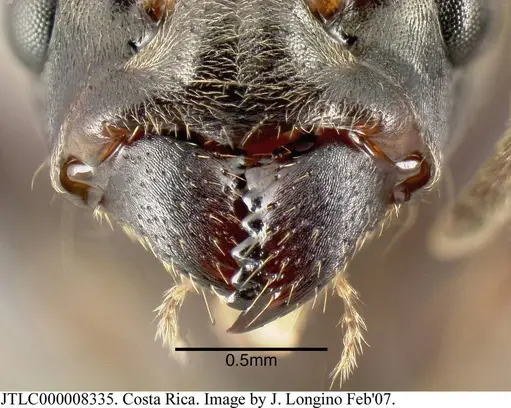
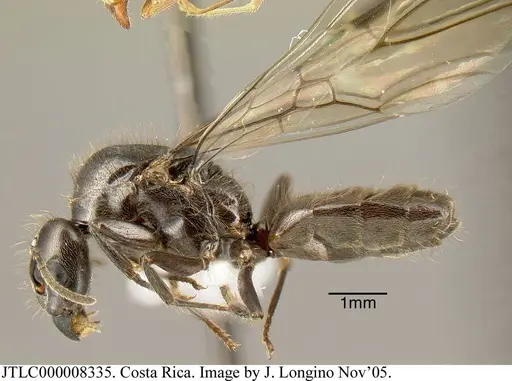
JTLC000008335
View on AntWeb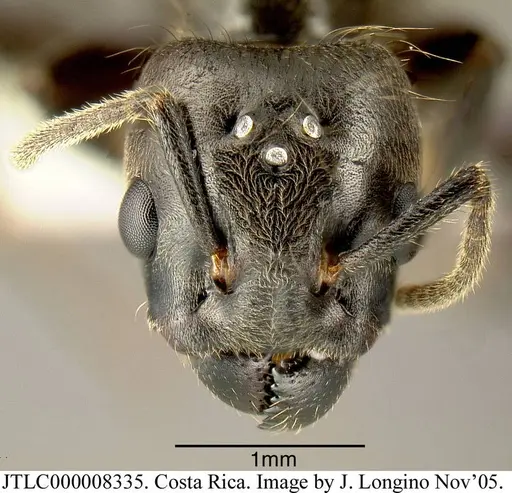
JTLC000008336
View on AntWeb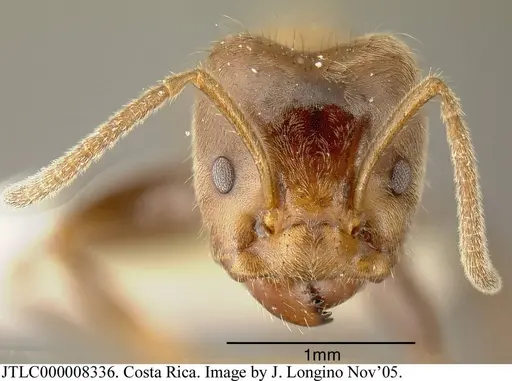
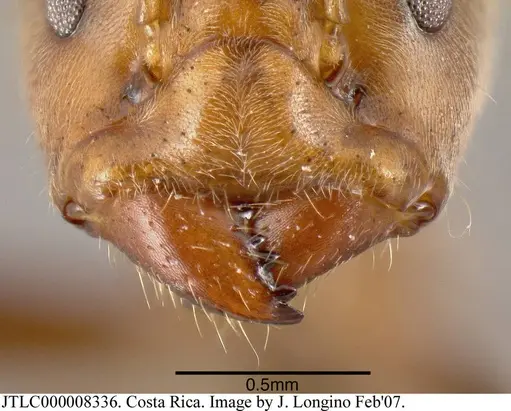
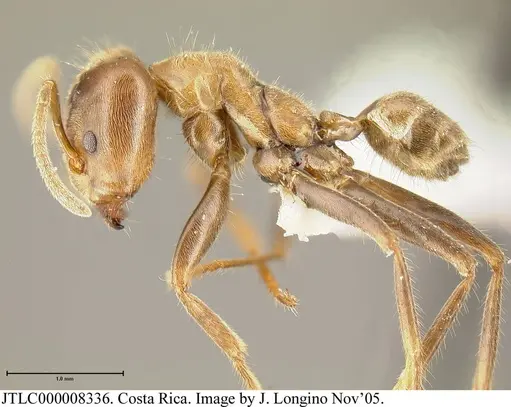
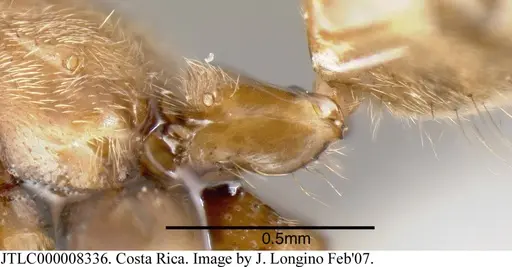
JTLC000008339
View on AntWeb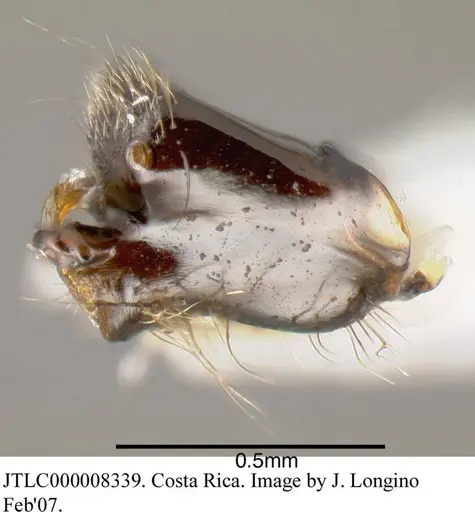
Literature
Loading distribution map...Loading products...