Atta texana has a tightly defined flight window centered on May. Most nuptial flights occur within just 2 months, making this a highly predictable species for collectors. The concentrated timeframe makes peak months critical for sightings.
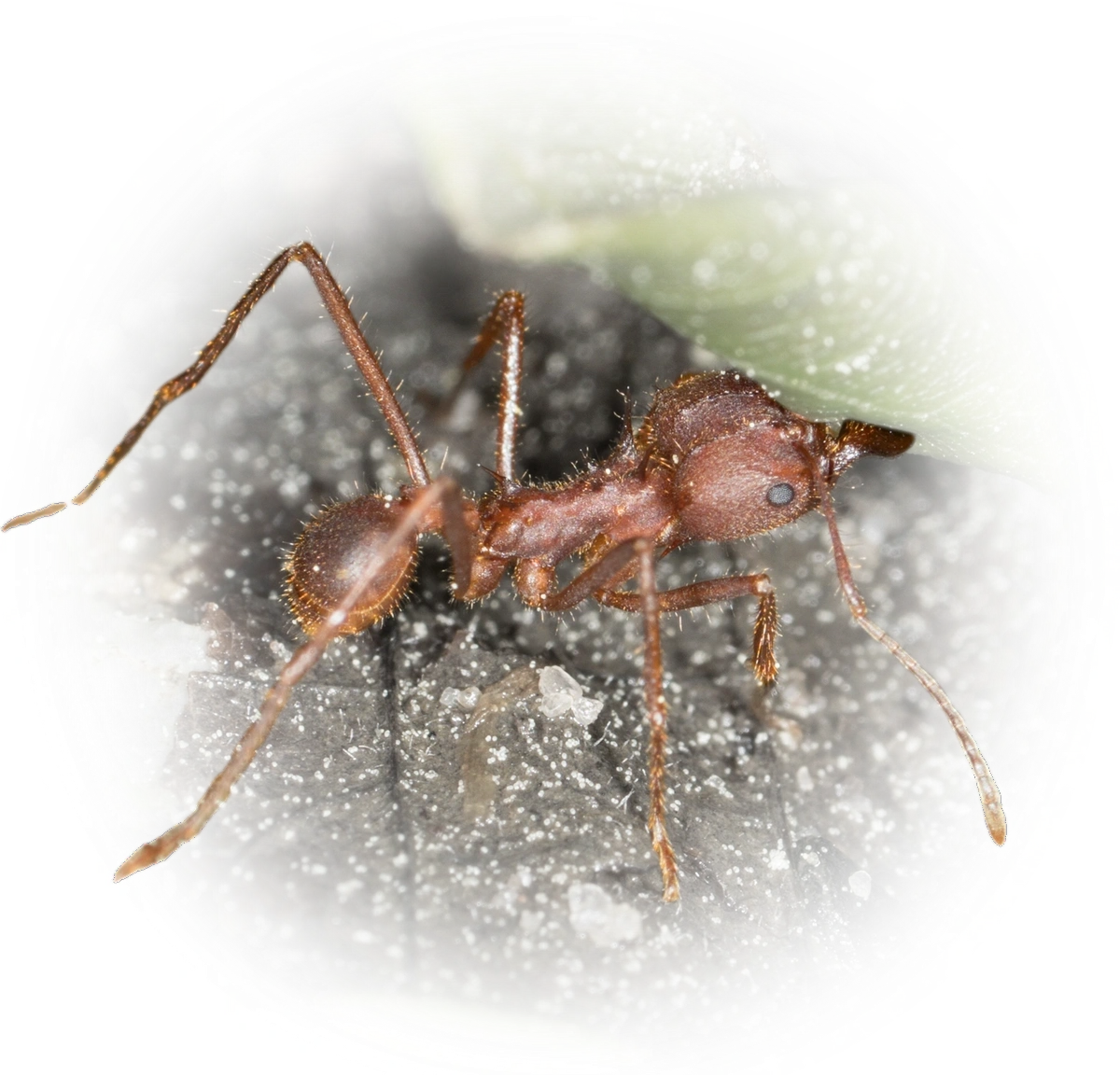
Texas Leafcutter Ant
Atta texana
- Sci. Name
- Atta texana
- Tribe
- Attini
- Subfamily
- Myrmicinae
- Author
- Buckley, 1860
- Common Name
- Texas Leafcutter Ant
- Distribution
- Found in 2 countries
- Nuptial Flight
- From April to May
- Peak flight Time
- 08:00
AI Identifiable
try →
Introduction
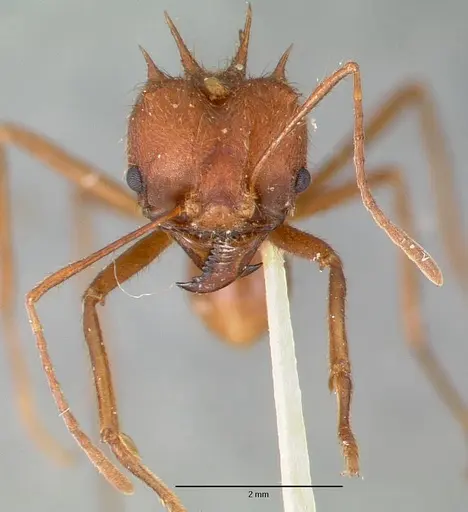
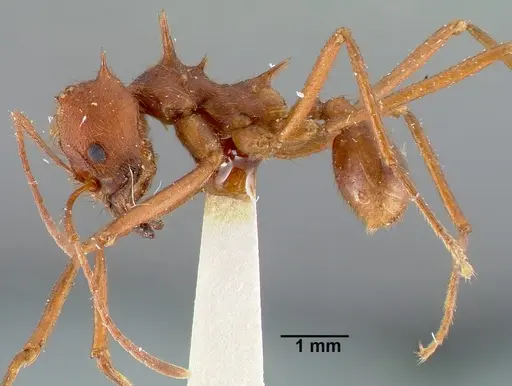
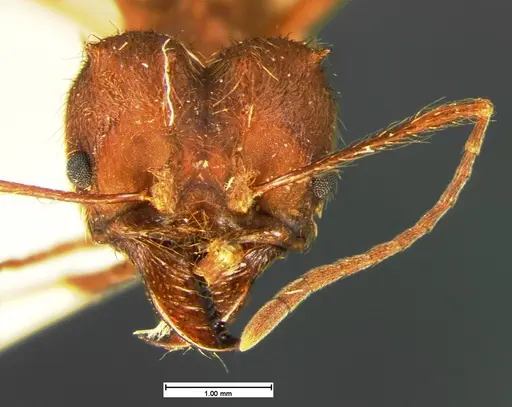
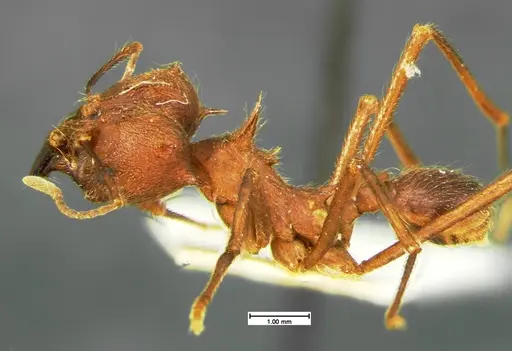
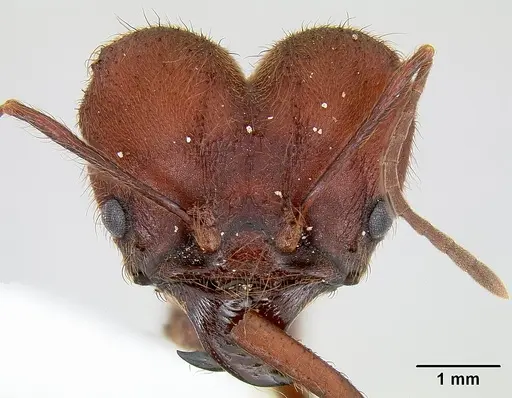
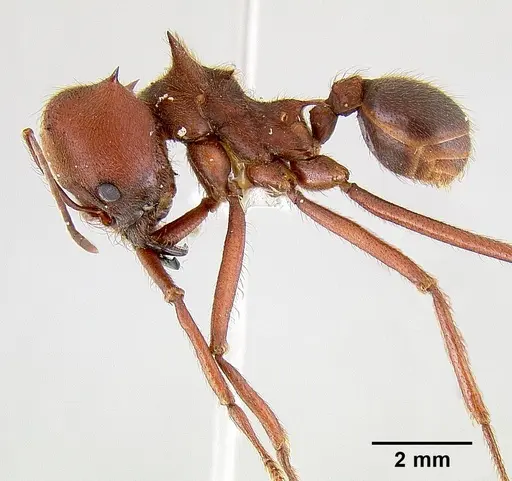
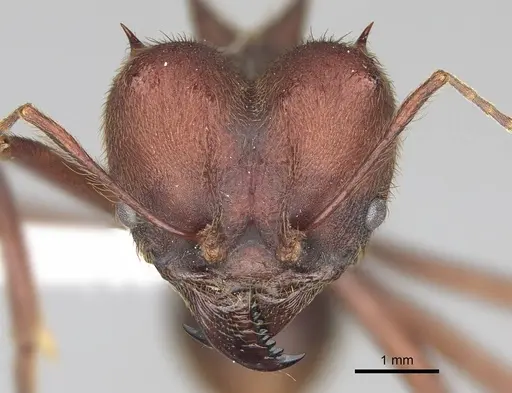
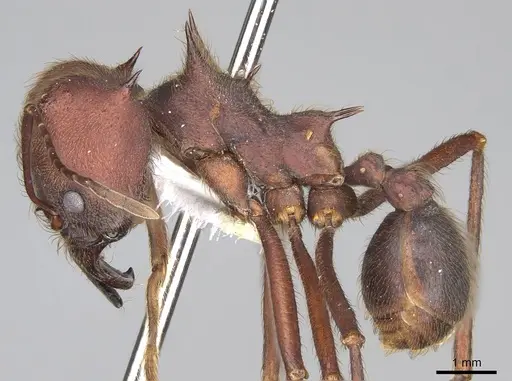
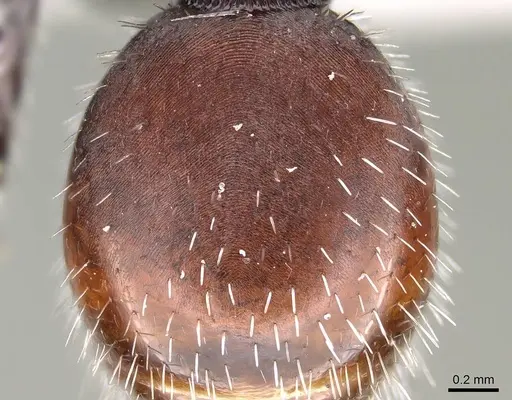
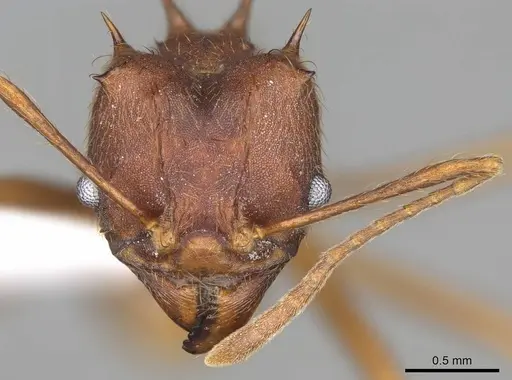
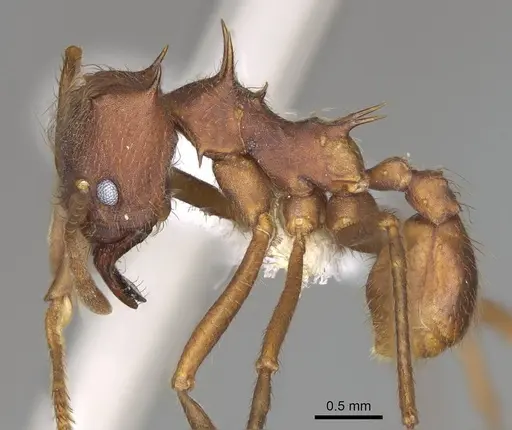
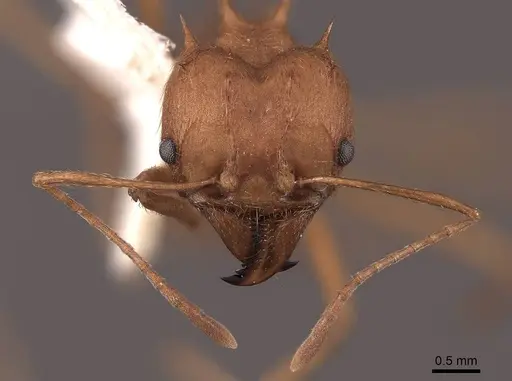
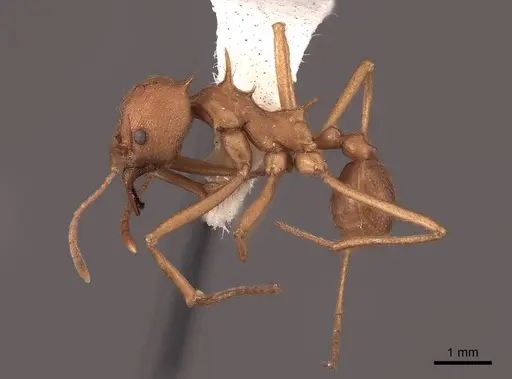
Atta texana, also known as the town ant, is the northernmost leafcutter ant species in the Americas and one of the most spectacular ants in North America. Workers show extreme polymorphism, ranging from tiny 2-3mm garden tenders to massive 8-16mm defenders with powerful mandibles. Queens are large, heavy-bodied alates measuring approximately 15-20mm in total length. These ants cut fresh leaves and carry them to underground fungus gardens, where they cultivate the mushroom Leucoagaricus gongylophorus as their sole food source. Native to the pine forests and sandy soils of Texas and Louisiana, they build enormous underground cities containing up to 2 million workers and thousands of fungus chambers extending over 15 meters deep. What makes Atta texana unique is their ability to survive cold winters at the northern edge of the tropics. While tropical leafcutters die in cold soil, Atta texana moves their fungus gardens deep underground—sometimes over 10 meters deep—where temperatures stay around 15°C even when surface soils freeze. They forage year-round, switching between nocturnal summer foraging and diurnal winter activity to maintain optimal trail temperatures between 11-29°C. Their nests include specialized dormancy cavities where workers become torpid during cold snaps, and they maintain complex underground waste chambers to prevent disease spread.
Quick Summary
- Difficulty: Expert
- Origin & Habitat: Southeastern USA (Texas, Louisiana) and northeastern Mexico (Tamaulipas, Coahuila), sandy pine forests, riparian woodlands with pecan and oak, and deep soil flats along rivers [1][2][3]
- Colony Type: Primarily monogyne (single queen) but facultatively polygynous, with approximately 5% of newly founded nests containing multiple queens [4][5]
- Size & Growth:
- Queen: Approximately 15-20mm total length, inferred from Atta genus patterns
- Worker: Highly polymorphic: minors 2-3mm, majors 8-16mm total length [6]
- Colony: Up to 2 million workers, mature nests contain 500-5000 fungus gardens [4]
- Growth: Slow founding period with high mortality, followed by explosive growth once established
- Development: Approximately 45 days at 25°C, 50-55 days at 22-24°C [7][8] (First workers are nanitic (smaller than typical minors). Development slows significantly at cooler temperatures.)
- Antkeeping:
- Temperature: Founding: 24-26°C. Mature colonies tolerate seasonal variation from 10°C (winter deep chambers) to 29°C (surface foraging) [9][6]
- Humidity: High humidity required, fungus gardens must remain moist. Ants manure gardens with fecal droplets to maintain moisture and forage for groundwater in deep tunnels [9]
- Diapause: No true diapause required, but colonies naturally slow down in winter and relocate gardens to deeper, warmer chambers [9][10]
- Nesting: Massive underground nests with deep chambers required, mature colonies need 1-4 meter depth for winter gardens and extensive horizontal space [4][10]
- Behavior: Highly polymorphic with distinct castes performing specialized tasks. Aggressive defenders use powerful mandibles to bite. Foraging follows strict temperature thresholds: active between 11-29°C on trails, switching between nocturnal summer and diurnal winter activity [6][10]. Workers communicate using trail pheromones (methyl 4-methylpyrrole-2-carboxylate) and alarm pheromones (4-methyl-3-heptanone) [11][12]. The stinger is modified for pheromone deposition rather than defense.
- Common Issues: founding queen mortality exceeds 80% in the first 90 days due to fungal pathogens like Aspergillus flavus and Fusarium oxysporum [8], fungus garden contamination or collapse from improper substrate or desiccation, massive space requirements make standard formicaria unsuitable for mature colonies, Mesoplasma bacterial infections correlate with colony mortality [27], Attaphila fungicola roaches hitchhike on queens and infest gardens, reducing founding success [26]
Nuptial Flight Activity Analysis 574 observations
Flight Activity by Hour 574 observations
Atta texana nuptial flight activity peaks around 08:00 during the morning. Activity is spread across a 16-hour window (03:00–18:00). A secondary activity peak occurs around 10:00. Times may be influenced by human observation patterns.
Nest Architecture and Seasonal Migration
Atta texana constructs some of the most complex nests in the ant world. Mature colonies occupy underground systems covering up to half an acre, with hundreds to thousands of chambers connected by tunnels extending 15 meters deep or more [4][10]. The nest interior is roughly funnel-shaped, with a large central cavity near the bottom measuring approximately 1 meter in diameter that serves as a protected winter site [10].
These ants practice remarkable seasonal vertical migration of their fungus gardens. In spring and summer, gardens are maintained in shallow chambers 0.5-2 meters deep where temperatures are warmest (around 25-28°C) [13][10]. As winter approaches, workers collapse these shallow gardens and relocate the fungus to deeper chambers 3-10 meters underground, where temperatures stabilize around 15-20°C and avoid freezing [9][10]. This migration is triggered by the workers' extreme sensitivity to temperature gradients, allowing them to assess soil temperatures and relocate gardens within minutes if experimentally displaced [9].
Nests also contain specialized dormancy cavities packed with torpid workers and fungus-bearing substrate, located primarily in the upper 2 meters [13][10]. Additionally, colonies maintain 45 or more detritus cavities deep underground for waste disposal, preventing contamination of the gardens [10][14].
Fungus Garden Management and Diet
Atta texana cultivates a monoculture of the fungus Leucoagaricus gongylophorus (Attamyces) as their primary food source [15][4]. Foundress queens carry fungal inocula in infrabuccal pellets containing thousands of fungal cells to start new gardens [4]. The ants maintain this fungal monoculture across hundreds of gardens for the colony's entire lifespan of 10-20 years [4].
Workers forage for fresh leaves and plant material to feed the fungus, not themselves. Preferred forage includes wild geranium, hackberry, sweet clover, beech, and mushrooms, while they refuse lettuce, Persian clover, and rye grass [6]. In winter, they primarily harvest Geranium carolinianum and pine needles when other vegetation is scarce [6]. In captivity, they accept corn flakes and fresh maple leaves [6][16].
The ants prepare plant material by cutting it into small pieces and incorporating it into the garden matrix. The fungus breaks down the cellulose and lignin, producing specialized hyphal tips called gongylidia that the ants consume [16]. Workers maintain garden hygiene through weeding, grooming, and manuring the fungus with fecal droplets to provide enzymes and moisture [9]. Gardens contain diverse yeast communities (primarily Cryptococcus magnus) that may help suppress pathogenic fungi [17].
Colony Founding and Early Development
New colonies begin when virgin queens fly on nuptial flights occurring in late April to early June, typically after heavy rains (>7mm) when temperatures reach 16-19°C [18][19]. Flights occur just before dawn, with alates leaving the nest within 2 minutes of takeoff time [18]. After mating, queens land, shed their wings, and excavate founding chambers 15-25 cm deep [20][5].
Founding is claustral: the queen seals herself in the chamber and lives entirely on stored fat reserves while raising the first workers [5]. She lays three types of eggs: reproductive eggs that develop into workers, trophic eggs that liquify within 24 hours to feed the fungus, and unviable reproductive eggs that the fungus can digest [7]. The queen uses her mandibles as forceps to handle reproductive eggs and as a scoop to transport delicate trophic eggs to the garden [7].
First workers eclose approximately 45 days after the mating flight at 25°C, though this extends to 50-55 days at cooler temperatures of 22-24°C [7][8]. These first workers (nanitics) are smaller than typical minors and begin foraging for leaf material only after the queen has raised her first cohort [7].
Founding success is extremely low: in laboratory studies, only 16.3% of queens survived 90 days post-mating flight, with most dying in the first 9 days from fungal pathogens like Aspergillus flavus and Fusarium oxysporum [8]. Approximately 3% of nests are founded pleometrotically (by multiple queens), which increases survival and initial garden size, though most colonies eventually become monogyne [5][4].
Temperature Requirements and Seasonal Care
As the northernmost leafcutter ant, Atta texana tolerates temperature ranges impossible for tropical species. Foraging occurs only when trail temperatures are between 11-29°C (52-85°F), leading to daytime foraging in winter and nighttime foraging in summer [6][10]. Workers can forage throughout winter on sunny days when temperatures rise to 10-15°C, even in northern populations [9].
Mature colonies do not require diapause but naturally slow down in winter. They survive cold by relocating gardens to deep soil layers where temperatures remain stable at 15-20°C year-round, while surface soils may freeze [9][10]. In northern Texas, winter gardens are maintained below 3 meters depth, while southern populations keep gardens shallow year-round [9].
For captive founding colonies, maintain temperatures around 24-26°C for optimal brood development. Once workers emerge, provide a temperature gradient allowing the colony to choose between 20-28°C. Mature colonies benefit from seasonal temperature variation that mimics their natural range, but ensure garden chambers never drop below 10°C or exceed 30°C [9][8].
Communication and Chemical Ecology
Atta texana communicates using sophisticated chemical signals. The trail pheromone, methyl 4-methylpyrrole-2-carboxylate, is produced in the poison gland and deposited by the modified stinger [11][6]. This was the first ant trail pheromone ever identified. It is remarkably stable and persistent, with workers detecting trails at concentrations as low as 4 picograms per centimeter [21][22].
Alarm pheromones consist primarily of 4-methyl-3-heptanone and 2-heptanone from the mandibular glands [12][23]. Workers detect 4-methyl-3-heptanone at extremely low concentrations (1:1 million dilution), with alarm behavior triggered at 1:100,000 dilution [12]. Queens have higher detection thresholds for alarm pheromones than workers, possibly to prevent premature flight disruption [21].
Workers also use their powerful mandibles for defense, capable of delivering painful bites. The stinger is modified for pheromone deposition rather than venom injection [6][24].
Parasites, Pathogens, and Nest Associates
Atta texana hosts numerous symbionts and parasites. The most notable is Attaphila fungicola, a small wingless cockroach that lives in fungus gardens and rides on virgin queens during nuptial flights to disperse to new nests [25][26]. These roaches infest approximately 73% of mature colonies and can reduce founding success by disturbing incipient gardens [26].
Bacterial microbiomes include high abundances of Mesoplasma in some colonies, which correlates with colony mortality [27]. Unlike many tropical leafcutters, Atta texana rarely hosts Pseudonocardia bacteria on their cuticle, instead carrying Mycobacterium and Microbacterium in queen pellets [28][27].
Fungal pathogens pose serious threats. Aspergillus flavus and Fusarium oxysporum infect and kill founding queens before they establish gardens [8]. The specialized leafcutter parasite Escovopsis is rarely found in this species, possibly due to the presence of antagonistic yeasts like Cryptococcus magnus that inhibit pathogen growth [29][17]. Phorid flies (Megaselia scalaris) may parasitize dead or dying queens [8].
Frequently Asked Questions
Can I keep Atta texana in a test tube?
Test tubes are only suitable for the very initial founding phase. Queens need sealed chambers with fungus garden substrate, not just water tubes. Once workers emerge, you must provide space for the fungus garden and leaf foraging areas. Mature colonies require massive setups with 1-4 meter depth for proper garden management [5][7].
How long until Atta texana gets first workers?
First workers typically eclose approximately 45 days after the mating flight when kept at 25°C. At cooler temperatures of 22-24°C, this extends to 50-55 days [7][8].
Do Atta texana need hibernation?
No, they do not require true hibernation like temperate ants. However, they naturally slow down in winter and relocate their fungus gardens to deeper, warmer chambers. In captivity, you can maintain them year-round at room temperature, but providing a cooler winter period (15-20°C) with deep garden chambers mimics their natural cycle [9][10].
Can I keep multiple Atta texana queens together?
While approximately 5% of wild nests are founded by multiple queens (pleometrosis), this is risky in captivity. Multiple queens may fight, and survival rates are only slightly better than single-queen founding. Most colonies eventually become monogyne as queens are eliminated [4][5].
What do Atta texana ants eat?
They do not eat the leaves they collect. Instead, they cultivate the fungus Leucoagaricus gongylophorus on the leaves and eat the fungal growths (gongylidia). You must provide fresh, pesticide-free leaves, flowers, or oats/corn flakes to feed the fungus [15][6].
Why is my Atta texana founding queen dying?
Founding mortality is naturally high, over 80% of queens die within 90 days. Common causes include fungal pathogens (Aspergillus flavus, Fusarium oxysporum), improper humidity causing garden desiccation, or bacterial infections. Ensure sterile substrate and high humidity [8][27].
How big do Atta texana colonies get?
Mature colonies can exceed 2 million workers and contain up to 5,000 fungus gardens. Nests cover half an acre and extend 15+ meters deep [4][6].
Are Atta texana ants dangerous?
They have powerful mandibles and can deliver painful bites, but they do not possess a functional stinger for defense. The stinger is modified for trail pheromone deposition [6][24].
What temperature should I keep Atta texana at?
Maintain founding colonies at 24-26°C. Mature colonies need a gradient from 20-28°C, with the ability to move gardens to cooler areas (15-20°C) in winter and warmer areas in summer. Never expose gardens to freezing temperatures or direct heat above 30°C [9][8].
When is the nuptial flight of Atta texana?
The nuptial flight of Atta texana typically occurs From April to May.
What time of day does Atta texana fly?
The nuptial flight of Atta texana peaks around 08:00 during the morning, with most activity between 03:00 and 18:00. Times may be influenced by human observation patterns.
Report an Issue
The current care sheet is based fully on literature. See inconsistencies, or something that's incorrect? Please , it will be resolved after review from an admin. Contributing to the blogs tab also helps providing information, to make us be able to further improve the caresheets. Thank you for your support!
References

This caresheet is licensed under CC BY-SA 4.0 .
Community Blogs
CASENT0006045
View on AntWeb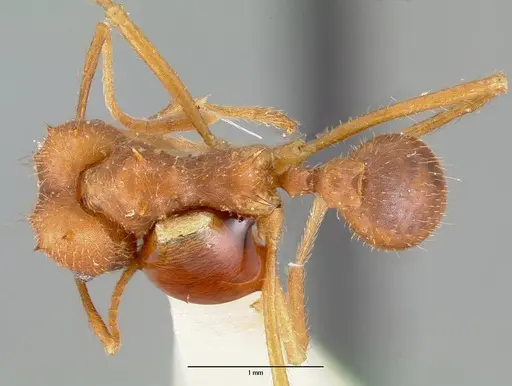
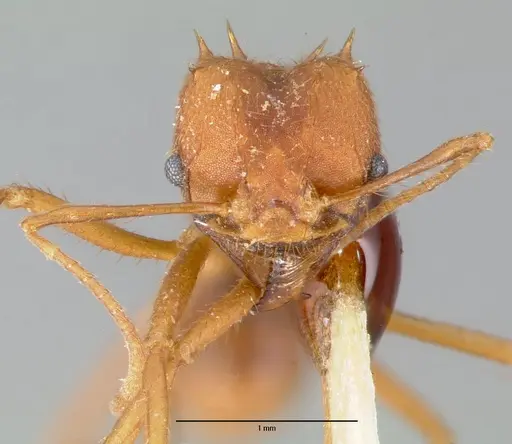
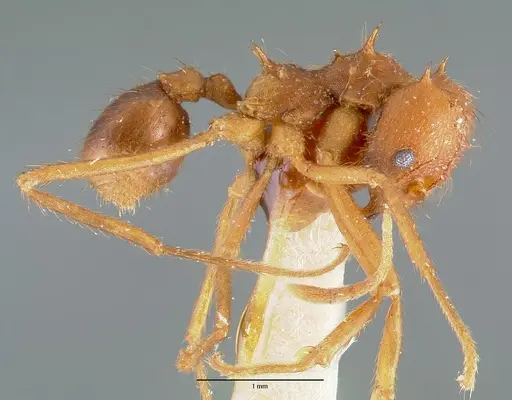
CASENT0006046
View on AntWeb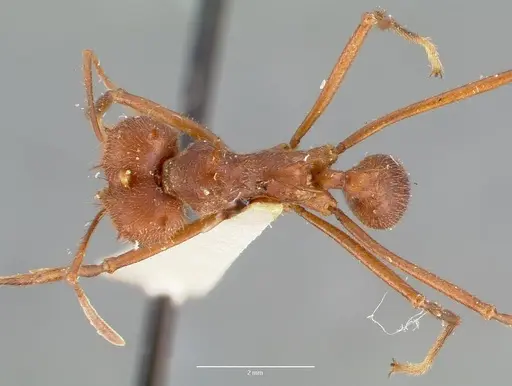
CASENT0105606
View on AntWeb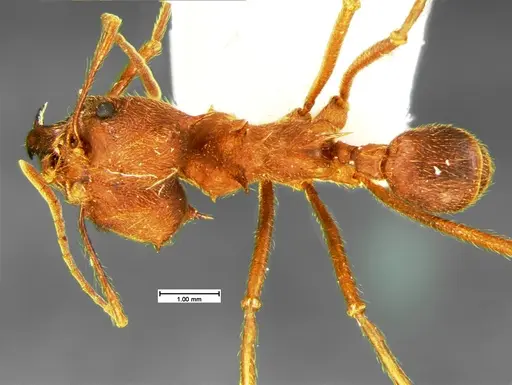
CASENT0106142
View on AntWeb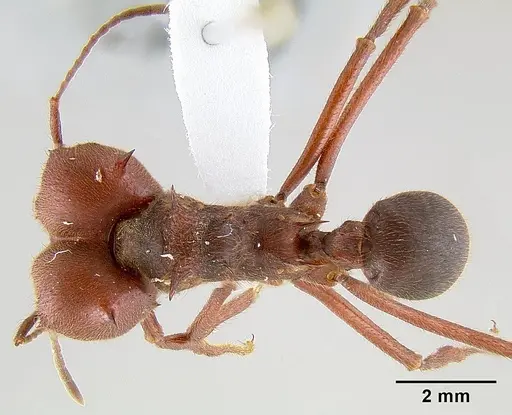
CASENT0922061
View on AntWeb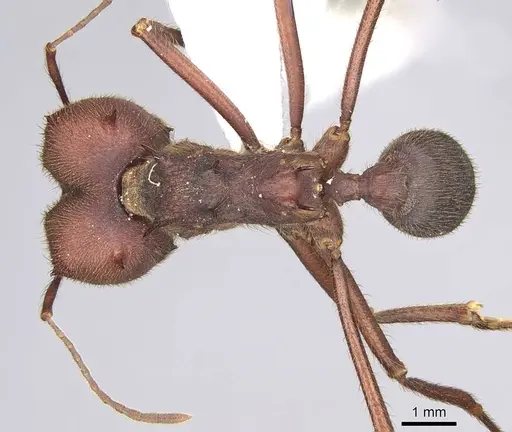
CASENT0922062
View on AntWeb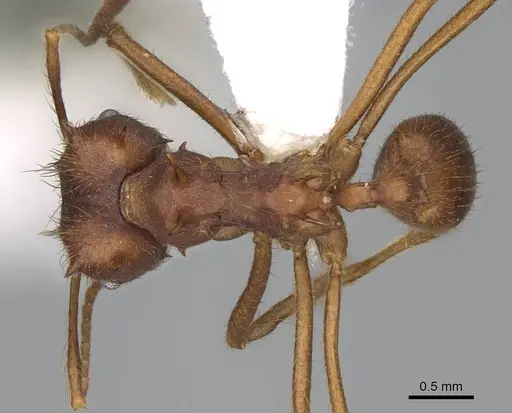
FMNHINS0000046079
View on AntWeb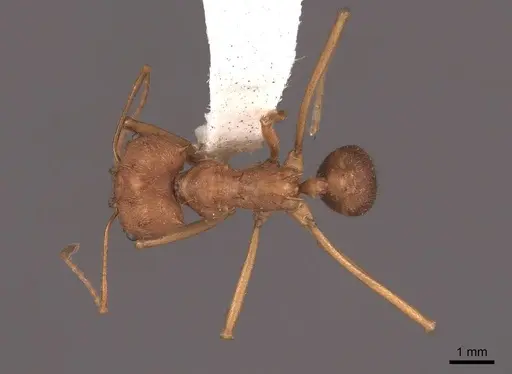
Literature
Loading distribution map...Loading products...