Atta mexicana follows a consistent seasonal pattern with peak activity in June. The flight window runs from May to July, providing several months of opportunity for observations.
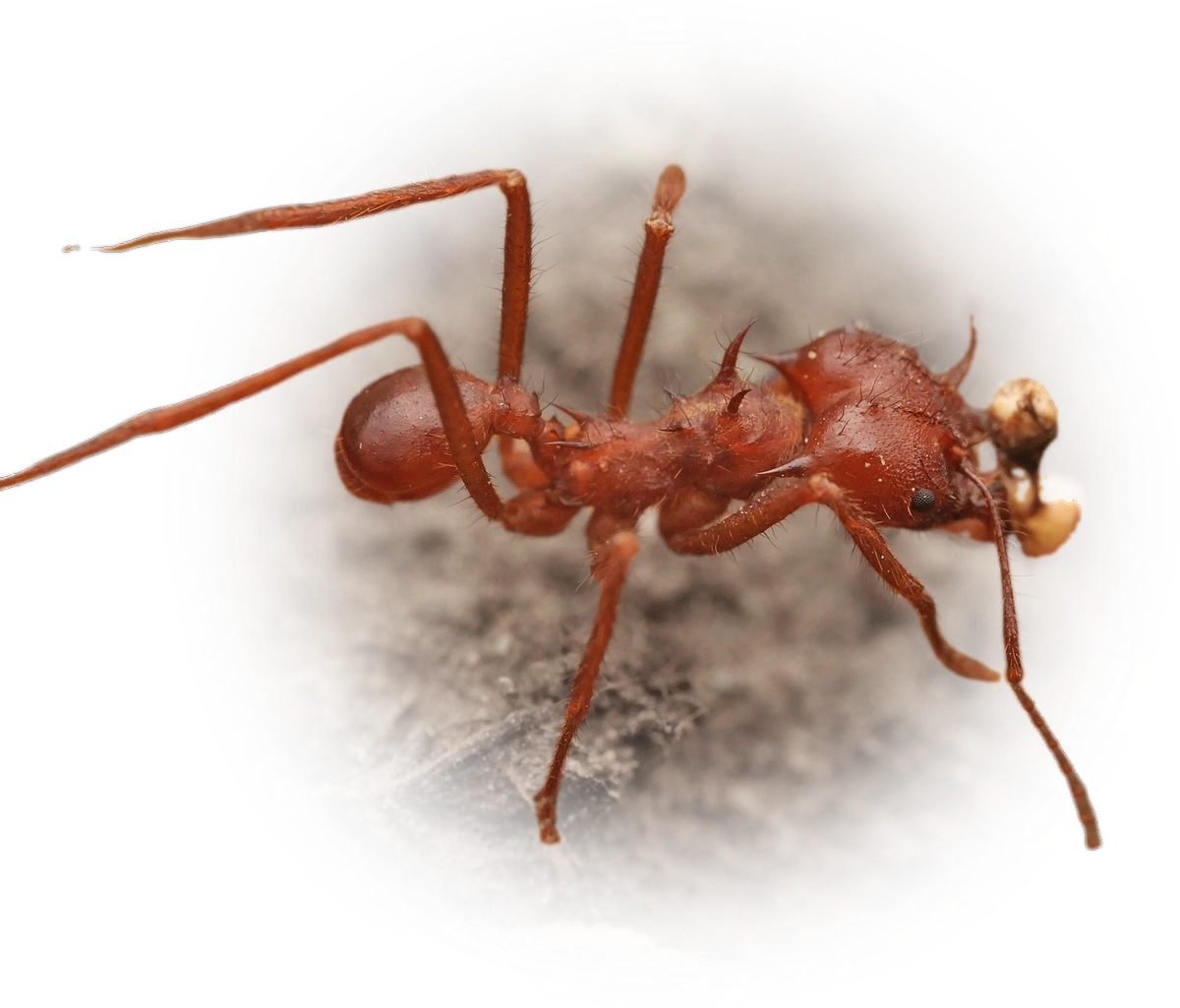
Chicatana Leafcutter Ant
Atta mexicana
- Sci. Name
- Atta mexicana
- Tribe
- Attini
- Subfamily
- Myrmicinae
- Author
- Smith, 1858
- Common Name
- Chicatana Leafcutter Ant
- Distribution
- Found in 4 countries
- Nuptial Flight
- From May to July
- Peak flight Time
- 09:00
AI Identifiable
try →
Introduction
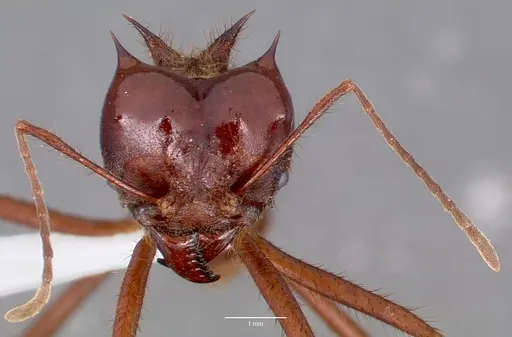
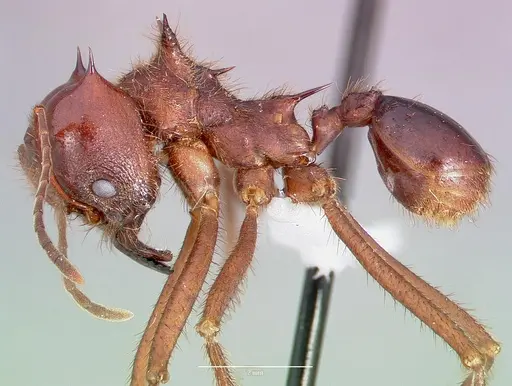
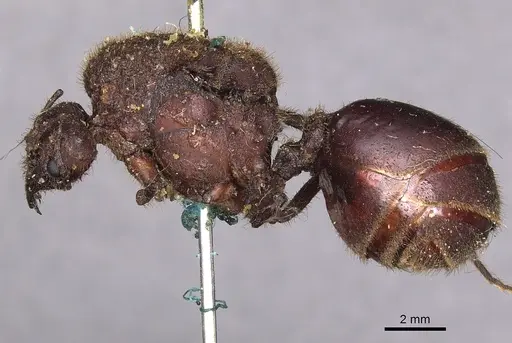
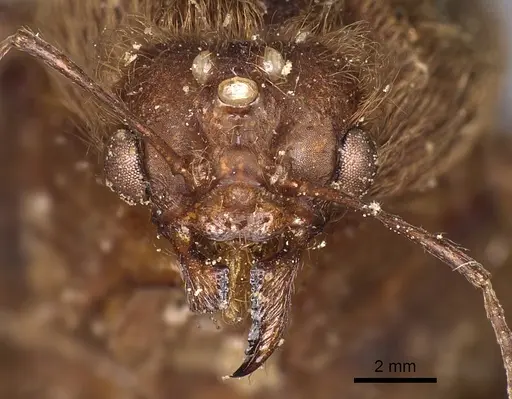
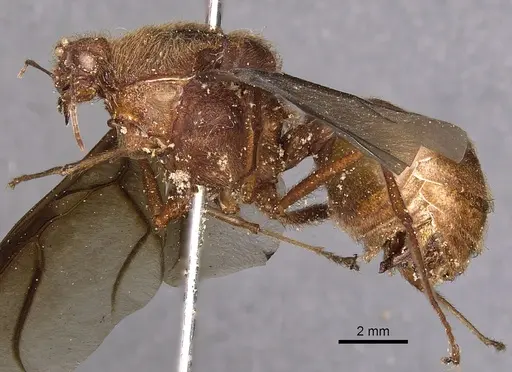
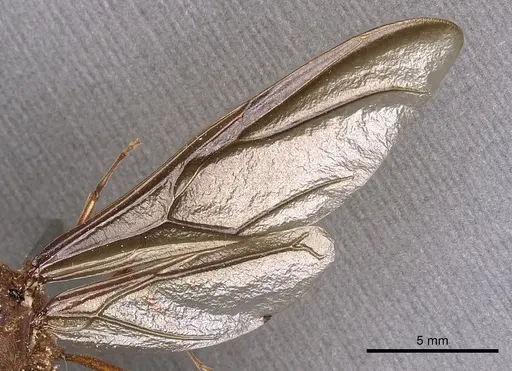
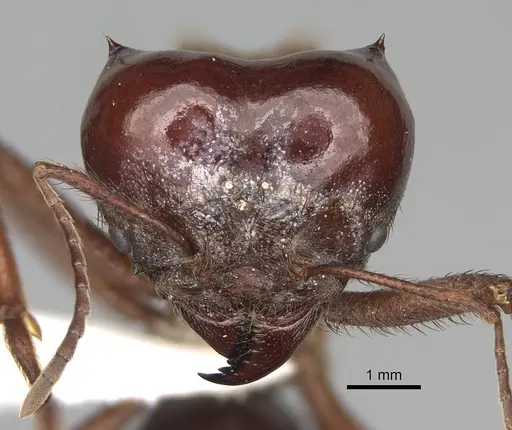
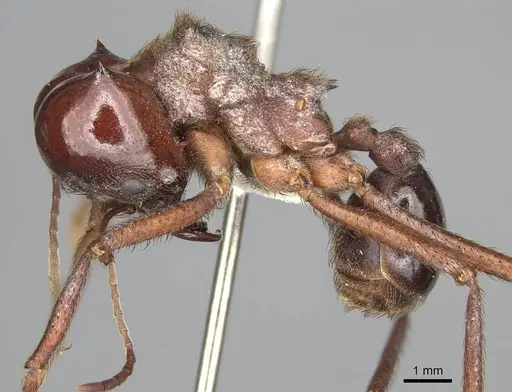
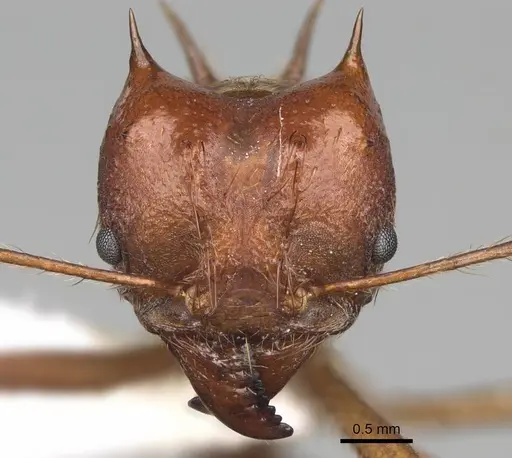
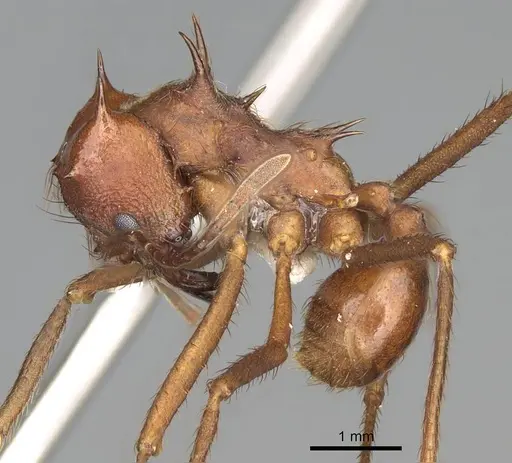
Atta mexicana, the Mexican leafcutter ant, is a master fungus-farmer and one of the most important ant species in Mexico. Workers come in dramatically different sizes, ranging from tiny 2mm minors to powerful 12mm majors equipped with sharp mandibles for slicing vegetation . Their bodies are typically reddish-brown to dark with noticeable spines and tubercles covering the surface . Native to Mexico and Central America, with populations reaching into southern Arizona, they inhabit diverse environments from tropical forests to arid regions wherever fresh vegetation is available . These ants do not eat leaves directly. Instead, they grow massive underground gardens of Leucoagaricus gongylophorus fungus, which serves as their sole food source . Colonies can reach staggering sizes of up to one million workers, creating complex societies with extensive foraging trails . Unlike many ants that keep waste inside nests, they deposit refuse outside in large dumps that can grow several feet tall and support entire communities of associated beetles and other invertebrates .
Quick Summary
- Difficulty: Expert
- Origin & Habitat: Native to Mexico, Guatemala, Honduras, El Salvador, and southern Arizona (Organ Pipe Cactus National Monument) [4][5][11]. Found in tropical forests, pine-oak woodlands, gallery forests, and desert areas with access to vegetation [12][13].
- Colony Type: Strictly monogyne (single-queen colonies). Pleometrosis (multiple queens founding together) occurs at very low frequencies [14][15].
- Size & Growth:
- Queen: Approximately 17-22 mm, inferred from original description (8-9 lines) [16].
- Worker: 2-12 mm, highly polymorphic with distinct castes from tiny minors to large majors [1].
- Colony: Up to 1,000,000 workers [1][8].
- Growth: Slow initially, accelerating to massive size over years.
- Development: Estimated 6-10 weeks at 25°C based on typical Atta genus patterns. (Development time is not specifically documented for Atta mexicana.)
- Antkeeping:
- Temperature: Maintain at approximately 25°C (77°F) with minimal fluctuation [17][18][6].
- Humidity: High humidity around 70% relative humidity, with moist garden material in fungus chambers [18].
- Diapause: No. They are tropical ants and remain active year-round at stable temperatures.
- Nesting: Requires specialized formicarium with deep, sterile fungus garden chambers, adequate ventilation to prevent mold, and extensive space for colony growth.
- Behavior: Nocturnal foragers that establish well-defined trunk trails [19][20]. Highly aggressive in defense against predators and army ant attacks [21]. Workers are extremely polymorphic, with different castes performing specialized tasks [17]. Because minors are only 2mm long, escape prevention must be excellent [1].
- Common Issues: fungus garden contamination by mold or alien fungi is the primary cause of colony death., escape prevention is critical, tiny 2mm workers can squeeze through the smallest gaps and majors can cut through soft materials., colonies require constant fresh vegetation supply, any interruption causes the fungus garden to collapse., sensitive to temperature fluctuations, overheating or cooling kills the fungus symbiont., founding phase is delicate, queens need sterile conditions and specific humidity to establish the first fungus garden., major agricultural pest causing significant damage to citrus, corn, coffee, and other crops [11][28].
Nuptial Flight Activity Analysis 1137 observations
Flight Activity by Hour 1137 observations
Atta mexicana nuptial flight activity peaks around 09:00 during the morning. Activity is spread across a 18-hour window (04:00–21:00). Times may be influenced by human observation patterns.
Fungus Cultivation and Nutrition
Atta mexicana are obligate fungus-farmers. They cultivate the basidiomycete fungus Leucoagaricus gongylophorus in underground gardens, feeding it fresh plant material and harvesting specialized nutrient-rich structures called gongylidia [6][7]. The ants cannot survive without this fungus, if the garden dies, the colony starves [6].
In captivity, they accept a variety of plant materials including rose petals and leaves, apple, orange peel, and oat [18]. However, some plants contain compounds that inhibit fungal growth and should be avoided [22]. The ants process plant material by chewing it into a pulp to create the garden medium, and they apply antimicrobial substances that eliminate 75-90% of unwanted microorganisms in the fungus garden [6].
Because the fungus is the food source for the larvae and the queen, maintaining garden health is your top priority. The garden requires constant fresh material, even a short interruption can cause irreversible damage.
Nest Structure and Space Requirements
In nature, Atta mexicana builds deep subterranean nests with multiple fungus chambers. In captivity, they require large formicariums with deep, sterile chambers for fungus gardens and ample space for the colony to expand [9].
A unique feature of this species is their external waste management. They deposit exhausted fungal material and other refuse in large piles outside the nest rather than keeping it inside [23][10]. These dumps can reach over two feet tall and several gallons in volume [9]. In captivity, you must provide a separate outworld or dumping area where workers can deposit waste, preventing contamination of the clean nest areas.
The nest material must remain moist but not waterlogged to support fungal growth. Ventilation is critical, stagnant air promotes mold growth, while excessive airflow causes drying [6].
Temperature and Environmental Control
Atta mexicana requires stable warm temperatures. Laboratory colonies are maintained at approximately 25°C (77°F) with success [17][18][6]. Fluctuations outside 25±2°C stress the fungus symbiont and can lead to garden collapse.
Relative humidity should be maintained around 70% [18]. This can be achieved by moistening the garden material regularly and providing a water source in the outworld. However, avoid creating standing water in the fungus chambers, as this promotes bacterial contamination.
As a tropical species, they do not require hibernation and remain active year-round. Maintain consistent conditions regardless of the season.
Foraging Behavior and Activity Patterns
These ants are nocturnal, with queens and males flying at night during nuptial flights [19]. Workers forage along established trunk trails that can extend considerable distances from the nest [20].
The worker caste system is highly developed, with different sizes performing different tasks. Major workers (soldiers) have large heads and powerful mandibles used for cutting vegetation and defense, while smaller workers tend the fungus gardens and care for brood [17]. This division of labor is essential for colony efficiency.
When threatened by army ants such as Nomamyrmex esenbeckii, Atta mexicana workers fight back aggressively, attacking from underground and capturing enemy larvae and pupae [21].
Colony Founding and Queen Care
Atta mexicana is strictly monogyne, meaning each colony has only one queen [14]. While pleometrosis (multiple queens founding together) has been observed rarely in this species, it occurs at very low frequencies and typically resolves to single-queen colonies [15].
Founding is claustral, the queen seals herself in a chamber with a pellet of fungus brought from her parent colony and lives off her fat reserves while the first workers develop. The founding period is delicate, the primary mortality factors for new queens are insect-killing fungi such as Beauveria bassiana and Metarhizium anisopliae [24][25].
In the laboratory, successful founding requires maintaining sterile conditions, appropriate humidity, and protecting the queen from fungal pathogens. The queen must not be disturbed during this vulnerable period.
Waste Management and Nest Associates
Unlike many ants that keep refuse in underground chambers, Atta mexicana deposits waste in external dumps [10]. These dumps create a unique microhabitat that stays between 19-27°C, warmer than the surrounding environment, and support a diverse community of organisms [26].
The dumps host specific beetles and other insects that live exclusively in this habitat. For example, the rove beetle Falagonia mexicana lives in the debris and preys on Atta workers [26], while the moth Amydria anceps breeds in the spent fungal material [9]. At least 17 species of darkling beetles in 10 genera use these dumps [27].
In captivity, you must manage these waste piles carefully. Remove them periodically to prevent the buildup of harmful organisms, but expect the ants to continually create new dump piles in their outworld.
Frequently Asked Questions
Can I keep Atta mexicana in a test tube?
No. Unlike many ant species, leafcutter ants cannot be kept in test tubes. They require immediate access to fungus garden substrate and specialized formicariums with sterile chambers from the very beginning. Test tubes do not provide the space, ventilation, or substrate requirements for fungal cultivation.
How long until Atta mexicana gets its first workers?
The development timeline is unconfirmed for Atta mexicana specifically, but based on typical Atta genus patterns, expect approximately 6-10 weeks from egg to first worker at 25°C. The founding period is delicate and the queen must maintain her fungus garden during this time.
Do Atta mexicana need hibernation?
No. Atta mexicana are tropical ants native to Mexico and Central America. They remain active year-round and do not require a hibernation period. Maintain stable temperatures around 25°C throughout the year [17].
What do Atta mexicana eat?
They do not eat leaves directly. Instead, they cultivate the fungus Leucoagaricus gongylophorus on chewed plant material. The ants feed the fungus fresh leaves, flowers, and fruits, then consume the nutritious gongylidia produced by the fungus [6][18]. In captivity, they accept rose petals, apple, orange peel, and oat [18].
How big do Atta mexicana colonies get?
Colonies can reach one million workers or more, with some reports of up to seven million workers in mature colonies [1][8]. This makes them one of the largest colony sizes among ants. Captive colonies have been recorded with over 17,000 individuals [1].
Can I keep multiple Atta mexicana queens together?
No. This species is strictly monogyne (single-queen). While pleometrosis (multiple queens founding together) has been observed rarely in nature, colonies typically resolve to single-queen status and will not tolerate multiple queens long-term [14][15].
Why did my Atta mexicana fungus garden die?
Fungus gardens typically die from contamination by alien fungi or bacteria, incorrect plant material (some plants contain antimicrobial compounds harmful to the fungus) [22], desiccation, or temperature extremes. Maintain sterile conditions, appropriate humidity around 70%, and a constant supply of suitable fresh vegetation [18].
What temperature should I keep Atta mexicana?
Maintain approximately 25°C (77°F) with minimal fluctuation. Laboratory colonies thrive at 25±2°C [17][6]. Temperatures significantly higher or lower can kill the fungus symbiont and destroy the colony.
Are Atta mexicana dangerous?
They possess powerful mandibles that can cut human skin, and the major workers can deliver painful bites. They do not possess a functional sting. They are also significant agricultural pests that damage citrus, corn, coffee, and other crops [11].
When is the nuptial flight of Atta mexicana?
The nuptial flight of Atta mexicana typically occurs From May to July.
What time of day does Atta mexicana fly?
The nuptial flight of Atta mexicana peaks around 09:00 during the morning, with most activity between 04:00 and 21:00. Times may be influenced by human observation patterns.
Report an Issue
The current care sheet is based fully on literature. See inconsistencies, or something that's incorrect? Please , it will be resolved after review from an admin. Contributing to the blogs tab also helps providing information, to make us be able to further improve the caresheets. Thank you for your support!
References

This caresheet is licensed under CC BY-SA 4.0 .
Community Blogs
CASENT0105607
View on AntWeb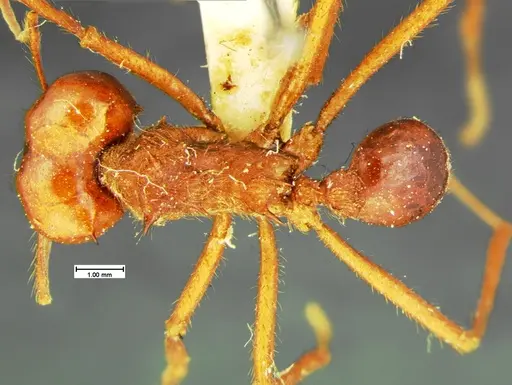
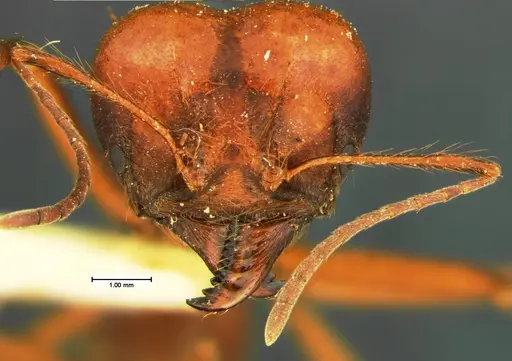
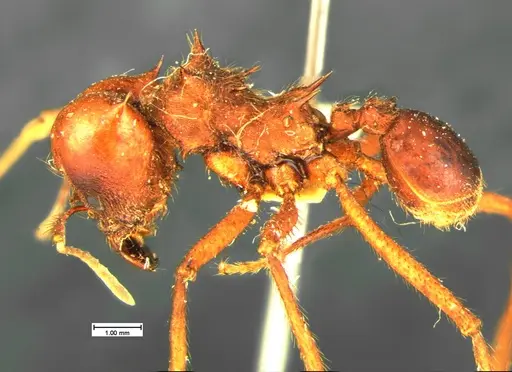
CASENT0421367
View on AntWeb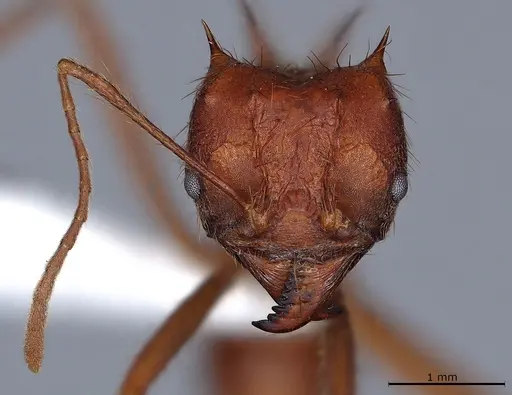
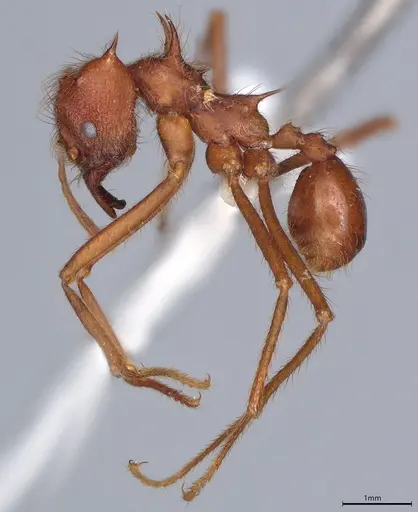
CASENT0421371
View on AntWeb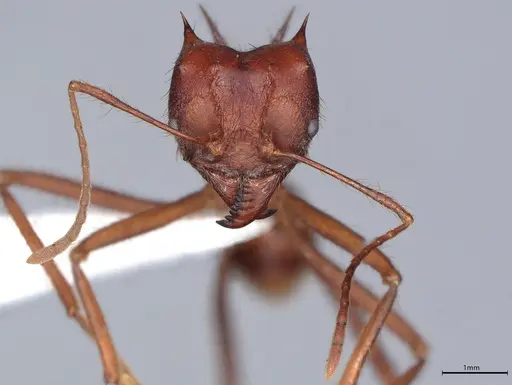
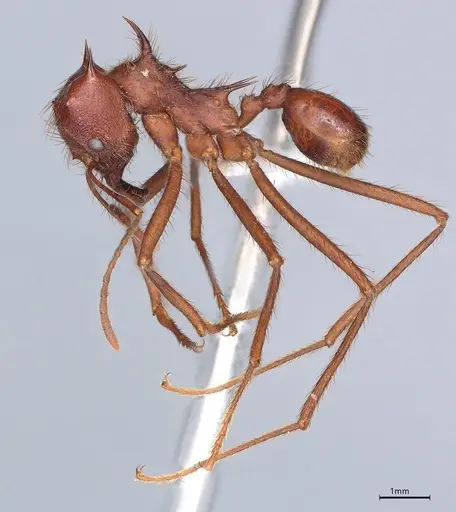
CASENT0421377
View on AntWeb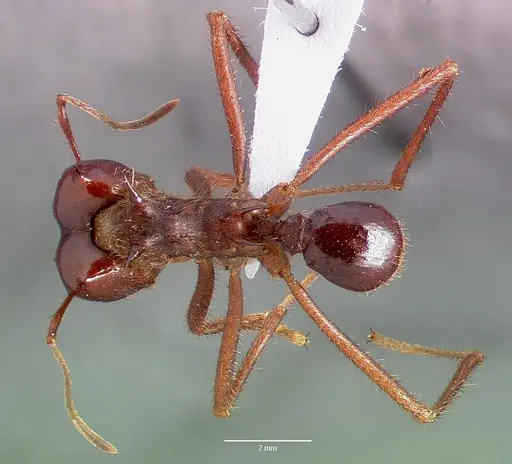
CASENT0421379
View on AntWeb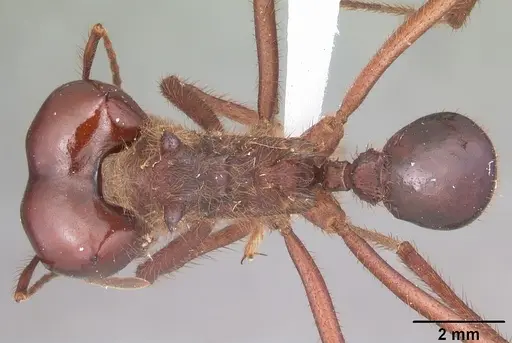
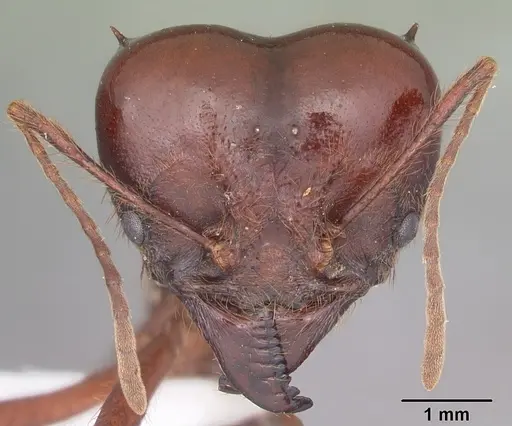
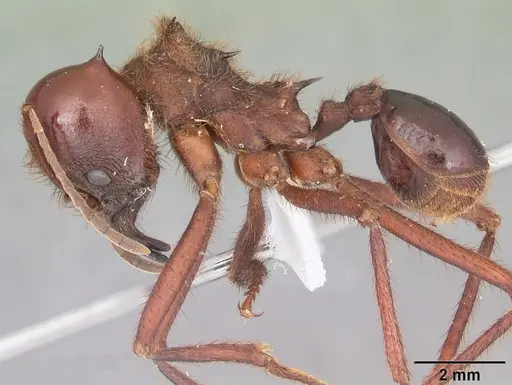
CASENT0900486
View on AntWeb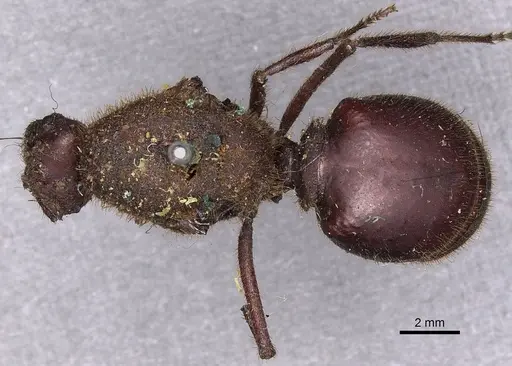
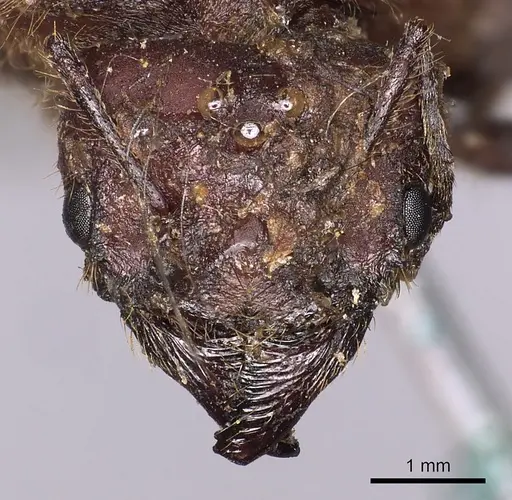
CASENT0900487
View on AntWeb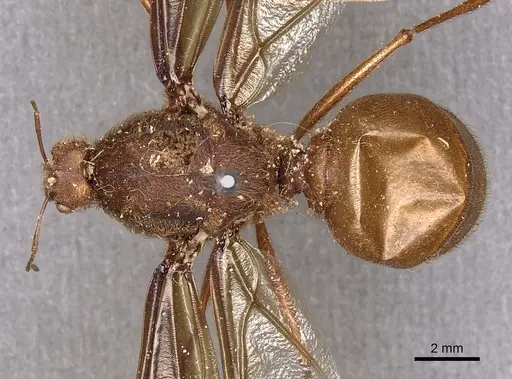
CASENT0922057
View on AntWeb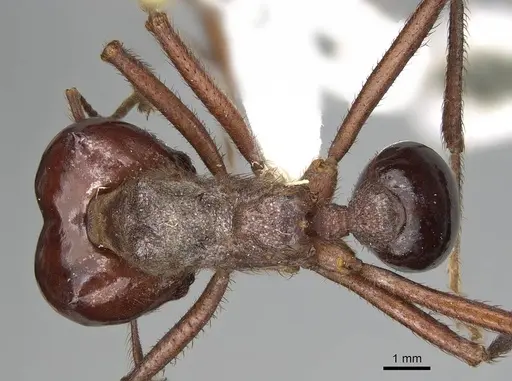
CASENT0922058
View on AntWeb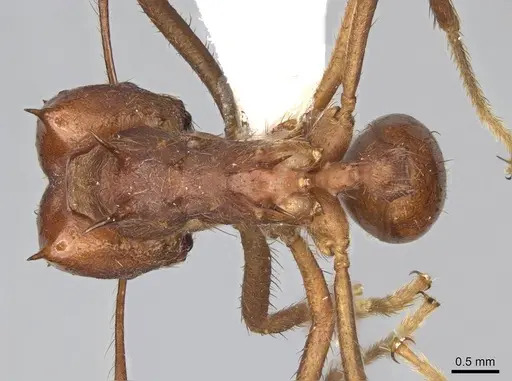
Literature
Loading distribution map...Loading products...