
Apterostigma auriculatum
- Sci. Name
- Apterostigma auriculatum
- Tribe
- Attini
- Subfamily
- Myrmicinae
- Author
- Wheeler, 1925
- Distribution
- Found in 10 countries
Introduction
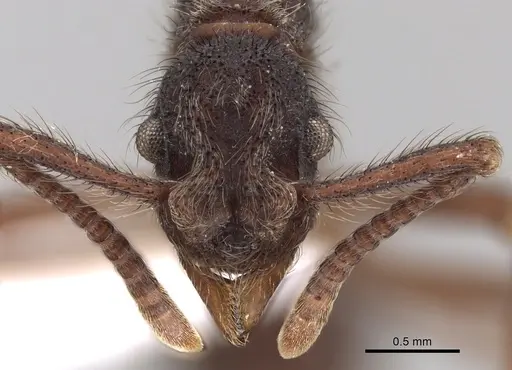
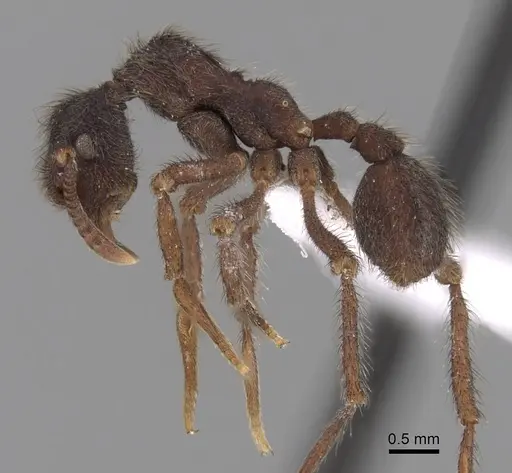
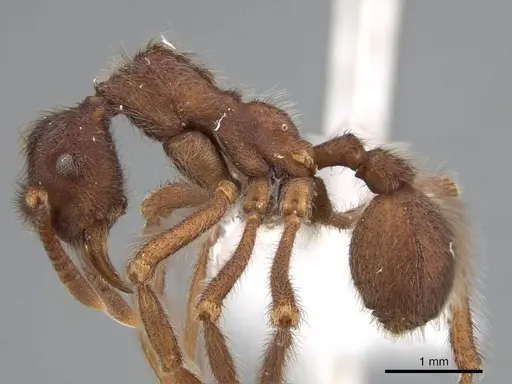
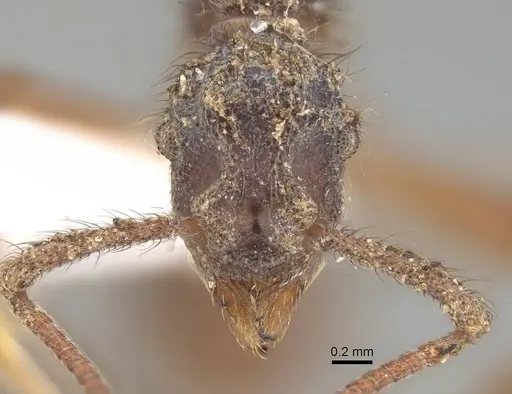
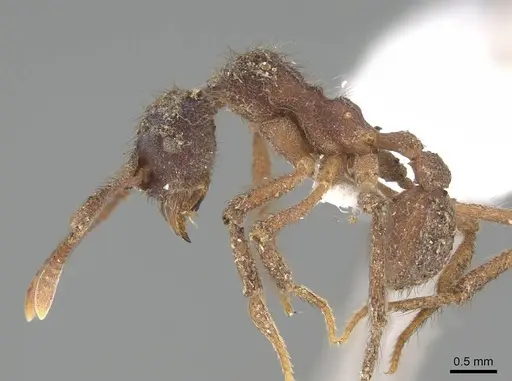
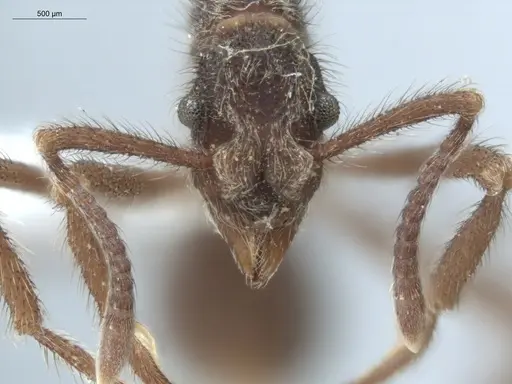
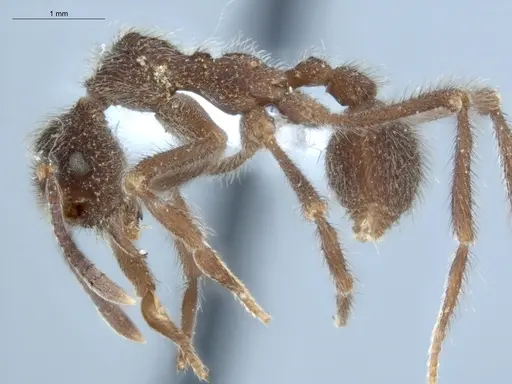
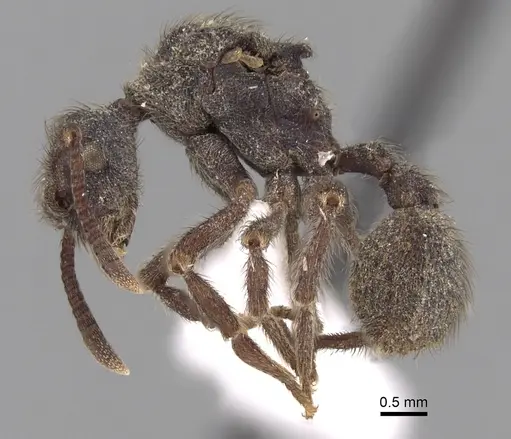
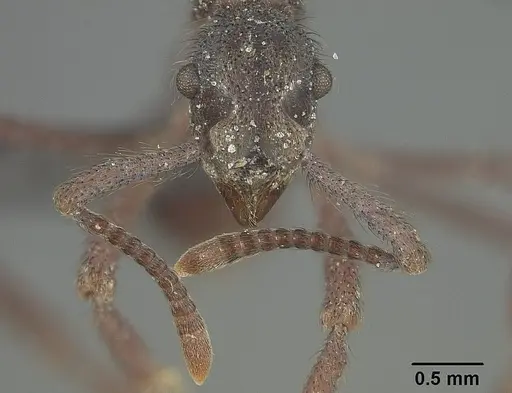
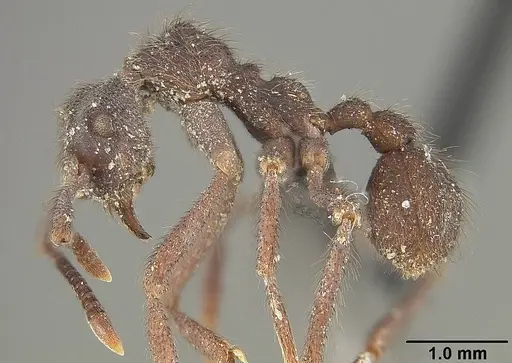
Apterostigma auriculatum is a small fungus-growing ant found across Central and South America from Honduras to Brazil [AntWiki]. Unlike most species in their genus, these ants retain the ancestral practice of cultivating gilled mushrooms (family Lepiotaceae, G3 clade) rather than the coral fungi that other Apterostigma switched to . They live in tiny colonies of up to 50 workers, with slow-moving workers that forage alone on the rainforest floor . Their fungus gardens sit exposed on the ground under rocks, logs, or inside hollow bamboo stems rather than being wrapped in silk . This species represents the basal Apterostigma lineage that maintains the ancestral attine condition of lepiotaceous fungiculture .
Quick Summary
- Difficulty: Expert
- Origin & Habitat: Neotropical rainforest floor from Honduras to Mato Grosso do Sul, Brazil, including Colombia, Panama, Peru, Bolivia, Ecuador, Guyana, French Guiana, Suriname, Trinidad and Tobago, and Venezuela [1][6][7][2]. Found under stones and logs in leaf litter on the rainforest floor [5][8].
- Colony Type: Likely single-queen based on small colony size of up to 50 workers, but not explicitly confirmed in research [5].
- Size & Growth:
- Antkeeping:
- Temperature: Warm tropical conditions, roughly 24-28°C, consistent with Neotropical distribution [1]
- Humidity: High humidity around 70-80%, with consistently damp substrate mimicking rainforest floor conditions
- Diapause: No diapause required, tropical species active year-round
- Nesting: Naturalistic setup with flat stones or wood pieces covering a substrate area for the sessile fungus garden [5]
- Behavior: Slow-moving, solitary foragers [5]. Non-aggressive with minimal defense capability. Because of their small colony size and specific needs, they are vulnerable to disturbance.
- Common Issues: fungus gardens are vulnerable to Escovopsis infection, appearing as pink mold growth on the garden, 11-33% of wild colonies are affected [3][10], small colony size of up to 50 workers means colonies are fragile and easily wiped out by disturbance or contamination [5], slow growth rate requires months of stable conditions and patience before colonies reach mature size [5], establishing the initial fungal pellet with a new queen is difficult and often fails in captivity, queens carry fungal pellets from parent nests but success rates are low [9]
Fungus Garden Cultivation
Apterostigma auriculatum cultivates an ancestral type of gilled mushroom (family Lepiotaceae, G3 clade) that grows slowly compared to other attine fungi [3][4]. The garden sits exposed on the substrate surface under cover objects rather than being wrapped in silk, making it vulnerable to contamination [4]. You must provide sterile organic material to feed the fungus, such as dried leaves, flower petals, or insect frass, sterilized by boiling or baking to kill competing molds. The garden requires constant high humidity but not waterlogging. Watch for pink or cottony growths indicating Escovopsis infection, which affects 11-33% of wild colonies and can wipe out captive gardens quickly [3][10]. This species is the only Apterostigma that has retained the ancestral state of growing lepiotaceous cultivars rather than pterulaceous fungi [3].
Nest Design and Setup
In nature, these ants place their fungus gardens on the ground under large rocks, fallen logs, or inside hollow bamboo stems [5][8]. Replicate this in captivity using a naturalistic setup with flat stones or ceramic tiles resting on a deep layer of substrate mix (sterilized soil, leaf litter, and decaying wood). The space beneath the cover object becomes the chamber where the garden sits. Ensure the substrate stays damp but not soggy, and provide minimal ventilation to maintain humidity while preventing stagnant air. Avoid enclosed formicariums or test tubes, the ants need open access to tend the exposed garden [5]. They are commonly encountered under logs and rocks on the rainforest floor [8].
Feeding and Nutrition
The colony feeds entirely on the fungus they cultivate [9]. Workers forage to collect material to grow the fungus, not to eat directly. Provide your colony with sterilized organic substrates like dried leaves, small pieces of vegetables, or insect frass (sterilized waste from other insect colonies). They may also accept small amounts of sugar water or honey for energy, but the fungus garden is their primary food source. Do not feed them protein directly like mealworms, instead, provide protein-rich organic matter for the fungus to decompose. All extant attine ants obligately depend on fungal food as exclusive diet for larvae and partial diet for adults [9].
Colony Founding
Queens carry a fungal pellet from their parent nest when founding, which they use to start the new garden [9]. The exact founding behavior (whether the queen seals herself in or forages) is unconfirmed for this species. Based on other lower attine ants, founding likely requires the queen to have access to substrate and possibly to forage for garden material. Set up founding queens in small containers with damp sterile substrate and a cover object, maintaining high humidity and warmth. Success rates are typically low for fungus-growing ants in captivity. Only female reproductives carry the fungus from parent to offspring nest [9].
Disease and Escovopsis Management
The greatest threat to captive colonies is Escovopsis, a parasitic mold that attacks the fungus garden [3]. In the wild, 11% of G3-cultivar colonies show infection, with up to 33% of Apterostigma colonies affected overall [3][10]. If you see pink, orange, or cottony white growth spreading over the garden, remove the contaminated sections immediately with sterile tools. Maintain strict hygiene: sterilize all food items, avoid introducing unsterilized soil or plants, and ensure workers cannot track contaminants from foraging areas back to the garden. Some attines have mutualistic bacteria that produce antibiotics, but maintaining clean conditions remains essential [10].
Frequently Asked Questions
Can I keep Apterostigma auriculatum in a test tube?
No. These ants need space for an exposed fungus garden on the substrate surface. Test tubes are too small and humidify poorly for garden cultivation. Use a naturalistic setup with flat stones or wood over damp substrate instead [5].
What do Apterostigma auriculatum eat?
They eat fungi that they cultivate themselves. You must feed the fungus with sterilized organic material like dried leaves, flower parts, or insect frass. The ants do not eat insects or sugar directly as their primary food source [9].
How big do Apterostigma auriculatum colonies get?
Colonies remain small, reaching up to 50 workers [5]. They grow slowly and will never reach the large sizes seen in leafcutter ants.
Do Apterostigma auriculatum need hibernation?
No. They are tropical ants from Central and South America and remain active year-round at warm temperatures.
Are Apterostigma auriculatum good for beginners?
No. These are expert-level ants due to their specialized fungus cultivation needs, small colony size making them fragile, and susceptibility to garden diseases like Escovopsis [3][5].
How long until Apterostigma auriculatum gets first workers?
The timeline is unconfirmed for this species. Based on related lower attine fungus-growers, expect several months, though this depends heavily on fungus garden establishment.
Can I keep multiple Apterostigma auriculatum queens together?
Not recommended. Their small colony size suggests single-queen colonies, and combining queens has not been documented for this species [5].
Why is my Apterostigma auriculatum fungus garden turning pink?
Pink growth indicates Escovopsis infection, a parasitic mold that attacks attine fungus gardens. Remove contaminated sections immediately and improve hygiene by sterilizing all food items [3].
What temperature do Apterostigma auriculatum need?
Keep them warm, roughly 24-28°C, consistent with their tropical rainforest origins [1].
Report an Issue
The current care sheet is based fully on literature. See inconsistencies, or something that's incorrect? Please , it will be resolved after review from an admin. Contributing to the blogs tab also helps providing information, to make us be able to further improve the caresheets. Thank you for your support!
References

This caresheet is licensed under CC BY-SA 4.0 .
Community Blogs
CASENT0613604
View on AntWeb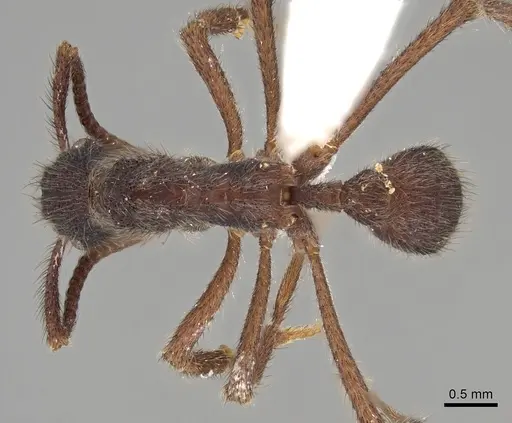
CASENT0905912
View on AntWeb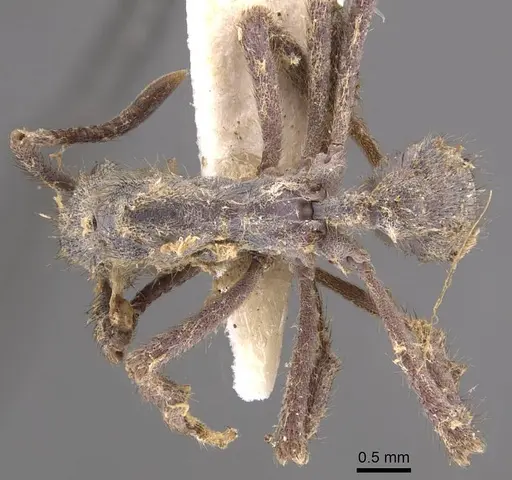
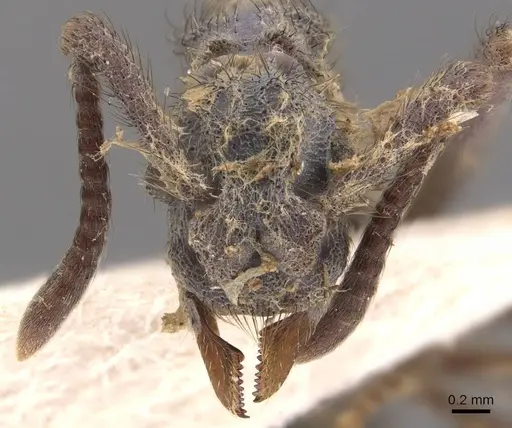
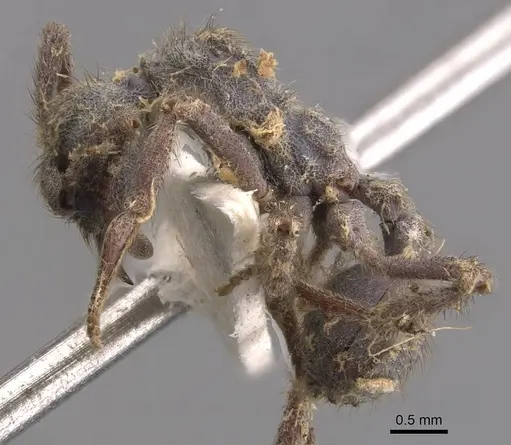
CASENT0922034
View on AntWeb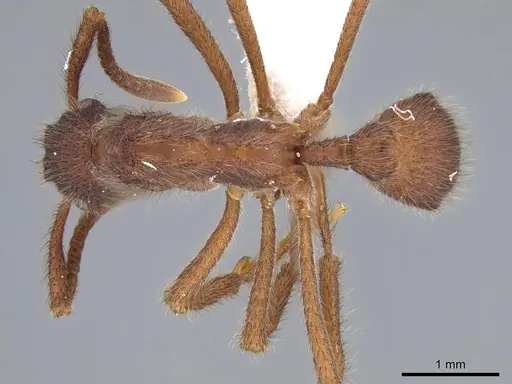
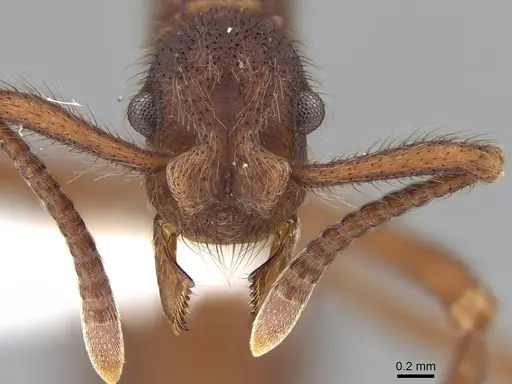
CASENT0922035
View on AntWeb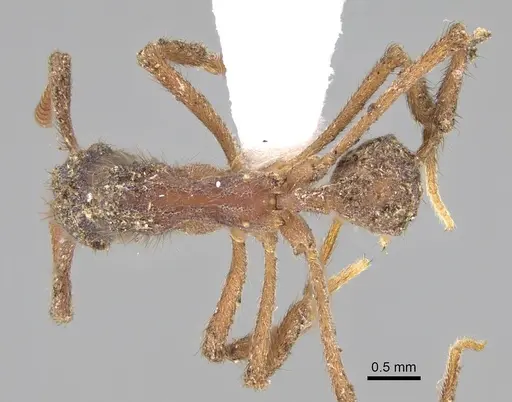
ECOFOG-KW14-0066-12
View on AntWeb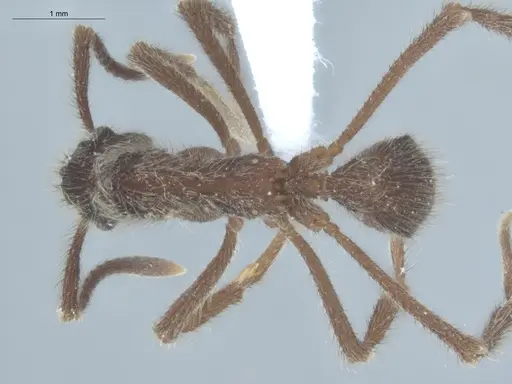
ECOFOG-MI15-0088-28
View on AntWeb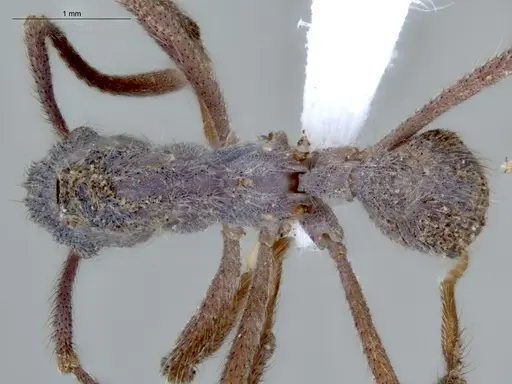
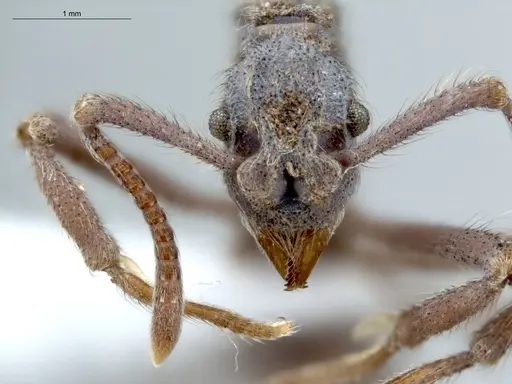
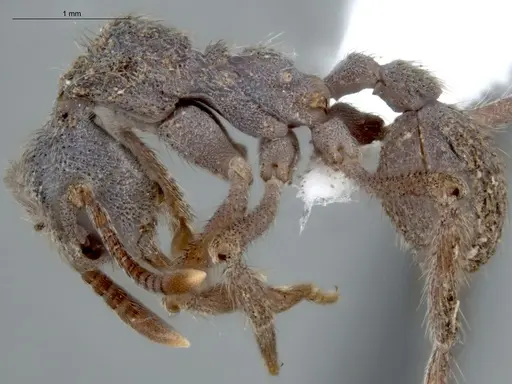
INBIOCRI001284064
View on AntWeb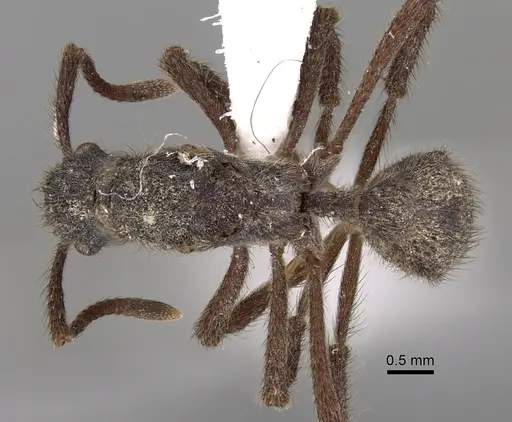
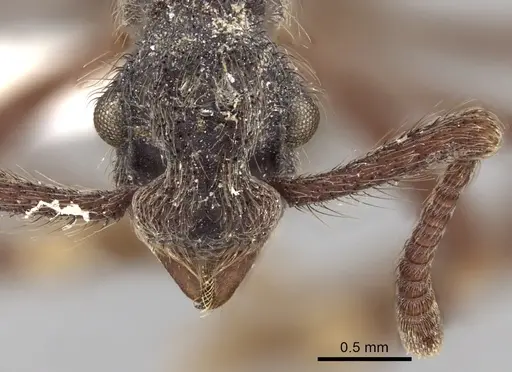
USNMENT01124243
View on AntWeb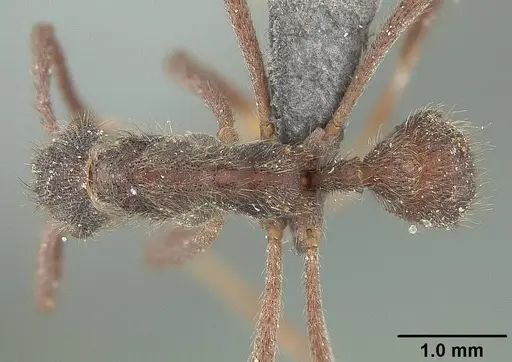
Literature
Loading distribution map...Loading products...