
Aphaenogaster uinta
- Sci. Name
- Aphaenogaster uinta
- Tribe
- Stenammini
- Subfamily
- Myrmicinae
- Author
- Wheeler, 1917
- Distribution
- Found in 1 countries
Introduction
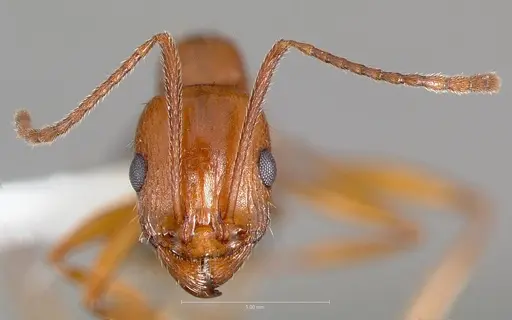
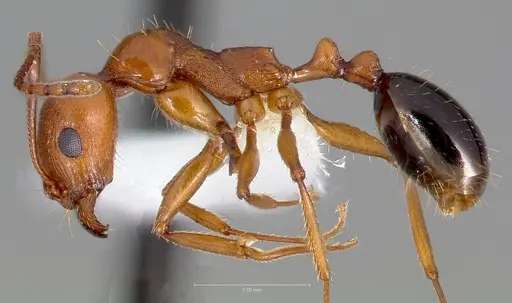
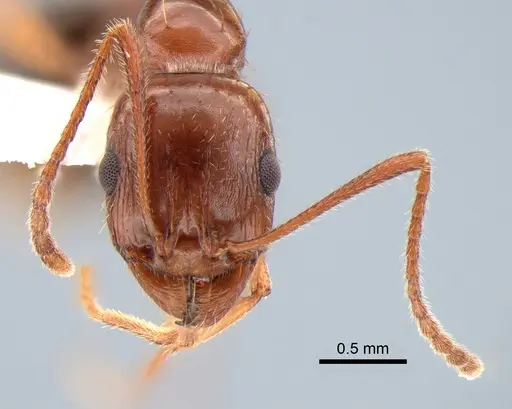
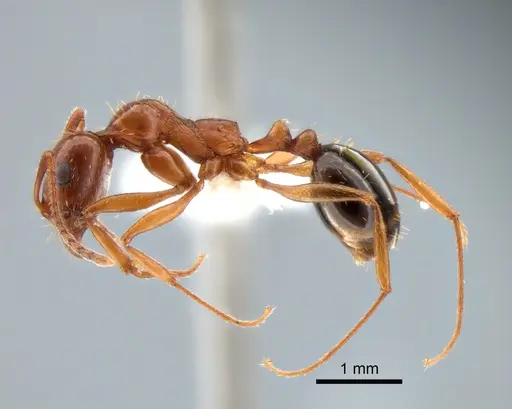
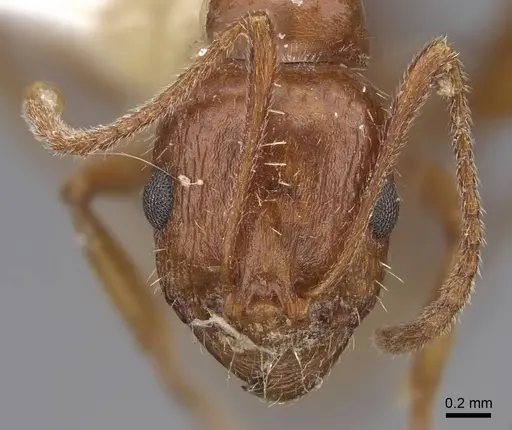
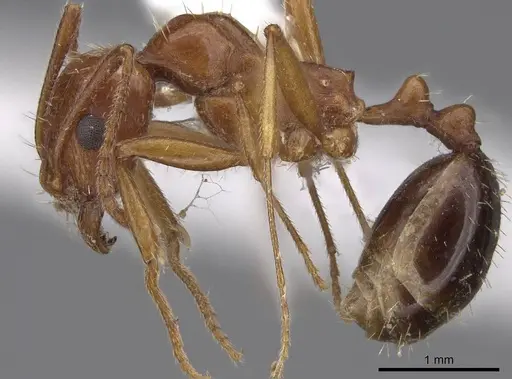
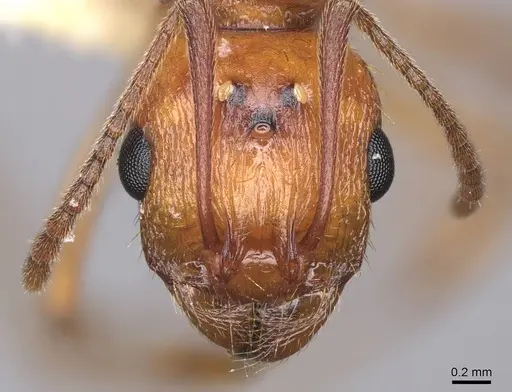
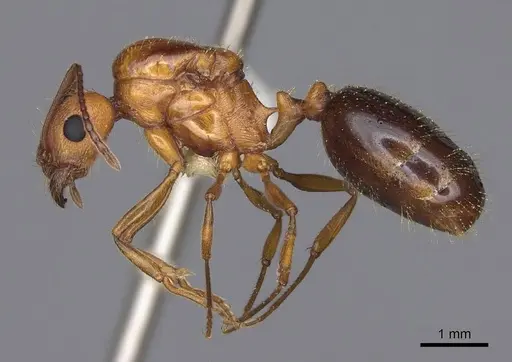
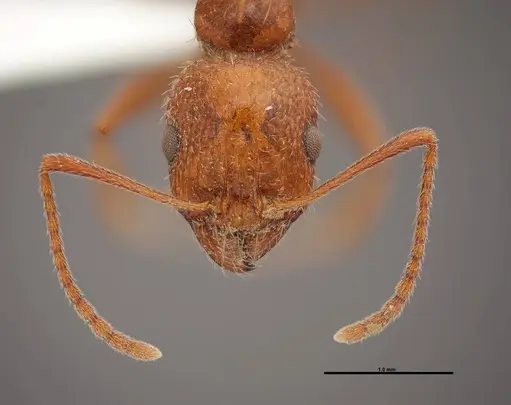
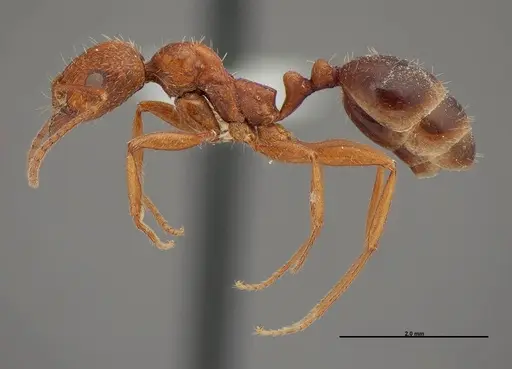
Aphaenogaster uinta is a small to medium-sized ant with a distinctive two-tone appearance: yellowish-red head and thorax, and dark gray to black gaster [AntWiki]. To the naked eye, the gaster appears black, giving them the classic desert ant look [AntWiki]. They inhabit the Great Basin and Colorado Plateau regions of the western United States, including Utah, Nevada, Idaho, and Colorado [AntWiki]. These ants are strictly nocturnal foragers and build unique nest architecture. They construct exposed crater nests with distinctive 6 to 8 cm diameter openings in open ground, though they also nest under stones, logs, and within thin limestone layers [AntWiki]. A mating flight was observed on July 13th in Tonopah, Nevada, showing they follow typical summer nuptial flight patterns for temperate ants [AntWiki].
Quick Summary
- Difficulty: Medium
- Origin & Habitat: Great Basin and Colorado Plateau, found in cool desert, pinyon-juniper woodlands, and coniferous forests between 4,500-8,000 ft elevation [1]
- Colony Type: Colony structure unconfirmed, likely single-queen based on typical Aphaenogaster patterns
- Size & Growth:
- Antkeeping:
- Temperature: 20-25°C with cooler nights, provide a gentle heat gradient
- Humidity: Low to moderate, keep nest substrate slightly moist with a dry outworld
- Diapause: Yes, required for 3-4 months at 5-10°C [1]
- Nesting: Naturalistic setups with flat stones, or tight-chambered plaster/Y-tong nests, appreciates limestone or soil for crater building
- Behavior: Strictly nocturnal foragers, build characteristic crater nests, generally peaceful but can bite, small to medium size requires good escape prevention [1]
- Common Issues: nocturnal schedule means little daytime activity for viewing., small to medium size requires excellent escape barriers like Fluon., desert-adapted colonies may develop mold issues in overly humid conditions., wild-caught nests may harbor parasitic beetles such as Pilopius ocularis [1].
Nest Preferences and Crater Building
In nature, Aphaenogaster uinta lives between thin limestone layers, under stones and logs, or constructs exposed crater nests measuring 6 to 8 cm in diameter [1]. This flexibility means you can house them in various setups. A naturalistic enclosure with flat stones over a slightly moist substrate works well, allowing them to choose their preferred microclimate. You can also use plaster or Y-tong nests with narrow chambers. If you provide a soil-based outworld, they may build their characteristic crater entrances, which is fascinating to watch. Keep the nest area damp but not waterlogged, while allowing the outworld to stay dry, as they come from arid regions but need some humidity in their living quarters.
Temperature and Seasonal Care
These ants live at elevations between 4,500 and 8,000 feet in Nevada, experiencing hot days and cool nights [1]. Keep your colony at 20-25°C during the day with a gentle heat gradient. Because they come from temperate regions with distinct seasons, you must hibernate them for 3-4 months in winter. Cool them down gradually to 5-10°C and keep the nest moist but not wet during this rest period. Resume normal temperatures in spring when you see increased activity. Watch for condensation during cooling to prevent flooding.
Nocturnal Behavior and Feeding
Unlike many pet ants, Aphaenogaster uinta forages exclusively at night [1]. This means you'll see little to no activity during daylight hours. Feed them in the evening with small insects and sugar sources like honey or sugar water. Remove uneaten food in the morning to prevent mold in their preferred drier environment. They are not aggressive hunters but will scavenge and hunt small prey. Because they are active at night, use a red light if you want to observe them without disturbing their natural rhythm.
Growth and Development
Colonies reach several hundred workers over a few years [1]. Growth is moderate, do not expect explosive expansion. The exact time from egg to worker is not documented for this species. First workers (nanitics) may emerge at different rates depending on temperature. Be patient with development, especially during the founding stage, and avoid overfeeding which can lead to mold in the nest.
Frequently Asked Questions
Can I keep Aphaenogaster uinta in a test tube?
Yes, for the founding stage. However, the founding type is unconfirmed for this species. If semi-claustral, the queen will need to forage, so provide a small outworld or offer food directly in the tube.
Do Aphaenogaster uinta need hibernation?
Yes. They come from temperate regions with cold winters at high elevations, so cool them to 5-10°C for 3-4 months annually [1].
How big do Aphaenogaster uinta colonies get?
Colonies reach several hundred workers [1].
What do Aphaenogaster uinta eat?
They are generalist scavengers and hunters. Offer small insects like fruit flies or small mealworm pieces, and carbohydrates like honey water or sugar water.
Are Aphaenogaster uinta good for beginners?
They are medium difficulty. Their nocturnal habits and diapause requirements make them better suited for keepers with some experience rather than absolute beginners.
Do Aphaenogaster uinta ants sting?
They can bite but rarely sting humans. Their stingers are small and not considered medically significant.
Why are my Aphaenogaster uinta not active during the day?
They are strictly nocturnal and forage only at night. This is normal behavior for the species [1].
What is the best nest type for Aphaenogaster uinta?
Naturalistic setups with flat stones or tight-chambered plaster nests work well. They enjoy building crater entrances if given loose soil in an outworld [1].
How long until Aphaenogaster uinta get their first workers?
The exact timeline is unknown for this species. Development depends on temperature and other factors.
Can I keep multiple Aphaenogaster uinta queens together?
Not recommended. Combining unrelated queens of this species has not been documented and will likely result in fighting.
Report an Issue
The current care sheet is based fully on literature. See inconsistencies, or something that's incorrect? Please , it will be resolved after review from an admin. Contributing to the blogs tab also helps providing information, to make us be able to further improve the caresheets. Thank you for your support!
References

This caresheet is licensed under CC BY-SA 4.0 .
Community Blogs
CASENT0005727
View on AntWeb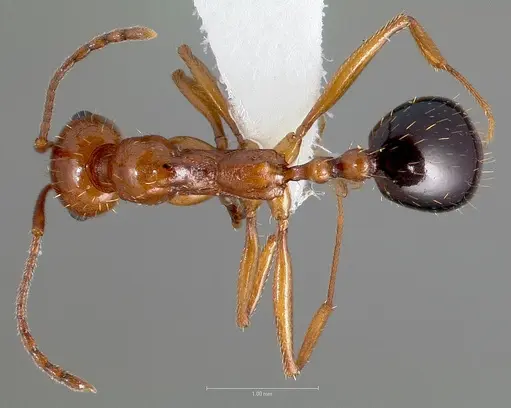
CASENT0882114
View on AntWeb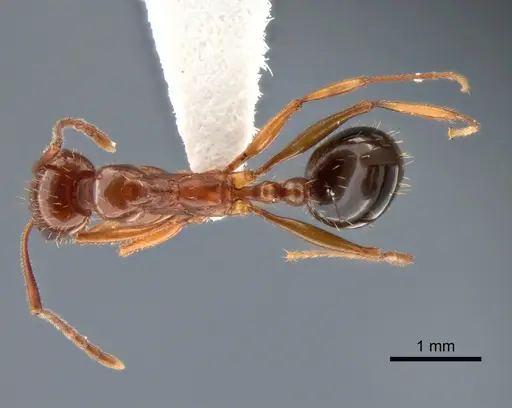
CASENT0914475
View on AntWeb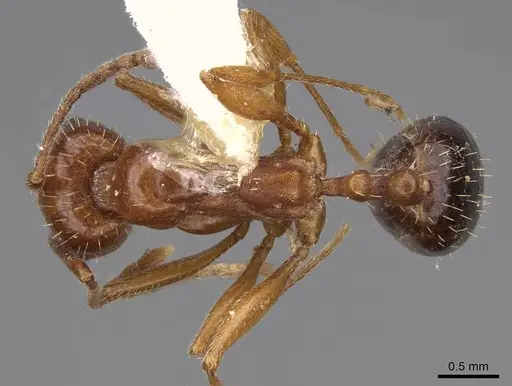
CASENT0923083
View on AntWeb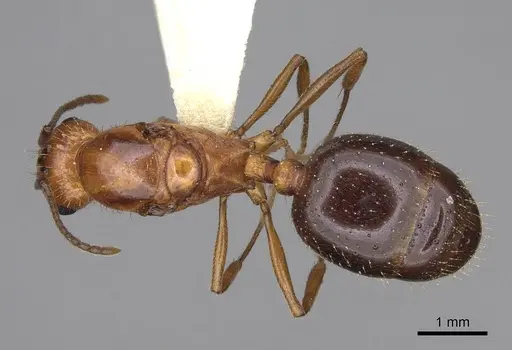
FMNHINS0000062702
View on AntWeb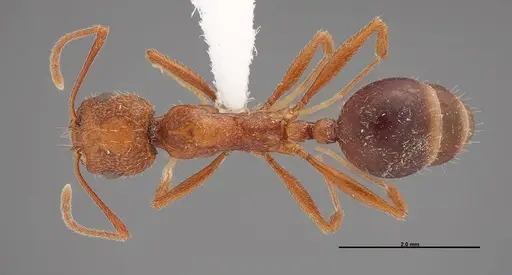
Literature
Loading distribution map...Loading products...