
Aphaenogaster smythiesii
- Sci. Name
- Aphaenogaster smythiesii
- Tribe
- Stenammini
- Subfamily
- Myrmicinae
- Author
- Forel, 1902
- Distribution
- Found in 4 countries
Introduction
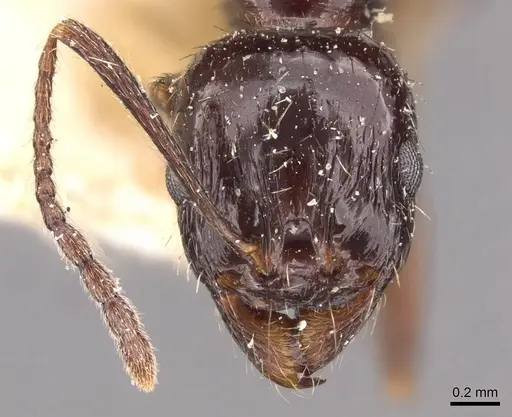
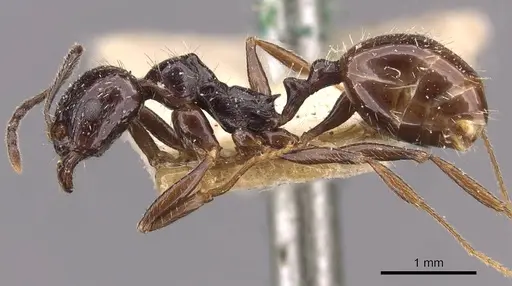
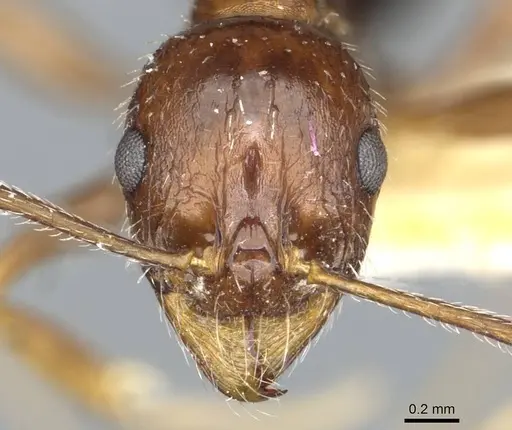
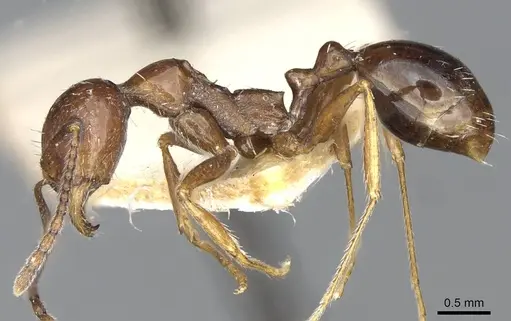
Aphaenogaster smythiesii is a medium-small ant from the Himalayan mountains, with workers measuring 4.5-5.9mm in total length . They have a dark chestnut-brown to black-brown body with paler legs and antennae, and display short, sharp propodeal spines . These ants inhabit high elevations between 1000 and 2900 meters across the Himalayan region, including parts of India, Nepal, Pakistan, Afghanistan, and China . This species exhibits fascinating social behavior. Queens are strictly monandrous, mating with only one male . Their colonies demonstrate worker policing, where non-reproductive workers aggressively prevent other workers from laying eggs . They also play an important ecological role as seed dispersers in their native forests, carrying seeds with sugary elaiosomes back to their nests .
Quick Summary
- Difficulty: Medium
- Origin & Habitat: Himalayan mountains and cool-temperate woodlands at 1000-2900m elevation, nesting in leaf litter and under stones [4][6][11].
- Colony Type: Single-queen (monogyne) colonies. Queens mate with only one male (monandrous), and workers police each other to prevent unauthorized egg-laying [7][8].
- Size & Growth:
- Queen: ~6-8mm, inferred from Aphaenogaster genus patterns
- Worker: 4.5-5.9mm [1][2][3]
- Colony: Up to 3500 workers, typically around 1600 [11]
- Growth: Moderate
- Development: Unconfirmed, likely 8-12 weeks at 20°C based on temperate climate patterns (Development speed depends on temperature. Cooler high-altitude conditions likely mean slower development than tropical species.)
- Antkeeping:
- Temperature: Keep cool, roughly 15-20°C during active season. Do not exceed 25°C, this high-altitude species suffers in warm conditions [11][4].
- Humidity: Keep nest substrate damp like forest leaf litter, moist but not waterlogged [11][6].
- Diapause: Yes, required for colonies from temperate/high altitude regions. Provide 3-4 months at 5-10°C during winter [11][4].
- Nesting: Single nest sites (monodomous) in captivity. Use naturalistic setups with leaf litter and soil, or Y-tong/plaster nests with moisture-retaining substrate [11][6].
- Behavior: Highly territorial and aggressive toward foreign colonies [11]. Forages on ground surface and within soil [6]. Shows worker policing behavior where non-reproductive workers attack egg-laying workers [8].
- Common Issues: overheating, this is a high-altitude cool-climate species that suffers in warm rooms above 25°C., worker egg-laying if queen dies, workers may lay eggs but these are usually policed or non-viable [8][9]., territorial aggression, never mix colonies or place nests too close together [11]., small worker size means they can escape through tiny gaps, use fine mesh and barrier creams.
Nest Preferences
In nature, Aphaenogaster smythiesiii builds single nest sites (monodomous) rather than spreading across multiple locations [11]. They typically nest in leaf litter with underground tunnel systems, or under stones in cool, shaded forest areas [11][6]. The nests are found at elevations between 1000 and 2900 meters in the Himalayas, often in semi-evergreen broadleaf or walnut forests [4][6].
For captive care, replicate these cool, damp forest floor conditions. A naturalistic setup with a soil and leaf litter mix works well, or use a Y-tong (AAC) or plaster nest that can hold moisture without flooding. Provide chambers sized to their 5mm bodies, they prefer tight spaces over open rooms. Keep the substrate damp but not waterlogged, similar to a forest floor after rain.
Temperature and Seasonal Care
This species comes from cool, high-altitude environments across the Himalayas and temperate Asia [4][11]. Keep them at roughly 15-20°C during the active season, cooler than most tropical ant species. They will need a winter hibernation period (diapause) at 5-10°C for 3-4 months, as they experience cold winters in their native range [11][4].
Watch for signs of overheating: if workers cluster away from heat sources or show lethargy at room temperature (22°C+), cool them down immediately. A heating cable is not recommended for this species unless your room is very cold, instead, focus on maintaining stable, cool conditions.
Feeding and Diet
Aphaenogaster smythiesiii are generalist foragers that hunt on the ground surface and within soil [6]. They are also documented seed dispersers, carrying seeds of plants like Trillium camschatense that have sugary attachments (elaiosomes) containing fructose, glucose, and sucrose [10].
In captivity, offer a varied diet: small live insects (fruit flies, small crickets), sugar water or honey, and occasionally seeds with elaiosomes if available. Emphasize protein for their moderate-sized colonies of up to 1600 workers [11].
Worker Policing and Colony Reproduction
This species shows a fascinating behavior called worker policing. While workers have functional ovaries and can lay eggs, other workers in the colony will aggressively attack or "police" any worker that tries to lay eggs in the presence of the queen [8][9]. This keeps the queen as the sole reproductive individual.
Queens mate with only one male (monandrous), making the colony genetically tight-knit [7]. If your queen dies, workers may start laying eggs, but these will develop into males only (unfertilized), and the colony will eventually die out as the policing breaks down without a queen present [8].
Behavior and Temperament
Aphaenogaster smythiesiii is one of the most territorial ant species in their habitat, with nests spaced apart from each other and high aggression toward foreign colonies [11]. Workers are aggressive against intruders from other colonies and will defend their nest site vigorously [11].
They are ground-foraging ants that rarely climb, but their small size means excellent escape prevention is essential. Use Fluon or barrier cream on vertical surfaces and ensure all ventilation mesh is fine enough to stop 5mm ants.
Frequently Asked Questions
Can I keep Aphaenogaster smythiesii in a test tube setup?
Yes for founding, but move them to a naturalistic or soil-based nest once the colony grows beyond 20-50 workers. They prefer substrate they can tunnel in, mimicking their leaf litter and soil nesting habits [11][6].
How long until Aphaenogaster smythiesii gets its first workers?
The exact timeline is unconfirmed for this species. Based on their temperate climate and high-altitude habitat, expect roughly 8-12 weeks at 20°C, possibly longer if kept cooler.
Can I keep multiple Aphaenogaster smythiesii queens together?
No. This species is monogyne (single queen) and highly territorial. Colonies show aggression toward foreign colonies, and queens mate with only one male, suggesting strict single-queen families [11][7].
Do Aphaenogaster smythiesii need hibernation?
Yes. They come from cool, high-altitude Himalayan regions and cool-temperate woodlands where winters are cold [11][4]. Provide a winter rest period at 5-10°C for 3-4 months.
What temperature do Aphaenogaster smythiesii need?
Keep them cool, roughly 15-20°C during the active season. They are a high-altitude species that will suffer in warm rooms above 25°C [11][4].
How big do Aphaenogaster smythiesii colonies get?
Colonies typically reach around 1600 workers, with large colonies reaching up to 3500 workers [11].
Are Aphaenogaster smythiesii aggressive?
Yes, they are highly territorial and aggressive toward foreign colonies. Workers will attack intruders from other nests, and nests are typically spaced apart in nature [11].
What do Aphaenogaster smythiesii eat?
They are generalist foragers that hunt small prey on the ground and collect seeds with sugary attachments (elaiosomes) [6][10]. Feed them small live insects, sugar water, and seeds.
Why are my Aphaenogaster smythiesii workers laying eggs?
If your queen died, workers may develop ovaries and lay eggs. However, this species shows worker policing where other workers attack egg-layers, and any eggs laid will be male-only and non-viable long-term [8][9]. The colony will eventually die without a queen.
Are Aphaenogaster smythiesii good for beginners?
They are medium difficulty. While they are hardy ants, they require cool temperatures and likely hibernation, making them better for keepers who can provide climate control or live in cooler regions [11][4].
Report an Issue
The current care sheet is based fully on literature. See inconsistencies, or something that's incorrect? Please , it will be resolved after review from an admin. Contributing to the blogs tab also helps providing information, to make us be able to further improve the caresheets. Thank you for your support!
References

This caresheet is licensed under CC BY-SA 4.0 .
Community Blogs
CASENT0907696
View on AntWeb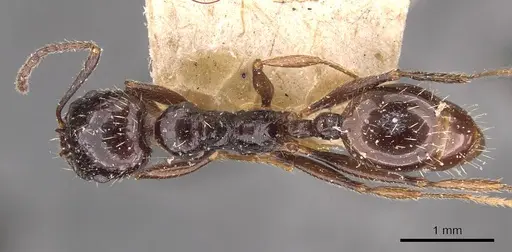
CASENT0913129
View on AntWeb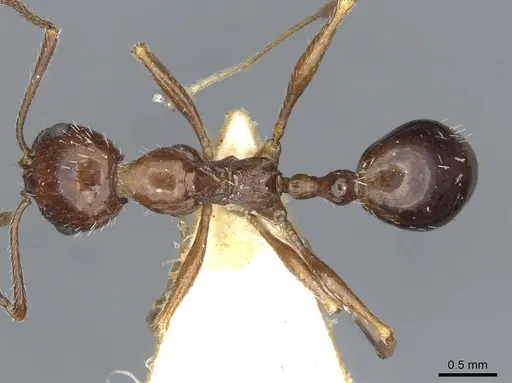
Literature
Loading distribution map...Loading products...