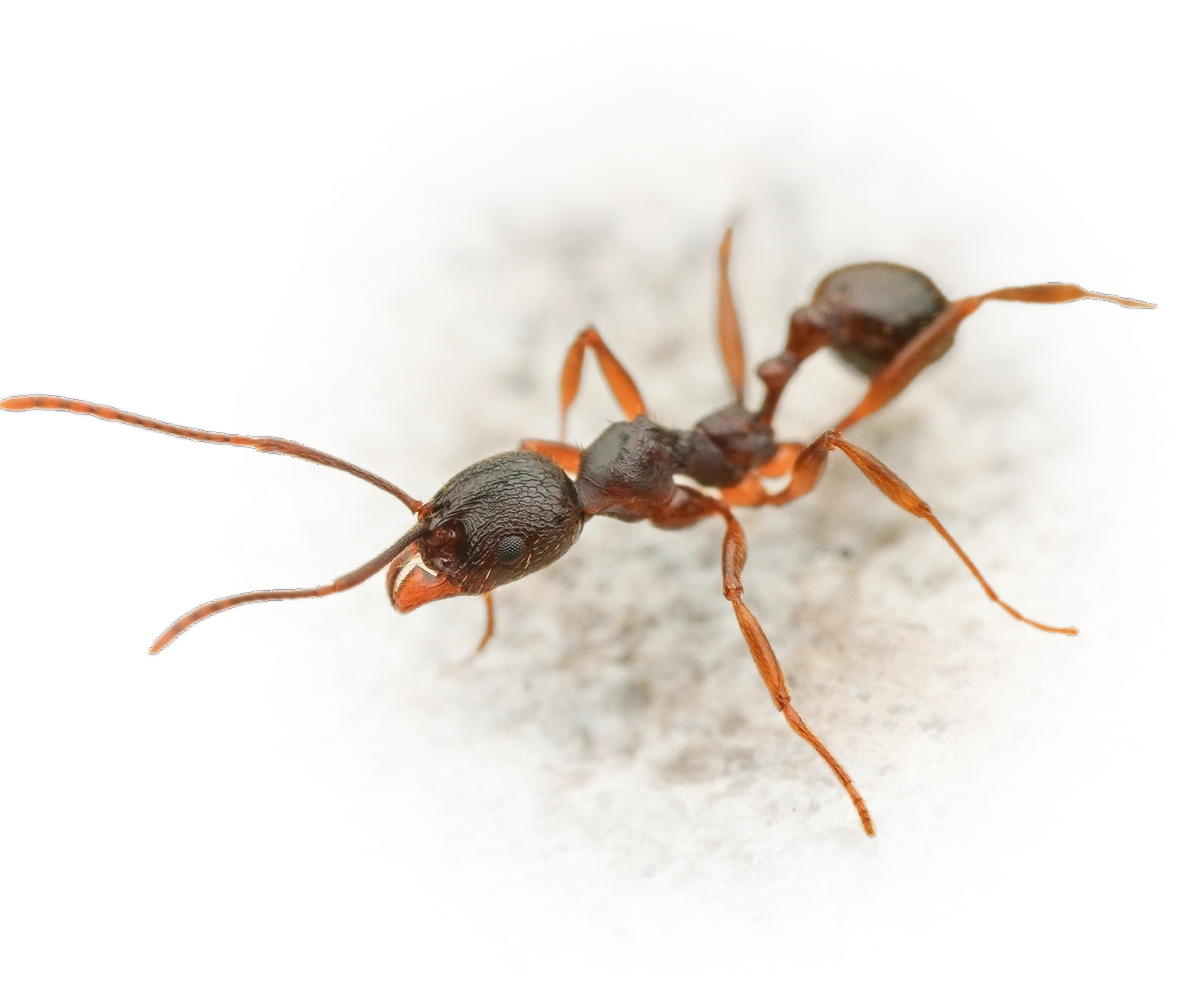
Aphaenogaster japonica
- Sci. Name
- Aphaenogaster japonica
- Tribe
- Stenammini
- Subfamily
- Myrmicinae
- Author
- Forel, 1911
- Distribution
- Found in 3 countries
Introduction
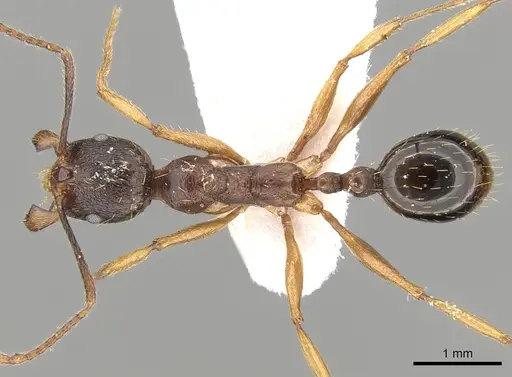
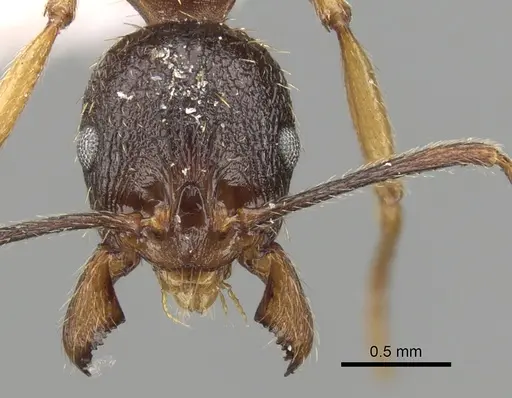
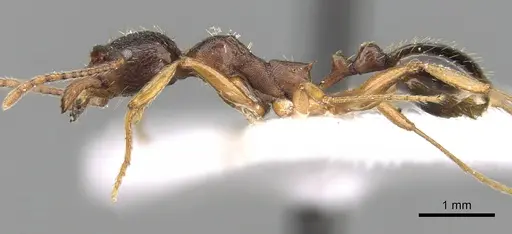
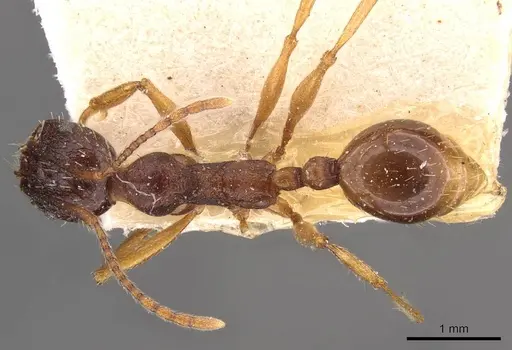
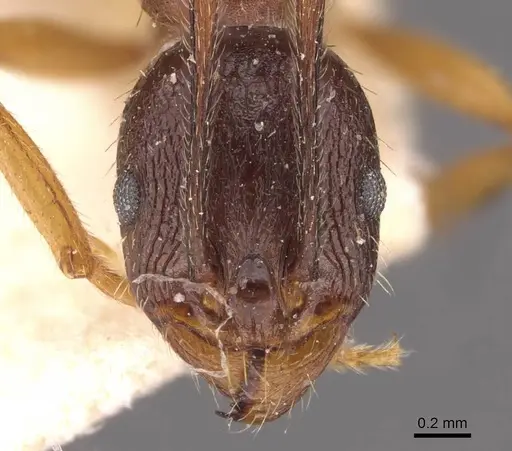
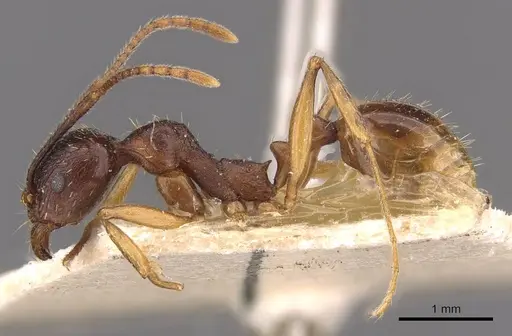
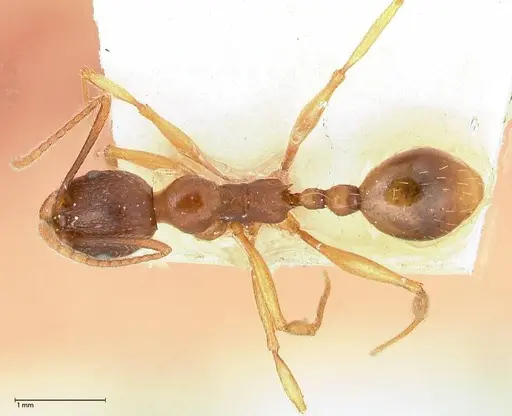
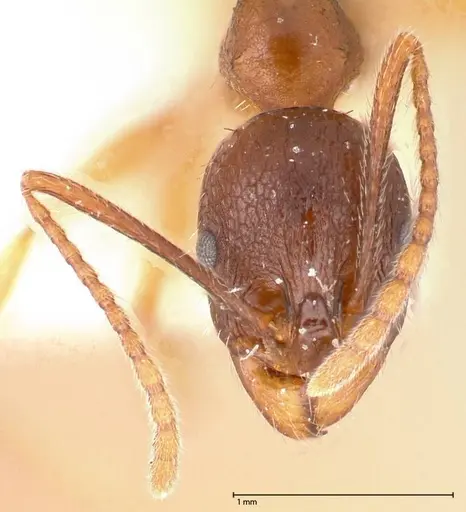
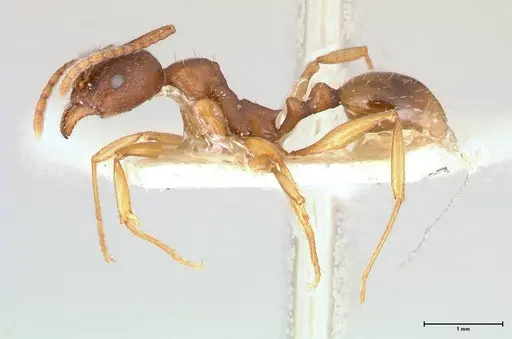
Aphaenogaster japonica is a medium-small ant native to the temperate forests of East Asia. Workers measure 4.3 to 5.7 millimeters and wear a uniform brown to dark brown coloration . They live throughout Japan, the Korean Peninsula, eastern China and the Russian Far East , nesting in soil, under stones, or inside rotting wood on the forest floor [AntWiki]. These ants play important ecological roles as keystone seed dispersers in subtropical and temperate forests , and they farm root-feeding aphids underground . Unlike many ants that tend aphids on leaves and stems, Aphaenogaster japonica specializes in subterranean species such as Prociphilus oriens, maintaining complex relationships below the surface . This species is also notable as one of only two ant genera (along with Myrmica) recorded as hosts of Maculinea butterflies .
Quick Summary
- Difficulty: Medium
- Origin & Habitat: Temperate forests of East Asia, Japan, Korea, China, and the Russian Far East [3][2]
- Colony Type: Single-queen colonies (monogyne) [10]
- Size & Growth:
- Queen: ~8-13 mm (inferred from worker size and dimorphism ratio of 0.41 [11])
- Worker: 4.3-5.7 mm [1], averaging 5.2 mm [12]
- Colony: Up to several hundred workers based on field surveys [13]
- Growth: Moderate
- Development: 6-10 weeks at 25°C (typical for Aphaenogaster) (Development slows in cooler temperatures, first workers (nanitics) emerge smaller than subsequent workers.)
- Antkeeping:
- Temperature: 20-25°C during activity season, cooler 10-15°C for winter rest [14]
- Humidity: Moist conditions mimicking forest floor, damp substrate but not waterlogged [4]
- Diapause: Yes, winter rest period from approximately November to March at 10-15°C [14]
- Nesting: Soil nests, rotting wood, or under stones, in captivity use Y-tong, plaster, or naturalistic setups with humus [4]
- Behavior: Opportunistic ground foragers [15][16] that disperse seeds and tend underground aphids. They are woodland specialists and are among the first species to disappear when forests are disturbed [16]. They are not aggressive escape artists, though their small size requires fine mesh barriers.
- Common Issues: small worker size means they can escape through tiny gaps, use fine mesh and Fluon barriers., colonies are sensitive to forest disturbance and may decline if exposed to vibrations or frequent handling [16]., require consistent humidity, drying out causes desiccation, while too wet causes mold., slow growth during founding requires patience, overfeeding can lead to mold in the nest.
Nest Preferences and Setup
In nature, Aphaenogaster japonica nests in fallen logs, decayed stumps, under stones, and in soil accumulations on the forest floor [4][17]. They prefer the forest floor where they can maintain contact with root-feeding aphids. For captive colonies, provide a nest that mimics these conditions: Y-tong (aerated concrete), plaster, or naturalistic setups with a soil and humus mix work well. Keep the nest chamber relatively small, these ants do not need vast spaces. Ensure the substrate stays moist but not soggy, it should feel like a wrung-out sponge [4].
Feeding and Diet
These ants are opportunistic foragers with a varied diet. In the wild, they collect seeds and act as important dispersers for forest plants [6]. They also maintain underground relationships with root-feeding aphids like Prociphilus oriens, harvesting honeydew from below the surface [7][8]. In captivity, offer a mix of seeds (such as chia or canary grass), sugar water or honey, and small live insects like fruit flies or springtails. They may not aggressively hunt large prey, so keep protein sources small.
Temperature and Seasonal Care
As a temperate species from Japan and Korea, these ants experience distinct seasons. Keep them at 20-25°C during the spring and summer activity period. Nuptial flights occur in September [14][18], after which colonies prepare for winter. You will need to provide a winter rest period (diapause) from approximately November to March at 10-15°C. Do not let them freeze, but cool them down to slow metabolism. Gradually warm them in spring to resume activity.
Behavior and Temperament
Aphaenogaster japonica belongs to the 'opportunist' functional group [15]. They forage on the forest floor and are among the first species to disappear when forests are disturbed [16]. This sensitivity means you should place their enclosure in a quiet location and avoid vibrations or frequent disturbances. They are not particularly aggressive and lack a painful sting, but they are active and curious. Because workers are only about 5mm long [12], they can squeeze through surprisingly small gaps, invest in excellent escape prevention.
Reproduction and Nuptial Flights
Alate queens fly in September [14][18][19]. If you collect a queen after this period, she will likely be mated and ready to found a colony. Based on typical Aphaenogaster patterns, founding is claustral, the queen seals herself in a chamber and raises the first workers using her body fat reserves. Do not disturb the founding chamber or offer food during this initial period, the queen will not forage. First workers should emerge in 6-10 weeks if kept warm enough.
Frequently Asked Questions
Can I keep Aphaenogaster japonica in a test tube?
Yes, a standard test tube setup works well for founding queens. Use a water reservoir blocked with cotton, and keep the tube in a dark, quiet place at around 25°C until workers arrive.
Do Aphaenogaster japonica need hibernation?
Yes. As a temperate species from East Asia, they require a winter rest period from roughly November to March at 10-15°C [14].
What do Aphaenogaster japonica eat?
They eat seeds, sugar sources like honeydew (from underground aphids in nature), and small insects [6][7]. In captivity, offer seeds, sugar water, and small live prey.
How long until first workers for Aphaenogaster japonica?
Expect 6-10 weeks from egg to worker at 25°C. The first workers (nanitics) will be smaller than later generations.
Can I keep multiple Aphaenogaster japonica queens together?
No. This species is monogyne, meaning colonies have only one queen [10]. Queens will fight if combined.
Do Aphaenogaster japonica ants sting?
They possess a stinger but are not aggressive toward humans. Their small size means they cannot penetrate human skin effectively.
Are Aphaenogaster japonica good for beginners?
They are medium difficulty. While they do not have extreme requirements, they need hibernation, consistent humidity, and disturbance-free conditions [16]. Beginners should be comfortable with seasonal care.
Why are my Aphaenogaster japonica dying?
Common causes include: too frequent disturbance (they are sensitive to vibration [16]), incorrect humidity (too dry or too wet), or skipping winter hibernation which exhausts the colony.
How big do Aphaenogaster japonica colonies get?
Based on field surveys, colonies can reach several hundred workers.
What nest type is best for Aphaenogaster japonica?
Y-tong, plaster, or naturalistic soil setups work best. They need moist conditions and prefer chambers that feel like soil cavities or rotting wood [4].
Report an Issue
The current care sheet is based fully on literature. See inconsistencies, or something that's incorrect? Please , it will be resolved after review from an admin. Contributing to the blogs tab also helps providing information, to make us be able to further improve the caresheets. Thank you for your support!
References

This caresheet is licensed under CC BY-SA 4.0 .
Community Blogs
Literature
Loading distribution map...Loading products...