Aphaenogaster fulva exhibits a clear seasonal flight window. Peak flight activity is concentrated in August, with the overall period spanning July to August. The concentrated timeframe makes peak months critical for sightings.
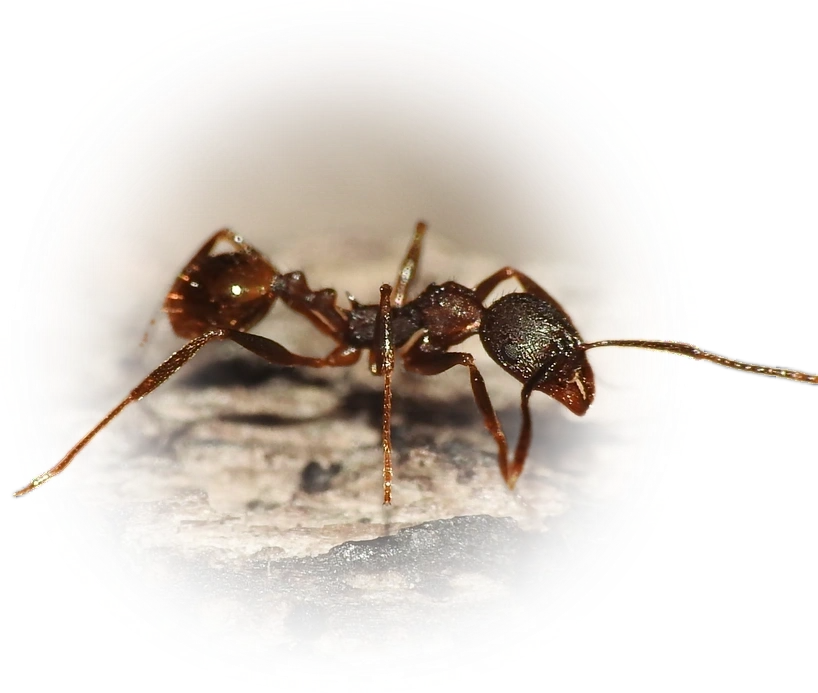
Tawny Collared Ant
Aphaenogaster fulva
- Sci. Name
- Aphaenogaster fulva
- Tribe
- Stenammini
- Subfamily
- Myrmicinae
- Author
- Roger, 1863
- Common Name
- Tawny Collared Ant
- Distribution
- Found in 1 countries
- Nuptial Flight
- From July to August
- Peak flight Time
- 15:00
AI Identifiable
try →
Introduction
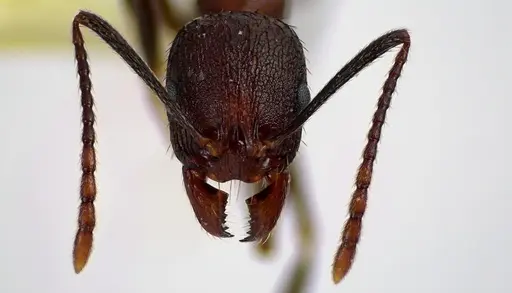
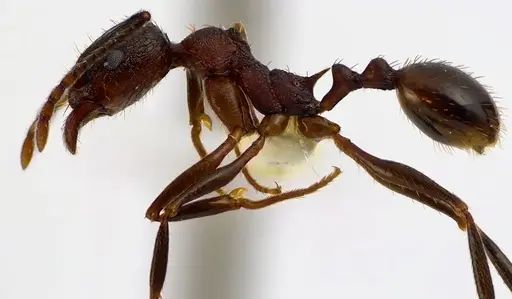
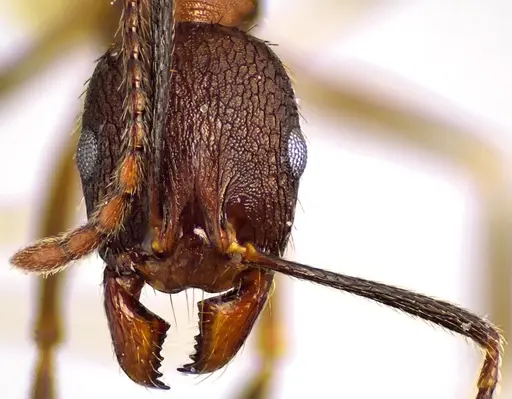
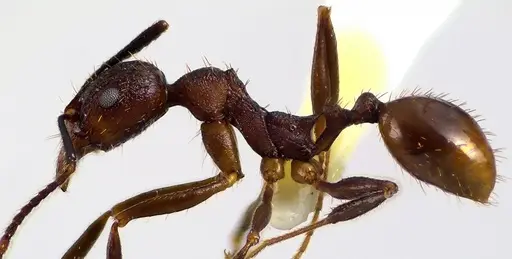
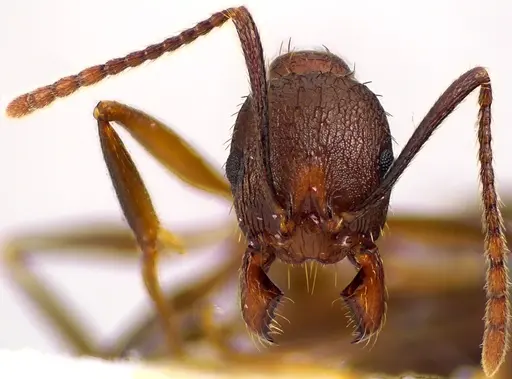
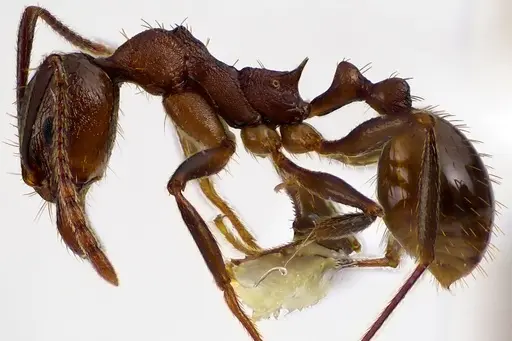
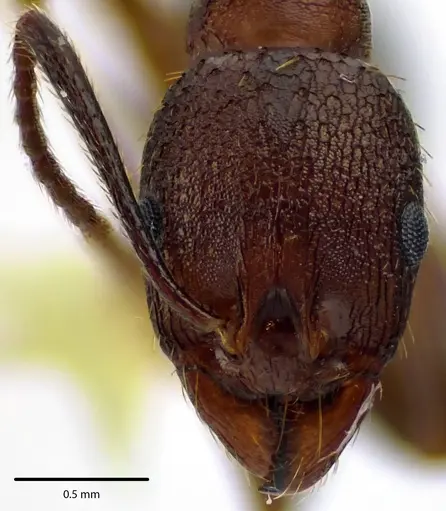
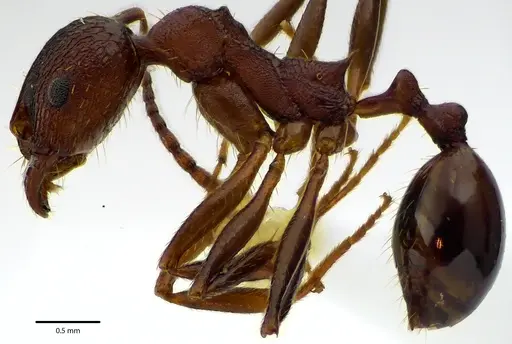
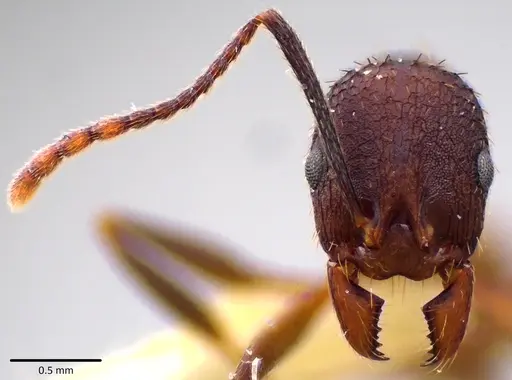
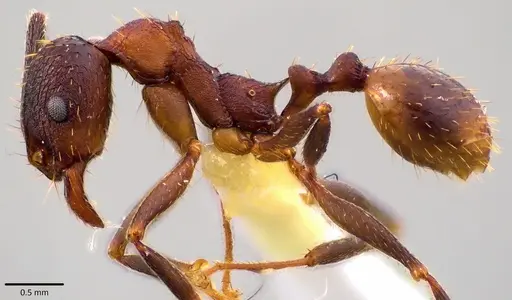
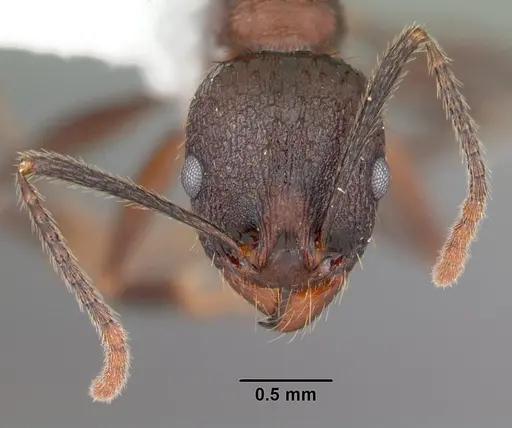
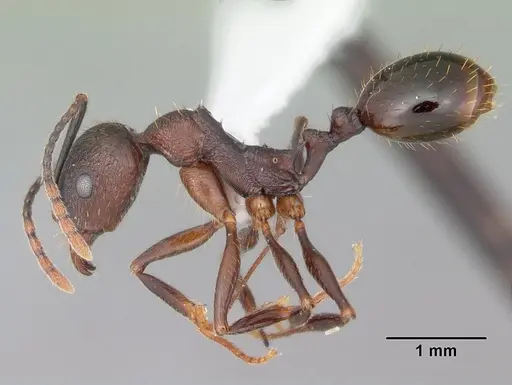
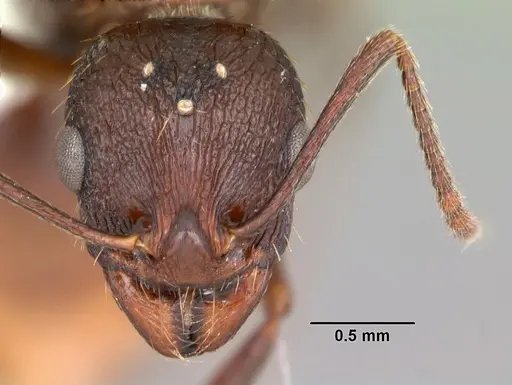
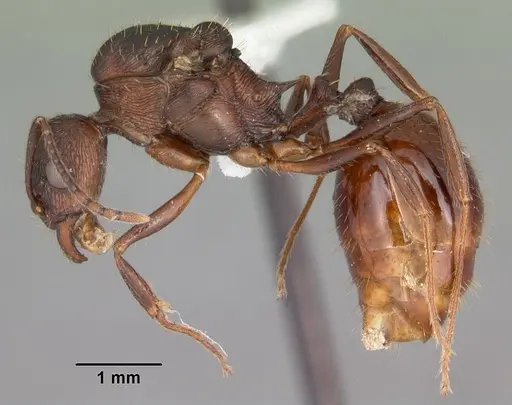
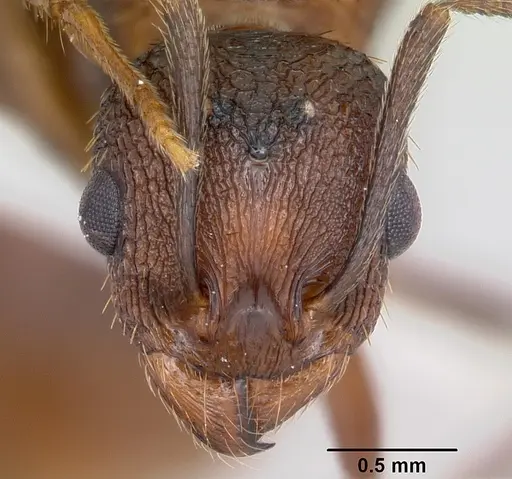
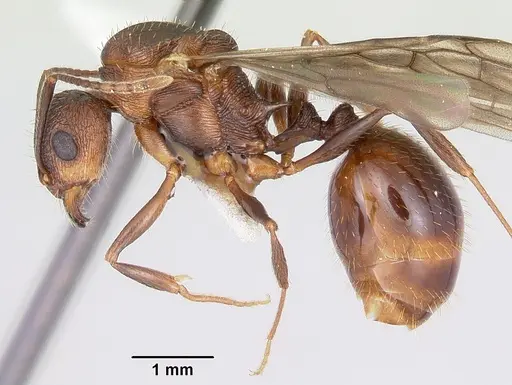
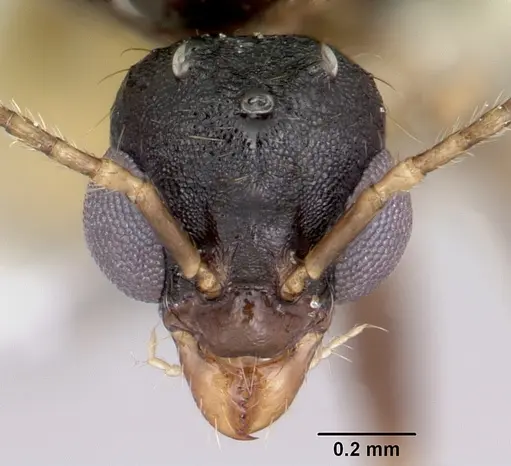
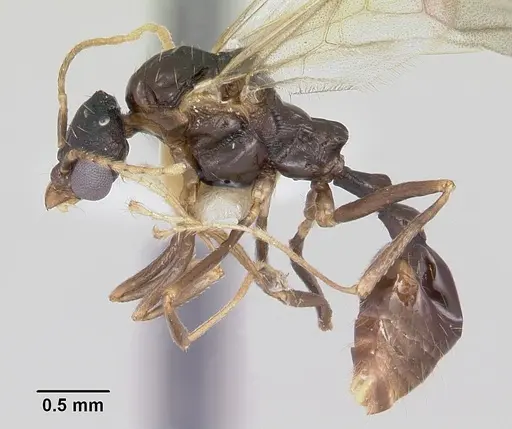
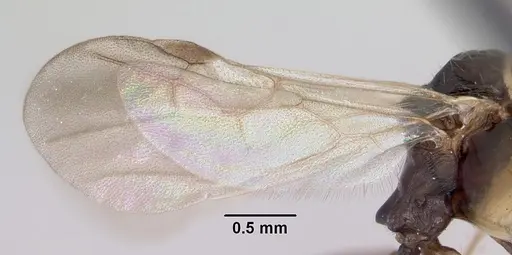
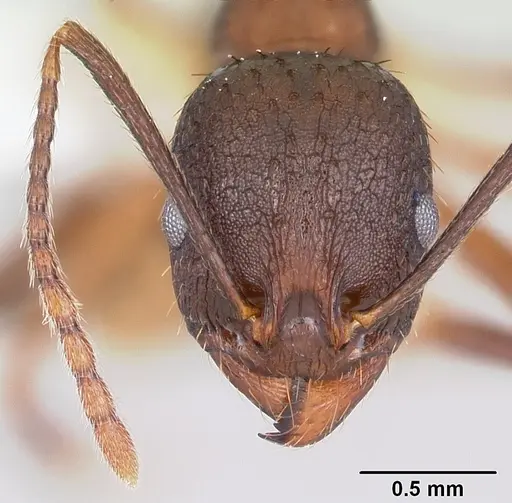
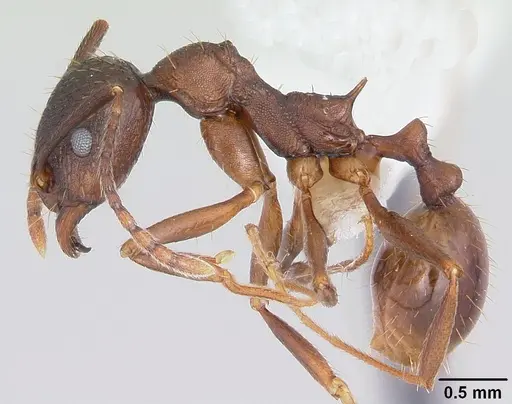
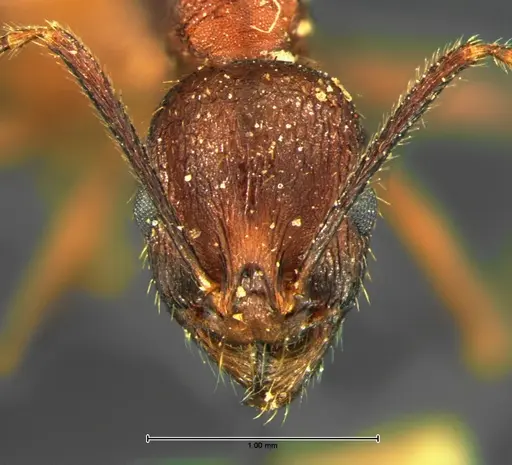
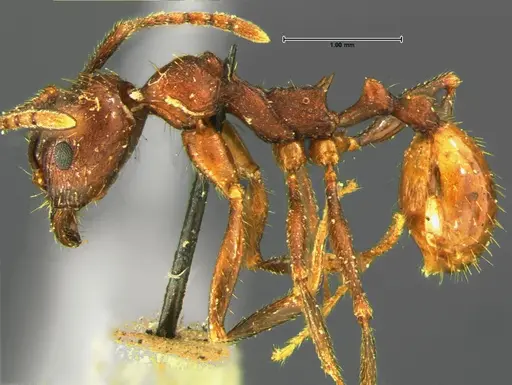
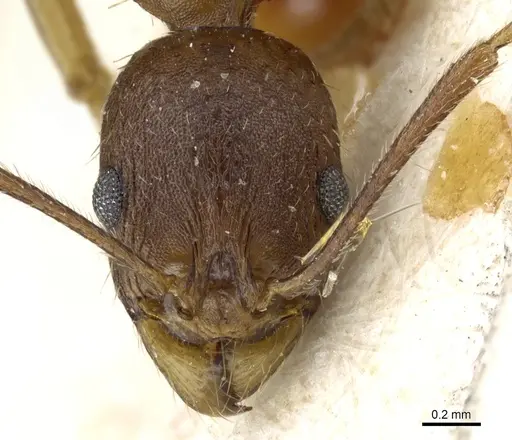
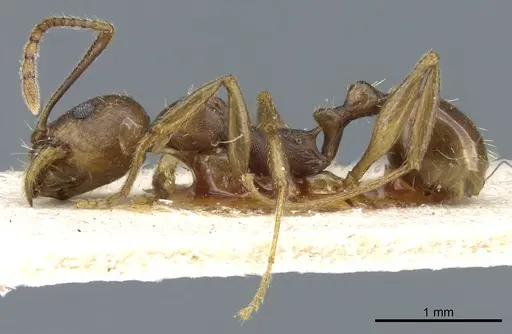
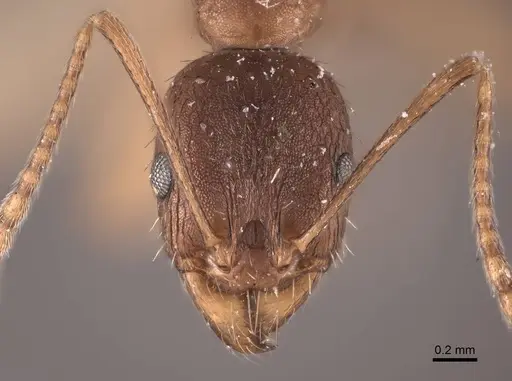
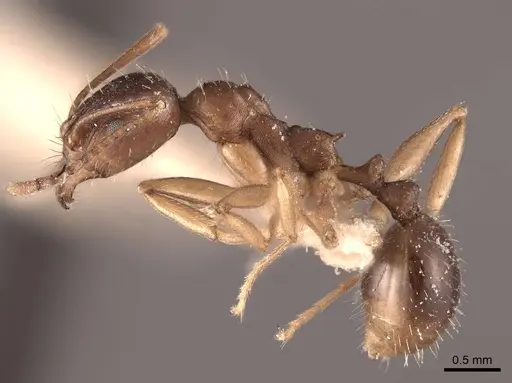
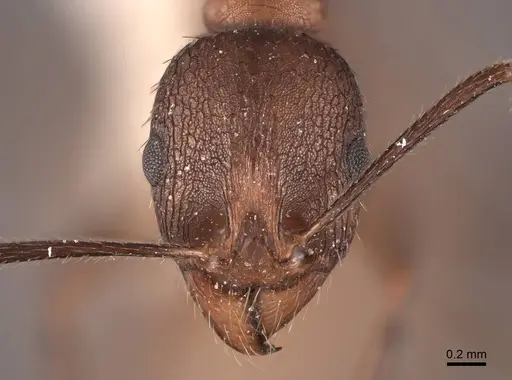
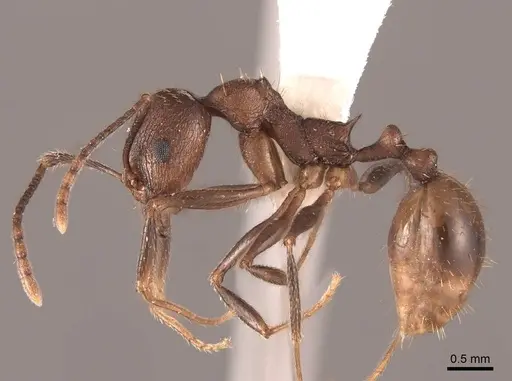
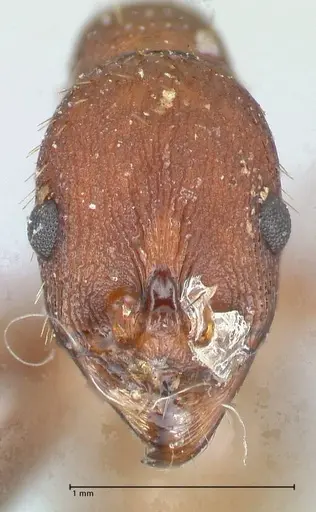
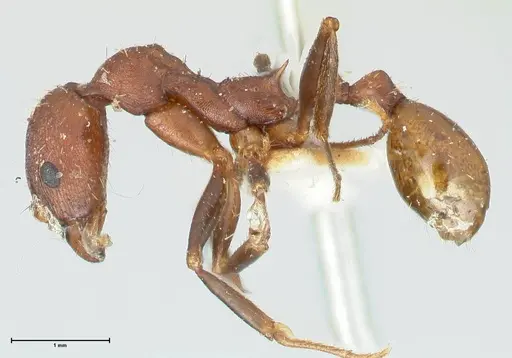
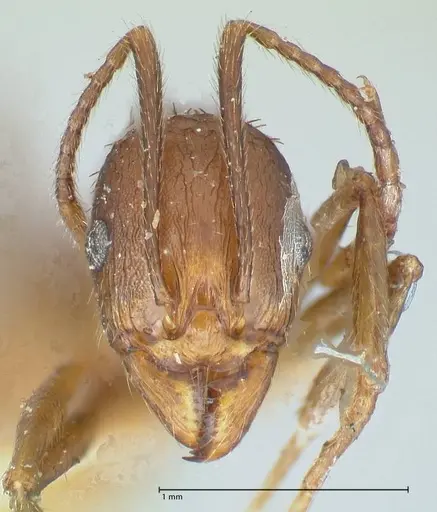
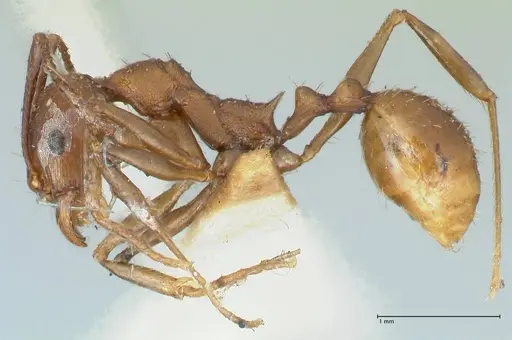
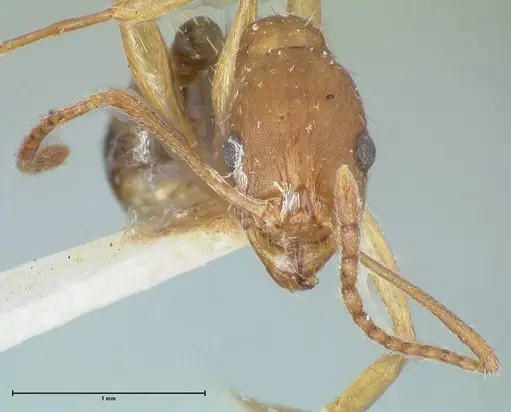
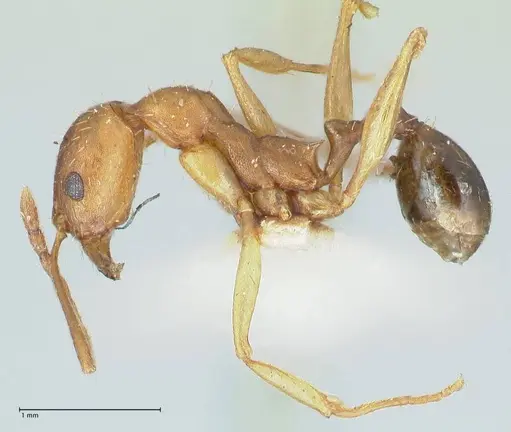
Aphaenogaster fulva is a medium-sized ant native to eastern North America, ranging from Vermont south to Florida and west to Nebraska and Louisiana. Workers measure 4.4-6.7mm with a distinctive appearance featuring long propodeal spines pointing upward, coarse rugose sculpture on the head and mesosoma, and a characteristic raised ridge or welt across the front of the mesonotum. The last four antennal segments are noticeably lighter in color than the rest of the antenna. This species is part of the fulva-rudis-picea complex and can be distinguished from similar species by its heavily rugose mesopleura in queens and the bicolored antennae. Colonies typically contain up to 800 workers and nest in rotting logs, stumps, or under stones in forested areas [AntWiki].
Quick Summary
- Difficulty: Easy
- Origin & Habitat: Eastern North America, from Vermont south to Florida, west to Nebraska, Missouri, and Louisiana. Found in mesic forests, bottomlands, moist mountain forests, and occasionally dry oak woods. Nests in rotten logs, stumps, or in soil under stones [1][2][3].
- Colony Type: Single-queen colonies (monogyne) with documented colony sizes of 50-215 workers in Indiana populations and up to 800 workers in Florida [2][3].
- Size & Growth:
- Queen: ~8-9mm, inferred from Aphaenogaster genus patterns
- Worker: 4.4-6.7mm [1]
- Colony: Up to 800 workers [3], typically 50-215 [2]
- Growth: Moderate
- Development: 6-10 weeks (estimated from Aphaenogaster genus patterns) (Development time inferred from genus patterns, direct measurements not available for this species)
- Antkeeping:
- Temperature: Keep at 22-27°C. This species has documented thermal tolerance data and thrives at room temperature. They can survive brief periods near freezing but prefer stable warmth [4][5].
- Humidity: Moderate to high humidity. In nature they inhabit moist forest floors and rotting wood. Keep nest substrate damp but not waterlogged, with some drier areas available.
- Diapause: Yes. As a temperate species, colonies benefit from a winter rest period around 10-15°C for 3-4 months, mimicking natural seasonal cycles [1].
- Nesting: Prefers nesting in rotting wood (logs, stumps) or in soil under stones. In captivity, a naturalistic setup with rotting wood pieces or a Y-tong/plaster nest works well. They need access to moist substrate [1][2].
- Behavior: Workers are active foragers that hunt insects and collect seeds. They are primarily diurnal and can be found foraging on the ground, logs, and under bark. They are not aggressive toward humans and do not have a painful sting. Escape risk is moderate, use standard barrier methods [1][3].
- Common Issues: colonies may decline if kept too dry, they need consistent moisture in nesting areas, slow founding phase means patience is needed, claustral queens seal themselves in and may take months to produce first workers, wild-caught colonies may harbor parasites that can devastate captive colonies, colonies often fail if disturbed during claustral founding, minimize vibrations and light exposure
Nuptial Flight Activity Analysis 270 observations
Flight Activity by Hour 270 observations
Aphaenogaster fulva nuptial flight activity peaks around 15:00 during the afternoon. Activity is spread across a 17-hour window (05:00–21:00). A secondary activity peak occurs around 17:00. Times may be influenced by human observation patterns.
Housing and Nest Preferences
Aphaenogaster fulva naturally nests in rotting logs, stumps, and under stones in forested areas. In captivity, they do well in naturalistic setups that mimic their natural habitat. A Y-tong nest with narrow chambers works well, or you can create a naturalistic setup with pieces of rotting wood embedded in soil. The key is providing consistently moist substrate, these ants are adapted to damp forest floor conditions. Avoid completely dry environments. Test tube setups can work for founding colonies but may need to be transitioned to more spacious accommodations as the colony grows. Ensure the nest has chambers sized appropriately for their worker size [1][2][3].
Feeding and Diet
Aphaenogaster fulva is primarily carnivorous, feeding on live and dead insects. Workers are active hunters that capture arthropods and will readily scavenge. They also collect myrmecochorous seeds (seeds with lipid-rich attachments that ants carry back to their nests) from plants like Viola species. In captivity, offer a varied diet including small insects (fruit flies, pinhead crickets, mealworms), and occasionally seeds if available. Sugar water or honey can be offered as an energy source. Feed protein-rich foods 2-3 times per week and keep a constant sugar source available. They are known to be attracted to peanut butter and oatmeal baits in the wild [1][2].
Temperature and Seasonal Care
As a temperate forest species, Aphaenogaster fulva is adapted to seasonal temperature variations. Keep the nest at room temperature, ideally around 22-27°C. Research shows this species has an optimal temperature range of 24-27°C and can tolerate temperatures from near freezing up to 49°C. They have documented thermal tolerance data and can handle a range of conditions. During winter, they benefit from a diapause period, reduce temperatures to around 10-15°C for 3-4 months to mimic natural winter conditions. This rest period supports colony health and may trigger reproductive behavior in spring. Do not maintain them at warm temperatures year-round without a winter rest. They are found across a wide latitudinal range from Canada to Florida, indicating good temperature flexibility [4][5][1].
Colony Development and Growth
Colony founding is claustral, the queen seals herself in a chamber and raises the first brood alone using stored fat reserves. This process can take several months, so patience is essential. First workers (nanitics) are typically smaller than mature workers. Colony growth is moderate, Florida colonies can reach up to 800 workers, while Indiana populations typically max out around 200 workers. The wide range suggests environmental factors significantly influence colony size. Alates (reproductives) are produced in summer, males and females take flight from late July through August in northern populations, while Florida alates may fly from early June to mid-July. Males have been observed from May through July [2][1][3].
Behavior and Foraging
Workers are diurnal foragers that search for food on the ground surface, on logs, and under bark. They are not aggressive and pose no significant threat to humans, their sting is minimal. These ants are known for their tool-using behavior: they sometimes carry debris to food sources, allow it to absorb liquid, then carry the saturated material back to the nest. This is an interesting behavior to observe in captivity. They communicate through chemical pheromones and can form foraging trails to reliable food sources. Their poison glands contain anabaseine and anabasine, compounds that may help organize tool-using behavior. Colonies are relatively peaceful and do not exhibit territorial aggression toward other ant colonies [1][6][3].
Ecological Notes
Aphaenogaster fulva plays an important role in forest ecosystems as both a predator of arthropods and as a seed disperser for myrmecochorous plants. They are known to host temporary social parasites including Aphaenogaster tennesseensis and Aphaenogaster mariae, which temporarily live in their colonies. They also host commensal species like Strumigenys pergandei, a tiny dacetine ant that lives in their nests. In forest ecosystems, their abundance is associated with higher diversity of myrmecochorous plants, making them ecologically important. They are one of three commonest ants in some Connecticut forests [7][8][9][3].
Frequently Asked Questions
How long does it take for Aphaenogaster fulva to produce first workers?
Based on typical Aphaenogaster patterns, expect 6-10 weeks from egg to first worker at optimal room temperature. The claustral founding queen seals herself in and raises the first brood alone, so this process requires patience.
What do Aphaenogaster fulva ants eat?
They are primarily carnivorous, eating small insects and arthropods. They also collect seeds from myrmecochorous plants like Viola. In captivity, feed small insects like fruit flies, pinhead crickets, or mealworms, along with sugar water or honey [1][2].
Do Aphaenogaster fulva ants sting?
They have a stinger but it is not significant enough to cause pain to humans. They are not aggressive and are considered harmless to keep.
What temperature should I keep Aphaenogaster fulva at?
Room temperature around 22-27°C is ideal. This species has an optimal temperature range of 24-27°C and can tolerate a range of conditions. In winter, provide a diapause period at 10-15°C for 3-4 months [4][5][1].
How big do Aphaenogaster fulva colonies get?
Colonies can reach up to 800 workers in optimal conditions, though typical colonies in northern areas contain 50-215 workers. Florida populations tend to be larger [2][3].
Can I keep multiple Aphaenogaster fulva queens together?
This species is monogyne (single-queen) in structure. While pleometrosis (multiple queens founding together) has not been documented for this species, it is not recommended to combine unrelated foundresses as they may fight [2].
Do Aphaenogaster fulva need hibernation?
Yes, as a temperate species they benefit from a winter rest period. Reduce temperatures to 10-15°C for 3-4 months during winter to mimic natural seasonal cycles and support colony health [1].
What type of nest is best for Aphaenogaster fulva?
They naturally nest in rotting wood and soil under stones. In captivity, a naturalistic setup with rotting wood pieces or a Y-tong/plaster nest with moist substrate works well. The key is providing consistently damp conditions [1][2].
Are Aphaenogaster fulva good for beginners?
Yes, they are considered an easy species to keep. They are relatively hardy, tolerate a range of conditions, and are not aggressive. The main challenge is their relatively slow founding phase compared to some faster-growing species.
Why is my Aphaenogaster fulva colony declining?
Common causes include: too-dry nesting conditions (they need consistent moisture), disturbance during claustral founding, parasites from wild-caught colonies, or lack of proper winter diapause. Ensure humidity is adequate and consider if the colony needs a winter rest period.
When is the nuptial flight of Aphaenogaster fulva?
The nuptial flight of Aphaenogaster fulva typically occurs From July to August.
What time of day does Aphaenogaster fulva fly?
The nuptial flight of Aphaenogaster fulva peaks around 15:00 during the afternoon, with most activity between 05:00 and 21:00. Times may be influenced by human observation patterns.
Report an Issue
The current care sheet is based fully on literature. See inconsistencies, or something that's incorrect? Please , it will be resolved after review from an admin. Contributing to the blogs tab also helps providing information, to make us be able to further improve the caresheets. Thank you for your support!
References

This caresheet is licensed under CC BY-SA 4.0 .
Community Blogs
ANTWEB1041608
View on AntWeb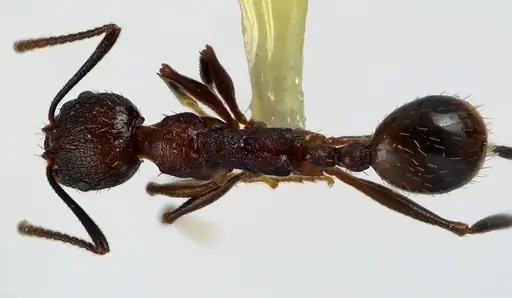
ANTWEB1041616
View on AntWeb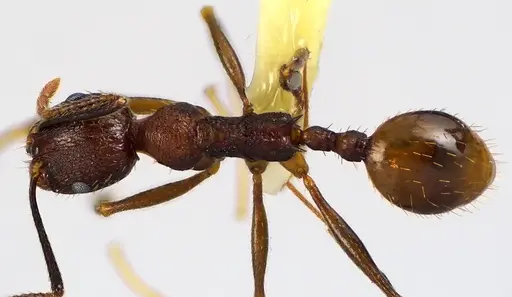
ANTWEB1041617
View on AntWeb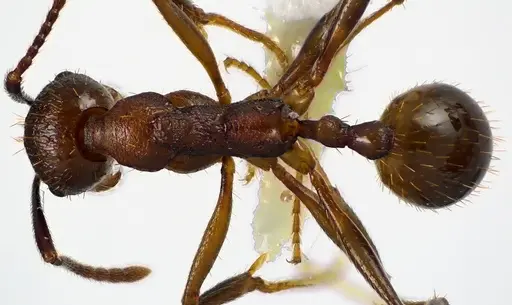
ANTWEB1041669
View on AntWeb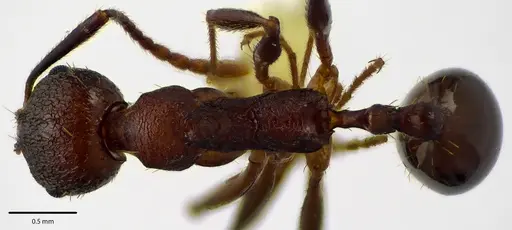
ANTWEB1041785
View on AntWeb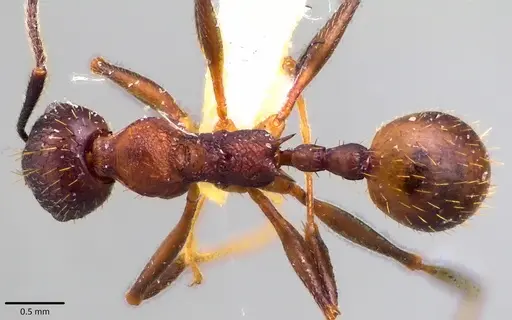
CASENT0103585
View on AntWeb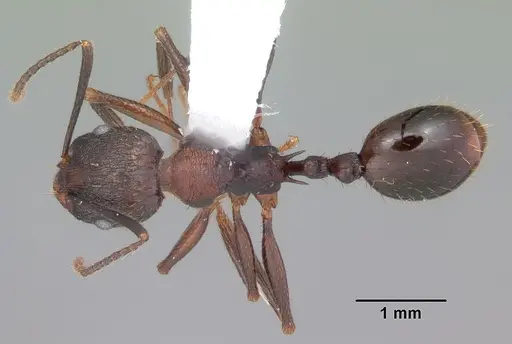
CASENT0103588
View on AntWeb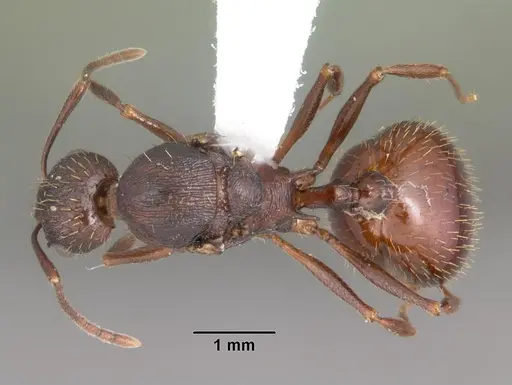
CASENT0104857
View on AntWeb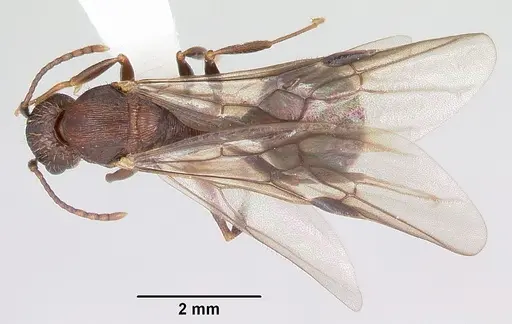
CASENT0104858
View on AntWeb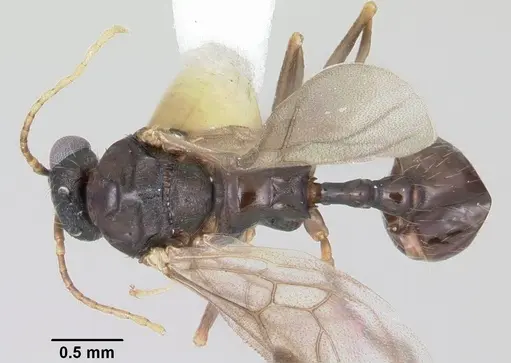
CASENT0104859
View on AntWeb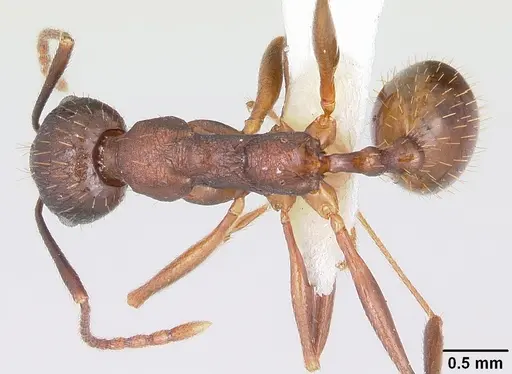
CASENT0105670
View on AntWeb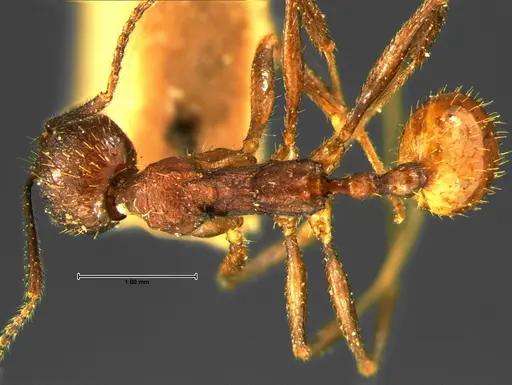
CASENT0904167
View on AntWeb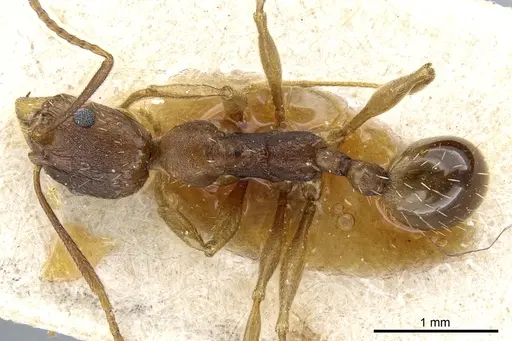
FMNHINS0000049614
View on AntWeb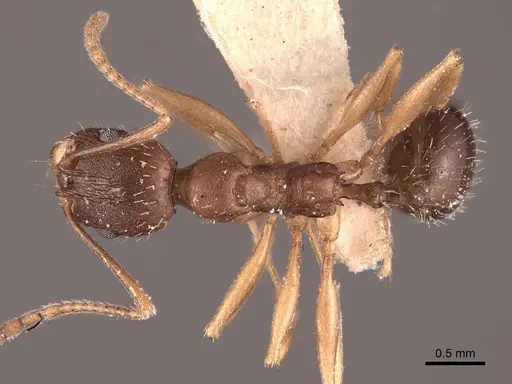
FMNHINS0000062926
View on AntWeb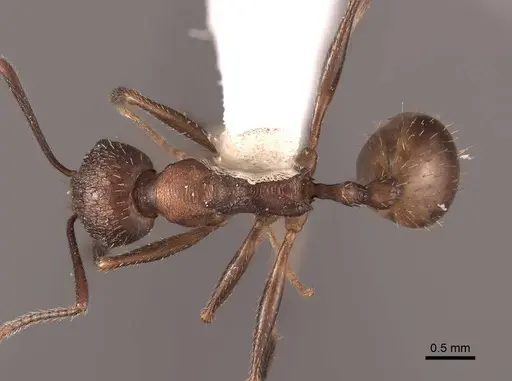
FOCOL1231
View on AntWeb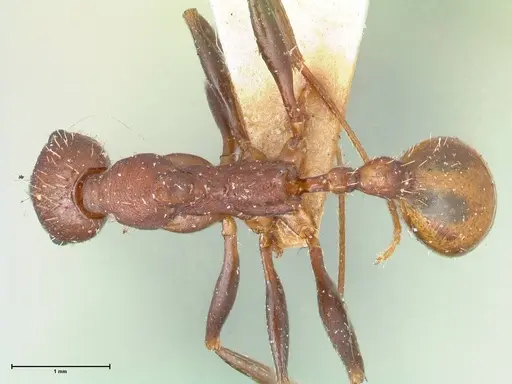
FOCOL1232
View on AntWeb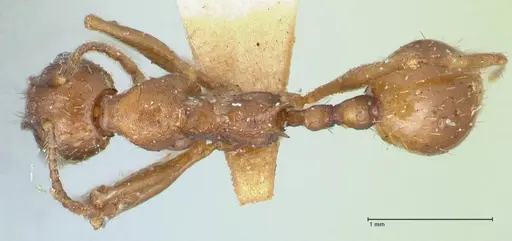
FOCOL1233
View on AntWeb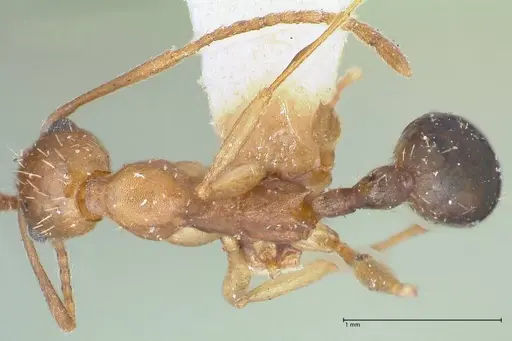
Literature
Loading distribution map...Loading products...