
Festa's Collared Ant
Aphaenogaster festae
- Sci. Name
- Aphaenogaster festae
- Tribe
- Stenammini
- Subfamily
- Myrmicinae
- Author
- Emery, 1915
- Common Name
- Festa's Collared Ant
- Distribution
- Found in 2 countries
Introduction
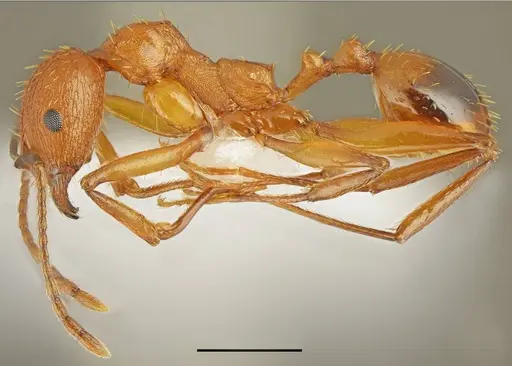
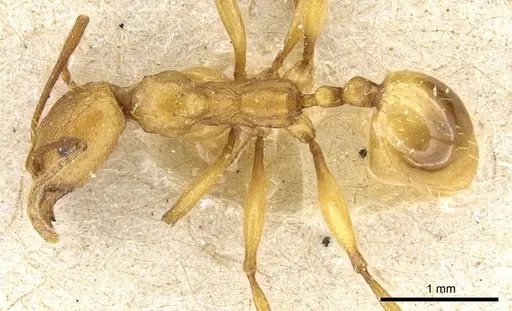
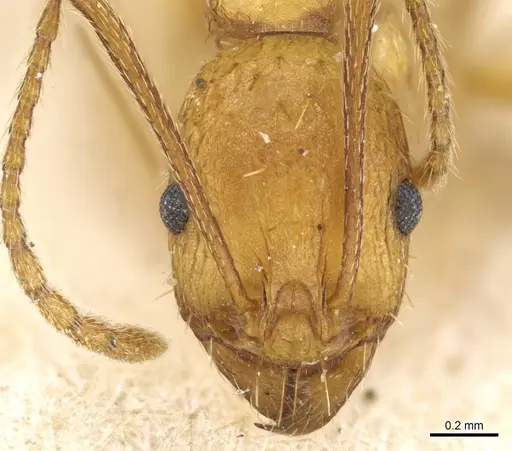
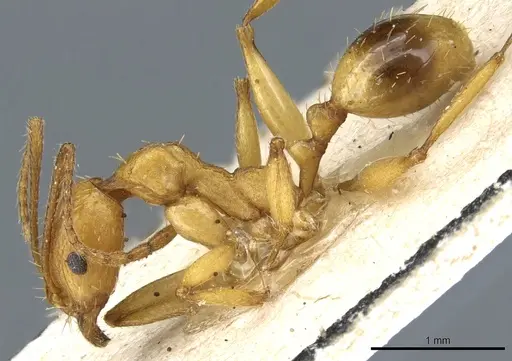
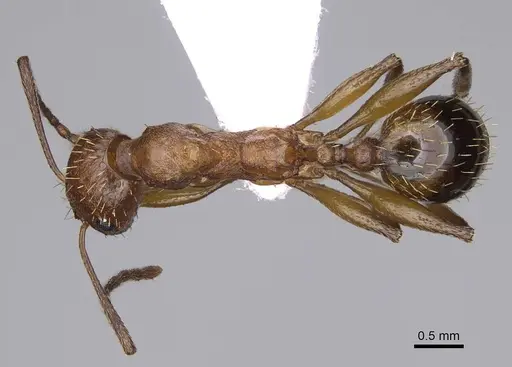
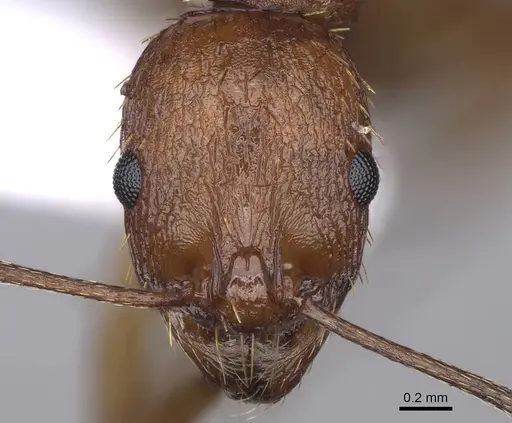
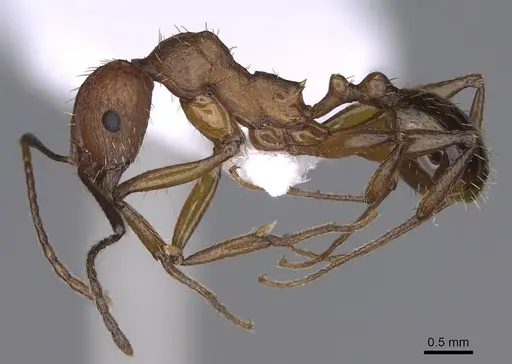
Aphaenogaster festae is a small ant in the Aphaenogaster splendida species group. Workers measure approximately 4-5mm and queens approximately 6-7mm. Their bodies range from pale yellow to rusty yellow, with legs and antennae yellow and the first gastral segment yellowish brown to brown with a yellow basal spot . These ants live across the eastern Mediterranean in Greece, Bulgaria, and western Turkey, where they nest exclusively under stones in habitats ranging from dry pine forests to moist stream valleys . They are strictly nocturnal, spending daylight hours hidden beneath stones or dry branches and emerging only at dusk to forage . Despite their modest colony size - rarely exceeding 80 workers - they achieve dominance in Aegean pine forests through remarkably high nest density .
Quick Summary
- Difficulty: Medium
- Origin & Habitat: Mediterranean and temperate regions: Greece (Aegean Islands, Dodecanese, Thrace, Macedonia), Bulgaria, and western Turkey [1][3][2]. Found under stones in unshaded pine forests, deciduous stream valleys, suburban maquis shrubland, and ruderal areas from 7 to 670 meters elevation [2].
- Colony Type: Single-queen (monogynous) colonies. The highest number of workers observed in a nest did not exceed 80 individuals [1][2].
- Size & Growth:
- Queen: Approximately 6-7mm, inferred from Aphaenogaster genus [1][2].
- Worker: Approximately 4-5mm, inferred from Aphaenogaster genus [1][2].
- Colony: Up to 80 workers [1][2].
- Growth: Slow to moderate, small colony capacity means growth plateaus early [1].
- Development: Unknown, not directly measured for this species. (Development timeline has not been studied. Similar temperate Aphaenogaster species may take several months.)
- Antkeeping:
- Temperature: Keep at 20-25°C during the active season (spring through autumn). Provide a winter hibernation period at 10-15°C for 3-4 months, as this species ranges into temperate Bulgaria and experiences seasonal cooling [3][2].
- Humidity: Moderate humidity, nest material should feel damp but not waterlogged. In nature they inhabit the interface between dry pine forests and moist stream valleys, suggesting tolerance for variable moisture but preference for stable, moderate dampness under stones [2].
- Diapause: Yes, winter hibernation is required given their temperate distribution and presence in Bulgaria [3][2].
- Nesting: Flat stones or stone-like shelters are essential, in nature they nest exclusively under stones [1][2]. In captivity, provide a naturalistic setup with flat stones, or a formicarium with low, flat chambers and dark hiding spaces. They will not thrive in tall, open cavities.
- Behavior: Nocturnal and secretive. Workers hide under stones or debris during daylight and forage primarily at dusk or on cloudy days [1][2]. They are dominant in their natural pine forest habitats despite their small size [1]. Workers are non-aggressive but active foragers. Their small size means escape prevention must be excellent, use fine mesh barriers and tight-fitting lids.
- Common Issues: colonies remain small (under 80 workers) and grow slowly, requiring patience., nocturnal activity means workers are rarely visible during the day, which disappoints keepers expecting constant activity., small worker size allows escape through tiny gaps, use fine mesh and Fluon barriers., they require stone cover or dark, flat hiding spaces and will stress in exposed nest setups., over-wintering failures if kept too warm or too wet during hibernation.
Nest Preferences and Setup
In nature, Aphaenogaster festae always nests under stones [1][2]. This specific requirement makes them unique among ants. For captive colonies, recreate this by placing flat stones or slate pieces over a shallow nest area, or use a formicarium designed with low, flat chambers and dark hiding spaces. The nest should offer tight spaces where workers can press against the roof. Tall, open cavities cause stress. Provide a thin layer of soil or sand under the stone so workers can excavate small chambers against the stone surface. Keep the stone surface dark and undisturbed during daylight hours, as they are sensitive to light when resting.
Nocturnal Activity Patterns
These ants are strictly nocturnal. Field observations note that workers have never been seen active during the day, spending daylight hours hidden under stones, dry branches, or fallen tree trunks [1][2]. They emerge at dusk to forage, and on cloudy days may venture onto the litter surface [2]. In captivity, expect peak activity in the evening and nighttime. Do not disturb the nest during the day, as this stresses the colony when they are trying to rest. Feed protein sources in the evening when workers are active to prevent food from spoiling before they find it.
Temperature and Seasonal Care
Aphaenogaster festae inhabits a range from the warm Aegean Islands to temperate Bulgaria, indicating flexibility but a need for seasonal temperature variation [3][2]. During the active season (spring through autumn), maintain 20-25°C. A heating cable on one side of the nest creates a beneficial gradient. For winter care, provide a diapause (hibernation) period of 3-4 months at 10-15°C. This cooling period is essential for their annual cycle given their temperate range. Gradually reduce temperature in autumn and increase in spring. Keep the nest slightly drier during hibernation to prevent mold, but do not let it completely dry out.
Feeding and Diet
While specific dietary studies are lacking for this species, Aphaenogaster species are generally omnivorous scavengers. In nature they likely consume dead insects and honeydew from scale insects in pine forests. In captivity, offer small protein sources such as fruit flies, springtails, or tiny pieces of mealworm. Provide sugar water or honey water in a test tube setup or small feeder. Because they are nocturnal, place food in the outworld in the evening and remove any uneaten portions the next morning to prevent mold and mites. Do not overfeed, their small colony size (maximum 80 workers) requires modest portions. [1]
Colony Founding
Founding behavior for Aphaenogaster festae has not been directly documented in research [1][2]. Until confirmed, treat new queens as potentially semi-claustral: provide a small outworld or feeding area from the start, and offer tiny amounts of sugar water and prey regularly. Keep the founding chamber dark and undisturbed. If the queen refuses food and seals herself in, switch to claustral care (no feeding, minimal disturbance).
Frequently Asked Questions
Can I keep Aphaenogaster festae in a test tube?
Yes, but you must modify it to suit their needs. Standard test tubes are tall and exposed, which stresses these stone-dwelling ants. Place the test tube horizontally and cover it with a dark cloth or place it under a flat stone to simulate their natural hiding spots. Ensure the water reservoir is small to prevent flooding, as their small size makes them vulnerable to drowning.
Why are my Aphaenogaster festae never active during the day?
This is normal. Aphaenogaster festae are strictly nocturnal ants. In nature, workers spend daylight hours hidden under stones and only emerge at dusk to forage [1][2]. They may also forage on cloudy days. Check on them in the evening with a red light or dim lighting to observe their activity without disturbing them.
Do Aphaenogaster festae need hibernation?
Yes. They require a winter diapause (hibernation) period of 3-4 months at cooler temperatures (10-15°C). Their distribution includes temperate Bulgaria and mainland Greece where winters are cool, making this seasonal rest necessary for their health [3][2].
How big do Aphaenogaster festae colonies get?
Colonies remain small. The highest number of workers observed in a wild nest did not exceed 80 individuals [1][2]. Expect your captive colony to plateau at 40-80 workers. This slow, limited growth makes them a patience-testing species rather than a rapidly expanding colony.
Can I keep multiple Aphaenogaster festae queens together?
No. This is a monogynous species (single queen only). Natural nests contain only one queen, and combining multiple queens will likely result in fighting and mortality [1][2].
What is the egg to worker timeline for Aphaenogaster festae?
The development time has not been measured for this species. Similar temperate Aphaenogaster species may take several months from egg to first worker, but exact timeline is unknown.
Do Aphaenogaster festae ants sting?
Like most Aphaenogaster, they lack a functional stinger for defense. They rely on speed and hiding rather than venom. They may spray formic acid if threatened, but they pose no danger to humans.
What is the best nest type for Aphaenogaster festae?
A naturalistic setup with flat stones over a shallow soil layer is ideal. They nest exclusively under stones in nature and require the security of a flat, dark roof over their heads [1][2]. If using a formicarium, choose one with low, flat chambers rather than tall vertical spaces, and ensure plenty of dark hiding spots.
Report an Issue
The current care sheet is based fully on literature. See inconsistencies, or something that's incorrect? Please , it will be resolved after review from an admin. Contributing to the blogs tab also helps providing information, to make us be able to further improve the caresheets. Thank you for your support!
References

This caresheet is licensed under CC BY-SA 4.0 .
Community Blogs
Literature
Loading distribution map...Loading products...