
Aphaenogaster feae
- Sci. Name
- Aphaenogaster feae
- Tribe
- Stenammini
- Subfamily
- Myrmicinae
- Author
- Emery, 1889
- Distribution
- Found in 6 countries
Introduction
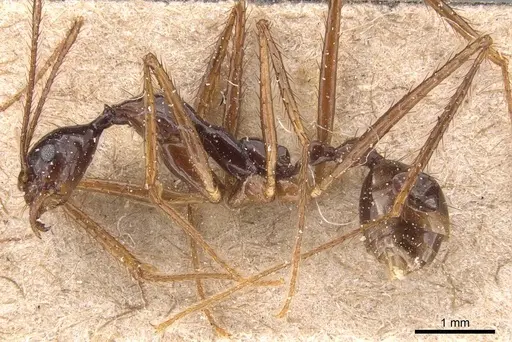
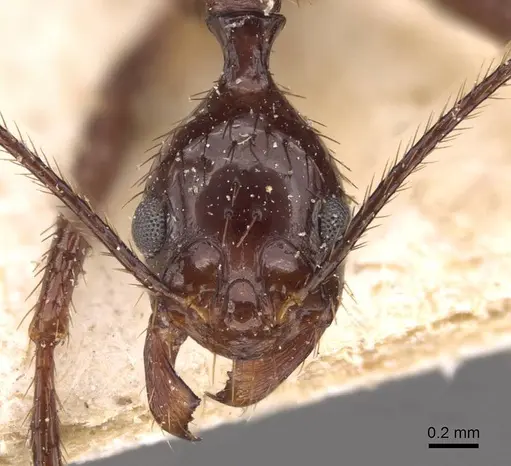
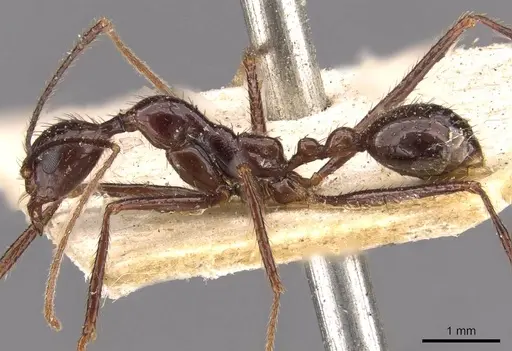
Aphaenogaster feae is a tropical Asian ant species distributed across Myanmar, India, Thailand, China, Bhutan, and the Philippines . They belong to the opportunist functional group, foraging on soil, tree trunks, and leaves in diverse habitats including primary forests, pine forests, grasslands, and human-modified areas . This species occupies a remarkable elevation range from tropical lowlands up to 3000m in the Himalayan foothills . Workers are small and fast-moving, typical of the genus.
Quick Summary
- Difficulty: Medium
- Origin & Habitat: Tropical and subtropical Asia including Myanmar, India, Thailand, China (Yunnan, Hainan, Hengduan Mountains), Bhutan, and the Philippines, found in forests, pine forests, grasslands, and agricultural areas from lowlands to 3000m elevation [1][2][3][4][10][8][9][7][11].
- Colony Type: Unconfirmed, specific social structure undetermined for this species.
- Size & Growth:
- Queen: size data unavailable, inferred from Aphaenogaster genus (~6-8mm)
- Worker: size data unavailable, inferred from Aphaenogaster genus (~4-6mm)
- Colony: Unknown for this species
- Growth: Unknown
- Development: unconfirmed for this species (Development timeline is unconfirmed. Related Aphaenogaster species may take several weeks to months at tropical temperatures.)
- Antkeeping:
- Temperature: 22-26°C (room temperature to warm). Given their broad elevation distribution from tropical lowlands to 3000m in the Himalayas, they tolerate a range but tropical populations should be kept consistently warm [8][9].
- Humidity: Moderate to high humidity (60-75%). Nest material should feel damp but not waterlogged, mimicking soil under stones [5][6].
- Diapause: Not required. Tropical and subtropical species remain active year-round. High-altitude populations from the Himalayas may slow during cooler months but do not require formal hibernation [8][9].
- Nesting: Naturalistic setups with soil and flat stones, or Y-tong/plaster nests with small chambers. They nest under stones and in soil in the wild [5][6].
- Behavior: Opportunistic foragers that scavenge on soil, tree trunks, and leaves [5][8]. Generally peaceful and skittish. Fast runners typical of the genus. Small size means escape prevention is critical.
- Common Issues: founding behavior is unconfirmed, if semi-claustral like some relatives, queens need food during founding or they will starve., tropical origin means consistent warmth is required, temperatures below 18°C can stress or kill the colony., small worker size means escapes are likely without fine mesh barriers or fluon., limited specific care data available for this species, most guidance is inferred from genus patterns.
Nest Preferences
In nature, Aphaenogaster feae nests under soil and beneath stones across forest, grassland, and human-modified habitats [5][6]. In Thailand, this species is restricted to pine forest specifically [7]. They prefer dark, enclosed spaces with easy access to the surface. In captivity, provide a naturalistic setup with a soil mix and flat stones, or use artificial nests like Y-tong or plaster with narrow chambers. The nest should offer darkness and security while maintaining humid conditions. A shallow layer of soil or sand in the outworld allows natural foraging behaviors.
Temperature and Care
Aphaenogaster feae occupies an elevation range from tropical lowlands up to 3000 meters in the Himalayan foothills [8][9]. This suggests flexibility, but tropical populations should be kept warm and stable at 22-26°C. They do not require hibernation and remain active year-round. If you have a colony from high-altitude populations (Bhutan, Himalayas), they may tolerate cooler temperatures down to 15-18°C in winter, but tropical lowland populations should not be cooled. Use a heating cable on one side of the nest to create a gentle gradient, allowing the ants to self-regulate.
Feeding and Diet
These ants are opportunistic generalists. In the wild, they forage on soil, tree trunks, and leaves, taking varied food sources [5][8]. Offer small insects like fruit flies, springtails, or tiny pieces of mealworms. Provide sugar water or honey water in a test tube or liquid feeder. Some Aphaenogaster species collect seeds, so you can experiment with small seeds like chia or millet, though seed collection has not been specifically documented for this species. Feed small amounts frequently rather than large masses that could mold.
Colony Founding
Founding behavior is unconfirmed for Aphaenogaster feae. Many Aphaenogaster species are semi-claustral, meaning queens may need to forage during the founding stage and cannot survive on stored fat reserves alone. If this applies to this species, founding queens will need access to food from the start. Set up founding queens in a test tube with a small outworld, or feed them directly by placing tiny drops of sugar water and insect pieces in the tube. Remove uneaten food promptly to prevent mold.
Behavior and Temperament
Aphaenogaster feae shows typical opportunistic foraging behavior, searching for scattered food resources across the ground and vegetation [5][8]. They are not aggressive defenders and will likely flee rather than attack when disturbed. Workers are fast runners and good climbers. Because workers are small, you must use excellent escape prevention including fluon or baby powder barriers on outworld rims, and fine mesh for ventilation.
Frequently Asked Questions
Can I keep Aphaenogaster feae in a test tube?
Yes, but with caution. If they are semi-claustral like many Aphaenogaster, founding queens may need to forage. Use a test tube setup with an attached small outworld, or be prepared to offer food. Once workers arrive, move them to a proper nest with an outworld.
How long until Aphaenogaster feae gets first workers?
The timeline is unconfirmed for this species. Based on related Aphaenogaster species, expect several weeks to months at tropical temperatures. Cooler temperatures will slow development.
Do Aphaenogaster feae need hibernation?
No. They are tropical to subtropical ants and remain active year-round. Only high-altitude Himalayan populations might slow in winter, but standard room temperature keeping is appropriate.
What do Aphaenogaster feae eat?
They are generalist scavengers. Offer small live or dead insects like fruit flies, springtails, or tiny cricket pieces, plus sugar water or honey water. They forage on the ground and vegetation for varied food sources [5].
Can I keep multiple Aphaenogaster feae queens together?
Not recommended. Combining unrelated queens has not been documented for this species, and Aphaenogaster are typically single-queen. Multiple queens will likely fight until only one survives.
Are Aphaenogaster feae good for beginners?
They are medium difficulty. While not aggressive, the lack of specific care data and unconfirmed founding type make them risky for absolute beginners. You must be prepared to feed founding queens if they prove to be semi-claustral.
What is the best nest for Aphaenogaster feae?
Naturalistic setups with soil and flat stones work best, mimicking their wild nests under stones [5]. Alternatively, Y-tong or plaster nests with small chambers and a soil substrate work well. Ensure the nest stays humid but not wet.
Do Aphaenogaster feae ants sting?
Aphaenogaster typically have small stingers but are not aggressive toward humans. They are unlikely to sting unless handled roughly, and any sting would be minor.
Report an Issue
The current care sheet is based fully on literature. See inconsistencies, or something that's incorrect? Please , it will be resolved after review from an admin. Contributing to the blogs tab also helps providing information, to make us be able to further improve the caresheets. Thank you for your support!
References

This caresheet is licensed under CC BY-SA 4.0 .
Community Blogs
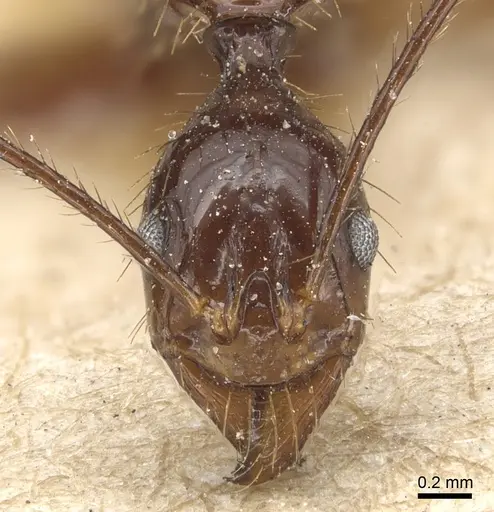
CASENT0280950
View on AntWeb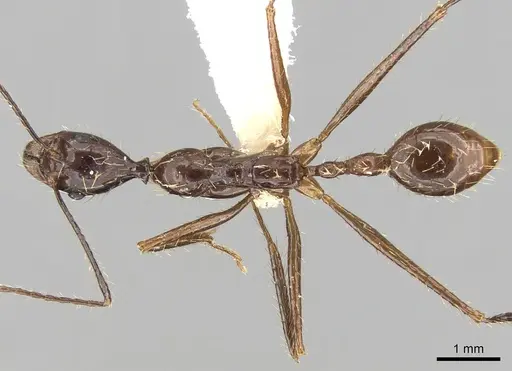
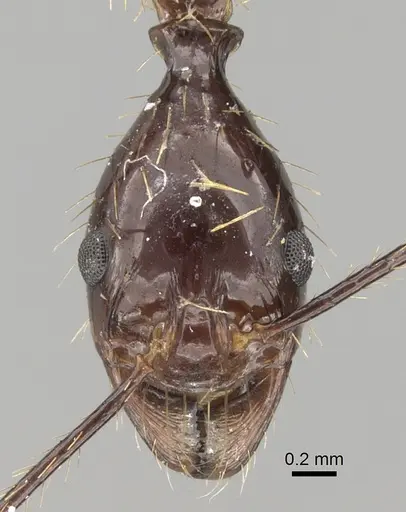
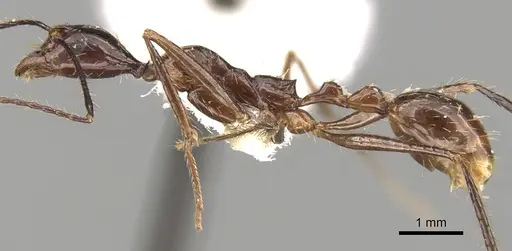
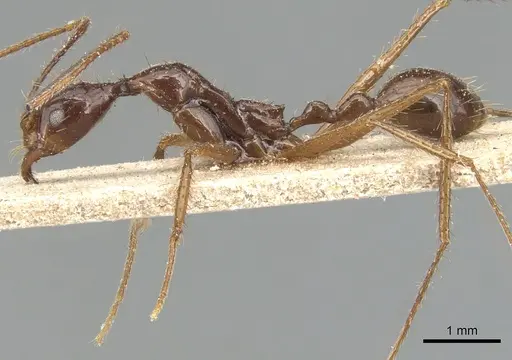
CASENT0904185
View on AntWeb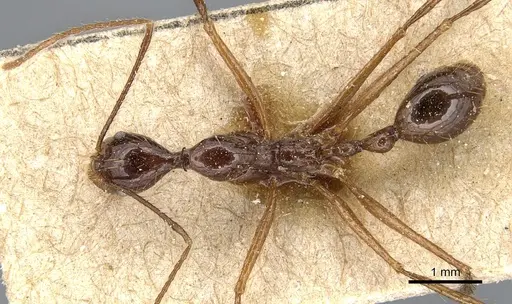
CASENT0905773
View on AntWeb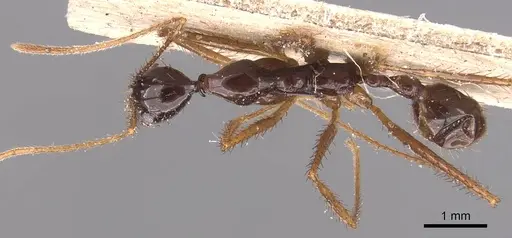
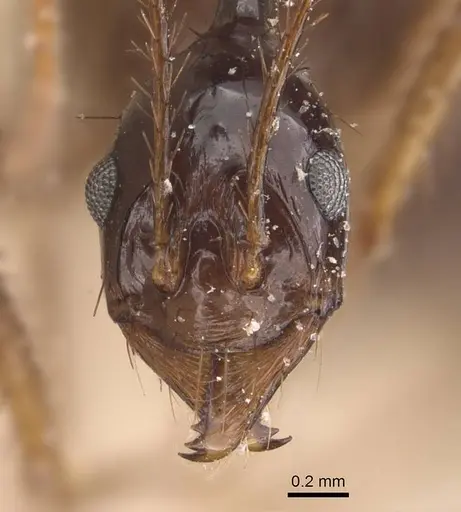
CASENT0907707
View on AntWeb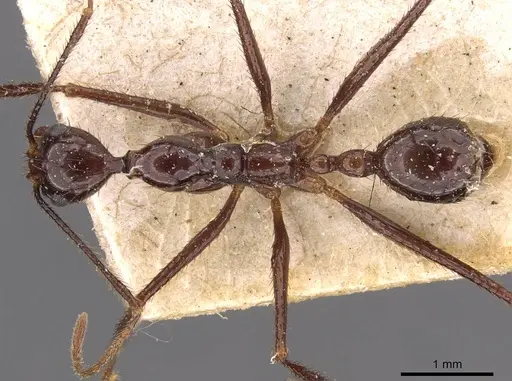
Literature
Loading distribution map...Loading products...