
Aphaenogaster famelica
- Sci. Name
- Aphaenogaster famelica
- Tribe
- Stenammini
- Subfamily
- Myrmicinae
- Author
- Smith, 1874
- Distribution
- Found in 2 countries
Introduction
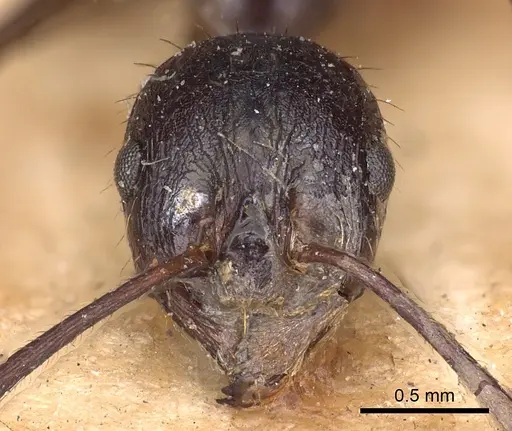
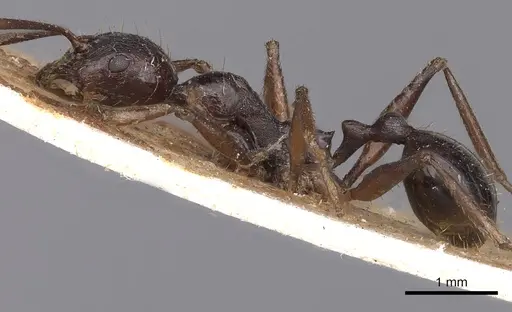
Aphaenogaster famelica is a medium-sized woodland ant native to East Asia. Workers measure 3.5-8.0 mm in length, with dark brown to black bodies and reddish-brown mandibles, antennae, and legs . They are the most common Aphaenogaster species in Japan, found from lowland areas in the east to mountainous regions in the west . Unlike the related Aphaenogaster erabu, foraging workers do not turn their gasters downward . They nest in open soil or under stones in woodlands and forest margins . These ants are important seed dispersers in their native forests and have been observed using tools to transport liquid food . Unusually for temperate ants, workers may remain active on warm winter days, though they still require a cold period for proper brood development .
Quick Summary
- Difficulty: Medium
- Origin & Habitat: Japan, Korean Peninsula, China, and the Russian Far East (Kuril Islands), found in woodlands, forest edges, and open areas where they nest in soil or under stones [3][7][8].
- Colony Type: Colony structure is unconfirmed. Based on typical Aphaenogaster patterns, likely single-queen colonies.
- Size & Growth:
- Queen: Size data unavailable, inferred from genus patterns to be approximately 8-9 mm.
- Worker: 3.5-8.0 mm [1][2].
- Colony: Colony size data unavailable for this species.
- Growth: Moderate to slow (temperate species requiring seasonal rest).
- Development: Development timeline is unconfirmed for this species. Based on related temperate Aphaenogaster species, expect approximately 8-12 weeks at 25°C. (Development slows significantly during hibernation.)
- Antkeeping:
- Temperature: Keep at 20-25°C during the active season (spring through autumn). Provide a winter rest period at 5-10°C for 3-4 months [6].
- Humidity: Moderate humidity around 50-70%. Keep nest substrate damp but not waterlogged, with a moisture gradient allowing ants to choose drier or wetter areas.
- Diapause: Yes, required. Despite occasional winter foraging on warm days, colonies need a sustained cold period for proper brood development and long-term health [6].
- Nesting: In nature they nest in open soil or under flat stones [3]. In captivity, use Y-tong nests, plaster nests, or naturalistic setups with a soil layer and flat stones that allow for tunneling under cover.
- Behavior: Ground-dwelling foragers that collect seeds and small insects. They show moderate activity levels and are not particularly aggressive. Workers may forage on warm winter days but enter a slowed state during true cold periods [6]. Escape risk is moderate, while not tiny, they are skilled climbers and require secure lids.
- Common Issues: hibernation must be provided or the colony may fail to develop new brood properly., soil-based nests can develop mold if kept too wet without adequate ventilation., winter activity on warm days can lead to overfeeding if keepers assume the colony is fully active., slow growth rate during the first year can test beginner patience.
Nest Preferences
In their native woodlands, Aphaenogaster famelica nests in open soil or under stones and flat rocks [3]. They prefer well-drained but moderately humid locations, often at the edges of forests where sunlight can warm the nest entrance. In captivity, recreate these conditions with a Y-tong or plaster nest that offers tight, dark chambers, or use a naturalistic setup with a layer of soil and flat stones under which they can excavate. Provide a humidity gradient, keep one side of the nest slightly damp while allowing the other side to dry out, letting the ants choose their preferred microclimate. Avoid tall, open spaces, these ants prefer low-ceilinged chambers that mimic the space under stones.
Feeding and Diet
Aphaenogaster famelica are omnivorous scavengers and important seed dispersers. They collect seeds with elaiosomes (fatty attachments) and transport them back to the nest, where they consume the attachment and often discard the seed itself [4]. Offer a mix of small seeds (such as poppy or sesame) and protein sources like fruit flies, springtails, or small cricket pieces. These ants also use tools, they have been observed placing debris on liquid food sources like honey water to soak it up, then carrying the soaked material back to the nest [5]. You can offer diluted honey water on a piece of cotton or provide it in a shallow dish with pebbles for them to soak.
Temperature and Seasonal Care
During the active season (roughly April to October), maintain the nest at 20-25°C. Aphaenogaster famelica experiences distinct seasons in its native Japan, including cold winters in northern regions like Hokkaido [7]. While they may forage on warm winter days [6], they require a true hibernation period for brood development. Starting in late autumn, gradually reduce the temperature to 5-10°C for 3-4 months. You can keep them in an unheated room, garage, or refrigerator set to this temperature range. Do not feed during hibernation, but ensure the nest does not completely dry out. Return them to room temperature in early spring to trigger renewed brood development.
Behavior and Temperament
These ants are generally peaceful and deliberate in their movements. They are ground-dwelling foragers that rely on individual scouting rather than mass recruitment trails. Workers vary in size from 3.5 to 8 mm [1]. They are not escape artists like some smaller species, but their climbing ability and size mean standard escape prevention (Fluon or baby powder barriers) is still necessary. Their winter activity pattern is unusual, unlike many temperate ants that enter complete dormancy, Aphaenogaster famelica workers may emerge to forage on warm winter days, though they will retreat when temperatures drop again [6].
Colony Founding
Based on typical Aphaenogaster patterns, queens are likely claustral, meaning they seal themselves in a founding chamber and live on stored body fat reserves until the first workers hatch. However, founding behavior is unconfirmed for this specific species. Based on related temperate Aphaenogaster species, expect the first workers to emerge in approximately 8-12 weeks at 25°C. The first workers (nanitics) will be smaller than subsequent generations and will begin foraging immediately. Do not disturb the queen during this period, and do not attempt to feed her, she has everything she needs internally. Once workers arrive, offer small amounts of sugar water and tiny prey items.
Frequently Asked Questions
Do Aphaenogaster famelica need hibernation?
Yes. Despite being active on warm winter days, they require a sustained cold period at 5-10°C for 3-4 months to properly develop brood. Without this winter rest, colonies often fail to produce new workers the following season.
Can I keep Aphaenogaster famelica in a test tube?
Test tubes work well for founding queens and small colonies. Use a standard setup with water blocked by cotton. Once the colony reaches 20-30 workers, move them to a small soil nest or Y-tong nest that better mimics their natural stone-under-soil nesting habits.
How long until first workers for Aphaenogaster famelica?
Development timeline is unconfirmed for this species. Based on related temperate Aphaenogaster species, expect first workers in approximately 8-12 weeks at 25°C. This is slower than tropical species because they are temperate ants. Development times extend if temperatures drop or during the hibernation period.
What do Aphaenogaster famelica eat?
They are omnivores. Feed them small seeds (like poppy or sesame), sugar water or honey water, and small live or dead insects such as fruit flies, springtails, or cricket pieces. They also use tools to transport liquid food, so providing a shallow dish with pebbles or cotton works well.
Can I keep multiple queens together?
Colony structure is unconfirmed for this species. Based on typical Aphaenogaster patterns, they are likely single-queen. Combining multiple queens will likely result in fighting and death of all but one queen. Start colonies with a single queen only.
Why are my Aphaenogaster famelica active in winter?
This is normal for the species. In their native Japan, they forage on warm winter days when temperatures rise above freezing [6]. However, they still need the cold period for brood development, so maintain hibernation temperatures even if you see occasional activity.
Best nest type for Aphaenogaster famelica?
Y-tong nests, plaster nests, or naturalistic setups with soil and flat stones work best. They need tight chambers with low ceilings that mimic the space under stones in woodlands. Avoid acrylic nests with tall chambers.
Are Aphaenogaster famelica good for beginners?
They are suitable for keepers with some experience, but the hibernation requirement makes them slightly more challenging than tropical species. Their moderate size and peaceful nature make them manageable, but beginners must be prepared to provide proper winter care.
Report an Issue
The current care sheet is based fully on literature. See inconsistencies, or something that's incorrect? Please , it will be resolved after review from an admin. Contributing to the blogs tab also helps providing information, to make us be able to further improve the caresheets. Thank you for your support!
References

This caresheet is licensed under CC BY-SA 4.0 .
Community Blogs
CASENT0900455
View on AntWeb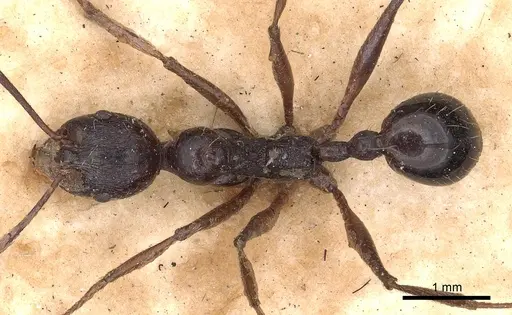
Literature
Loading distribution map...Loading products...