
Amblyopone longidens
- Sci. Name
- Amblyopone longidens
- Tribe
- Amblyoponini
- Subfamily
- Amblyoponinae
- Author
- Forel, 1910
- Distribution
- Found in 1 countries
Introduction
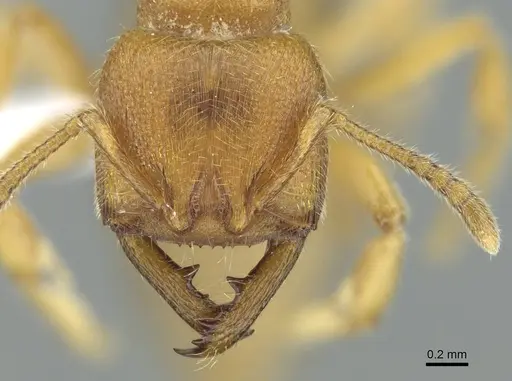
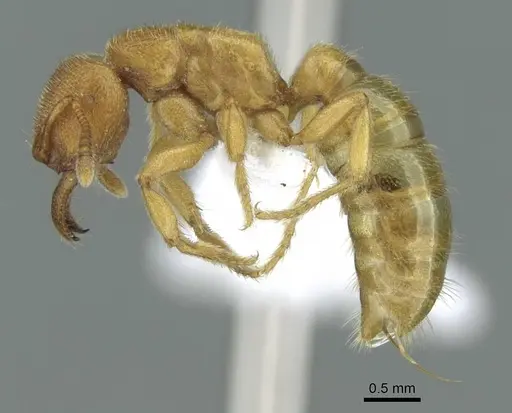
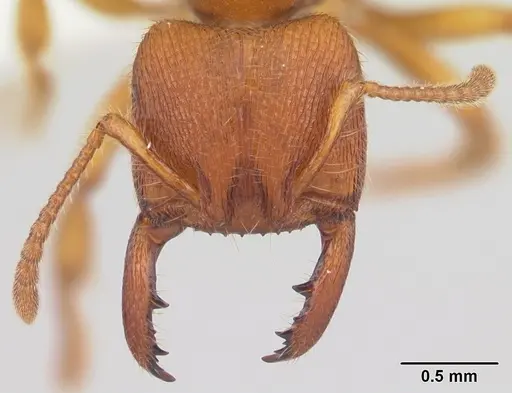
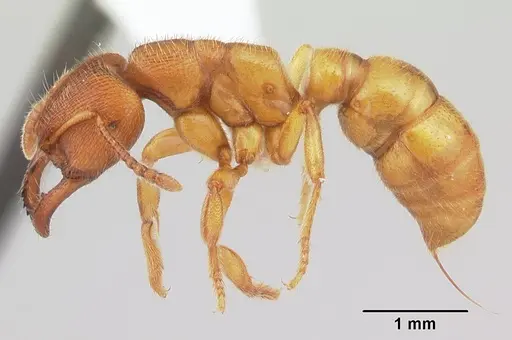
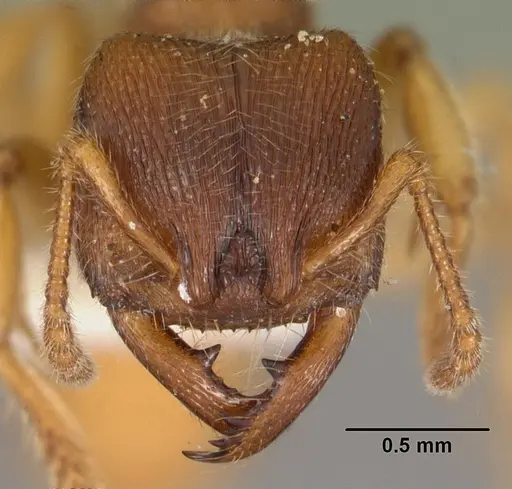
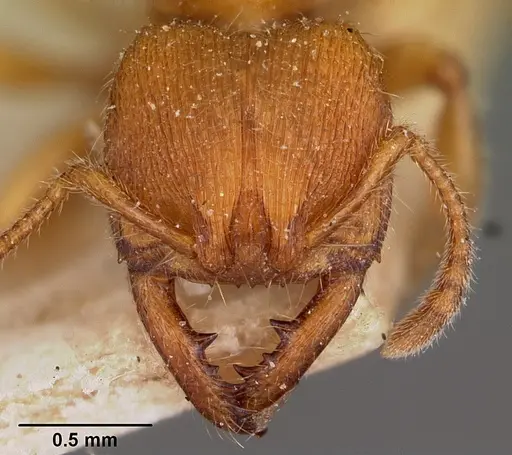
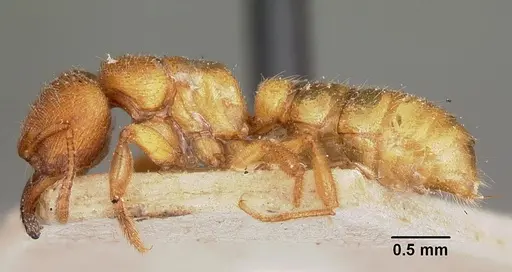
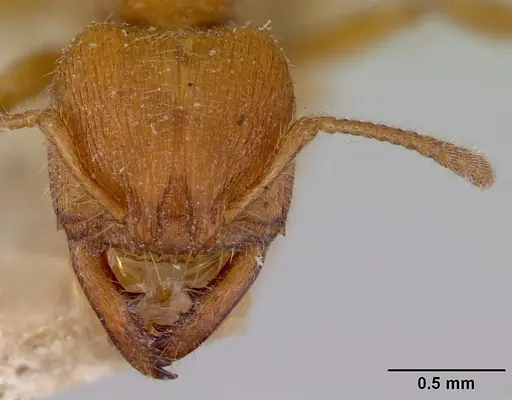
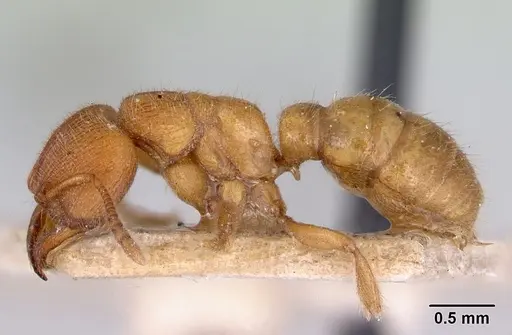
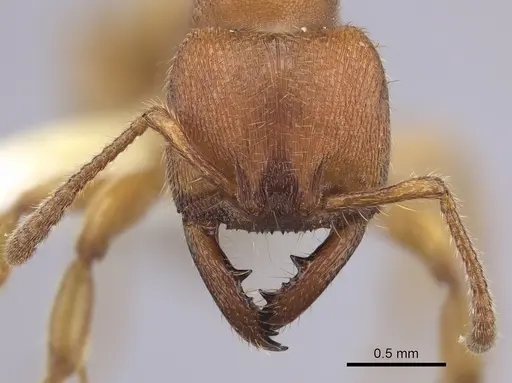
Amblyopone longidens is a small predatory ant from the Dracula ant subfamily Amblyoponinae, found in southeastern Australia . Originally described from Bombala, New South Wales, this species belongs to the POA clade - a group containing Prionopelta, Onychomyrmex, and Amblyopone that is confined to the Australian biogeographic region . They hunt small soil arthropods using group recruitment, where workers lead nestmates to food sources rather than laying chemical trails . These ants are rarely kept in captivity due to their specialized predatory needs and small colony sizes. They require frequent feeding of tiny live prey and likely experience seasonal cycles based on their temperate Australian origins.
Quick Summary
- Difficulty: Expert
- Origin & Habitat: Australia, specifically New South Wales (recorded from the Bombala region). They inhabit forested areas with leaf litter and soil habitats [4][1][2].
- Colony Type: Colony structure is unconfirmed. Based on typical Amblyopone patterns, colonies likely have a single queen with small worker populations.
- Size & Growth:
- Queen: Size data unavailable, no specific measurements exist for this species. Amblyopone queens are typically in the 5-7mm range based on genus patterns.
- Worker: Size data unavailable, no specific measurements exist for this species. Amblyopone workers are typically in the 3-5mm range based on genus patterns.
- Colony: Likely small, under 100 workers based on typical Amblyopone patterns.
- Growth: Likely slow based on genus patterns.
- Development: Unconfirmed, development timeline is unknown for this species. (Related Amblyoponinae species typically have slow development.)
- Antkeeping:
- Temperature: Keep at room temperature (roughly 18-24°C). Provide a temperature gradient so ants can self-regulate. Reduce temperature slightly in winter.
- Humidity: Keep substrate consistently moist but not waterlogged. Leaf litter habitat suggests moderate to high humidity needs.
- Diapause: Likely required, based on temperate distribution in New South Wales. Provide a cooler period (roughly 10-15°C) for 2-3 months during winter.
- Nesting: Naturalistic setups with soil, leaf litter, and small pieces of rotting wood work best. They prefer tight spaces between soil particles or under flat stones.
- Behavior: Predatory hunters using group recruitment to bring small prey back to the nest [3]. Colonies remain small with slow-moving workers. Their small size means escape prevention must be excellent, use fine mesh barriers and tight-fitting lids. Like other Amblyoponinae, they possess a sting but their small size limits effectiveness against humans.
- Common Issues: queens may die during founding if not provided with frequent small prey, ensure regular feeding during claustral period., finding appropriately sized live prey is difficult, they need tiny arthropods like springtails., escapes are likely without excellent barriers due to their small worker size., colonies may fail without a proper winter rest period to match their natural seasonal cycle., overfeeding causes mold problems in the high-humidity environment they require.
Natural History and Distribution
Amblyopone longidens belongs to the POA clade, a group containing Prionopelta, Onychomyrmex, and Amblyopone, which is confined to the Australian biogeographic region [1][2]. The species was originally described from Bombala, New South Wales, and appears restricted to this temperate forest region of Australia [4].
As ground-dwelling predators, they inhabit leaf litter and soil layers where they hunt small arthropods. Their distribution in temperate southeastern Australia suggests they experience distinct seasonal cycles with cooler winters.
Colony Founding and Structure
Founding behavior is unconfirmed for this specific species. Unlike many ants that seal themselves in chambers and survive on stored body fat (claustral founding), some Amblyopone species may require the queen to forage during founding. However, this has not been documented for A. longidens specifically.
Colonies likely remain small even when mature, typical Amblyopone colonies contain only a few dozen to low hundreds of workers.
Feeding and Diet
In the wild, Amblyopone longidens collects small prey using group recruitment strategies [3]. Workers lead nestmates to food sources rather than relying on scent trails alone.
In captivity, provide tiny live prey. Suitable options include springtails (Collembola), small soil mites, or pieces of larger insects cut to appropriate sizes. Some Amblyoponinae species practice non-destructive cannibalism, feeding on the hemolymph of their own larvae without killing them, but this should not be relied upon as a primary food source.
Housing and Nest Design
Keep these ants in naturalistic setups with actual soil, leaf litter, and small pieces of rotting wood. They do not thrive in standard acrylic formicaria with large open chambers. The nest space should feel tight and secure, small cavities between soil particles or under flat stones.
Because of their small size, escape prevention is critical. Use fine mesh for ventilation, and apply barrier products like Fluon or talcum powder to the upper walls of the outworld. Check all seams and lids carefully, they can squeeze through gaps that seem impossibly small.
Temperature and Seasonal Care
Based on their New South Wales origin, maintain active colonies at roughly 18-24°C during spring and summer. Create a gentle heat gradient if possible by placing a heating cable on one side of the nest.
You will likely need to provide a winter rest period. Starting in autumn, gradually reduce temperature over 2-3 weeks until the colony rests at roughly 10-15°C. Maintain this for 2-3 months before warming them up again. Keep the substrate slightly damp during this period but reduce watering frequency.
Frequently Asked Questions
Are Amblyopone longidens good for beginners?
No, these are expert-level ants. They require specialized tiny prey, and they likely need seasonal temperature changes to thrive. Start with easier species like Lasius niger or Tetramorium immigrans instead.
How long until Amblyopone longidens get their first workers?
The exact timeline is unconfirmed. Development time is unknown for this species. Semi-claustral founding often takes longer than claustral founding because the queen must balance foraging with brood care.
What do Amblyopone longidens eat?
They hunt small prey items like springtails, tiny soil mites, and other minute soil arthropods [3]. In captivity, provide live springtails or very small insect pieces. They use group recruitment to bring food back to the nest.
Can I keep multiple Amblyopone longidens queens together?
Not recommended unless you observe clear tolerance. Without documented evidence of polygyny, assume they are single-queen colonies and will fight if combined.
Do Amblyopone longidens need hibernation?
Likely yes. Coming from temperate New South Wales, they probably experience a winter rest period in nature. In captivity, cool them to roughly 10-15°C for 2-3 months during winter. This rest period likely improves colony health.
Can I keep Amblyopone longidens in a test tube?
Test tubes can work for founding, but you must provide access to small prey. The queen needs to be able to hunt while having access to her brood. A connected outworld with tiny prey is essential.
Do Amblyopone longidens ants sting?
Yes, like other Amblyoponinae they possess a stinger, but their small size means they cannot penetrate human skin effectively. The sting is not considered medically significant.
Why are my Amblyopone longidens dying?
Common causes include: starvation during founding if queens cannot access prey, prey that is too large to handle, lack of winter rest period, or escapes due to their small size. Also check for mites in wild-caught colonies.
Report an Issue
The current care sheet is based fully on literature. See inconsistencies, or something that's incorrect? Please , it will be resolved after review from an admin. Contributing to the blogs tab also helps providing information, to make us be able to further improve the caresheets. Thank you for your support!
References

This caresheet is licensed under CC BY-SA 4.0 .
Community Blogs
CASENT0100476
View on AntWeb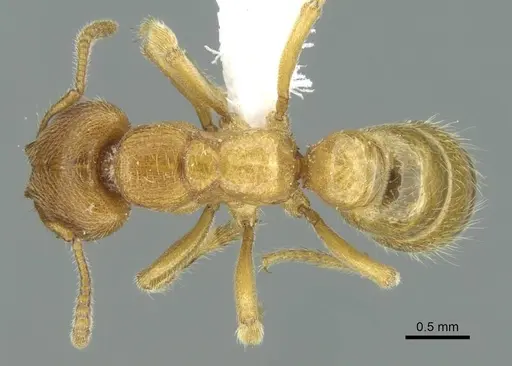
CASENT0100485
View on AntWeb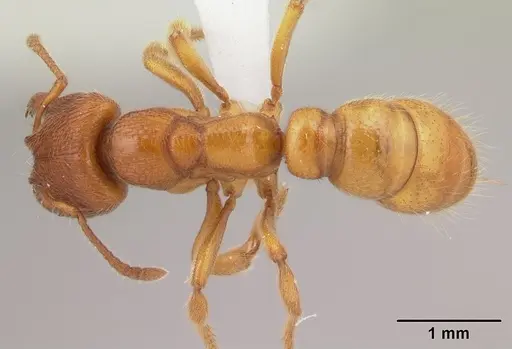
CASENT0102185
View on AntWeb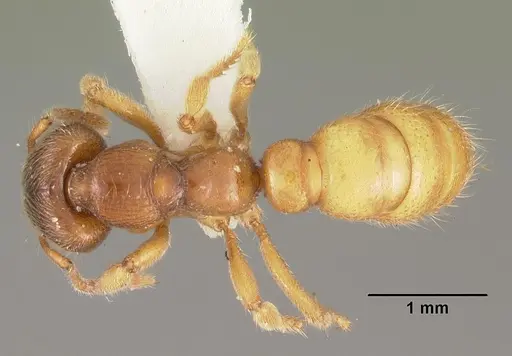
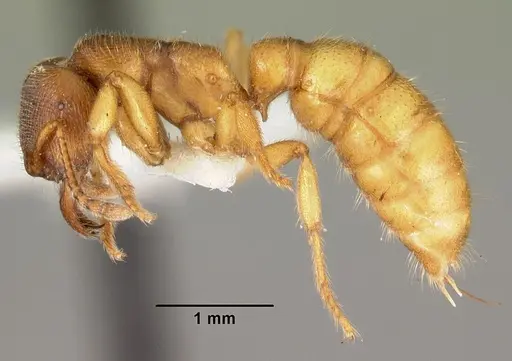
CASENT0102521
View on AntWeb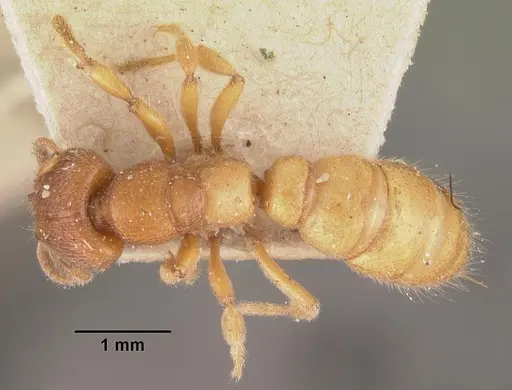
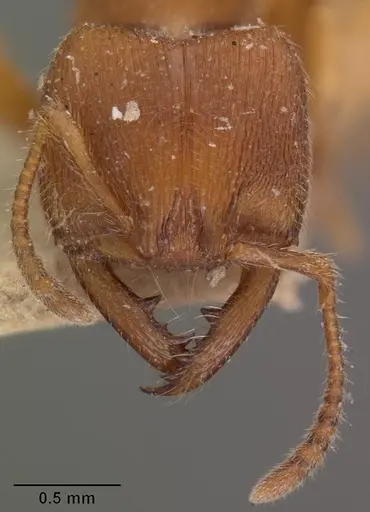
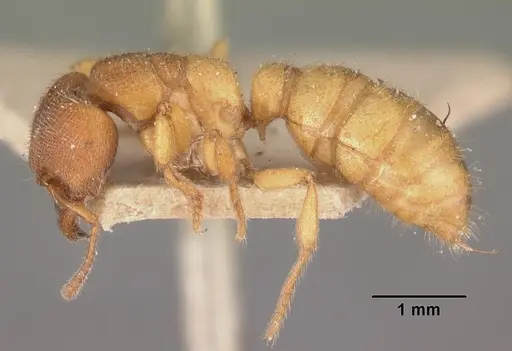
CASENT0104577
View on AntWeb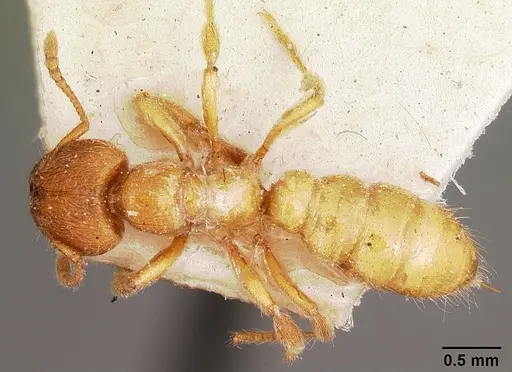
CASENT0172211
View on AntWeb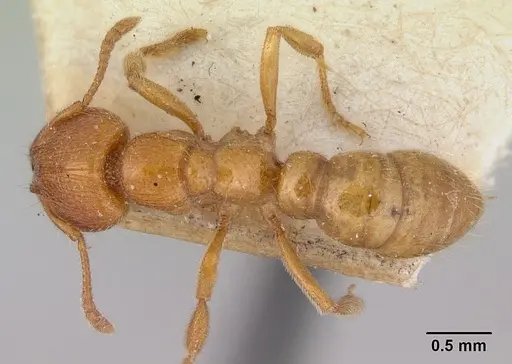
CASENT0260448
View on AntWeb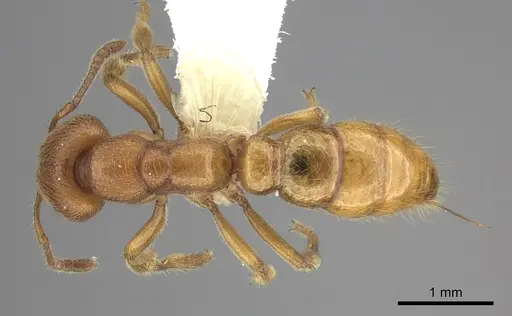
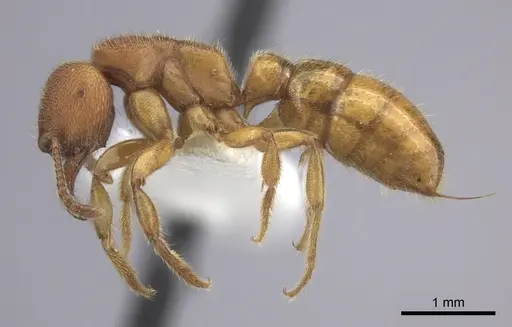
CASENT0280653
View on AntWeb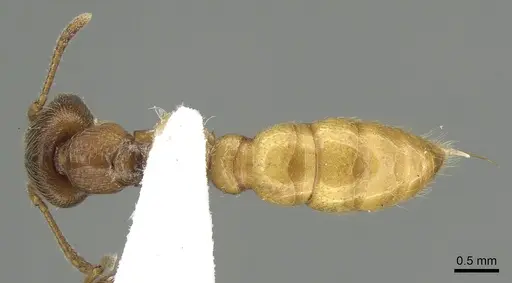
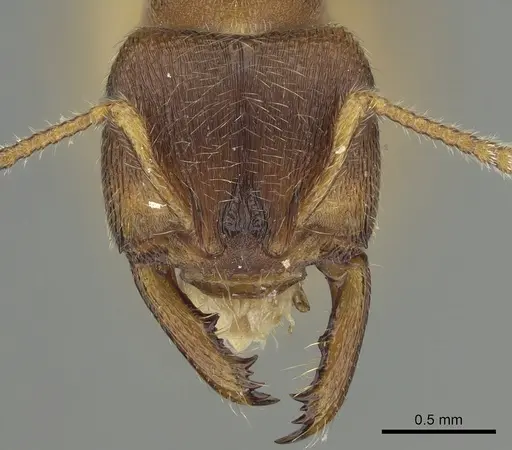
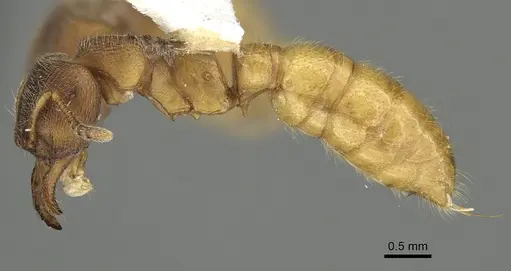
Literature
Loading distribution map...Loading products...