
Amblyopone leae
- Sci. Name
- Amblyopone leae
- Tribe
- Amblyoponini
- Subfamily
- Amblyoponinae
- Author
- Wheeler, 1927
- Distribution
- Found in 1 countries
Introduction
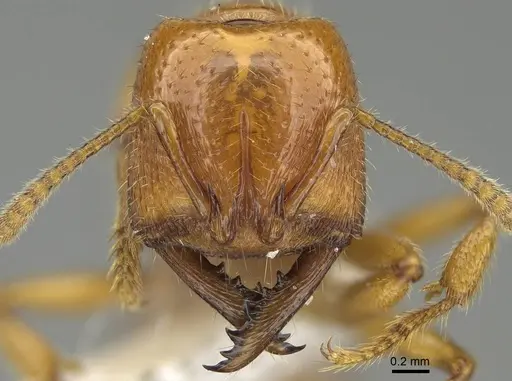
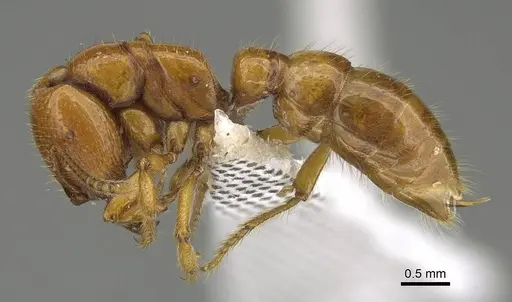
Amblyopone leae is a rare, primitive ant species endemic to Lord Howe Island, a subtropical island off the east coast of Australia . This species belongs to the subfamily Amblyoponinae, commonly known as Dracula ants, which are ancient predators with specialized hunting behaviors. The genus Amblyopone contains some of the most morphologically primitive ants alive today, with elongated mandibles adapted for capturing hard-bodied prey like centipedes. Workers are small, pale-colored ants that inhabit soil and leaf litter on the forest floor.
Quick Summary
- Difficulty: Expert
- Origin & Habitat: Endemic to Lord Howe Island, Australia [1]. Found in forest soil and leaf litter in the island's subtropical environments.
- Colony Type: Unconfirmed, colony structure data is unavailable for this species.
- Size & Growth:
- Queen: Size data unavailable, no published measurements exist for this species.
- Worker: Size data unavailable, no published measurements exist for this species.
- Colony: Unknown
- Growth: Unknown
- Development: Unknown (Development timeline has not been studied for this species.)
- Antkeeping:
- Temperature: Keep at room temperature (20-24°C). Lord Howe Island has a mild subtropical climate [1].
- Humidity: High humidity with consistently moist substrate. Provide damp forest-floor conditions.
- Diapause: Unlikely required given the mild subtropical climate of Lord Howe Island [1].
- Nesting: Naturalistic setup with soil, leaf litter, and small dark chambers. Avoid large open spaces.
- Behavior: Specialized predators with poor eyesight. They rely on chemical cues to hunt small soil arthropods. Not aggressive toward humans, their sting is ineffective against human skin. Small size means escape prevention requires fine mesh barriers.
- Common Issues: semi-claustral founding behavior is unconfirmed for this species, do not assume queens can hunt during founding., specialized predatory diet may require live small prey which can be difficult to source consistently., extremely slow or unknown growth rate requires patience., endemic status makes collection and export legally restricted and ethically problematic., small size requires fine mesh to prevent escape.
Nest Preferences
In nature, Amblyopone leae nests in soil and leaf litter on the forest floor of Lord Howe Island [1]. For captive care, recreate these conditions with a naturalistic setup containing soil, leaf litter, and small hiding places. They prefer tight, dark chambers rather than open spaces.
A test tube setup works for founding. Once the colony grows, move them to a small naturalistic formicarium or a container with soil and rotting wood. Avoid large, open acrylic nests. Keep the substrate moist but not waterlogged, and provide leaf litter for them to hide under.
Feeding and Diet
These ants are specialized predators. In the wild, they hunt small soil arthropods like centipedes, springtails, and mites. You will need to provide similar small live prey.
Acceptable foods include live springtails, tiny soil centipedes, and small mites. Standard ant foods like honey or sugar water may be ignored. Fruit flies might be too large for small colonies.
Feed small amounts frequently rather than large prey items. Remove uneaten prey quickly to prevent mold in the humid conditions these ants require. [3]
Temperature and Humidity
Lord Howe Island has a mild subtropical climate with temperatures rarely exceeding 25°C or dropping below 15°C [1]. Keep your colony at 20-24°C for best results.
Humidity must remain high. Use a water tower or moist substrate in the nest area. The substrate should feel damp to the touch but not have standing water. You may need to mist the foraging area occasionally to maintain humidity, but ensure ventilation to prevent mold.
These ants likely do not require hibernation given their island origin.
Colony Founding
The founding behavior of Amblyopone leae is unconfirmed. Many species in the Amblyoponinae subfamily are semi-claustral, meaning queens may need to hunt for food during colony establishment, but this has not been documented for this specific species.
If you obtain a queen, provide a test tube with a foraging area and small live prey. Monitor closely and adjust based on her behavior. First workers may take several months to develop.
The colony will grow very slowly, do not expect rapid population increases.
Behavior and Defense
Amblyopone leae shows primitive ant behaviors typical of the Amblyoponinae subfamily. They have poor eyesight and rely on chemical cues to navigate and hunt. They move slowly and deliberately, stalking small prey items in the soil.
As members of Amblyoponini, they possess a sting used to paralyze hard-bodied prey like centipedes [3]. They are not aggressive toward humans and cannot sting effectively through human skin. They are shy and will retreat into their nest when disturbed.
Because they are slow-moving, they are not escape artists, but their small size means you must use fine mesh to prevent workers from slipping through ventilation holes.
Conservation and Legal Status
This species is endemic to Lord Howe Island, meaning it occurs nowhere else on Earth [1]. The island has strict biosecurity measures to protect its unique wildlife. You should never attempt to collect or export these ants without proper permits, and you absolutely must not release them outside Lord Howe Island if you somehow obtain them.
If you keep this species, maintain strict containment protocols. An escaped colony could establish outside its native range and cause ecological damage.
Frequently Asked Questions
Can I keep Amblyopone leae in a test tube?
Yes, a test tube setup can work. If the queen requires hunting during founding, you will need to provide a foraging area with small live prey. Monitor her behavior and adjust as needed.
How long until first workers for Amblyopone leae?
The exact timeline is unknown for this species. Development will likely take several months. Be patient and focus on maintaining proper humidity and providing consistent prey.
Do Amblyopone leae need hibernation?
Probably not. Lord Howe Island has a mild subtropical climate without harsh winters [1]. You can keep them at room temperature year-round.
What do Amblyopone leae eat?
They are specialized predators that hunt small soil arthropods. Feed them live springtails, tiny centipedes, or small mites. They likely will not accept sugar water or standard ant foods.
Can I keep multiple Amblyopone leae queens together?
This is unknown. Colony structure data is not available for this species. Proceed with caution if housing multiple queens together.
Are Amblyopone leae good for beginners?
No. These are expert-level ants due to their specialized diet requirements, unknown founding behavior, and the ethical/legal complications of keeping an endemic island species.
Do Amblyopone leae ants sting?
They possess stingers used to subdue small prey. They are not dangerous to humans, their sting is too weak to penetrate human skin effectively.
Report an Issue
The current care sheet is based fully on literature. See inconsistencies, or something that's incorrect? Please , it will be resolved after review from an admin. Contributing to the blogs tab also helps providing information, to make us be able to further improve the caresheets. Thank you for your support!
References

This caresheet is licensed under CC BY-SA 4.0 .
Community Blogs
CASENT0172391
View on AntWeb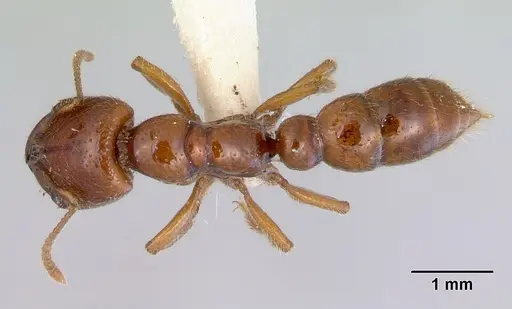
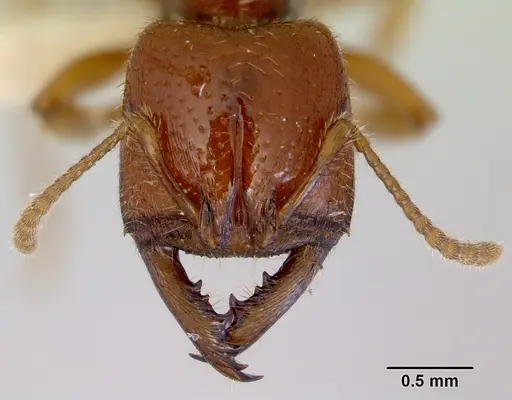
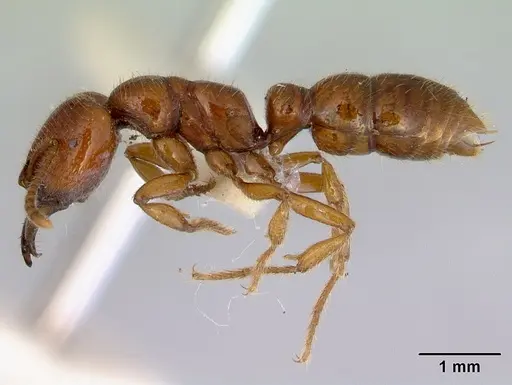
CASENT0746791
View on AntWeb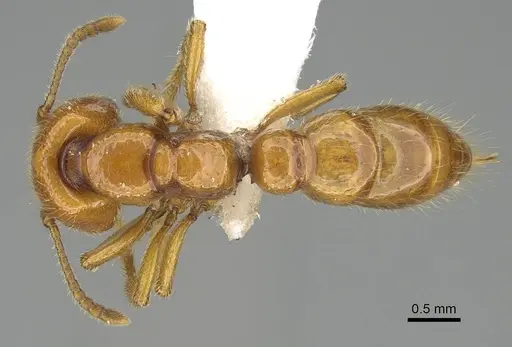
Literature
Loading distribution map...Loading products...