
Allomerus septemarticulatus
- Sci. Name
- Allomerus septemarticulatus
- Tribe
- Attini
- Subfamily
- Myrmicinae
- Author
- Mayr, 1878
- Distribution
- Found in 1 countries
Introduction
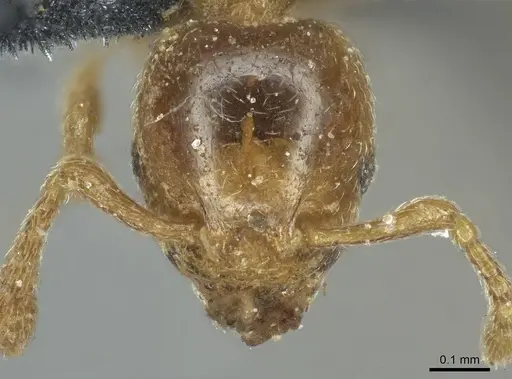
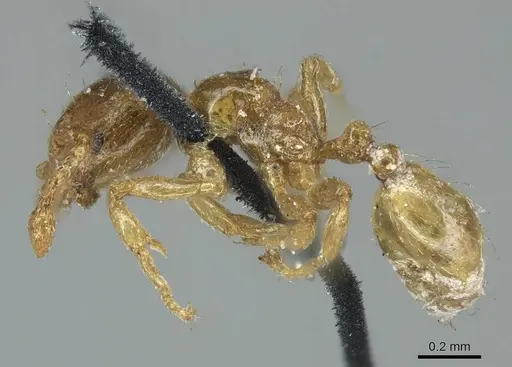
Allomerus septemarticulatus are tiny light-brown ants from the Amazon rainforest. Workers measure approximately 1.8-1.9 mm in total length, making them among the smallest ants you could attempt to keep . They live exclusively in the leaf sacs of the ant-plant Duroia saccifera in Brazil's Amazonas and Pará states . Unlike ants that nest in soil or rotting wood, these are obligate plant-ants. They cannot survive without their specific host plant, which provides hollow leaf structures (domatia) for nesting. The queen is unusually small and pale yellow with large black eyes, looking quite different from the darker workers . This extreme specialization makes them nearly impossible to keep in standard ant farms.
Quick Summary
- Difficulty: Expert
- Origin & Habitat: Amazonian Brazil (Amazonas and Pará), living in leaf sacs (domatia) of the ant-plant Duroia saccifera [2][1][3]
- Colony Type: Single-queen colony structure is unconfirmed
- Size & Growth:
- Antkeeping:
- Temperature: Keep warm, around 24-28°C, consistent with Amazonian rainforest conditions
- Humidity: High humidity similar to rainforest interior, domatia should remain consistently moist
- Diapause: No, tropical species do not require winter rest
- Nesting: Requires specialized domatia (hollow plant structures), standard nests and test tubes are unsuitable
- Behavior: Temperament is unconfirmed. Extreme escape risk due to sub-2mm worker size.
- Common Issues: workers are tiny (under 2mm) and will escape through any gap or mesh larger than 0.5mm., colonies require living host plant or artificial domatia to survive, they cannot establish in standard ant setups., diet in captivity is unconfirmed, may refuse standard ant foods., wild-caught colonies likely carry plant-specific mites or parasites.
The Host Plant Dependency
These ants are obligate residents of Duroia saccifera leaf sacs [2][1][3]. In nature, the plant grows these hollow structures (domatia) specifically to house ants. The ants protect the plant from herbivores and may provide nutrients through waste. Without access to these specialized structures, the colony cannot establish a proper nest. This makes captive keeping extremely challenging, as you must either maintain a living Duroia saccifera plant or create artificial domatia with the right humidity, texture, and microclimate that the ants will accept.
Housing and Escape Prevention
At under 2mm long, workers can squeeze through the tiniest gaps [1]. Standard test tube setups are unsuitable because they cannot recreate the domatia structure. If attempting to house them, you would need a specialized terrarium with the host plant or custom-built artificial leaf sacs. Use extreme escape prevention: tight-fitting lids, fine mesh under 0.5mm, and barriers like Fluon on all surfaces. Even then, workers may escape through ventilation holes or lid seams.
Feeding and Diet
Their exact diet is unstudied in captivity. Related Allomerus species hunt small prey inside domatia and tend scale insects for honeydew. You would likely need to offer tiny live prey such as springtails, mites, or fruit fly larvae directly into their domatia. Sugar sources like honeydew or sugar water may be accepted if they tend scale insects, but this is unconfirmed for this species. Do not rely on standard ant foods like honey or large insect pieces.
Temperature and Environment
As Amazonian rainforest ants, they need warm stable temperatures around 24-28°C. They do not need hibernation (diapause). Maintain high humidity similar to the forest interior, but ensure some ventilation to prevent mold in the enclosed domatia spaces. A heating cable on one side of the setup can create a gentle gradient, but avoid overheating the small domatia spaces.
Colony Founding and Growth
Founding behavior is unconfirmed for this species. Queens may seal themselves in (claustral founding) and raise the first workers on stored body fat, but this has not been documented. Development time from egg to worker is unknown for this species. Colonies likely remain small, limited by the size of the leaf sacs they inhabit, but exact colony sizes have not been recorded.
Frequently Asked Questions
Can I keep Allomerus septemarticulatus in a test tube?
No. These ants require the specialized hollow leaf structures (domatia) of their host plant Duroia saccifera. A test tube cannot provide the specific microclimate and structure they need.
Do Allomerus septemarticulatus need their host plant?
Yes, they are essentially dependent on Duroia saccifera. They live in the plant's leaf sacs and cannot survive long-term without this specific mutualistic relationship [2][1][3].
Are Allomerus septemarticulatus good for beginners?
Absolutely not. They require specialized plant husbandry, extreme escape prevention due to their tiny size, and their care parameters are largely unknown.
How big do Allomerus septemarticulatus colonies get?
Colony size is unconfirmed, no data exists on maximum colony size for this species.
What is the egg to worker timeline for Allomerus septemarticulatus?
Unknown. Development time from egg to worker has not been studied for this species.
What temperature do Allomerus septemarticulatus need?
Keep them warm, around 24-28°C, consistent with their Amazonian rainforest origin.
Do Allomerus septemarticulatus need hibernation?
No, they are tropical and do not require winter rest.
How do I prevent Allomerus septemarticulatus from escaping?
You need extreme measures: fine mesh under 0.5mm, tight-sealing lids, and barriers like Fluon on all surfaces. At 1.8-1.9mm total length, they fit through almost any gap [1].
Can I keep multiple Allomerus septemarticulatus queens together?
Combining unrelated queens has not been documented. Colony structure is unconfirmed, so do not attempt multi-queen setups.
What do Allomerus septemarticulatus eat?
Likely small prey like springtails and honeydew from scale insects inside their domatia, but specific captive diet is unconfirmed.
Where do Allomerus septemarticulatus live in the wild?
They live in the leaf sacs (domatia) of the ant-plant Duroia saccifera in the Brazilian Amazon (Amazonas and Pará states) [2][1][3].
Report an Issue
The current care sheet is based fully on literature. See inconsistencies, or something that's incorrect? Please , it will be resolved after review from an admin. Contributing to the blogs tab also helps providing information, to make us be able to further improve the caresheets. Thank you for your support!
References

This caresheet is licensed under CC BY-SA 4.0 .
Community Blogs
CASENT0902177
View on AntWeb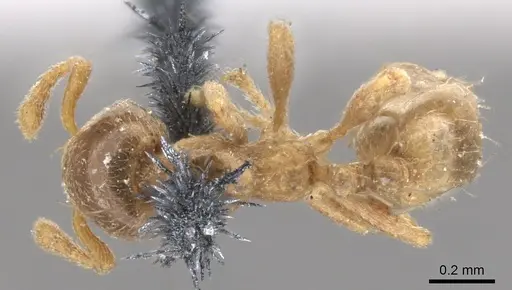
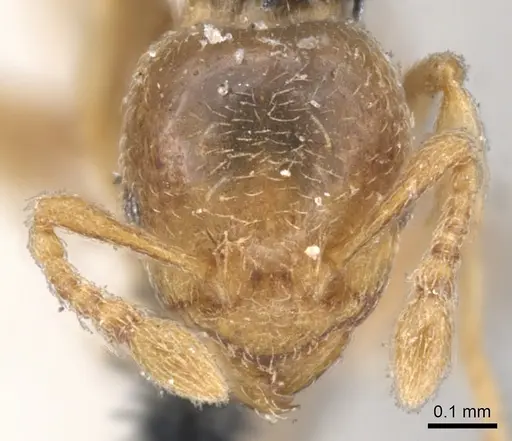
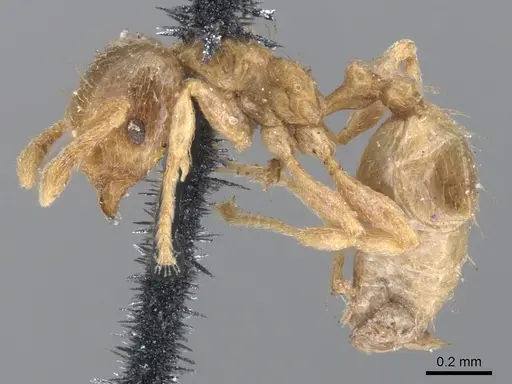
CASENT0916033
View on AntWeb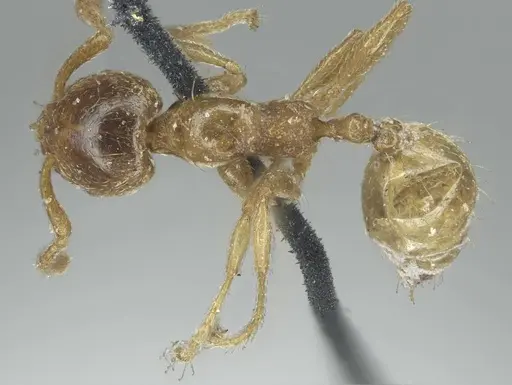
Literature
Loading distribution map...Loading products...