
Alfaria simulans
- Sci. Name
- Alfaria simulans
- Tribe
- Ectatommini
- Subfamily
- Ectatomminae
- Author
- Emery, 1896
- Distribution
- Found in 6 countries
Introduction
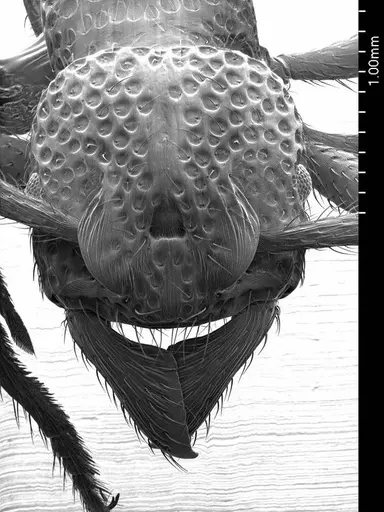
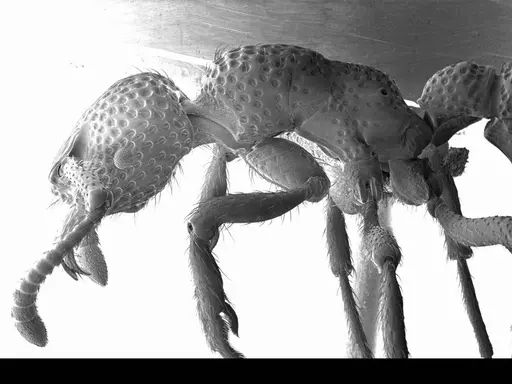
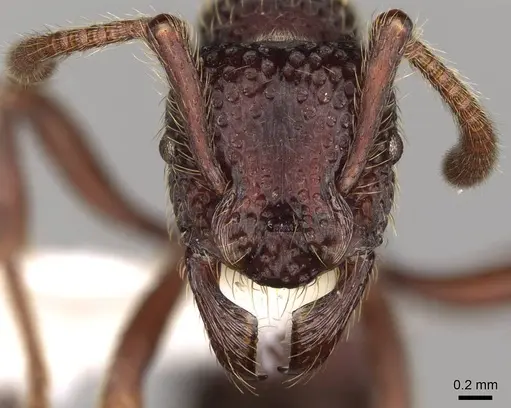
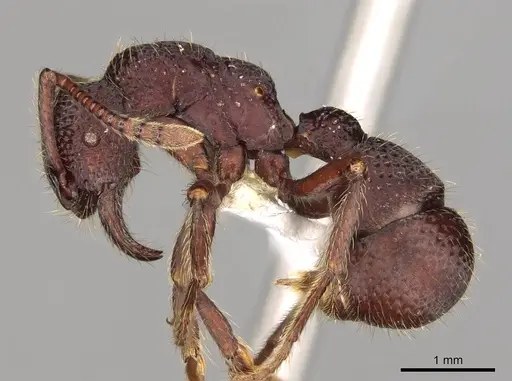
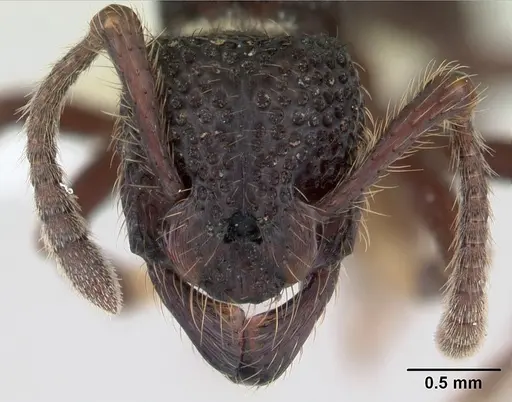
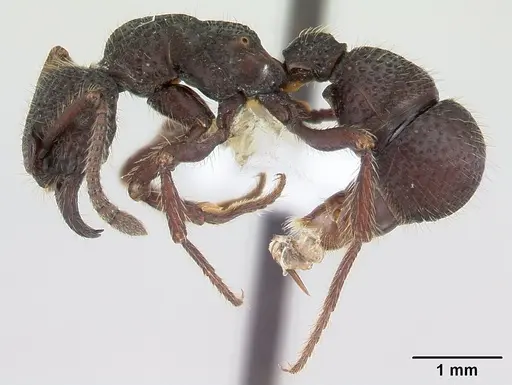
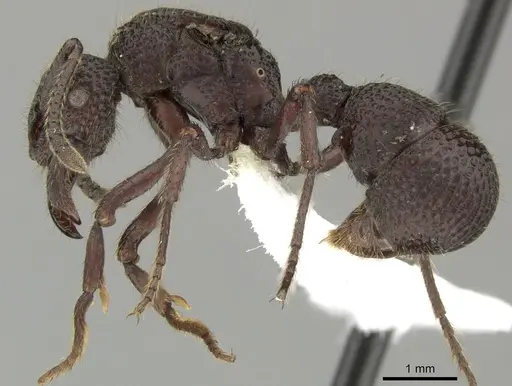
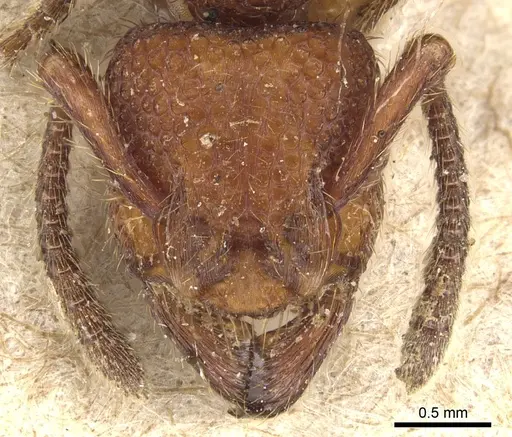
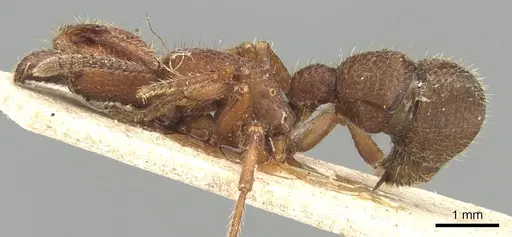
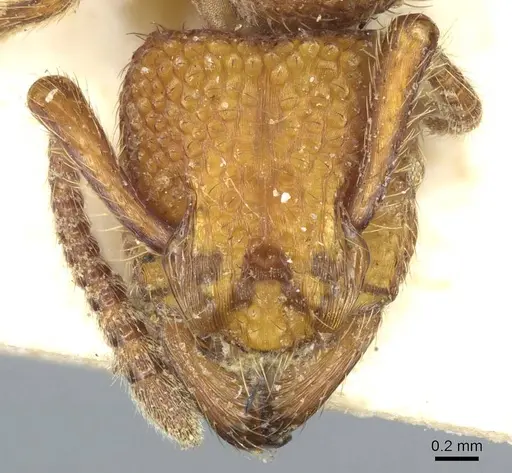
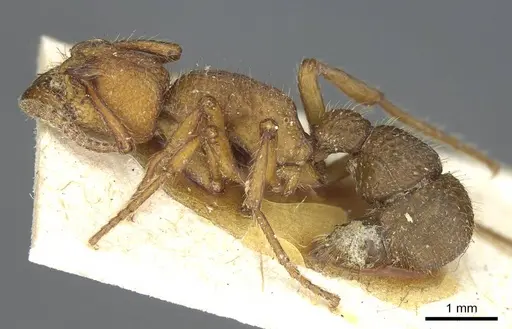
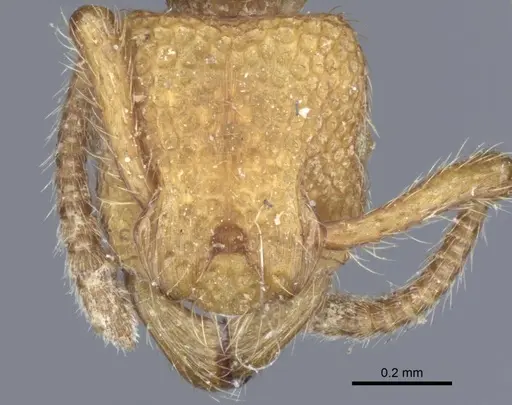
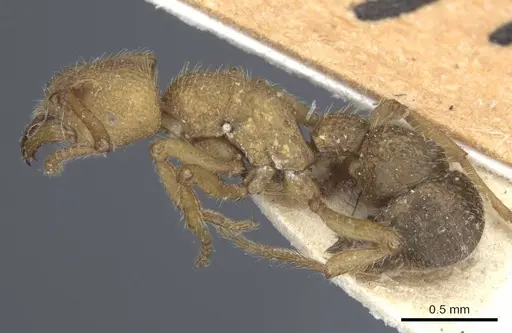
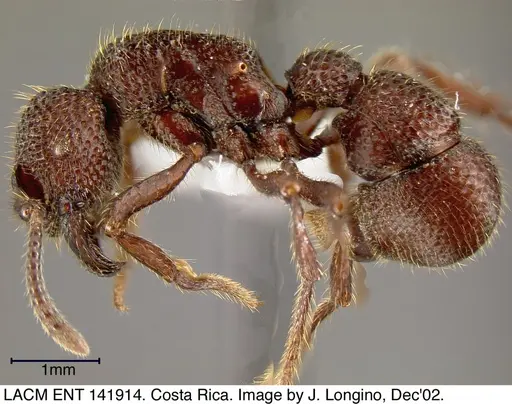
Alfaria simulans is a small, soil-dwelling ant native to the Neotropical region, ranging from southern Mexico through Costa Rica . Formerly classified as Gnamptogenys simulans, this species was recently returned to the genus Alfaria based on phylogenomic studies . Workers show a characteristic sculpturing pattern: the body surface is finely striolate and covered with piligerous foveolae (small pits bearing hairs), giving them a distinctive textured appearance . They are hypogean ants, meaning they live underground in soil, and are described as slow-moving and fearful . The most challenging aspect of keeping Alfaria simulans is their specialized diet and dramatic defense behavior. When their nest is disturbed, these ants immediately play dead (thanatosis), remaining completely motionless until the threat passes . They are specialized predators of millipedes (Diplopoda) and annelid worms , making them one of the more difficult ant species to maintain in captivity.
Quick Summary
- Difficulty: Expert
- Origin & Habitat: Neotropical region (southern Mexico to Costa Rica), soil-dwelling in tropical forests [1][2]
- Colony Type: Single-queen colonies likely, specific colony structure unconfirmed
- Size & Growth:
- Queen: size data unavailable
- Worker: size data unavailable
- Colony: likely small to moderate based on related Alfaria species
- Growth: Slow (estimated based on specialized predatory lifestyle)
- Development: Unconfirmed (Timeline is inferred from related species, actual development may vary based on temperature and diet quality)
- Antkeeping:
- Temperature: 22-26°C, tropical species requiring stable warmth year-round (unconfirmed, start here and adjust based on activity)
- Humidity: High, nest substrate should remain consistently moist but not waterlogged, mimicking tropical soil conditions
- Diapause: No, tropical distribution indicates no winter rest required [2]
- Nesting: Subterranean, requires enclosed, dark soil-based nests with minimal disturbance [4]
- Behavior: Slow-moving, cryptic, and non-aggressive, exhibits thanatosis (playing dead) when threatened [4]. Their small size means escape prevention must be excellent.
- Common Issues: sourcing millipedes and annelids for specialized diet is difficult and expensive., stress from light and handling causes them to freeze or play dead for extended periods., slow growth and development requires patience and minimal nest disturbance., tiny size means excellent escape prevention is essential.
Taxonomic History and Identification
Alfaria simulans has undergone recent taxonomic changes that may confuse keepers researching care information. Originally described as Alfaria simulans by Emery in 1896,the species was later moved to Alfaria simulans [1]. In 2022,phylogenomic studies returned it to the genus Alfaria [1]. The synonym Alfaria simulans (formerly Alfaria simulans) was synonymized under A. simulans in 2016 after morphological studies found insufficient differences to separate the two [1].
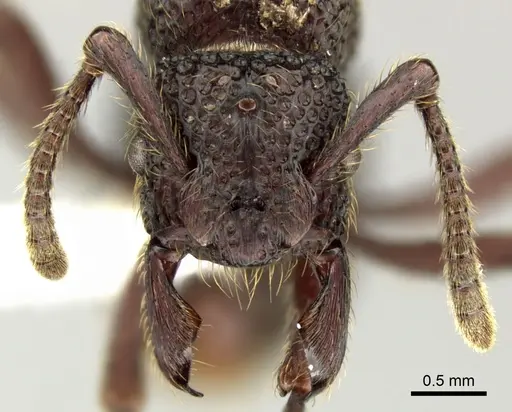
Identification relies on subtle morphological features. Workers show very fine striolation (grooves) across most body surfaces, covered with piligerous foveolae (hair-bearing pits) [3]. The clypeal lamella has a broad median concavity when viewed from above, and the metacoxal dorsum lacks spines [3]. The eyes are not prominent and are broadly convex, and the anterior clypeal margin is broadly convex [7]. These features distinguish them from similar small Ectatomminae.
Natural History and Behavior
These ants are hypogean, meaning they live underground in soil and rarely come to the surface [4]. When collectors open their nests, the ants immediately play dead (thanatosis), remaining completely motionless [4]. This same behavior was observed in related species from Colombia, suggesting it is a genus-wide defense mechanism [4].
They are described as fearful and slow-moving compared to more active surface-foraging ants [4]. This cryptic lifestyle means captive colonies should be kept in dark, undisturbed conditions. Frequent nest checks or bright lights cause stress and may lead to the ants freezing in place for extended periods, refusing to move or feed.
Feeding and Diet
The greatest challenge in keeping Alfaria simulans is their specialized diet. Research identifies them as predators of millipedes (Diplopoda) and annelid worms [5][6]. Unlike generalist ants that accept sugar water, honey, and standard feeder insects, these ants appear to require soft-bodied prey with specific chemical profiles.
Captive keepers must source small millipedes, pot worms (Enchytraeidae), or other small annelids. While they may experimentally accept other soft-bodied prey like springtails or fruit fly larvae, success is uncertain. Do not rely on typical ant foods like honey or sugar water, these are not documented as part of their natural diet and may be ignored or cause problems if they mold in the humid conditions these ants require.
Housing and Nest Requirements
As soil-dwelling ants, Alfaria simulans requires naturalistic setups with substrate rather than standard test tube setups, though test tubes may work temporarily for founding queens. Provide a nest area with moist soil or a plaster or similar material that maintains humidity without flooding.
The nest must be kept dark and covered, as these ants are sensitive to light. Because they are small, escape prevention must be excellent, use fine mesh barriers and tight-fitting lids. A heating cable placed on one side of the nest (never underneath, to avoid condensation issues) can create a gentle gradient, though specific temperature preferences remain unconfirmed. [4]
Colony Founding and Development
Founding behavior has not been directly documented in Alfaria simulans. Queens likely seal themselves in a chamber (claustral founding) and raise the first generation of workers alone on stored body fat reserves, though this is unconfirmed. This means founding queens should be left completely undisturbed in a dark, humid setup.
The egg-to-worker timeline is unknown. Based on related tropical Ectatomminae, expect roughly 8-12 weeks at 24-26°C, though this is an estimate. First workers (nanitics) may be smaller than subsequent generations. Growth is likely slow due to the specialized diet and predatory lifestyle.
Temperature and Environmental Care
Coming from tropical regions of Central America, Alfaria simulans likely requires stable warm temperatures between 22-26°C [1][2]. They do not require hibernation (diapause) and should be kept at consistent temperatures year-round.
Humidity is critical for these soil-dwelling ants. The nest substrate should feel damp to the touch but not waterlogged. Provide adequate ventilation to prevent mold while maintaining high humidity, stagnant air kills colonies, but so does dry substrate. Rehydrate based on substrate moisture levels rather than a fixed schedule.
Frequently Asked Questions
What do Alfaria simulans eat?
They are specialized predators of millipedes (Diplopoda) and annelid worms [5][6]. They cannot survive on standard ant foods like sugar water and fruit flies alone. You must provide small live millipedes, pot worms, or similar soft-bodied prey.
Are Alfaria simulans good for beginners?
No. Their specialized diet requiring live millipedes or worms, cryptic underground behavior, and sensitivity to disturbance make them suitable only for expert keepers with access to unusual prey and experience with sensitive species.
Do Alfaria simulans need hibernation?
No. They come from tropical regions (Mexico to Costa Rica) and do not require a winter rest period. Keep them at stable warm temperatures year-round, roughly 22-26°C.
Why do my Alfaria simulans play dead?
This is thanatosis, a defense mechanism where ants freeze and remain motionless to avoid detection by predators. When disturbed, they immediately play dead and will remain still until they feel safe [4]. Minimize handling and light exposure to reduce stress.
How long until Alfaria simulans get their first workers?
The egg-to-worker timeline is unconfirmed. Based on related Ectatomminae species, expect roughly 8-12 weeks at 24-26°C, though this may vary based on temperature and diet quality.
Can I keep Alfaria simulans in a test tube?
Test tubes may work for founding queens temporarily, but these soil-dwelling ants prefer naturalistic setups with substrate. If using test tubes, keep them completely dark and undisturbed, and move to a soil-based nest once workers arrive.
How big do Alfaria simulans colonies get?
Colony size is unknown. Based on related Alfaria species, they likely remain small to moderate, possibly reaching a few hundred workers at most. They are not fast-growing species.
Do Alfaria simulans sting?
They possess a functional stinger with a compact, slightly curved morphology [8], but given their small size and timid nature, they are not considered dangerous to humans. They likely use their stinger to subdue soft-bodied prey like worms and millipedes.
Can I keep multiple Alfaria simulans queens together?
Not recommended. While specific studies are lacking, Ectatommini are typically single-queen colonies. Combining multiple queens likely leads to fighting and mortality.
Why are my Alfaria simulans dying?
Common causes include incorrect diet (they need millipedes/annelids, not just sugar water), excessive light or disturbance causing stress-induced thanatosis, or improper humidity (they need moist soil conditions, not dry setups).
Report an Issue
The current care sheet is based fully on literature. See inconsistencies, or something that's incorrect? Please , it will be resolved after review from an admin. Contributing to the blogs tab also helps providing information, to make us be able to further improve the caresheets. Thank you for your support!
References

This caresheet is licensed under CC BY-SA 4.0 .
Community Blogs
ANTWEB1008529
View on AntWeb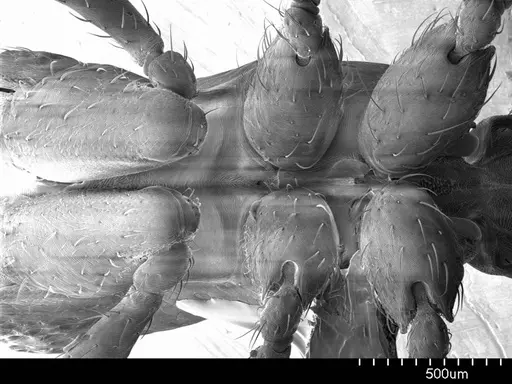
CASENT0281522
View on AntWeb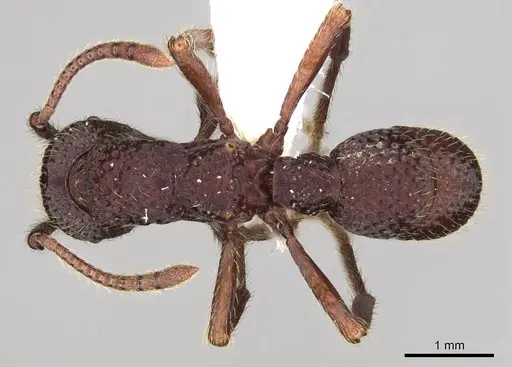
CASENT0603729
View on AntWeb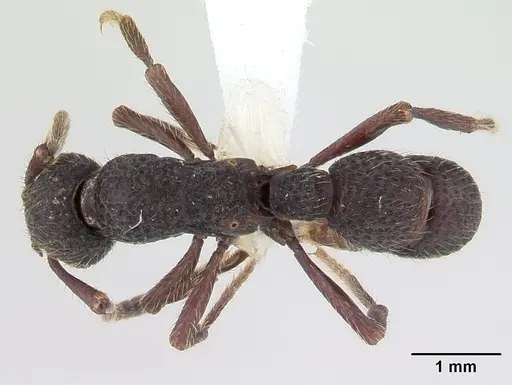
CASENT0617577
View on AntWeb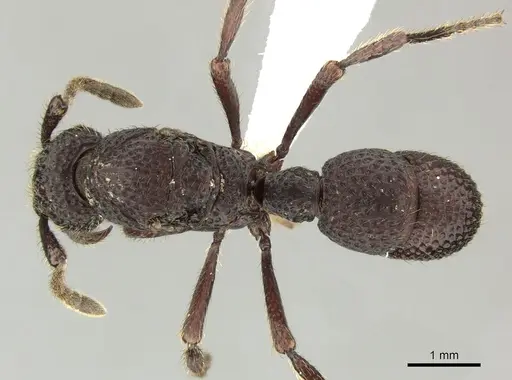
CASENT0903848
View on AntWeb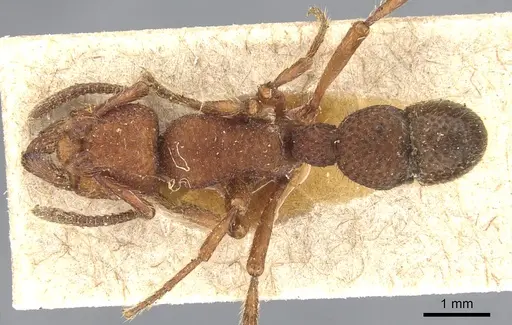
CASENT0915916
View on AntWeb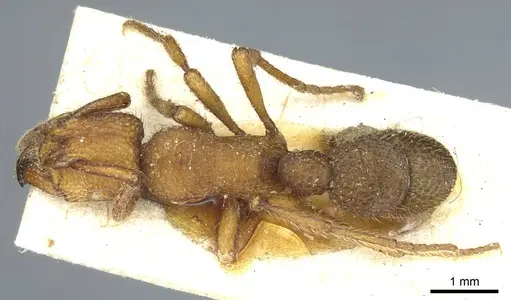
CASENT0916804
View on AntWeb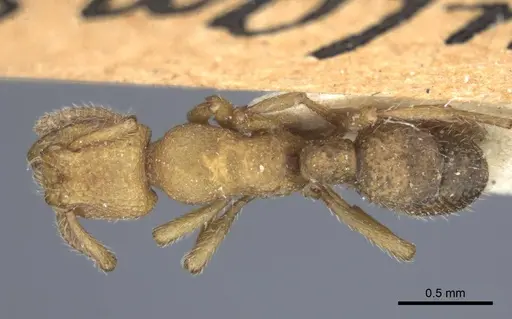
LACMENT141914
View on AntWeb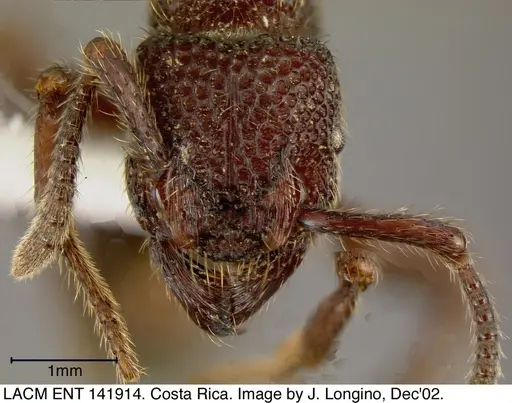
LACMENT141922
View on AntWeb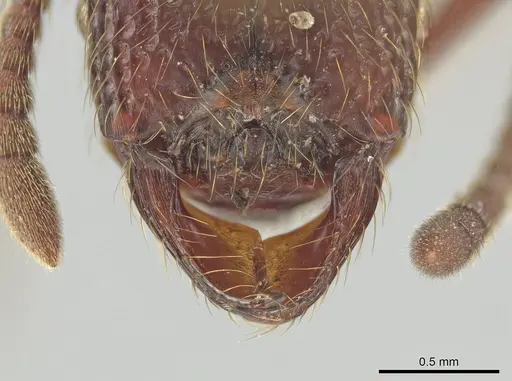
Literature
Loading distribution map...Loading products...