
Alfaria minuta
- Sci. Name
- Alfaria minuta
- Tribe
- Ectatommini
- Subfamily
- Ectatomminae
- Author
- Emery, 1896
- Distribution
- Found in 10 countries
Introduction
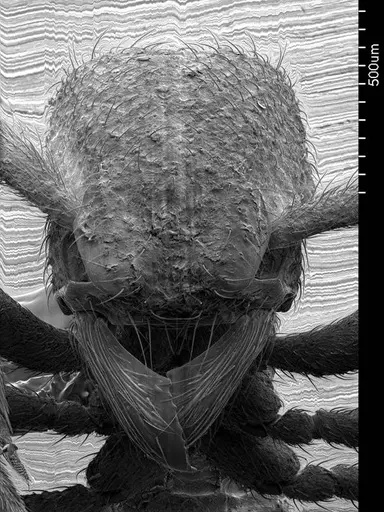
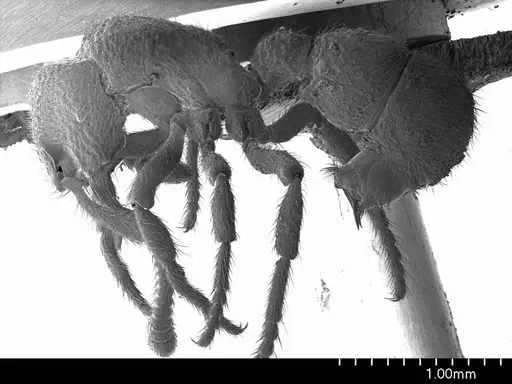
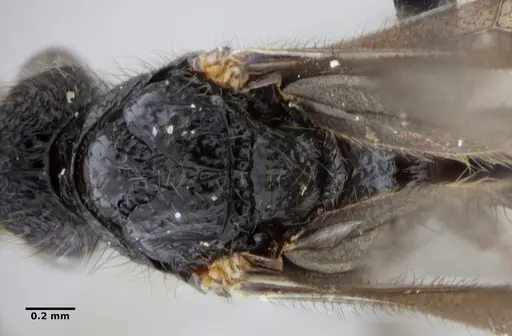
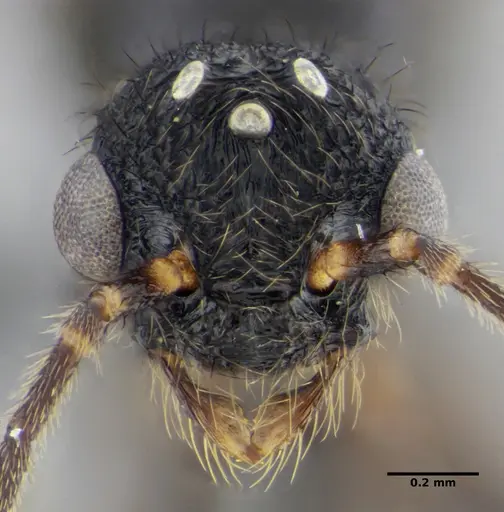
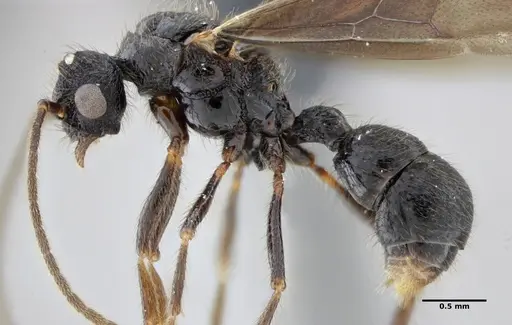
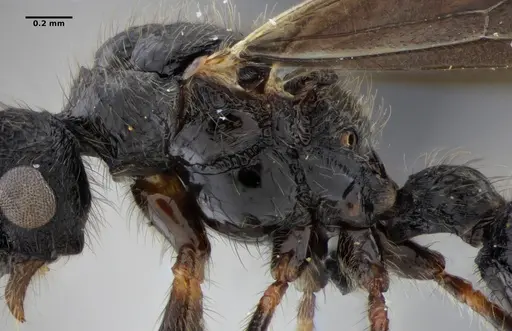
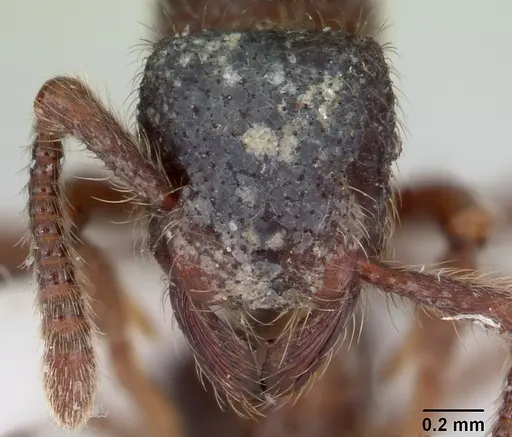
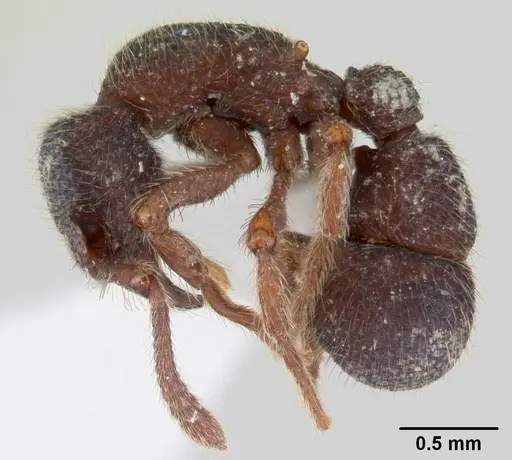
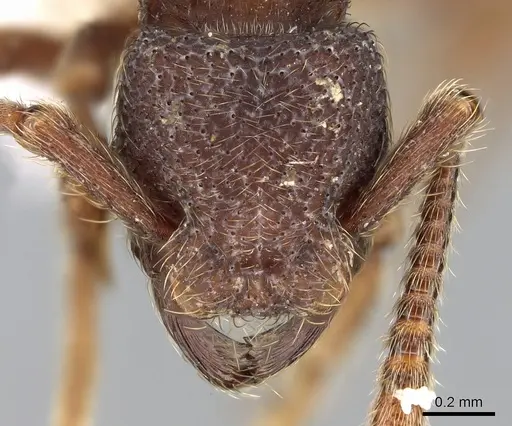
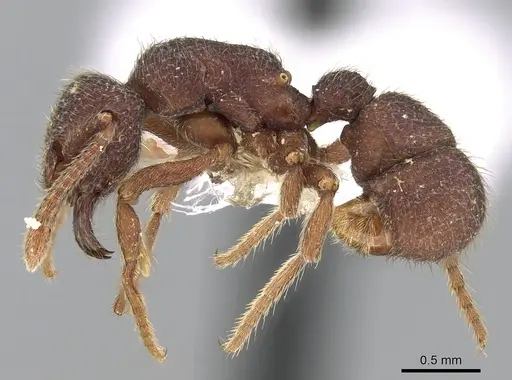
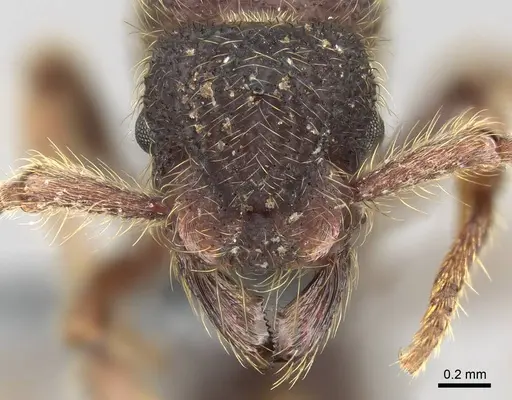
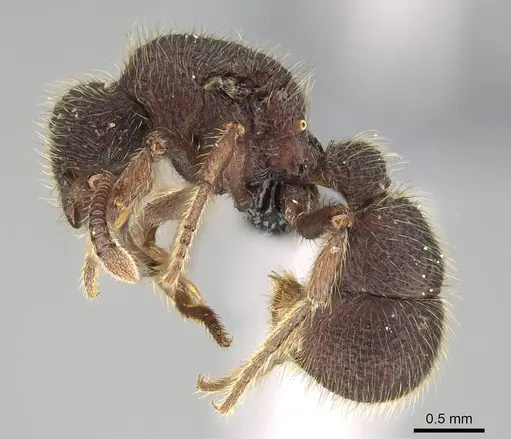
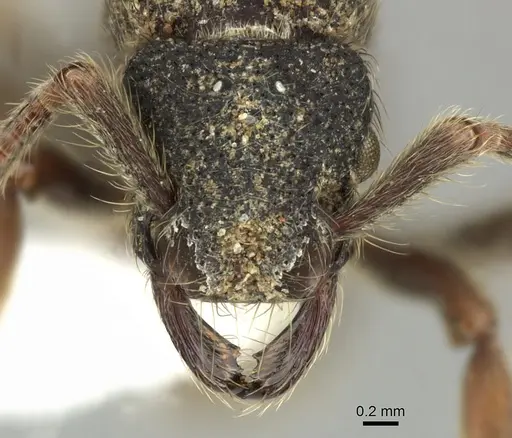
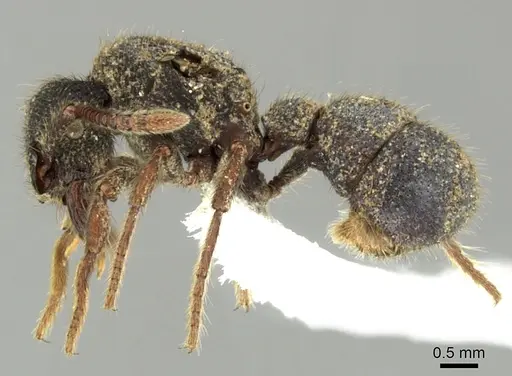
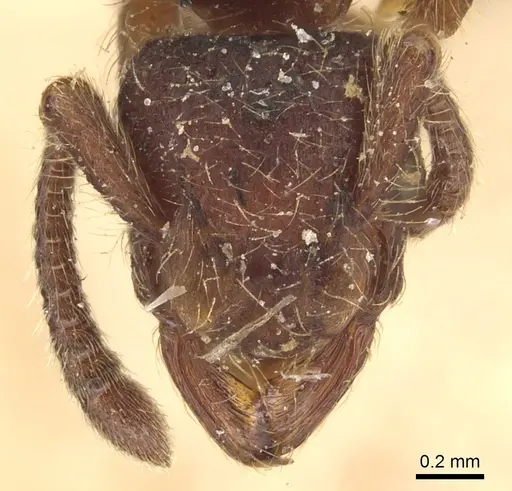
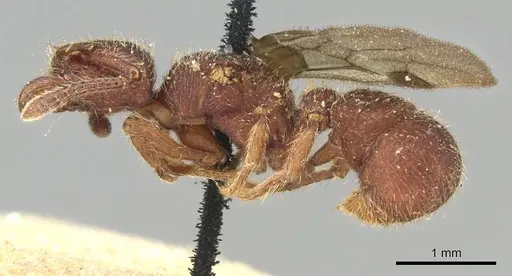
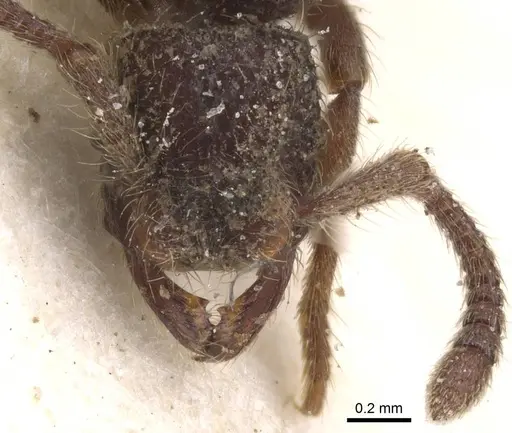
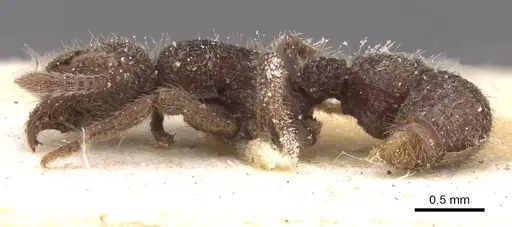
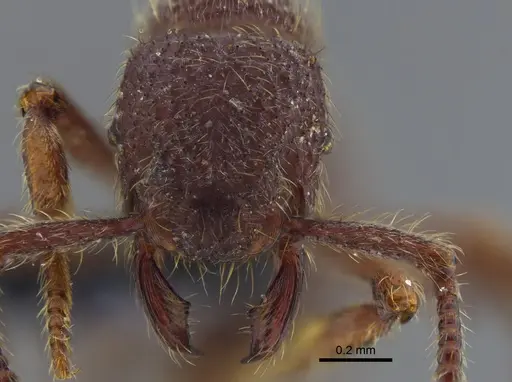
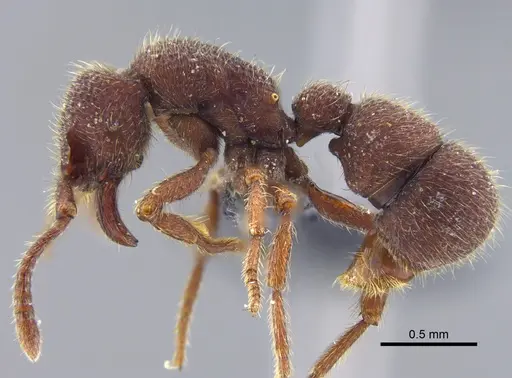
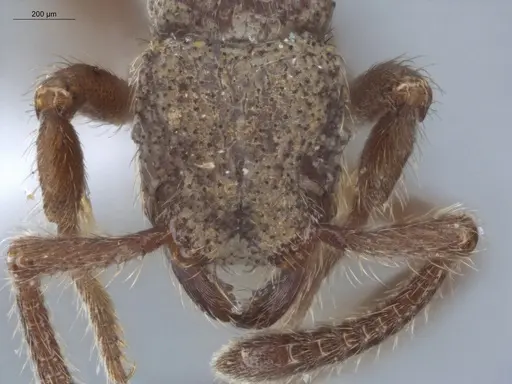
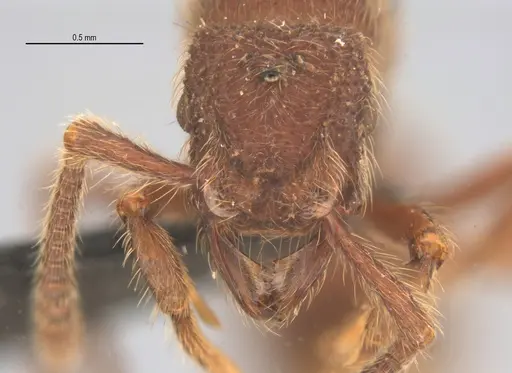
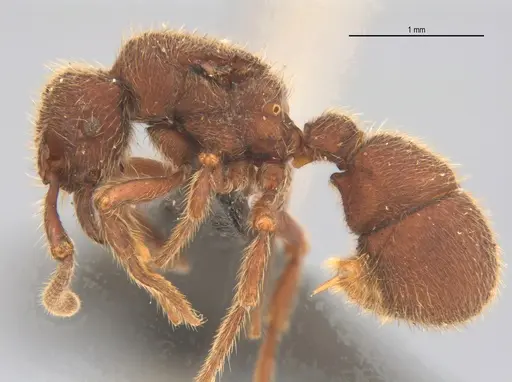
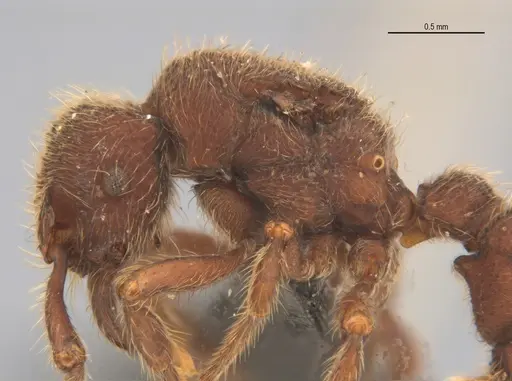
Alfaria minuta are tiny reddish-brown ants native to the Neotropical region, ranging from Mexico to Brazil . Workers measure approximately 2.8 mm while queens reach about 3.2 mm . They have a distinctive opaque, finely granular body texture with small elevated spiracles on the propodeum . Unlike most Gnamptogenys species that prefer nesting in decomposing wood, these ants are subterranean nesters that dig chambers in soil, often under stones . They inhabit humid primary and secondary forests up to 1,300 meters elevation and are considered uncommon, typically collected from leaf litter samples rather than observed foraging . These ants have a compact, slightly curved stinger . In the wild, colonies have been found nesting under grapefruit-sized stones in single-chambered soil excavations , and occasionally in abandoned termite nests on the forest floor . Their small size and soil-dwelling habits make them challenging to observe in captivity.
Quick Summary
- Difficulty: Hard
- Origin & Habitat: Neotropical humid forests from Mexico to Brazil, in primary and secondary forest up to 1,300 m elevation [1][3].
- Colony Type: Unknown, colony structure (monogyne or polygyne) has not been documented in available research.
- Size & Growth:
- Antkeeping:
- Temperature: Warm tropical conditions, roughly 24-28°C based on their humid forest habitat [3].
- Humidity: High humidity with moist soil, keep the nesting substrate damp but not waterlogged [3].
- Diapause: Unlikely required as a tropical species.
- Nesting: Soil-based naturalistic setups with stones or flat rocks for nest construction [5][6].
- Behavior: Cryptic soil-dwellers that forage on the ground, possess a functional stinger but their small size makes them unlikely to penetrate human skin effectively [7][2].
- Common Issues: tiny 2.8 mm workers can escape through the smallest gaps and require excellent barriers., soil nesting makes it difficult to monitor brood and queen health., colonies may remain small, one observed nest contained only 24 workers., likely require small live prey which can be difficult to source.
Taxonomy and Classification
Alfaria minuta was originally described by Emery in 1896 and has undergone several taxonomic revisions. It was previously placed in the genus Gnamptogenys as Alfaria minuta, but molecular phylogenetic studies moved it to the revived genus Alfaria in 2022 [9]. The species has numerous junior synonyms including Alfaria minuta, emeryi, mus, and panamensis [9].
Natural History and Nest Architecture
These ants are specialized subterranean nesters. A nest uncovered in a Venezuelan cocoa plantation was found under a grapefruit-sized stone with a cusp-shaped structure, consisting of a single chamber dug out from the soil [5]. This contrasts sharply with most Gnamptogenys species that nest in decomposing wood [5][6]. They have also been found in abandoned arboreal termite nests that had fallen to the soil surface [8]. Their preference for nesting under stones suggests they require some form of cover and stable soil conditions.
Morphology and Defense
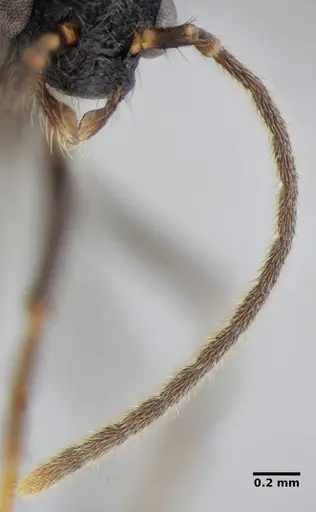
Workers measure approximately 2.8 mm in length, with dark reddish-brown coloration and opaque, granular sculpturing [2][3]. The propodeal spiracles are elevated and form small tubes [3][4]. They possess a stinger that is compact and slightly curved [7]. While they can sting, their minute size means they pose little threat to humans.
Habitat and Distribution
Alfaria minuta is widely distributed across the Neotropics, recorded from Mexico through Central America to Brazil, Bolivia, and the Guianas [1][10]. They inhabit humid forested areas, both primary and secondary, at elevations up to 1,300 meters [3][1]. They are considered uncommon ants, typically collected in leaf litter samples rather than seen foraging on the surface [3].
Captive Care Considerations
Due to their small size and soil-nesting biology, Alfaria minuta presents unique challenges. They require a naturalistic setup with soil and stones to construct their single-chamber nests [5]. The tiny worker size necessitates exceptional escape prevention. As members of the subfamily Ectatomminae, they are likely obligate predators of small invertebrates, though specific dietary preferences remain unstudied.
Frequently Asked Questions
Can I keep Alfaria minuta in a test tube?
No, these ants are subterranean soil nesters that dig chambers in the ground [5][6]. A test tube does not provide the substrate they need for nest construction. Use a naturalistic setup with soil and stones instead.
What do Alfaria minuta eat?
Specific diet is unstudied, but as Ectatomminae they are likely predatory. Offer small live prey such as springtails, tiny insects, or fruit flies. Their small size means they need appropriately tiny food items.
How long until Alfaria minuta get their first workers?
The egg-to-worker timeline is unknown for this species.
Do Alfaria minuta need hibernation?
Probably not. They are a tropical species from humid forests between Mexico and Brazil [1]. They likely remain active year-round, though this is unconfirmed in captive studies.
How big do Alfaria minuta colonies get?
One wild nest contained 24 workers [5]. Maximum colony size is unknown but appears to be small.
Can I keep multiple Alfaria minuta queens together?
Colony structure is unknown. Combining multiple queens is not recommended without confirmation of polygyne (multiple-queen) colonies.
Are Alfaria minuta good for beginners?
No. Their tiny size (2.8 mm workers), soil-nesting habits that limit observation, and likely specialized care requirements make them suitable for experienced keepers only.
Do Alfaria minuta sting?
Yes, they possess a stinger [7], but at only 2.8 mm long, they are unlikely to penetrate human skin effectively.
Where can I find Alfaria minuta queens?
Nuptial flight timing is unknown. They are rarely encountered, typically found in leaf litter or under stones in Neotropical forests [3][5].
What temperature do Alfaria minuta need?
Keep them warm, roughly 24-28°C, based on their tropical forest habitat [3]. Avoid temperatures below 20°C.
Report an Issue
The current care sheet is based fully on literature. See inconsistencies, or something that's incorrect? Please , it will be resolved after review from an admin. Contributing to the blogs tab also helps providing information, to make us be able to further improve the caresheets. Thank you for your support!
References

This caresheet is licensed under CC BY-SA 4.0 .
Community Blogs
ANTWEB1008530
View on AntWeb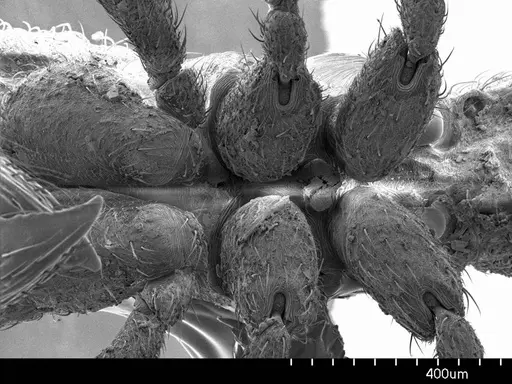
ANTWEB1038053
View on AntWeb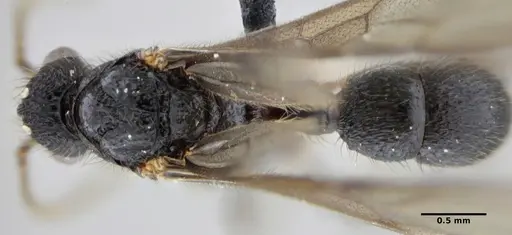
CASENT0178680
View on AntWeb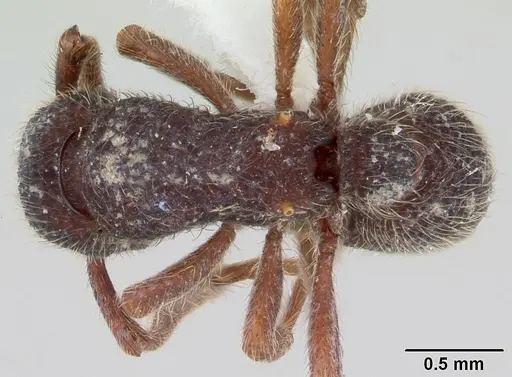
CASENT0281213
View on AntWeb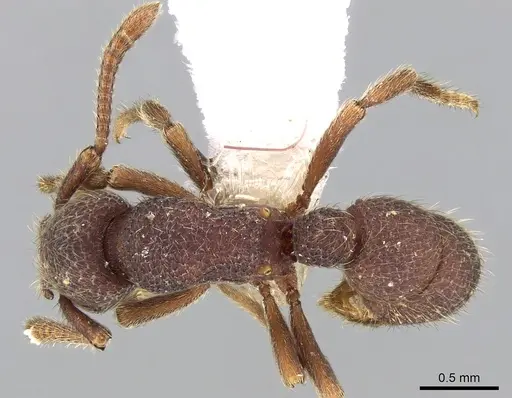
CASENT0374878
View on AntWeb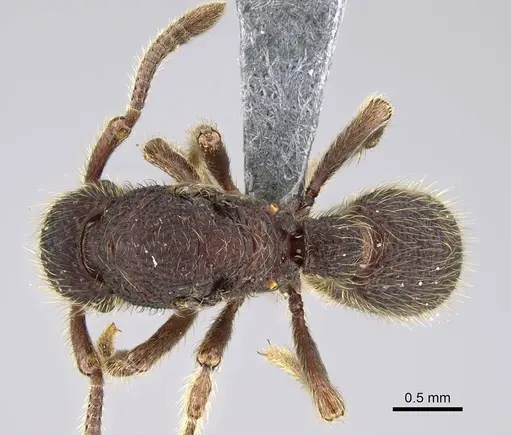
CASENT0617566
View on AntWeb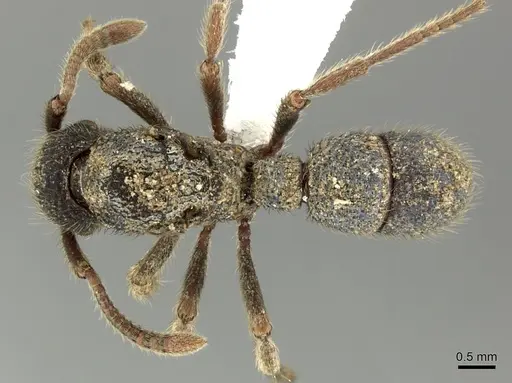
CASENT0903849
View on AntWeb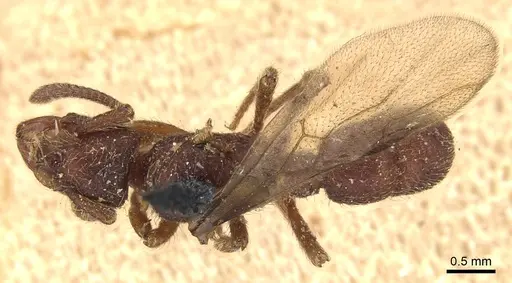
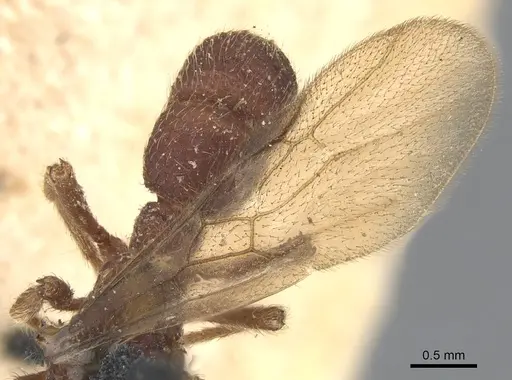
CASENT0907194
View on AntWeb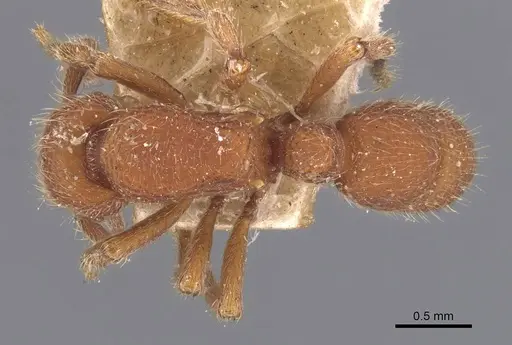
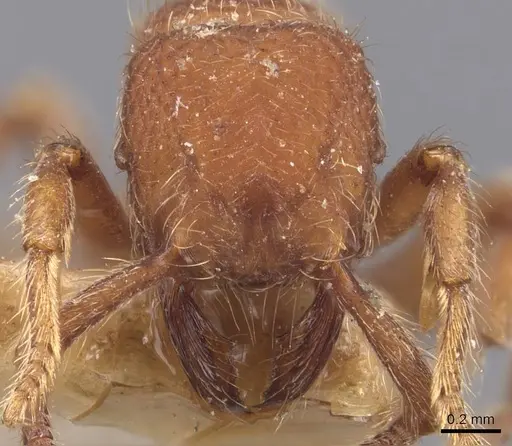
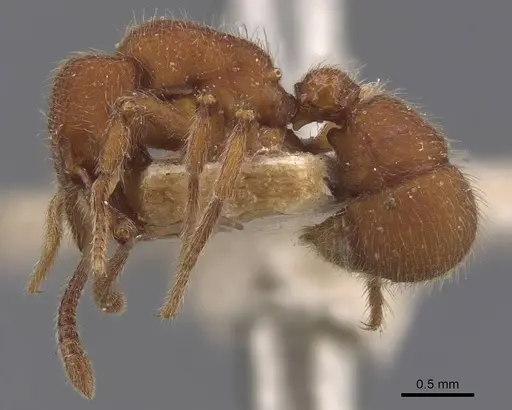
CASENT0915118
View on AntWeb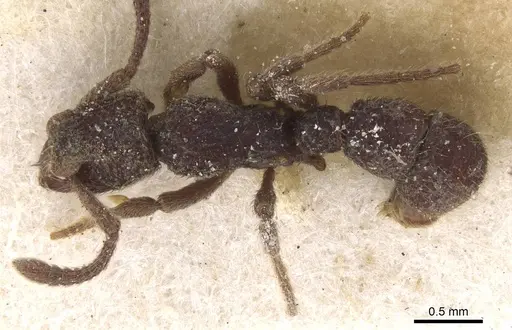
CBUMAGENT41740
View on AntWeb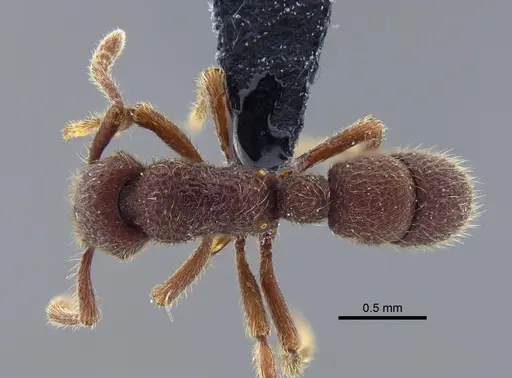
ECOFOG-KW14-0038-27
View on AntWeb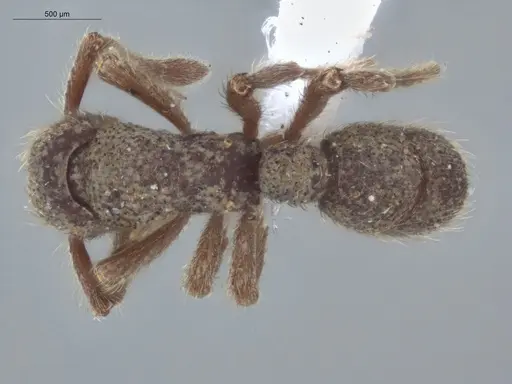
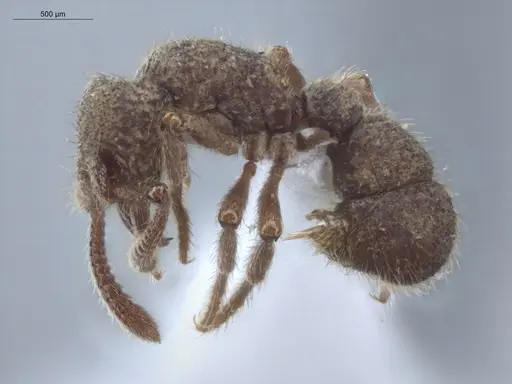
LACMENT141902
View on AntWeb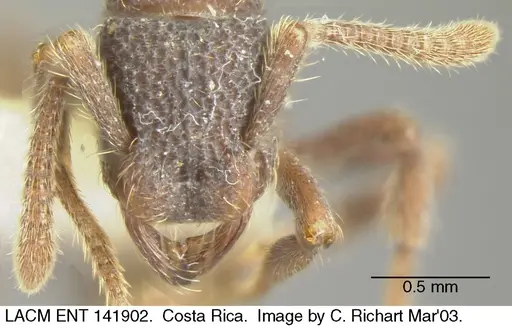
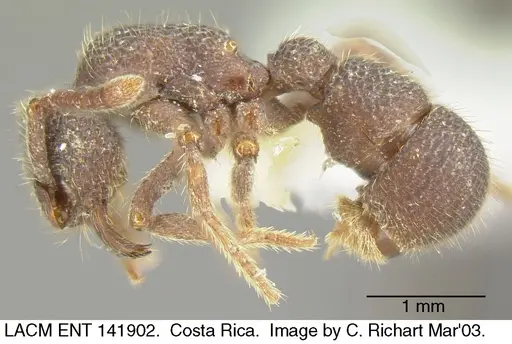
UFV-LABECOL-005675
View on AntWeb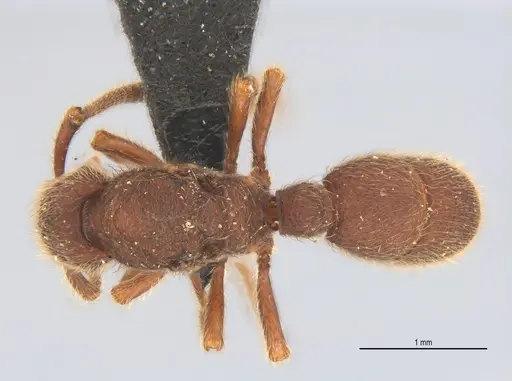
Literature
Loading distribution map...Loading products...