
Aenictus fergusoni
- Sci. Name
- Aenictus fergusoni
- Subfamily
- Dorylinae
- Author
- Forel, 1901
- Distribution
- Found in 2 countries
Introduction
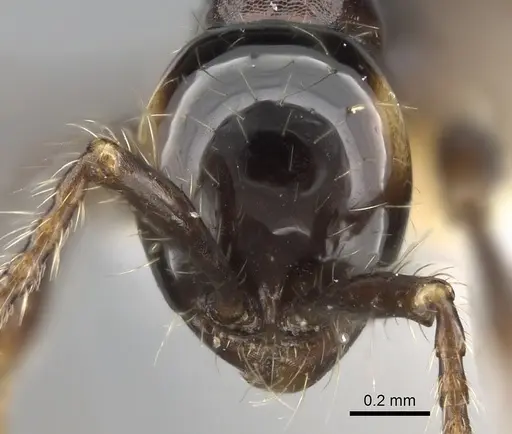
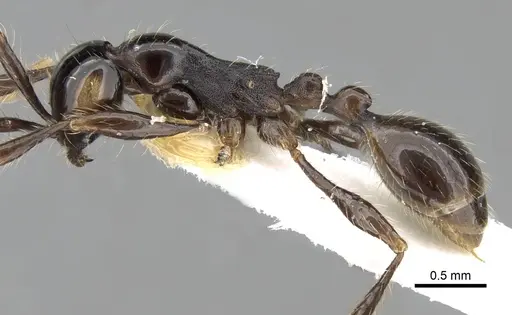
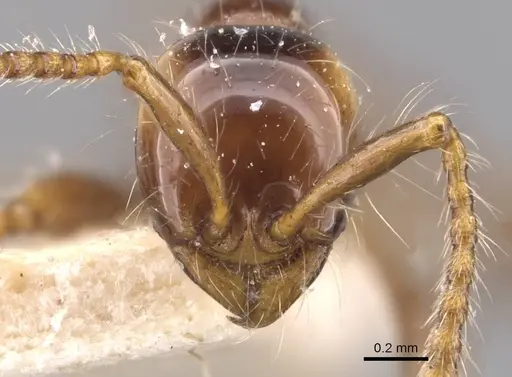
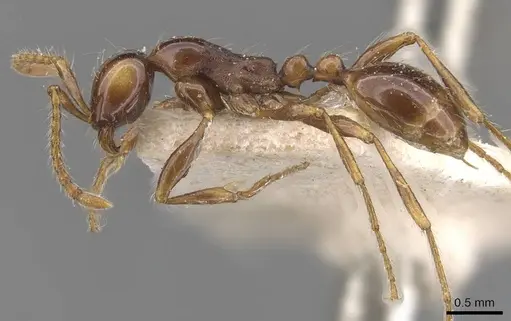
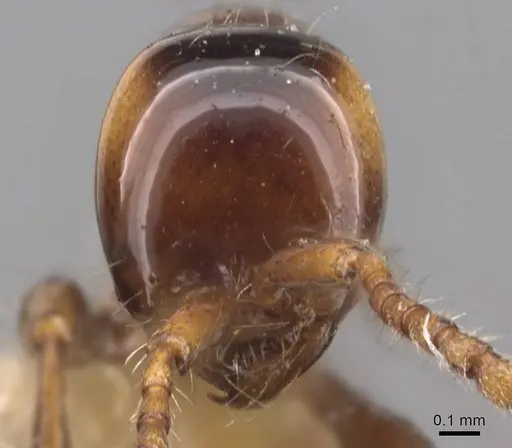
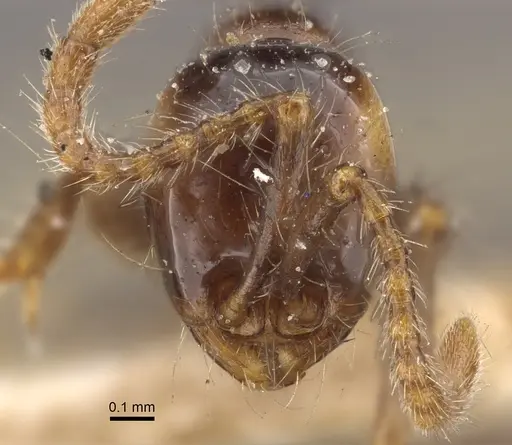
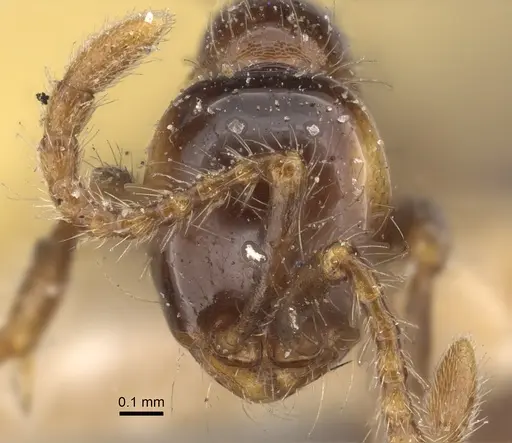
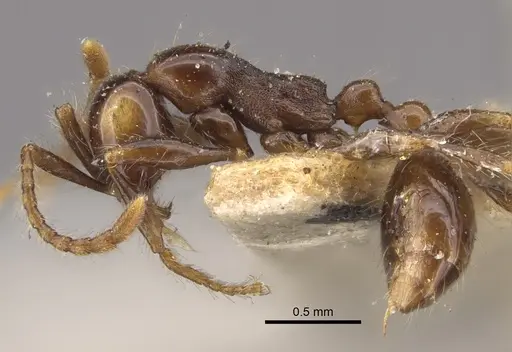
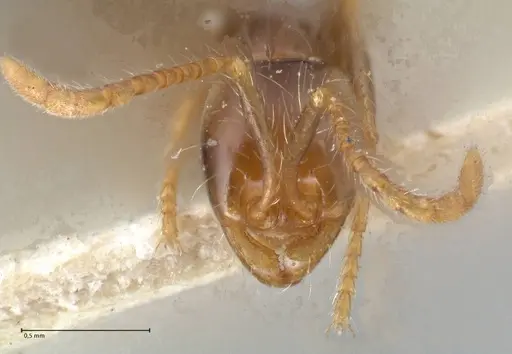
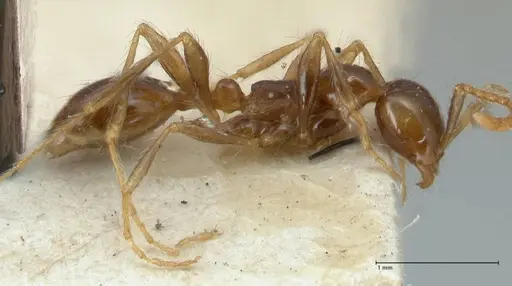
Aenictus fergusoni is a small army ant found across South and Southeast Asia, from southern India north to Darjeeling and Assam, east through Myanmar and Thailand to Java. Workers measure 3.5-4.5 mm and are reddish brown with distinctive yellow spots on their heads called Typhlatta spots . This species is remarkable for being recorded on Great Nicobar Island, over 160 km from the nearest mainland . They inhabit montane forests at elevations between 900 and 2400 meters . Unlike any other ant studied, they possess a unique chemical defense: their metapleural gland produces secretions that are not acidic, making them the only known exception to this universal ant trait . Only worker ants have ever been documented for this species; no queens or males are known . As a true army ant in the subfamily Dorylinae, they live a nomadic lifestyle, constantly moving through leaf litter to raid prey. They have been observed conducting raids on Pseudolasius ant nests in Khao Yai National Park, Thailand . Their colonies form temporary bivouacs rather than permanent nests. This combination of unknown reproductive castes, obligate predatory behavior, and nomadic lifestyle makes them completely unsuitable for captive ant keeping.
Quick Summary
- Difficulty: Expert
- Origin & Habitat: Montane forests of India, Myanmar, Thailand, and the Nicobar Islands at elevations of 900-2400 meters above sea level [3][1][7].
- Colony Type: Unknown, only the worker caste has been documented, queen number and colony structure remain unconfirmed [6].
- Size & Growth:
- Antkeeping:
- Temperature: Estimated 20-24°C based on montane habitat at 900-2400m elevation [3].
- Humidity: High humidity required, keep substrate damp but not waterlogged to simulate forest floor conditions.
- Diapause: Unknown, tropical montane species may slow activity during cooler months but true hibernation status is unconfirmed.
- Nesting: Army ants form temporary bivouacs rather than permanent nests, they require large enclosures with substrate to roam and form temporary camps.
- Behavior: Nomadic army ant behavior with documented raids on Pseudolasius ant nests [6], small size (3.5-4.5 mm) creates high escape risk requiring excellent barriers.
- Common Issues: no queens are known, making it impossible to found a colony, any collected workers will eventually die without replacement., require constant supply of live prey ants and other small arthropods to survive., small worker size means they escape through tiny gaps and mesh., nomadic lifestyle requires massive enclosure space that is impractical for most keepers., wild-collected colonies may carry parasites or pathogens from their original habitat.
The Queen Problem: Why Standard Keeping Is Impossible
You cannot keep Aenictus fergusoni in a traditional ant farm because no queens have ever been found for this species [6]. Without a queen, workers cannot reproduce, meaning any colony you collect is doomed to slowly die out as workers age and die without replacement. This makes the species unsuitable for standard ant keeping where the goal is to watch a colony grow from a single queen.
Even if you collect a large fragment of a wild colony, you face the problem of replacement. Army ant colonies can live for years, but individual workers only live for weeks to months. Without the ability to produce new workers through a queen or brood raising, your colony will inevitably decline to zero. This fundamental biological barrier makes Aenictus fergusoni a species for observation and research only, not for long-term captive keeping.
Army Ant Lifestyle and Bivouac Formation
Unlike ants that build permanent nests in soil or wood, Aenictus fergusoni lives a nomadic lifestyle typical of army ants. They form temporary living structures called bivouacs, where workers link their bodies together to create a protective mass around the brood and any reproductive individuals.
In captivity, this means they need a very large enclosure with plenty of substrate and surfaces to allow them to form these temporary camps. A standard test tube or small formicarium will not work. They need space to roam, forage, and reorganize their living structure regularly. The enclosure must also maintain high humidity while providing adequate ventilation to prevent mold in the damp conditions they prefer.
Feeding Requirements: Obligate Predation
Aenictus fergusoni is an obligate predator that raids the nests of other ants and small arthropods. They have been specifically documented attacking nests of Pseudolasius species in Thailand [6]. This means you cannot feed them sugar water or honey alone, they require live prey.
Keeping these ants would require a constant supply of other ant colonies or small insects to raid. This creates an ethical and practical problem: you would need to maintain colonies of prey ants specifically to feed them, and the army ants will decimate these prey colonies quickly. Their predatory nature makes them difficult to sustain in captivity without extensive resources and space.
Unique Chemical Defense
Aenictus fergusoni holds a unique place in ant biology. All other ants studied have acidic secretions from their metapleural glands, but this species produces non-acidic secretions [4][5].
Scientists do not yet know what chemicals they produce instead, or why this species evolved this different defense mechanism. For keepers, this means their chemical defenses may behave differently from other ants if threatened, though the practical implications for handling are minimal given their small size.
Natural Habitat and Climate
These ants inhabit montane forests across South and Southeast Asia, living at elevations between 900 and 2400 meters [3]. This elevation suggests they prefer cooler, stable temperatures rather than hot lowland tropical conditions. They have been found in both wet and dry zones of Sri Lanka [8], and in various forest types from India to Java [1].
In captivity, you should aim for moderate temperatures around 20-24°C, avoiding the high heat that many tropical ants prefer. Their habitat on forest floors and in rotting wood suggests they require high humidity and damp substrate conditions. They are ground-dwelling ants, collected through soil sifting in Sri Lankan forests [9], indicating they live in the leaf litter and soil layers rather than in trees.
Frequently Asked Questions
Can I keep Aenictus fergusoni in a test tube?
No. Test tubes are designed for single queens founding colonies. Aenictus fergusoni has no known queens, and as army ants, they require large spaces to form temporary bivouacs and roam while hunting. A test tube would be completely unsuitable for their biology [6].
How long until Aenictus fergusoni get their first workers?
This is unknown and impossible to determine for captive keeping because no queens have ever been found for this species. Without a queen, no new workers can be produced [6].
Can I keep multiple Aenictus fergusoni queens together?
This question cannot be answered because queens have never been documented for this species. Whether they are monogyne or polygyne remains unknown [6].
What do Aenictus fergusoni eat?
They are obligate predators that raid other ant nests. They have been observed attacking Pseudolasius species in the wild [6]. They require live prey, specifically other ants and small arthropods, and cannot survive on sugar sources alone.
Are Aenictus fergusoni good for beginners?
No. They are unsuitable for beginners or even most experienced keepers because they have no known queens, require constant live prey, need massive enclosures to accommodate their nomadic lifestyle, and will eventually die out in captivity [6].
Do Aenictus fergusoni need hibernation?
Their hibernation requirements are unknown. They live in tropical and subtropical montane regions at 900-2400m elevation where temperatures are moderate year-round [3]. They may slow activity during cooler months, but true diapause is unconfirmed.
Why are my Aenictus fergusoni dying?
If you have collected wild workers, they are dying because there is no queen to replace them as workers age. Army ant workers have finite lifespans, and without brood or a queen to produce new workers, the colony will inevitably decline to zero. Other causes include inadequate humidity, lack of appropriate live prey, or enclosure that is too small for their nomadic behavior.
Report an Issue
The current care sheet is based fully on literature. See inconsistencies, or something that's incorrect? Please , it will be resolved after review from an admin. Contributing to the blogs tab also helps providing information, to make us be able to further improve the caresheets. Thank you for your support!
References

This caresheet is licensed under CC BY-SA 4.0 .
Community Blogs
CASENT0281962
View on AntWeb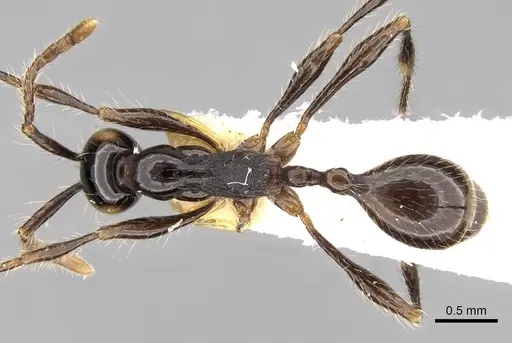
CASENT0905998
View on AntWeb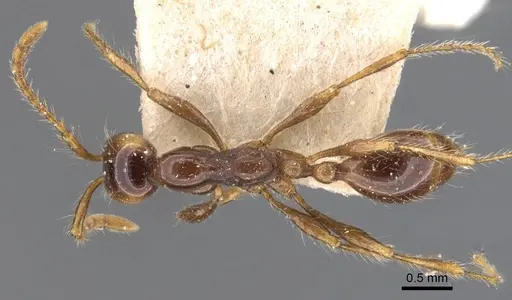
CASENT0907001
View on AntWeb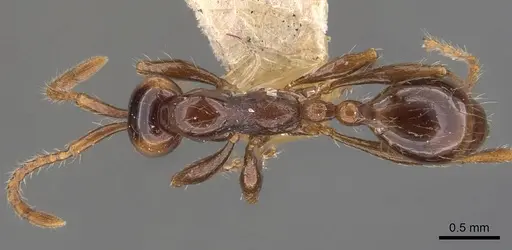
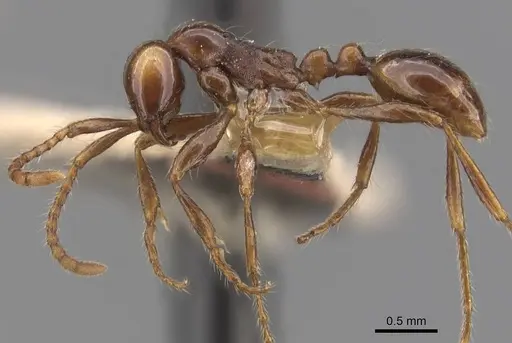
CASENT0907002
View on AntWeb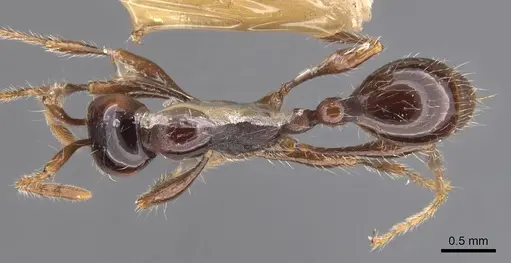
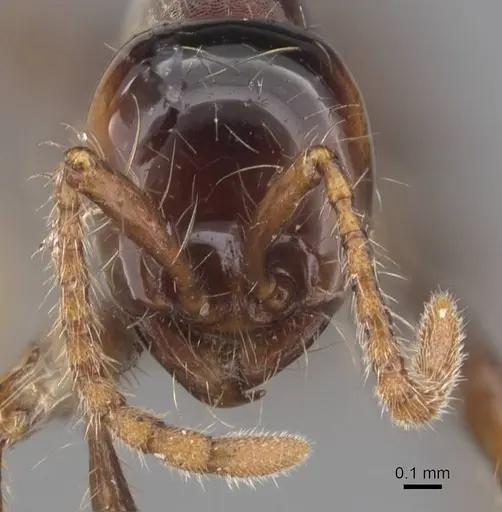
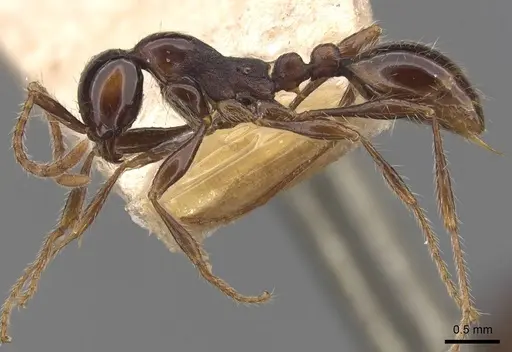
CASENT0917746
View on AntWeb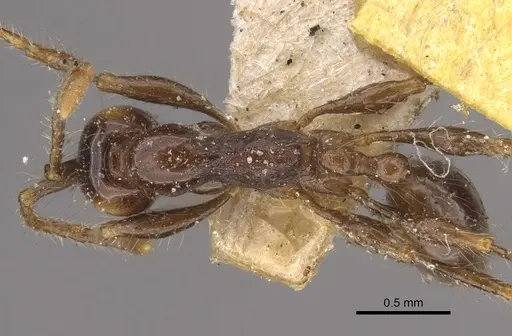
FOCOL1148
View on AntWeb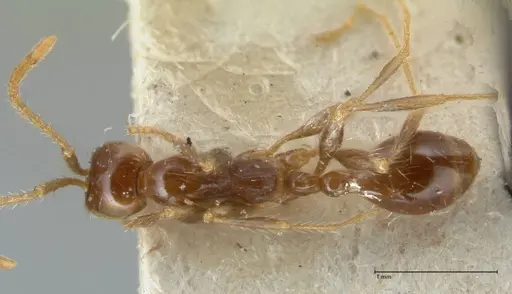
Literature
Loading distribution map...Loading products...