
Aenictus aratus
- Sci. Name
- Aenictus aratus
- Subfamily
- Dorylinae
- Author
- Forel, 1900
- Distribution
- Found in 3 countries
Introduction
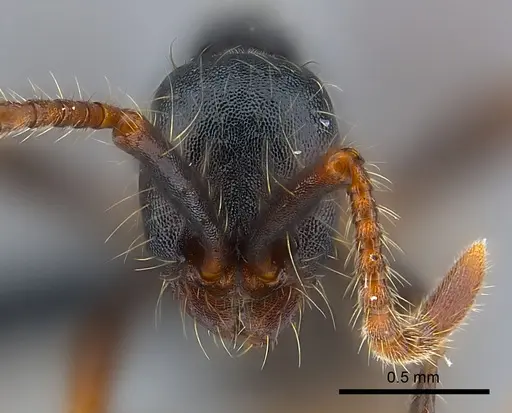
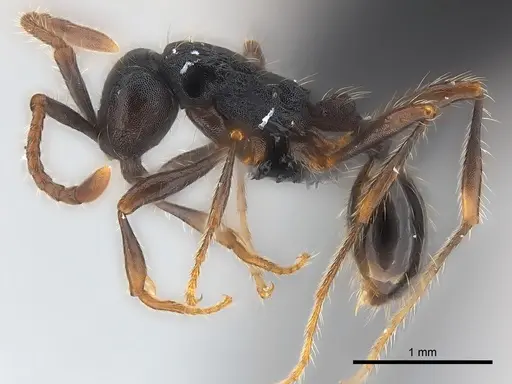
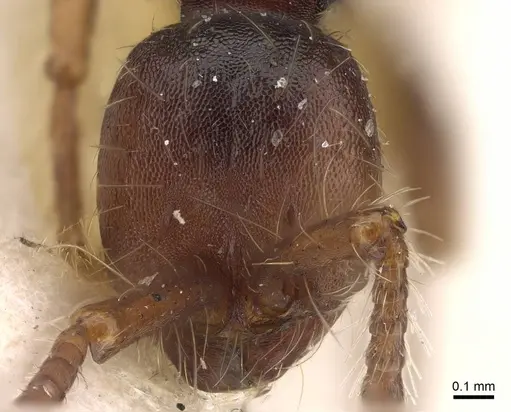
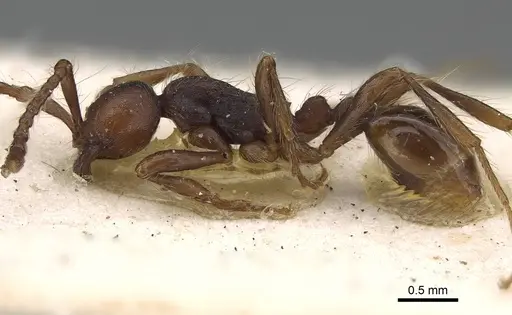
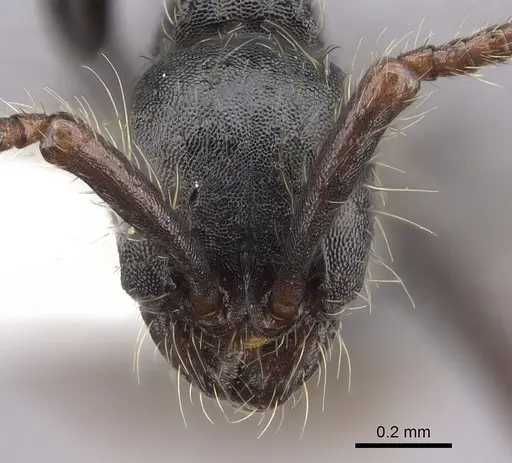
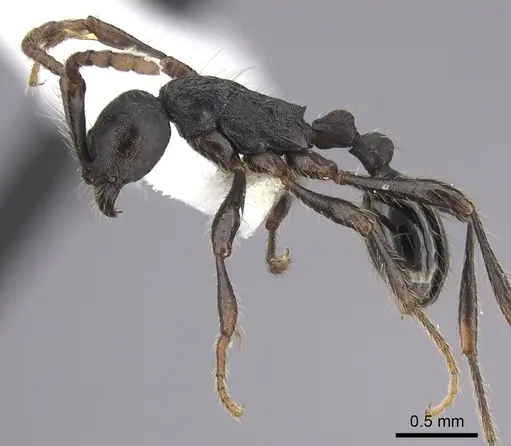
Aenictus aratus is a small army ant native to northern Australia, specifically Queensland around Mackay . Workers measure about 2.5-3.5mm in body length with dark brown to black coloration . These ants are true army ants, living a nomadic lifestyle where colonies alternate between stationary phases in underground nests and nomadic phases in temporary above-ground bivouacs . They conduct aggressive raiding parties to hunt other ants, wasps, and termites, with workers streaming across the ground in columns during both day and night . Keeping this species requires specialized setups to accommodate their wandering nature and massive appetite for live prey.
Quick Summary
- Difficulty: Expert
- Origin & Habitat: Northern Australia (Queensland), specifically Mackay region and surrounding monsoonal tropical forests [1][5]. Found in shaded rainforest and forested areas, often under brush piles or in earthworm burrows [5].
- Colony Type: Single-queen colonies typical of army ants, colonies are large with one dichthadiiform (wingless) queen.
- Size & Growth:
- Queen: size data unavailable
- Worker: 2.5-3.5 mm [2][3]
- Colony: Large, comparable to Aenictus gracilis, reaching thousands of workers [5].
- Growth: Fast with adequate food
- Development: Unknown for this specific species (Army ants typically reproduce by colony fission rather than single queen founding.)
- Antkeeping:
- Temperature: Warm tropical conditions, 25-28°C. Northern Queensland experiences warm temperatures year-round. Provide a heat gradient with a slightly warmer bivouac area.
- Humidity: High humidity required, keep substrate consistently moist but not waterlogged. Provide good ventilation to prevent mold in tropical conditions.
- Diapause: No, this is a tropical species from northern Australia that remains active year-round [5].
- Nesting: Requires specialized army ant housing. They do not use permanent nests. During stationary phase, they occupy semi-permanent underground chambers, during nomadic phases, they form temporary bivouacs in sheltered above-ground locations [4]. You need a large, expandable setup with deep substrate for burrowing and space for the colony to form living bivouacs.
- Behavior: Highly aggressive, nomadic, specialized predators. Workers conduct coordinated raids on other ant colonies, wasp nests, and termite colonies [4]. They forage both day and night, usually across the ground surface but occasionally climbing vegetation [4]. When raiding, numerous workers attack single targets simultaneously, with several workers cooperating to carry large prey items back to the bivouac [4]. They are more hypogaeic (underground-loving) than surface-adapted [5]. Escape prevention is critical, at only 2.5-3.5mm, workers can squeeze through incredibly small gaps.
- Common Issues: tiny worker size means standard escape prevention often fails, they squeeze through mesh and gaps that larger ants cannot., starvation is a constant risk, they require massive quantities of live ant prey daily and will die quickly without adequate food., nomadic behavior means they will abandon any nest you provide, requiring constant monitoring and space to move., maintaining tropical humidity and temperature without causing mold or condensation floods is extremely difficult., parasitism by phorid flies has been documented in the wild and could affect captive colonies [1].
Army Ant Biology and the Nomadic Cycle
Aenictus aratus lives a true army ant lifestyle, alternating between two distinct phases. During the stationary phase, the colony occupies a semi-permanent underground nest where the queen lays eggs and the brood develops [4]. When food demands increase or the nest site becomes unsuitable, the colony enters the nomadic phase. During this time, they form temporary bivouacs, living structures made from the workers' own bodies, in sheltered places above ground [4]. These bivouacs move regularly, sometimes more than once per day when larvae require large amounts of food [4]. This constant movement means traditional ant farms with fixed nest boxes will not work. You must provide a large, flexible enclosure that allows the colony to relocate as needed, with multiple sheltered areas where they can cluster.
Feeding Requirements and Prey
These ants are specialized predators that primarily attack other ants, social wasps, and termites [4]. In the wild, they conduct raids on other ant colonies to steal brood and kill workers [5]. Captive colonies require a constant supply of live prey, you cannot feed them sugar water or dead insects alone. They need living ant colonies (such as Pheidole species or other small ants), termites, or small wasps to hunt. Several workers coordinate to carry large prey items back to the bivouac [4]. If you cannot provide multiple prey colonies weekly, do not attempt to keep this species. Starvation occurs rapidly because the colony contains thousands of hungry workers and larvae that need constant protein.
Housing Setup for Nomadic Ants
Standard test tubes and formicariums fail for Aenictus aratus. You need a large, expandable habitat with at least several square feet of space. Provide deep substrate of mixed sand and soil for their stationary phase burrowing [5]. Include multiple hiding spots like flat stones, bark pieces, or artificial caves where they can form bivouacs during the nomadic phase. The enclosure must have absolutely secure sealing, these 2.5-3.5mm workers escape through the smallest gaps. Use fine mesh and petroleum jelly barriers on all openings. You will also need a nursery area with higher humidity for brood rearing, but allow the colony to choose their own bivouac location by providing temperature and humidity gradients.
Temperature and Tropical Care
Coming from Queensland's monsoonal tropics, these ants need warmth year-round. Keep the ambient temperature around 25-28°C with a slight gradient, the bivouac area can be slightly warmer [5]. They do not hibernate and remain active throughout the year. Humidity must stay high to prevent desiccation, but you need excellent ventilation to prevent mold growth in tropical conditions. Mist the substrate regularly to maintain moisture, but avoid creating pools of water where the bivouac might form. Watch for condensation on enclosure walls, which indicates humidity is too high and ventilation is poor.
Behavior and Temperament
Aenictus aratus shows classic army ant aggression. Workers forage in columns during raids, and they attack prey en masse [5]. They are primarily ground-foragers but will climb occasionally [4]. When disturbed, they exhibit defensive swarming behavior typical of the genus. Their small size makes them less dangerous to humans than larger army ants, but they can bite. Their constant movement and raiding behavior means they will stress any other ants kept nearby. Keep them isolated, if they escape into your home or other ant colonies, they will raid and kill. Phorid flies parasitize these ants in the wild, so quarantine any wild-caught colonies carefully [1].
Frequently Asked Questions
Can I keep Aenictus aratus in a test tube?
No. Army ants require large, specialized enclosures. Test tubes provide insufficient space for their nomadic behavior, cannot accommodate the colony size (thousands of workers), and make it impossible to provide the live prey volumes they need daily.
What do Aenictus aratus ants eat?
They are specialized predators that eat other ants, social wasps, and termites. In captivity, they require live prey, specifically other ant colonies or termites. They cannot survive on sugar water, honey, or dead insects alone.
How big do Aenictus aratus colonies get?
Colonies grow large, comparable to Aenictus gracilis, reaching thousands of workers. Exact maximum size is unconfirmed, but army ant colonies typically contain several thousand individuals.
Do Aenictus aratus need hibernation?
No. They are a tropical species from northern Australia that remains active year-round. They do not require cooling or diapause periods.
Can I keep multiple Aenictus aratus queens together?
This is not recommended and has not been documented. Army ants typically have single queens, and introducing multiple queens would likely result in fighting. Additionally, captive colonies usually start from fission rather than founding queens.
How long until Aenictus aratus gets their first workers?
This question does not apply to army ants in the traditional sense. They typically reproduce by colony fission where a daughter colony already has workers, rather than a single queen raising her first workers. Development time from egg to worker is unknown for this species.
Why are my Aenictus aratus dying?
Common causes include starvation (not enough live ant prey), dehydration (they need high humidity), or temperature stress (too cold). They may also be attempting to enter a nomadic phase and dying from stress in a fixed enclosure. Check for phorid fly parasitism if you collected them from the wild.
Are Aenictus aratus good for beginners?
Absolutely not. These are expert-level ants requiring specialized equipment, constant live food supplies, and experience with tropical species. Their nomadic behavior and massive food requirements make them unsuitable for anyone except advanced keepers with dedicated facilities.
Report an Issue
The current care sheet is based fully on literature. See inconsistencies, or something that's incorrect? Please , it will be resolved after review from an admin. Contributing to the blogs tab also helps providing information, to make us be able to further improve the caresheets. Thank you for your support!
References

This caresheet is licensed under CC BY-SA 4.0 .
Community Blogs
CASENT0070186
View on AntWeb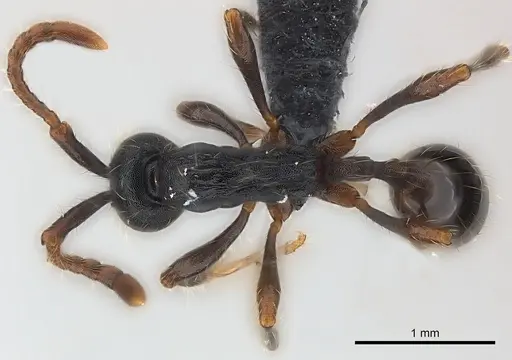
CASENT0249277
View on AntWeb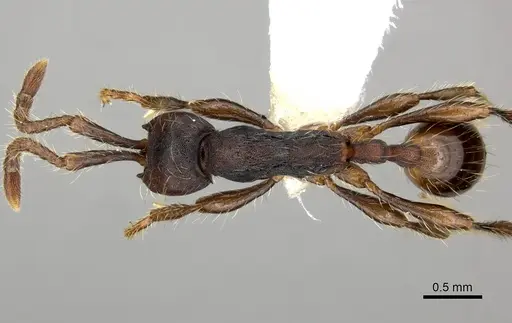
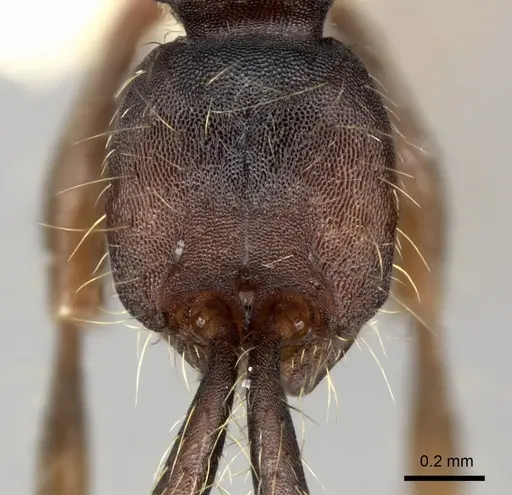
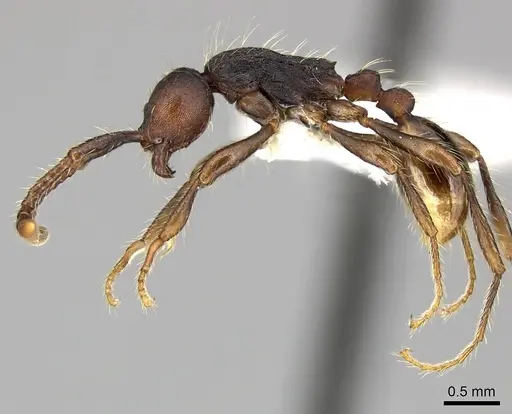
CASENT0902672
View on AntWeb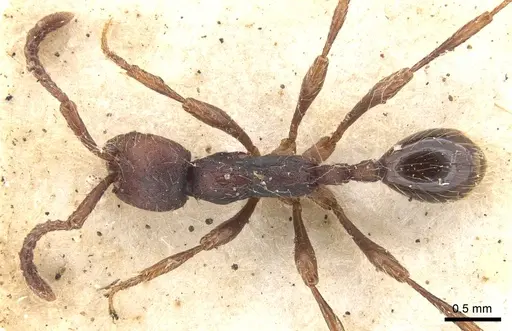
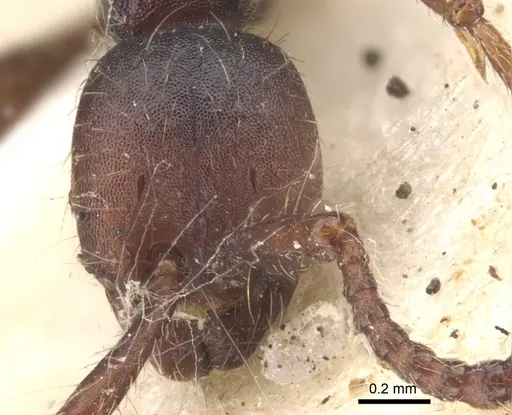
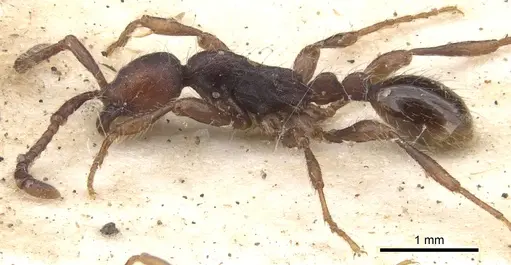
CASENT0905985
View on AntWeb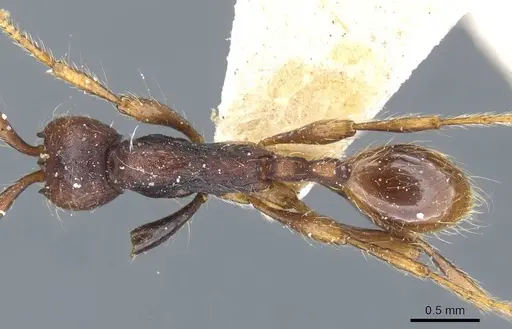
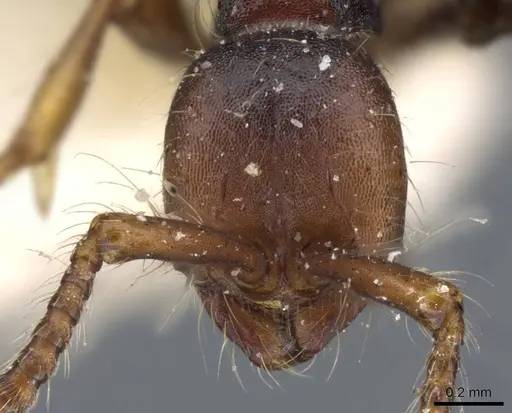
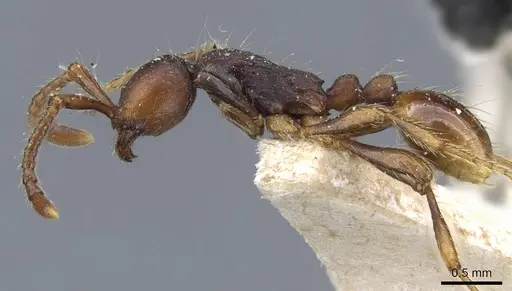
CASENT0916861
View on AntWeb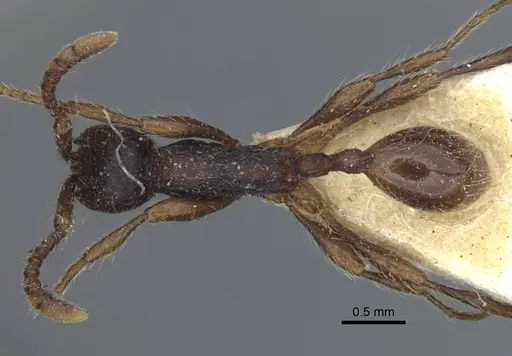
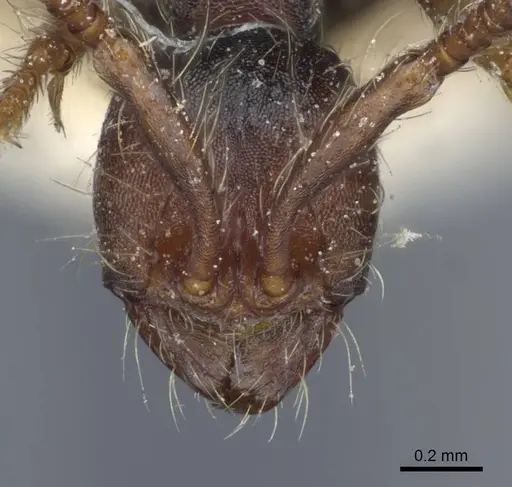
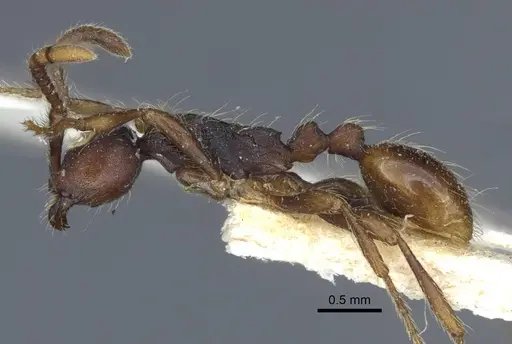
CASENT0922456
View on AntWeb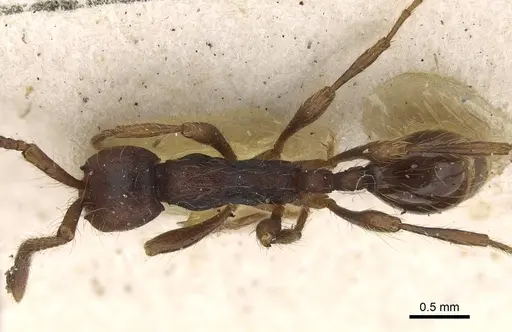
JTLC000008745
View on AntWeb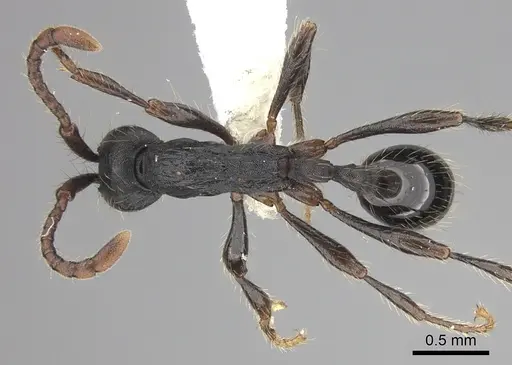
Literature
Loading distribution map...Loading products...