
Aenictogiton emeryi
- Sci. Name
- Aenictogiton emeryi
- Subfamily
- Dorylinae
- Author
- Forel, 1913
- Distribution
- Found in 2 countries
Introduction
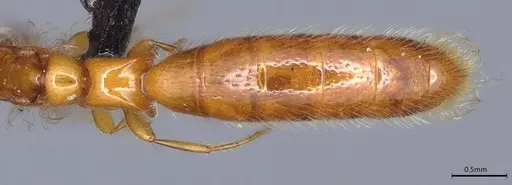
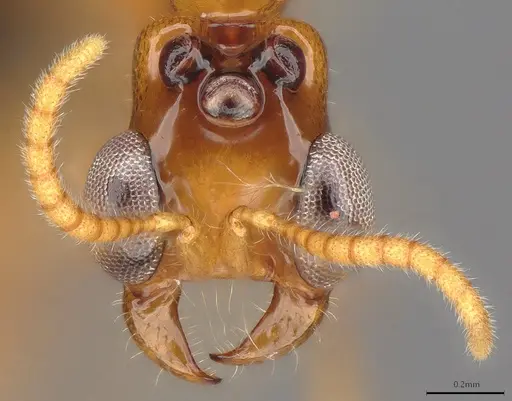
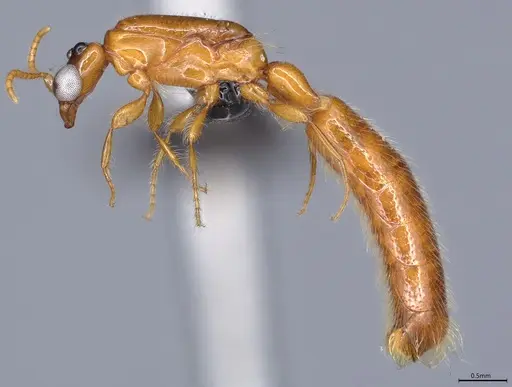
Aenictogiton emeryi is a rare army ant species endemic to the Democratic Republic of Congo, specifically recorded in the Haut-Katanga and Tanganyika regions . The genus Aenictogiton belongs to the Dorylinae subfamily and remains poorly studied, with limited scientific documentation dating back to early 20th century collections . Very little is known about the specific biology, behavior, or colony structure of this species in the wild.
Quick Summary
- Difficulty: Expert
- Origin & Habitat: Democratic Republic of Congo, endemic to Haut-Katanga and Tanganyika regions in the southern part of the country [1]. The specific habitat type is not documented in available literature.
- Colony Type: Unknown, colony structure data is unavailable for this species. Army ant species typically form large colonies, but specific information about Aenictogiton emeryi queens is not documented.
- Size & Growth:
- Queen: Size data unavailable, no specific measurements exist for this species
- Worker: Size data unavailable, no specific measurements exist for this species
- Colony: Unknown, no colony size data is available for this species
- Growth: Unknown
- Development: Unknown, no species-specific development data exists (Army ant development is typically fast compared to other ant groups, but this is not confirmed for Aenictogiton emeryi.)
- Antkeeping:
- Temperature: Unknown, no species-specific temperature data exists. Based on general Dorylinae patterns, likely requires warm tropical conditions in the low-to-mid 20s°C range [2]
- Humidity: Unknown, no species-specific humidity data exists. Based on general army ant ecology, likely requires humid conditions [2]
- Diapause: Unknown, as a tropical species from DRC, hibernation is unlikely but not confirmed
- Nesting: Unknown, no species-specific nesting data exists. Based on general army ant behavior, they likely form temporary bivouacs rather than permanent nests [2]
- Behavior: Behavior is unconfirmed for this species. General Dorylinae army ant behavior includes predatory foraging and nomadic lifestyle, but specific behavior of Aenictogiton emeryi is not documented. Escape risk is unknown due to lack of size data.
- Common Issues: very limited scientific data makes captive care requirements uncertain, species may not be available in the antkeeping hobby, nomadic lifestyle requires special setup if kept, predatory feeding needs may be difficult to meet in captivity, no established captive breeding protocols exist for this species
Understanding Aenictogiton emeryi
Aenictogiton emeryi is one of the rarest ant species in the hobby, with very limited documentation in scientific literature. The species was originally described from collections in the Democratic Republic of Congo, with subsequent records confirming its presence in the Haut-Katanga and Tanganyika provinces [1]. The genus Aenictogiton belongs to the army ant subfamily Dorylinae, a group characterized by their predatory lifestyle and massive colony structures in some species. However, this specific species remains poorly studied, meaning much of what we know about its care comes from generalizing about army ant biology rather than specific research on A. emeryi. The lack of scientific data on this species makes it extremely challenging to keep in captivity.
Housing and Nesting
No species-specific housing data exists for Aenictogiton emeryi. If attempting to keep this species, a setup accommodating general army ant behavior would be necessary, large space for potential raiding columns and temporary bivouacs. However, this is inferred from general Dorylinae behavior and may not apply to this specific species. The lack of any documented captive care means no established protocols exist. This species is not recommended for antkeepers due to the complete absence of established care information.
Feeding and Diet
No species-specific dietary data exists for Aenictogiton emeryi. General Dorylinae army ants are predatory and raid other ant colonies, but this behavior is not confirmed for this specific species. The complete lack of dietary information makes captive feeding protocols impossible to establish. This species should not be kept by hobbyists due to the uncertainty of meeting its nutritional needs.
Temperature and Humidity
No species-specific temperature or humidity data exists for Aenictogiton emeryi. General Dorylinae army ants are tropical insects, but specific requirements for this species are unknown. Any temperature or humidity recommendations would be pure speculation. Attempting to keep this species without documented requirements would likely result in colony failure.
Colony Structure and Behavior
No species-specific colony structure data exists for Aenictogiton emeryi. While some army ant species have multiple queens and form massive colonies, this is not confirmed for A. emeryi. The nomadic bivouac behavior seen in some Dorylinae species is not documented for this particular ant. Without basic colony structure information, captive maintenance is not feasible.
Frequently Asked Questions
How long does it take for Aenictogiton emeryi to produce first workers?
Unknown, no species-specific development data exists for this ant.
Can I keep Aenictogiton emeryi in a test tube?
No established care protocol exists for this species. The lack of any documented captive information means test tube setups cannot be recommended or discouraged with certainty.
How often should I feed Aenictogiton emeryi?
Unknown, no species-specific dietary data exists. This species should not be kept until basic biological information becomes available.
Are Aenictogiton emeryi good for beginners?
No, this species is not recommended for any antkeeper. There is no scientific data on their specific care requirements, they may not be available in the hobby, and no established captive protocols exist. The complete absence of basic biological information makes responsible keeping impossible.
Do Aenictogiton emeryi need hibernation?
Unknown, no species-specific diapause data exists. As a tropical species from DRC, hibernation is unlikely but not confirmed.
How big do Aenictogiton emeryi colonies get?
Unknown, no colony size data is available for this species.
Can I keep multiple queens together in one colony?
Unknown, no colony structure data exists for this species.
Why is my Aenictogiton emeryi colony declining?
Without any established care protocols or documented biology, colony decline causes cannot be determined. This species should not be kept until basic research becomes available.
When should I move Aenictogiton emeryi to a formicarium?
No formicarium recommendations exist for this species due to the complete absence of captive data. This species is not recommended for antkeeping.
Report an Issue
The current care sheet is based fully on literature. See inconsistencies, or something that's incorrect? Please , it will be resolved after review from an admin. Contributing to the blogs tab also helps providing information, to make us be able to further improve the caresheets. Thank you for your support!
References

This caresheet is licensed under CC BY-SA 4.0 .
Community Blogs
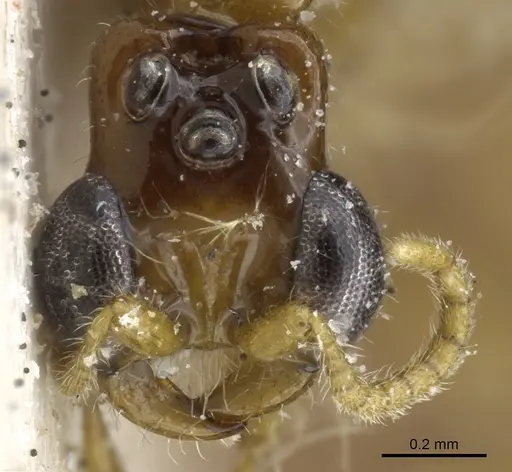
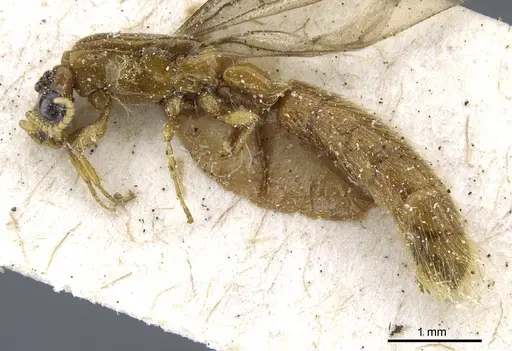
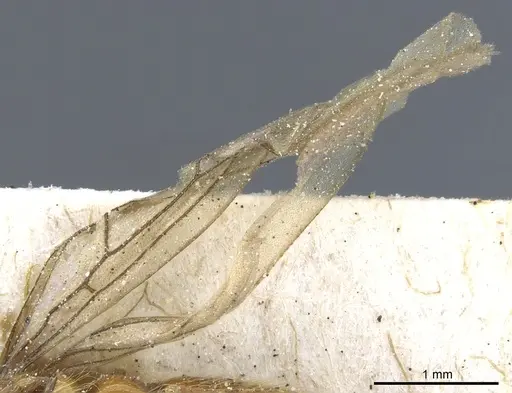
CASENT0066936
View on AntWeb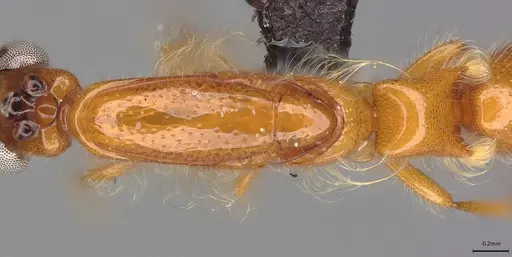
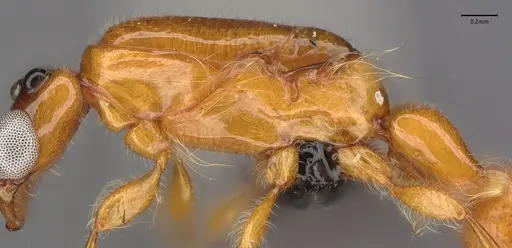
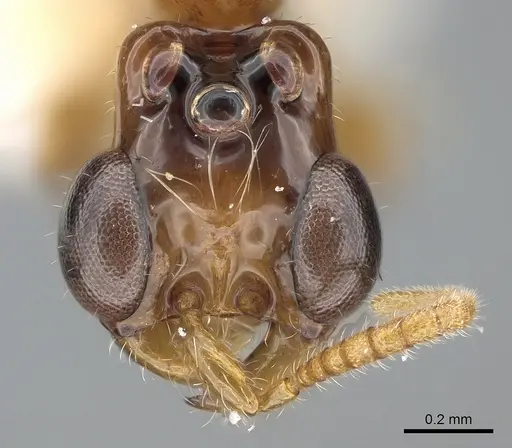
CASENT0281198
View on AntWeb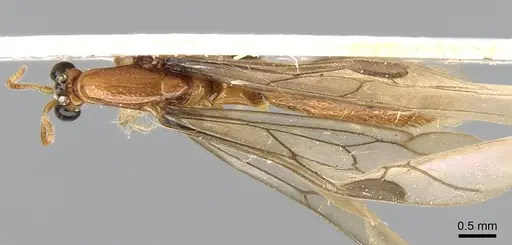
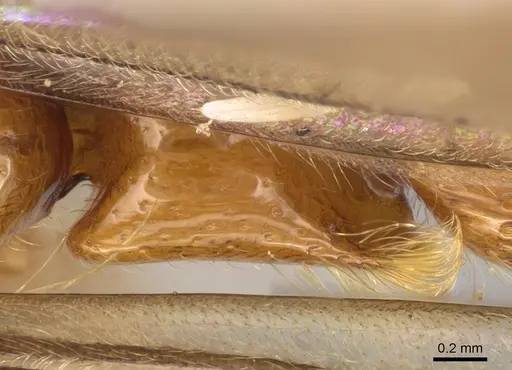
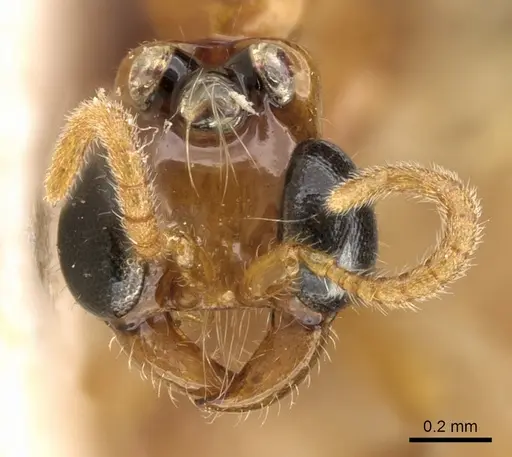
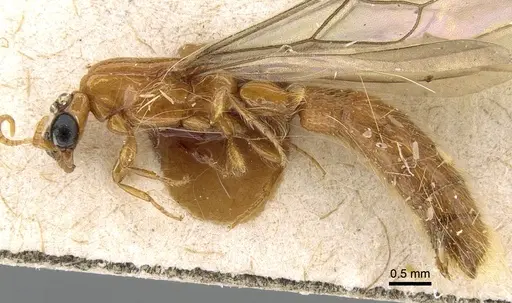
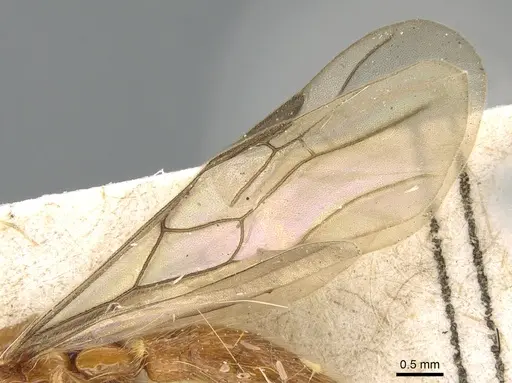
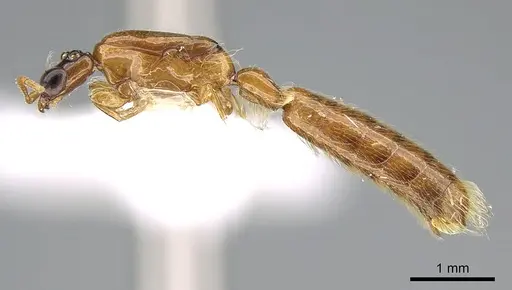
CASENT0281199
View on AntWeb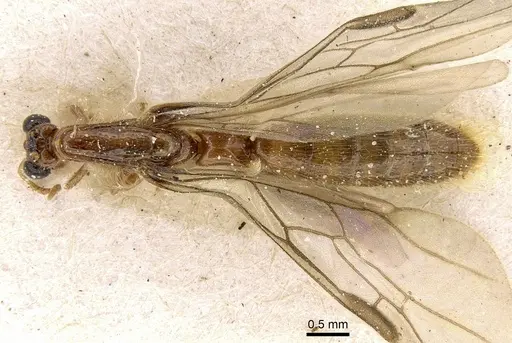
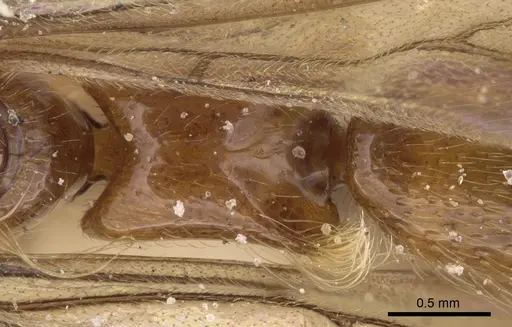
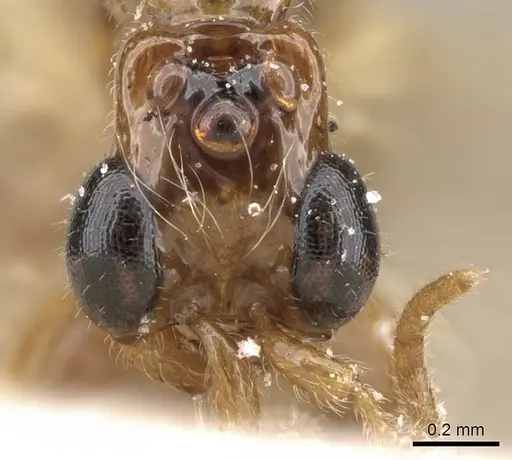
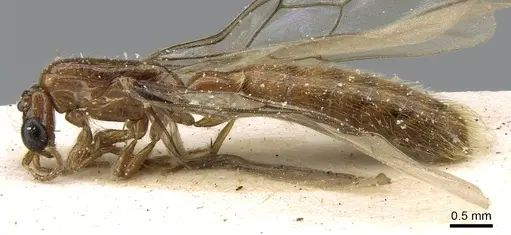
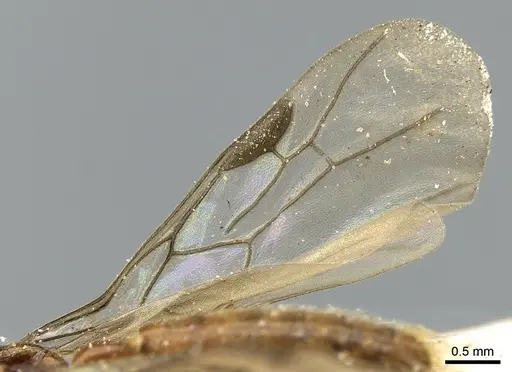
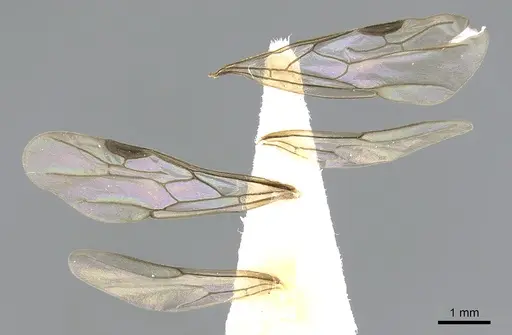
CASENT0281200
View on AntWeb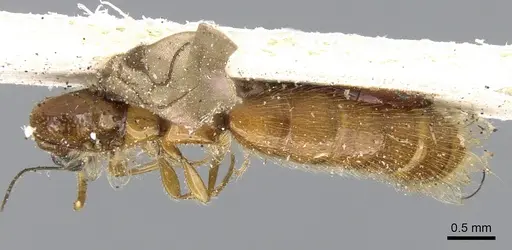
CASENT0281315
View on AntWeb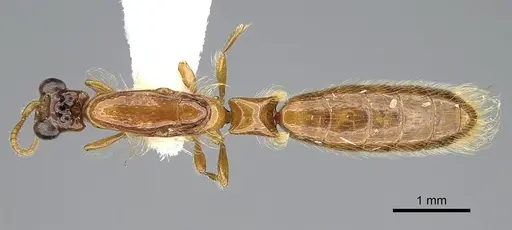
CASENT0281316
View on AntWeb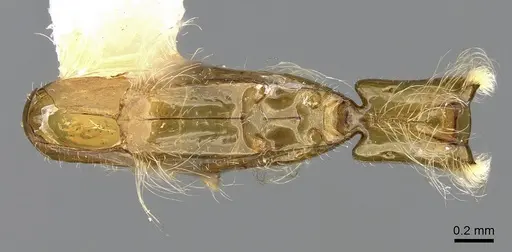
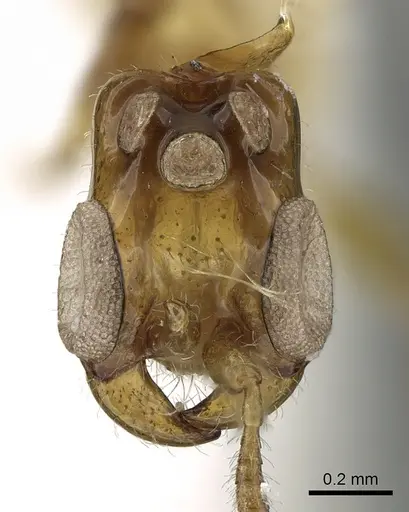
CASENT0903960
View on AntWeb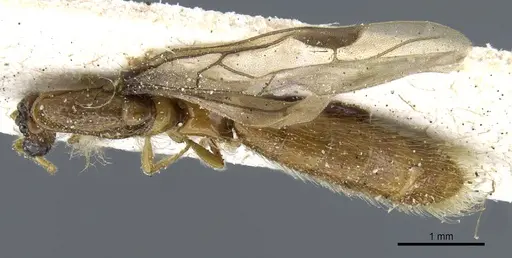
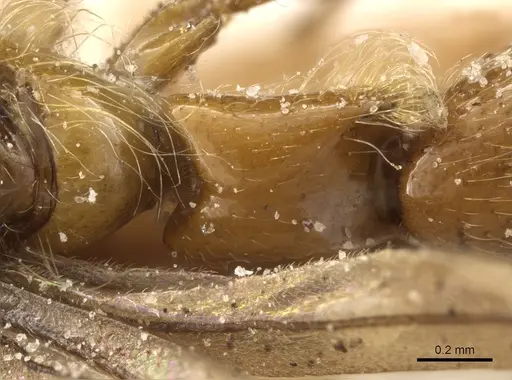
Literature
Loading distribution map...Loading products...