
Adetomyrma cassis
- Sci. Name
- Adetomyrma cassis
- Tribe
- Amblyoponini
- Subfamily
- Amblyoponinae
- Author
- Yoshimura & Fisher, 2012
- Distribution
- Found in 1 countries
Introduction
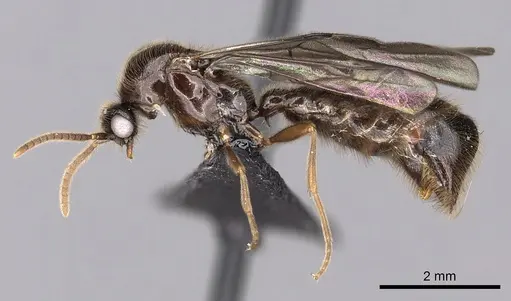
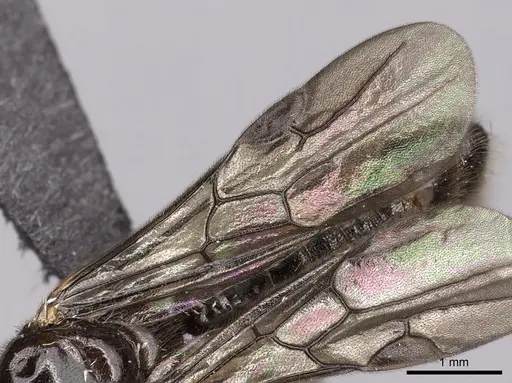
Adetomyrma cassis is one of the rarest ant species in the world - known from a single male collected in Madagascar's Réserve Spéciale Ambatovaky. The genus Adetomyrma is endemic to Madagascar, meaning these ants are found nowhere else on Earth. This species was described in 2012 based on a male caught in a rainforest Malaise trap at 450 meters elevation. The male is dark brown overall with a darker head, and has a unique genital structure that gives it the species name 'cassis' (Latin for helmet) . No workers or queens have ever been found, making this one of the least understood ants in existence. This species cannot be kept in captivity - there are simply no specimens available, and no biological information exists to guide care.
Quick Summary
- Difficulty: Expert
- Origin & Habitat: Madagascar, Réserve Spéciale Ambatovaky in the Toamasina region, at 450m elevation in rainforest habitat [1]. This is a pristine montane rainforest area in northeastern Madagascar.
- Colony Type: Unknown, only a single male has ever been collected. No workers or queens have been described, so colony structure is completely unconfirmed.
- Size & Growth:
- Antkeeping:
- Temperature: Unknown, no temperature preference data exists. The rainforest location suggests warm, humid conditions typical of lowland Madagascar forests, but this is speculative.
- Humidity: Unknown, no humidity data exists. The rainforest habitat suggests high humidity, but specific requirements are unconfirmed.
- Diapause: Unknown, no seasonal data exists for this species.
- Nesting: Unknown, nesting preferences have never been studied.
- Behavior: Completely unknown. The male was captured in a Malaise trap, indicating it was flying, but no behavioral observations exist.
- Common Issues: This species is not available in the antkeeping hobby, only a single male specimen exists in museum collections., No biological or ecological data exists to guide captive care., Attempting to keep this species would be impossible without any specimens to work with., Even basic information like worker morphology, colony size, and diet remains unknown.
Why This Species Cannot Be Kept
Adetomyrma cassis represents one of the most extreme cases of a species being unavailable for antkeeping. Only a single male specimen exists in museum collections (deposited at California Academy of Sciences). This male was collected in February 2010 using a Malaise trap, a passive insect trap that catches flying insects. No workers, no queens, and no colonies have ever been found despite dedicated ant surveys in Madagascar. This means there are literally zero specimens available to establish a captive colony, and even if specimens were found, there is no biological information about their needs [1].
What We Know About the Male
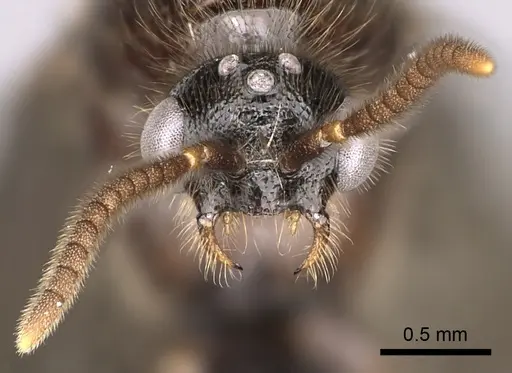
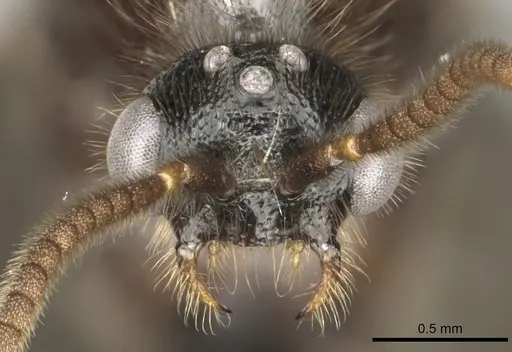
The only known specimen is an adult male. It has well-developed compound eyes, with the distance between the lateral ocellus and eye being about three times longer than the diameter of the lateral ocellus. The body is almost uniformly dark brown, with the head being slightly darker. The most distinctive feature is the genital capsule, the parameres have a unique flattened projection that resembles a Corinthian helmet, which is why the species was named 'cassis' (helmet in Latin). This genital structure is so unique that it alone is sufficient to distinguish this as a separate species from other Adetomyrma males [1].
Distribution and Habitat
Adetomyrma cassis is known only from the Réserve Spéciale Ambatovaky in northeastern Madagascar, specifically from the Sandrangato River area at 450 meters elevation. This location is in the Toamasina region, which features pristine montane rainforest. The elevation of 450m suggests this is a low-to-mid elevation tropical rainforest habitat. Madagascar's Amblyoponinae genus Adetomyrma is endemic to the island, these ants are found nowhere else on Earth [1].
The Mystery of Adetomyrma cassis
This species represents a fascinating mystery in myrmecology. The fact that only a single male has been collected despite extensive ant surveys in Madagascar suggests either the species is extremely rare or localized, it has very specific habitat requirements that make it difficult to find, it has unusual behavior that prevents capture by standard methods, or it represents a species that no longer exists in its original form. The Adetomyrma genus itself contains only a handful of described species, all from Madagascar, and most are known from very few specimens. This genus remains one of the most poorly understood ant groups in the world, and A. cassis is perhaps the most mysterious of all [1].
Frequently Asked Questions
Can I keep Adetomyrma cassis ants?
No. This species cannot be kept because only a single male specimen exists in museum collections. No workers or queens have ever been found, so there are no ants available to establish a colony. Even if specimens were found, there is no biological information about their care requirements.
Where does Adetomyrma cassis live?
It is known only from the Réserve Spéciale Ambatovaky in northeastern Madagascar, at 450m elevation in rainforest habitat. This is the only location where the species has ever been recorded.
What do Adetomyrma cassis workers look like?
We do not know. Workers have never been documented. Only a single male specimen exists in collections.
How big is Adetomyrma cassis?
Full body size data is unavailable. The only known specimen is a male, and the research provides only partial body measurements (mesosoma length of 2.22mm) rather than total body length. We have no information about queen or worker size since no specimens exist.
What do Adetomyrma cassis eat?
Unknown. No feeding observations or diet studies exist for this species.
Do Adetomyrma cassis ants have a sting?
Unknown. Amblyoponinae ants typically have functional stings, but this has not been studied in this species due to the lack of specimens.
How do I start an Adetomyrma cassis colony?
You cannot. There are no specimens available to start a colony. This species is known from a single male collected in 2010 and has not been found since.
What temperature do Adetomyrma cassis ants need?
Unknown. No temperature preference data exists. The rainforest habitat suggests warm, humid conditions, but specific requirements are unconfirmed.
Is Adetomyrma cassis endangered?
We do not know enough to say. The species is known from a single specimen, making population assessment impossible. It is endemic to a protected area in Madagascar, which may offer some protection.
Why is Adetomyrma cassis so rare?
We do not know. It could be genuinely rare, extremely localized to microhabitats not sampled by standard methods, or possibly extinct. The Ambatovaky region has received less ant survey effort compared to other parts of Madagascar.
Report an Issue
The current care sheet is based fully on literature. See inconsistencies, or something that's incorrect? Please , it will be resolved after review from an admin. Contributing to the blogs tab also helps providing information, to make us be able to further improve the caresheets. Thank you for your support!
References

This caresheet is licensed under CC BY-SA 4.0 .
Community Blogs
CASENT0163620
View on AntWeb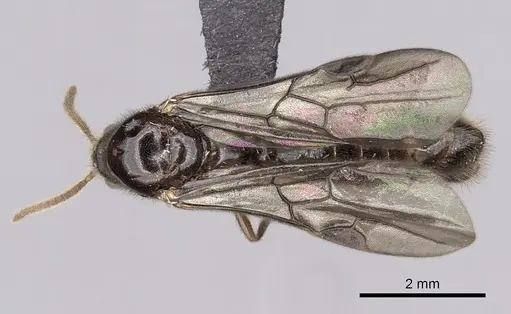
Literature
Loading distribution map...Loading products...