
Adelomyrmex metzabok
- Sci. Name
- Adelomyrmex metzabok
- Tribe
- Solenopsidini
- Subfamily
- Myrmicinae
- Author
- Longino, 2012
- Distribution
- Found in 2 countries
Introduction
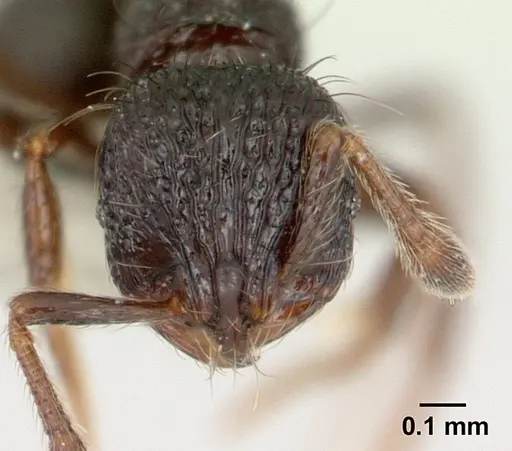
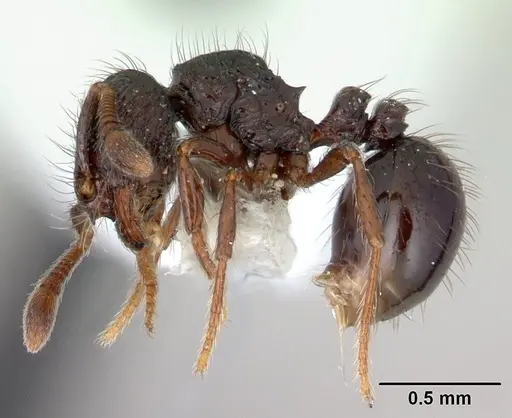
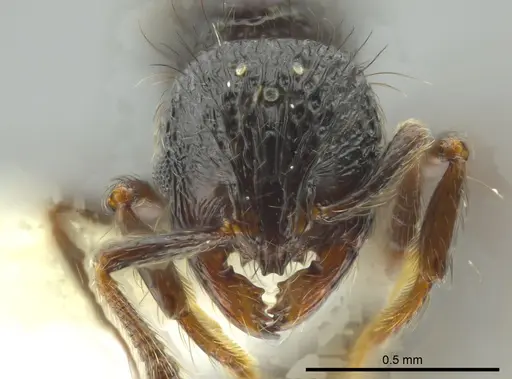
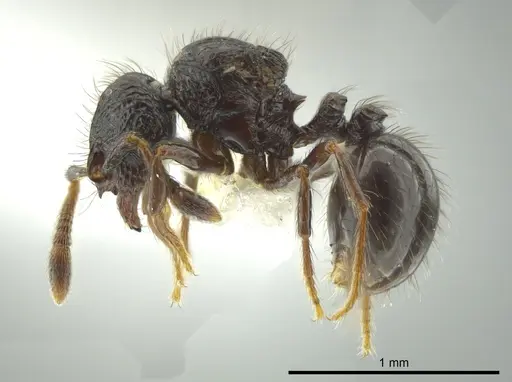
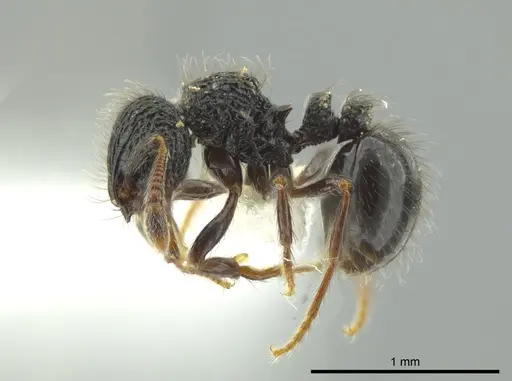
Adelomyrmex metzabok is a tiny, dark brown to black ant native to the wet forests of southern Mexico and Guatemala. Workers are among the smallest ants in the antkeeping hobby, with heads measuring just 0.58-0.63mm wide. The genus Adelomyrmex belongs to the Solenopsidini tribe and is known for their distinctive morphology, including a strongly produced promesonotum that slopes upward and drops abruptly to the propodeum, and short triangular propodeal spines. These ants inhabit leaf litter in mature and second-growth wet forests at elevations from sea level to just below 1000m. They can be locally abundant, appearing in up to 26% of leaf litter samples in suitable habitat. Queens are occasionally found together with workers in samples, which may indicate they remain in the nest after colony establishment .
Quick Summary
- Difficulty: Medium
- Origin & Habitat: Eastern lowlands of Chiapas, Mexico and eastern Petén region of Guatemala. Found in mature and second-growth wet forest habitats from sea level to just below 1000m elevation [1][2].
- Colony Type: Colony structure is not well documented. Queens have been found together with workers in Winkler samples, which could indicate either polygyny or that queens remain in the colony after founding. Further research is needed to confirm colony type [1].
- Size & Growth:
- Queen: Size data unavailable, queen measurements have not been published.
- Worker: Very small, head width 0.58-0.63mm [1]. Full body length is not documented but the genus includes some of the smallest ants in the Neotropics.
- Colony: Unknown, no colony size data is available in literature.
- Growth: Unknown, no specific growth rate data exists for this species.
- Development: Unknown, development time has not been studied for this species. (Development time is unconfirmed. Related Solenopsidini ants typically develop faster in warm tropical conditions.)
- Antkeeping:
- Temperature: Keep at 24-26°C, these are lowland tropical ants from warm, humid forests. Room temperature in most homes should work well, but a heating cable on one side of the nest can help maintain warmth if needed.
- Humidity: High humidity is essential, they come from wet forest leaf litter. Keep the nest substrate consistently moist but not waterlogged. The substrate should feel damp to the touch. A water reservoir connected to the nest helps maintain humidity.
- Diapause: No, these are tropical ants from low elevations where seasonal temperature changes are minimal. They do not require a diapause period.
- Nesting: In nature they live in sifted leaf litter and rotting wood. In captivity, a small test tube setup or Y-tong nest with fine chambers works well. The tiny worker size means chambers should be small and tight-fitting. Provide moist substrate like soil or plaster that holds humidity well. Avoid large, open spaces.
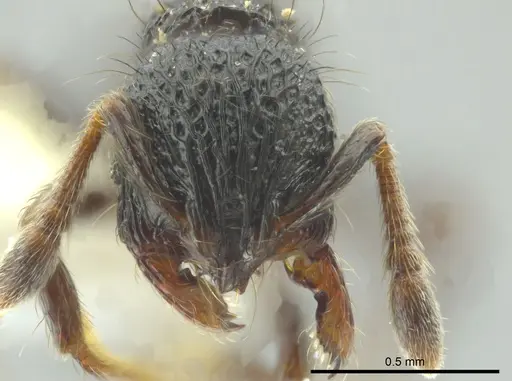
- Behavior: These are very small, cryptic ants that live in leaf litter. They are not aggressive and likely forage individually or in small groups for tiny prey. Workers have small eyes with only 6-9 ommatidia, reflecting their subterranean lifestyle. Escape prevention is critical due to their tiny size, they can squeeze through the smallest gaps. They possess a sting but their tiny size means it presents no danger to keepers [1].
- Common Issues: escape prevention is critical, their tiny size means they can squeeze through gaps that seem sealed. use fine mesh and check for any tiny gaps., high humidity requirements can lead to mold problems if ventilation is poor. balance humidity with adequate airflow., slow growth and small colony size mean colonies are vulnerable, a few workers dying can significantly impact the colony., difficulty finding appropriate prey, their small size requires micro-prey like springtails, which may be harder to culture than standard feeder insects., wild-caught colonies may be stressed from collection and transport, making them prone to colony failure in captivity.
Housing and Nest Setup
Because Adelomyrmex metzabok workers are extremely small, housing them requires attention to scale. A small test tube setup works well for founding colonies, use a test tube with a cotton plug and small water reservoir. For established colonies, a Y-tong nest with tiny chambers or a small plaster nest works better than larger formicarium setups. The chambers should be tight and appropriately sized for their tiny bodies. Avoid large, open spaces that can stress these small ants. The nest material should hold moisture well, plaster, soil-filled test tubes, or nests with water reservoirs all work. Place the nest in a dark area as these leaf litter ants prefer dim conditions [2].
Feeding and Diet
In the wild, these ants are found in sifted leaf litter and likely feed on tiny arthropods and honeydew. In captivity, offer small live prey appropriate to their size, springtails are ideal, as are other micro-arthropods. You can also try small pieces of insects like fruit flies or tiny cricket parts. Sugar sources may be accepted, a small drop of sugar water or honey can be offered, but these tiny ants may not readily take liquid sugars. Observe what they accept and adjust accordingly. Feed small amounts every few days, removing any uneaten prey to prevent mold [2].
Temperature and Humidity
These are lowland tropical ants from wet forests in Mexico and Guatemala. Keep them warm at 24-26°C, which is typical room temperature in many homes. If your home is cooler, a small heating cable on one side of the nest can provide warmth, place it on top of the nest to warm the area gently. Humidity is critical, they come from wet forest leaf litter where conditions are constantly damp. Keep the nest substrate consistently moist but not sitting in water. A water reservoir connected to the nest helps maintain humidity over time. Mist the outworld occasionally but focus on maintaining consistent moisture in the nest area. Good ventilation is important to prevent mold while maintaining humidity [1].
Handling and Colony Care
This species is not aggressive and presents minimal concern to keepers. However, their small size makes them challenging to handle and observe. Escape prevention is the biggest concern, these ants can squeeze through gaps that seem impossibly small. Use fine mesh on any ventilation holes, check lids regularly for gaps, and consider using barrier substances like fluon on the rim of the nest. Colony growth will be slow, these are tiny ants with small colony sizes. Be patient and avoid disturbing the colony unnecessarily. Queens have been found with workers in the wild, which may indicate they remain in the colony after founding, but more research is needed on their social structure [1].
Finding and Acquiring Colonies
Adelomyrmex metzabok is not commonly kept in the antkeeping hobby, and colonies are rarely available from suppliers. If you want to start a colony, you would need to locate a wild colony in their natural range (southern Mexico or Guatemala) during the right season and collect carefully. This requires permits for collecting in protected areas. The more practical approach is to connect with antkeeping communities or researchers working with Central American ants. Given their small size and specific habitat requirements, this species is best suited for experienced antkeepers who can provide the precise conditions they need. Consider starting with more commonly available species if you are new to antkeeping [2].
Frequently Asked Questions
How long does it take for Adelomyrmex metzabok to produce first workers?
The exact development time is unconfirmed for this species. Based on typical Myrmicinae development at tropical temperatures, expect several months from egg to first worker. Patience is key with this species as colonies grow slowly.
What do Adelomyrmex metzabok ants eat?
In captivity, they accept small live prey like springtails and micro-arthropods. They may also accept tiny pieces of insects like fruit flies. Sugar sources like honey water may be accepted but are not a reliable staple. Offer a varied diet and observe what they prefer.
Are Adelomyrmex metzabok ants good for beginners?
No, this species is not recommended for beginners. Their tiny size makes escape prevention challenging, they require high humidity, and colonies grow very slowly. Additionally, they are rarely available in the antkeeping hobby. Start with more common species like Lasius or Tetramorium before attempting Adelomyrmex.
What temperature do Adelomyrmex metzabok ants need?
Keep them at 24-26°C, which mimics their natural lowland tropical forest habitat. This is roughly room temperature in many homes. If your home is cooler, use a small heating cable on one side of the nest to maintain warmth.
How big do Adelomyrmex metzabok colonies get?
Colony size is not well documented. Their tiny size and cryptic lifestyle suggest colonies remain small. No specific maximum worker count has been published.
Can I keep multiple Adelomyrmex metzabok queens together?
This is unknown. Queens have been found with workers in the wild, but it is unclear whether this represents polygyny (multiple egg-laying queens) or simply queens that have not left after founding. Combining unrelated queens is not recommended without more information on their social structure [1].
Why are my Adelomyrmex metzabok ants escaping?
Their tiny size means they can squeeze through the smallest gaps. Check all enclosures for any gaps, use fine mesh on ventilation, and apply barrier substances like fluon to the rim of the nest. Even seemingly sealed containers may have tiny openings.
Do Adelomyrmex metzabok ants need hibernation?
No, these are tropical ants from lowland forests where temperatures remain warm year-round. They do not require a diapause or hibernation period. However, they may slow down slightly during cooler months in your home.
Where does Adelomyrmex metzabok live in the wild?
They are found in the eastern lowlands of Chiapas, Mexico and the eastern Petén region of Guatemala. They live in wet forest leaf litter at elevations from sea level to just below 1000m. They can be locally abundant, appearing in up to 26% of leaf litter samples in suitable habitat [1].
When is the best time to find Adelomyrmex metzabok queens?
The nuptial flight timing is unconfirmed for this species. Based on their tropical distribution and the collection dates in the literature (June-July), flights likely occur during the warm rainy season. If collecting in the wild, focus on the summer months [1].
What makes Adelomyrmex metzabok different from other ants?
Their tiny worker size makes them one of the smallest ants kept in captivity. They have distinctive morphology including a strongly produced promesonotum that slopes upward and drops abruptly to the propodeum, and propodeal spines. They are cryptic leaf litter ants that are rarely seen except in sifted leaf litter samples [1].
Report an Issue
The current care sheet is based fully on literature. See inconsistencies, or something that's incorrect? Please , it will be resolved after review from an admin. Contributing to the blogs tab also helps providing information, to make us be able to further improve the caresheets. Thank you for your support!
References

This caresheet is licensed under CC BY-SA 4.0 .
Community Blogs
CASENT0603002
View on AntWeb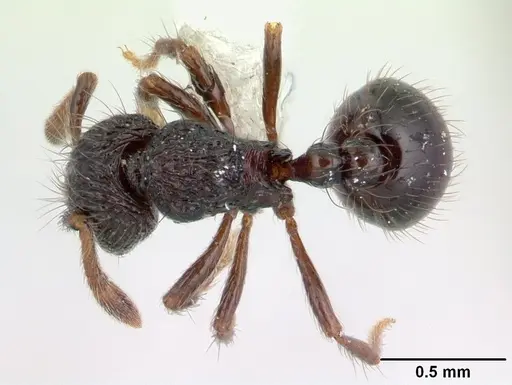
CASENT0624255
View on AntWeb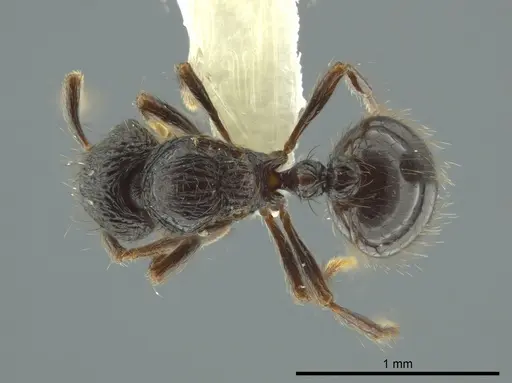
CASENT0627820
View on AntWeb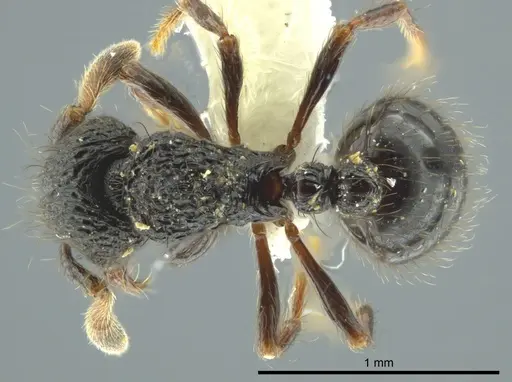
CASENT0631959
View on AntWeb
Literature
Loading distribution map...Loading products...