
Acropyga decedens
- Sci. Name
- Acropyga decedens
- Tribe
- Plagiolepidini
- Subfamily
- Formicinae
- Author
- Mayr, 1887
- Distribution
- Found in 3 countries
Introduction
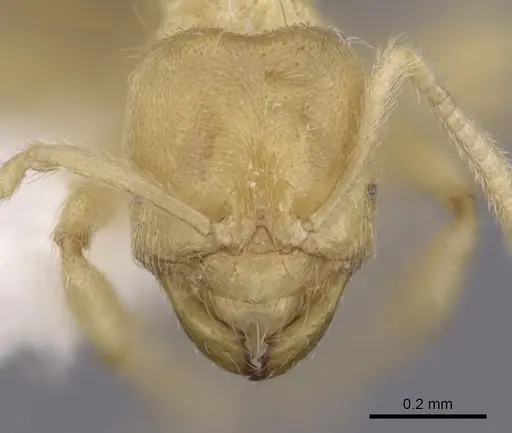
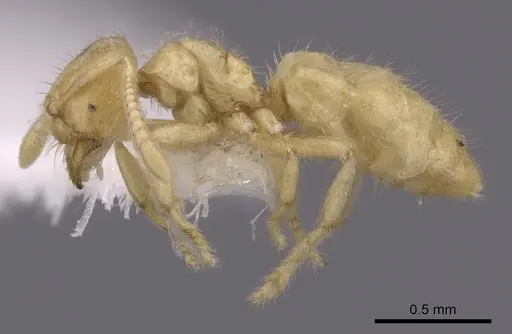
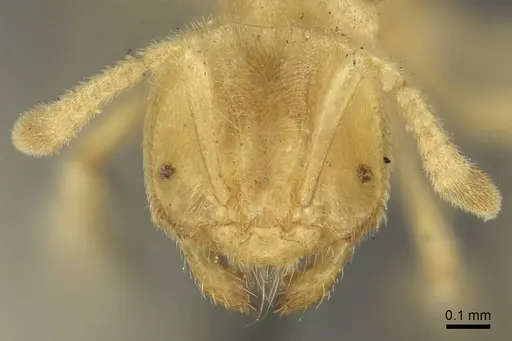
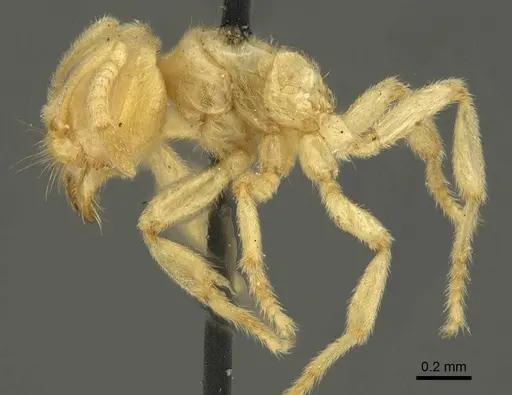
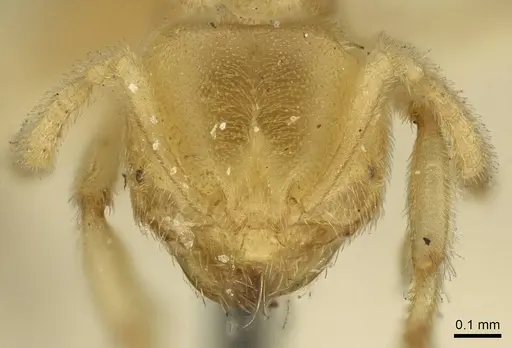
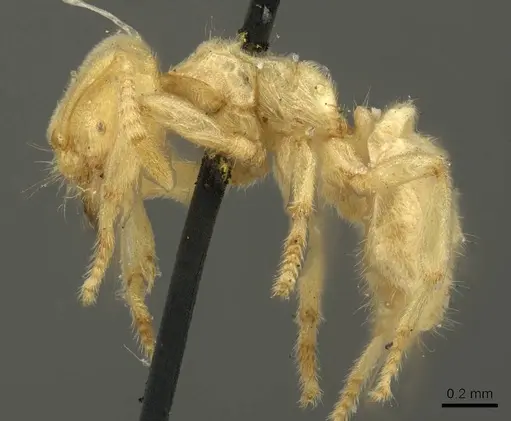
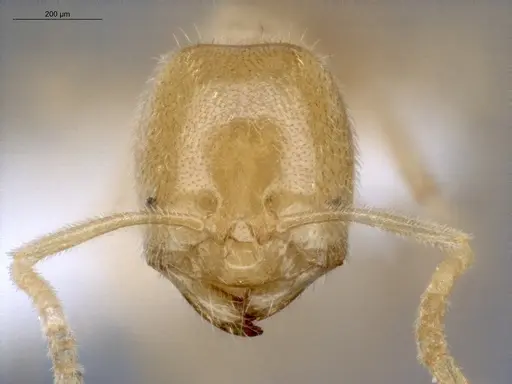
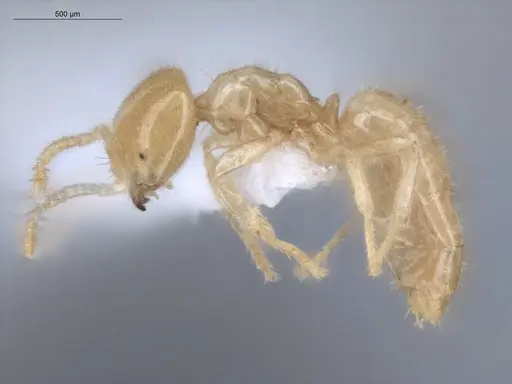
Acropyga decedens is a small yellow ant from the Neotropical region. Workers measure 2.0-2.6 mm and queens reach 3.1 mm . The species lives underground in soil and leaf litter in Brazil, Ecuador, and French Guiana . Workers have 9-11 segmented antennae and broad mandibles with 4-5 teeth . This ant maintains an obligate relationship with root-feeding mealybugs, carrying a reproductive mealybug in its mandibles during the nuptial flight to seed the new colony .
Quick Summary
- Difficulty: Medium
- Origin & Habitat: Neotropical region: Brazil (Santa Catarina), Ecuador, and French Guiana [1]. Found in subtropical forests and cocoa plantations, collected exclusively by soil extraction methods indicating subterranean habits [2][3][5].
- Colony Type: Unconfirmed.
- Size & Growth:
- Antkeeping:
- Temperature: Warm tropical conditions, maintain roughly 24-28°C based on native range, though exact requirements are unstudied.
- Humidity: High humidity required. Keep substrate consistently moist to mimic damp forest soil conditions [2][5].
- Diapause: No, tropical species that does not require hibernation.
- Nesting: Subterranean species requiring dark, humid nest conditions. Naturalistic soil setups or Y-tong nests with moisture reservoirs work best [2].
- Behavior: Docile and slow-moving. Not strong climbers. Primarily occupied with tending mealybug symbionts underground.
- Common Issues: substrate drying out kills colonies, maintain consistent moisture., mealybug symbiont establishment, colonies may fail without their mealybug partners., small size allows escape through tiny gaps., slow growth requires patience.
The Mealybug Symbiosis
Acropyga decedens maintains an obligate mutualism with rhizoecine mealybugs. Queens carry a reproductive mealybug in their mandibles during the nuptial flight to establish the symbiosis in the new colony [5]. Workers tend mealybugs on roots, protecting them and feeding on their honeydew. Associated mealybug species include Ripersiella telalia [6], Geococcus coffeae, Neochavesia sp., and Rhizoecus coffeae [1], though some historical records may involve misidentification with Acropyga goeldii [1].
Housing and Nest Setup
This hypogaeic species lives underground and requires dark, humid conditions [2]. Use naturalistic setups with moist soil and leaf litter, or Y-tong/plaster nests with water reservoirs. Horizontal space for tunneling is more important than vertical climbing surfaces. Cover nests to block light.
Feeding and Nutrition
Acropyga decedens feeds on honeydew from tended mealybugs. In captivity, provide sugar water or honey as a substitute if mealybugs are unavailable. They may accept small insects for protein, but sugar sources are primary [5][7].
Temperature and Seasonal Care
As a tropical species, keep colonies warm at roughly 24-28°C. Avoid temperatures below 22°C which may slow development. They do not require hibernation [2].
Colony Development
Colonies can reach thousands of workers along with their mealybug symbionts [6]. Growth rate is unknown. Queens carry mealybugs during the nuptial flight to establish the symbiosis [5].
Frequently Asked Questions
How long does Acropyga decedens take to develop from egg to worker?
Unknown. Development timeline is unstudied for this species.
Can I keep Acropyga decedens in a test tube setup?
Yes, test tubes work for founding colonies. Keep the water reservoir filled and cover the tube to block light, as these are subterranean ants [2].
Do Acropyga decedens ants need mealybugs to survive?
Yes. These ants are obligate mealybug-tenders. Queens carry a mealybug reproductive during the nuptial flight to establish the symbiosis [5]. In captivity, you must either maintain live mealybugs or provide consistent sugar water, though colonies may not thrive without their natural symbionts.
Are Acropyga decedens good for beginners?
Medium difficulty. While docile and easy to contain, they require strict humidity control and establishing mealybug symbionts can be challenging.
How big do Acropyga decedens colonies get?
Large nests can contain thousands of workers and their mealybug symbionts [6].
What temperature should I keep Acropyga decedens at?
Maintain warm tropical temperatures roughly 24-28°C. Avoid temperatures below 22°C which may slow development.
Why is my Acropyga decedens colony declining?
Common causes include substrate drying out, temperatures too low, or lack of food sources. Check that the nest remains humid and warm [2][5].
When should I move Acropyga decedens to a larger nest?
Move when the colony outgrows the test tube, typically when reaching several dozen workers, or when the tube dries out too quickly.
Report an Issue
The current care sheet is based fully on literature. See inconsistencies, or something that's incorrect? Please , it will be resolved after review from an admin. Contributing to the blogs tab also helps providing information, to make us be able to further improve the caresheets. Thank you for your support!
References

This caresheet is licensed under CC BY-SA 4.0 .
Community Blogs
CASENT0249915
View on AntWeb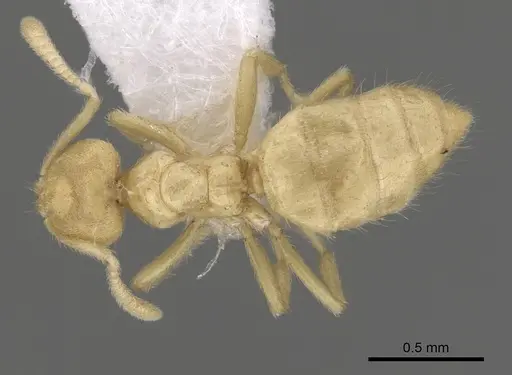
CASENT0915708
View on AntWeb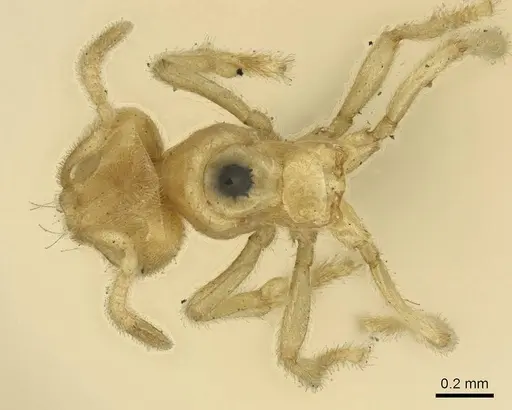
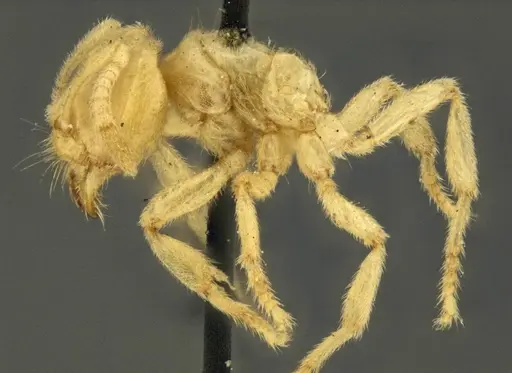
CASENT0915709
View on AntWeb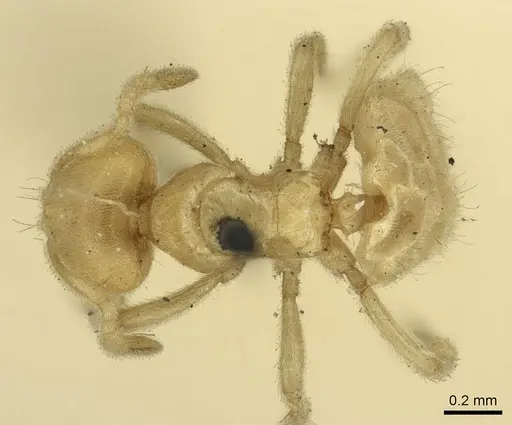
ECOFOG-IT14-0056-63
View on AntWeb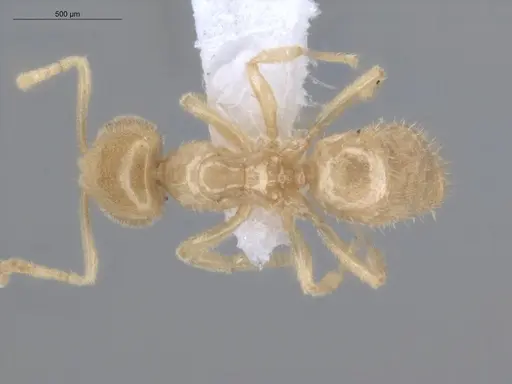
Literature
Loading distribution map...Loading products...