
Acromyrmex heyeri
- Sci. Name
- Acromyrmex heyeri
- Tribe
- Attini
- Subfamily
- Myrmicinae
- Author
- Forel, 1899
- Distribution
- Found in 4 countries
Introduction
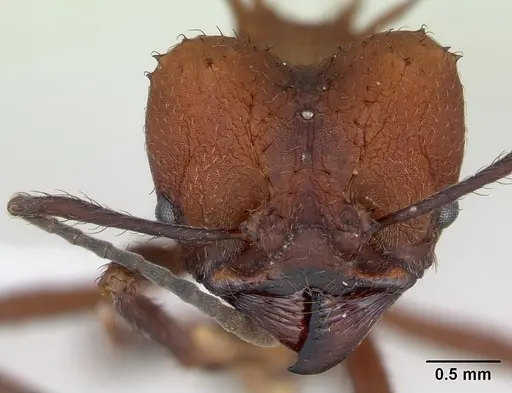
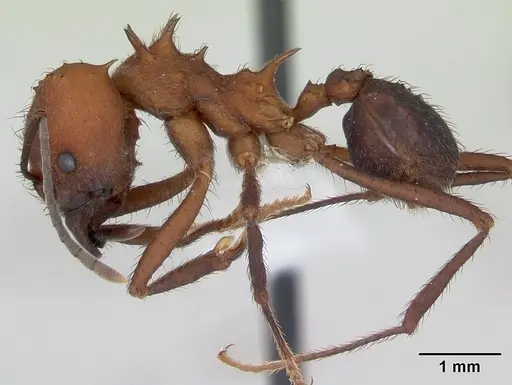
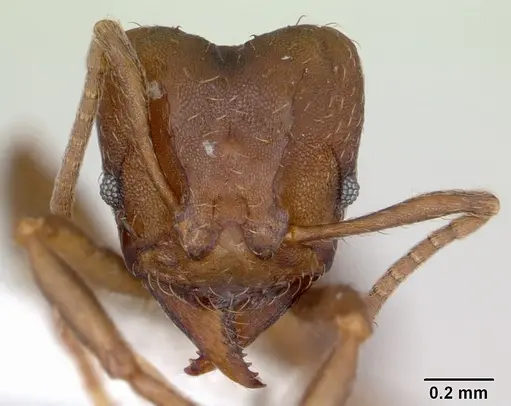
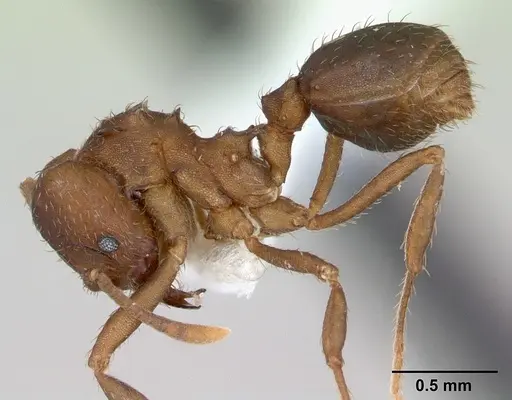
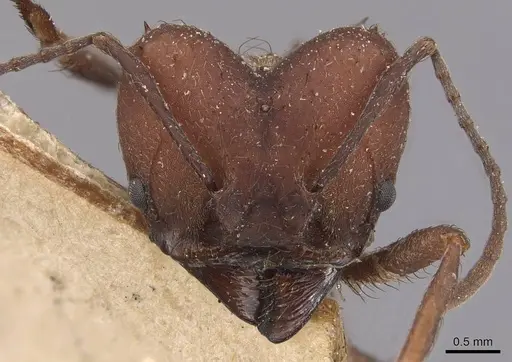
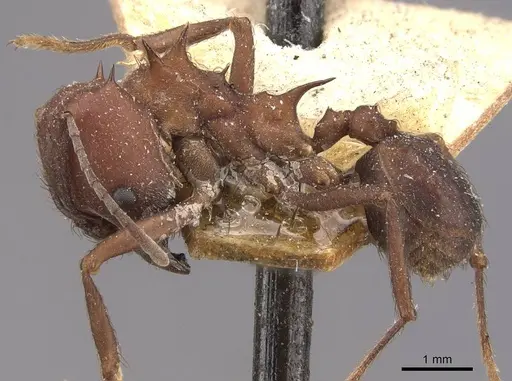
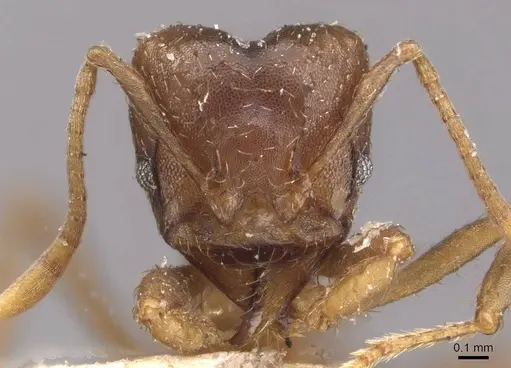
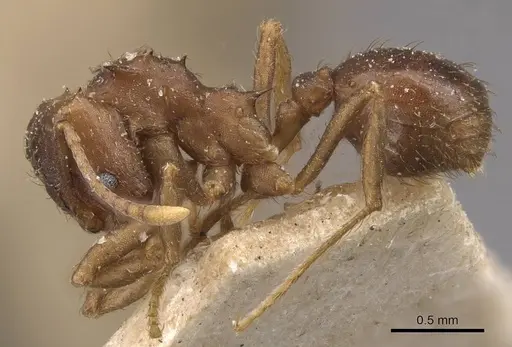
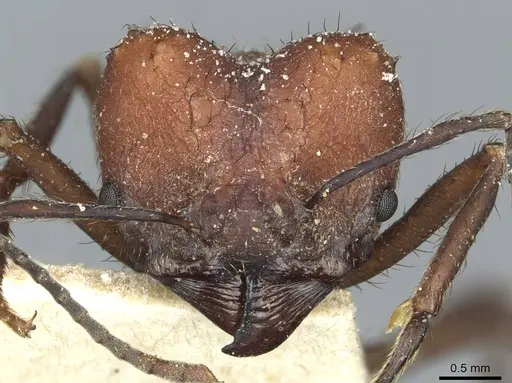
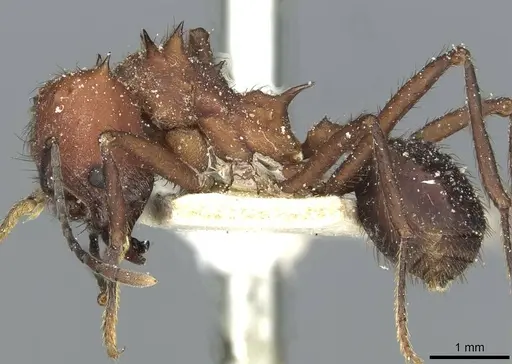
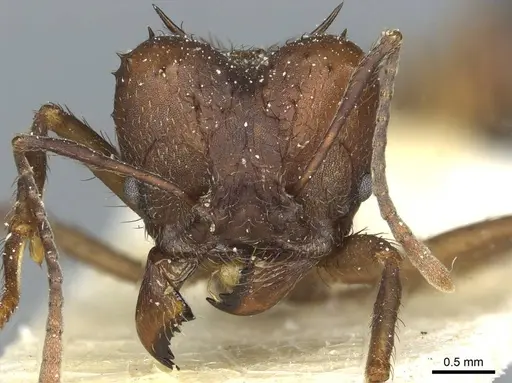
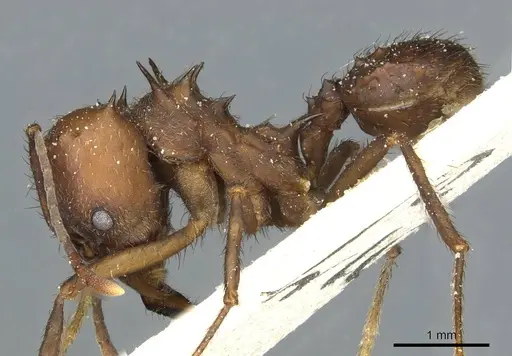
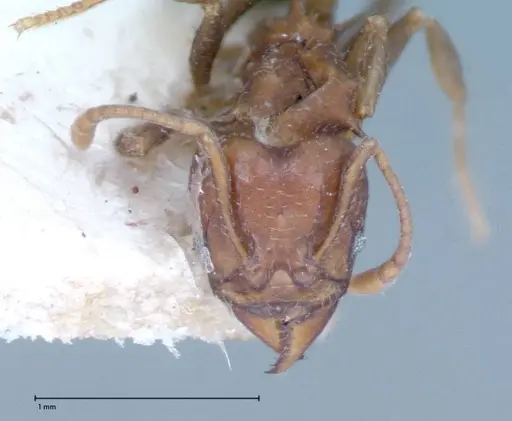
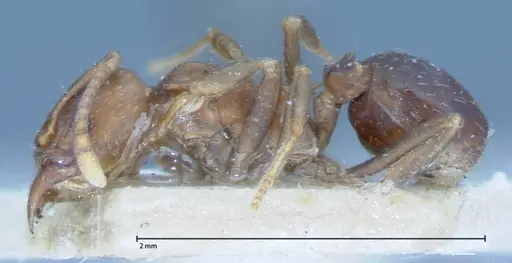
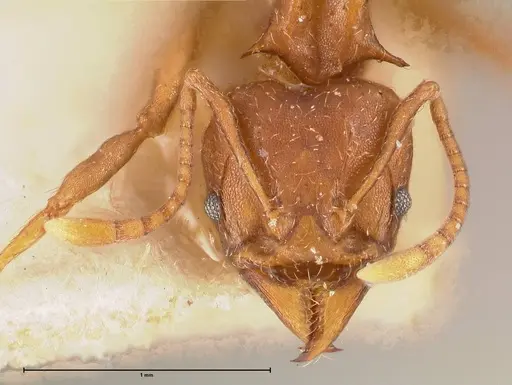
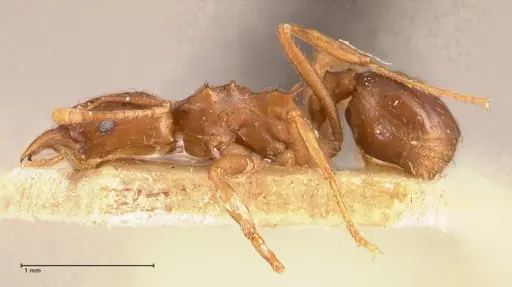
Acromyrmex heyeri is a grass-cutting leafcutter ant native to the temperate pampas of southern Brazil, Argentina, Uruguay, and Paraguay, representing the southernmost distribution of the Acromyrmex genus . Workers grow to about 7 mm and display reddish-brown coloration with darker abdomens . These ants build distinctive dome-shaped thatch mounds from dried grass fragments, creating a central chamber where they maintain their fungus garden of Leucoagaricus gongylophorus . Unlike tree-foraging leafcutters, they specialize in cutting narrow monocot leaves and grasses, earning them the nickname "narrow leaf cutter" . They are a known pest in pastures, particularly attacking the grass Paspalum notatum in Paraguay .
Quick Summary
- Difficulty: Expert
- Origin & Habitat: Temperate grasslands (pampas) of southern Brazil, Argentina, Uruguay and Paraguay [1][3]
- Colony Type: Facultatively polygynous, most colonies have a single queen but approximately 20% contain multiple queens [6][7]
- Size & Growth:
- Queen: ~6-7 mm, inferred from related species data [7]
- Worker: ~7 mm [2]
- Colony: Colony size data unavailable, wild nests reach large sizes based on nest dimensions [8]
- Growth: Moderate
- Development: Development timeline unconfirmed for this species (Fungus garden must remain at 25-30°C for optimal growth [1])
- Antkeeping:
- Temperature: Maintain fungus garden at 25-30°C, workers prefer 24.1°C for brood and fungus location [1]
- Humidity: High humidity required, fungus garden needs moist but not waterlogged conditions [1]
- Diapause: Yes, being a temperate species, they require winter rest with reduced temperatures [1]
- Nesting: Large setup required with fungus chamber space, thatch material or equivalent insulation helps maintain temperature [1][8]
- Behavior: Specialized grass-foragers that build thatch mounds, moderate aggression, workers forage along trunk trails [9]. They regulate nest openings based on humidity and temperature [10][11].
- Common Issues: fungus garden crashes if temperature drops below 20°C or exceeds 30°C for extended periods [1]., thatch or nest material can develop mold if kept too wet without adequate ventilation., colonies require constant supply of fresh grass, dried leaves are not sufficient., winter diapause must be managed carefully, too cold kills the fungus, too warm depletes reserves., susceptible to Escovopsis parasitic fungus infection [12]., this species is a pest in pastures, consider local regulations before keeping [5].
Thatch Nest Architecture and Building Behavior
In nature, Acromyrmex heyeri builds distinctive dome-shaped mounds called thatch nests. Workers collect plant fragments and arrange them to form a thatch covering 8-10 cm thick over a central chamber located about 15 cm below ground [1]. This thatch acts as insulation, keeping the fungus garden at approximately 5°C warmer than surrounding soil, even when soil temperatures drop to 15°C in winter [1]. The garden itself sits on a 5-10 cm layer of exhausted grass fragments rather than directly on soil [1].
In captivity, provide a large nest box with space for a fungus chamber and room to add insulating material. While you do not need to build a full thatch dome, placing a layer of dried grass or coconut fiber over the nest chamber helps buffer temperature swings. Ensure the covering material is dry to prevent mold, but maintain high humidity inside the fungus chamber itself.
Fungus Garden Thermoregulation
The symbiotic fungus Leucoagaricus gongylophorus grows best at 25-30°C and requires high humidity [1]. Workers actively thermoregulate by positioning brood and fungus in zones that match this ideal temperature, preferring areas around 24.1°C [1]. The thatch nest prevents heat loss at night and avoids overheating during the day [1].
You must provide a stable heat source. Use a heating cable or mat placed on one side of the nest to create a gradient, but ensure the fungus chamber itself stays near 25°C. Avoid placing heat sources directly on top of the nest as this can dry out the garden. Monitor temperature constantly, if the fungus drops below 20°C or exceeds 30°C for long periods, it will die and the colony will starve [1].
Diet and Foraging Ecology
Unlike many leaf-cutters that harvest tree leaves, Acromyrmex heyeri specializes in narrow monocot leaves and grasses [4][3]. They cut fragments of entire leaves without breaking them into tiny pieces like some other species [4]. In Paraguay, they commonly cut the grass Paspalum notatum [5], and they also attack wheat and pine seedlings [12][13].
Feed your colony fresh grass blades, narrow leaves, or oat grass. The material must be fresh and clean, avoid plants treated with pesticides. You can offer small amounts of fruit or vegetables occasionally, but grass should form the bulk of their diet. Remove old, dried-out plant material daily to prevent mold.
Social Structure and Reproduction
These ants show flexible social organization. While most colonies have a single queen, approximately 20% contain multiple queens working together [6][7]. Queens mate with multiple males, with some queens mating up to 12 times [6]. Mating flights occur during the southern hemisphere spring, from October to December [7]. Diploid males occur in approximately 1.2% of nests [14].
If you collect a founding queen, expect her to raise the first workers alone. Do not disturb the founding chamber during this vulnerable period.
Seasonal Care and Winter Diapause
As a temperate species from the southern pampas, Acromyrmex heyeri experiences distinct seasons. Soil temperatures in their native range average 15°C in winter,17.9°C in spring, and 22.7°C in summer [1]. Colonies slow down or stop activity during winter, effectively hibernating while maintaining the fungus garden at survivable temperatures.
In captivity, replicate this winter rest. Gradually lower temperatures to 15-18°C for 2-3 months during winter, while ensuring the fungus does not die from cold or dry conditions. Reduce feeding during this period. In spring, gradually warm them back to 25-30°C to trigger resumed growth and mating flights if you have alates.
Frequently Asked Questions
Can I keep Acromyrmex heyeri in a test tube?
No. These ants require a fungus garden that needs space, specific temperature control, and ventilation. A test tube is too small and will overheat or dry out, killing the fungus and the colony.
What temperature do Acromyrmex heyeri need?
Keep the fungus garden at 25-30°C. Workers prefer 24.1°C for brood and fungus location. The surrounding air can vary slightly, but avoid fluctuations. During winter diapause, lower temperatures to 15-18°C [1].
Do Acromyrmex heyeri need hibernation?
Yes. As a temperate species from southern South America, they require a winter rest period with reduced temperatures (15-18°C) for 2-3 months [1].
How big do Acromyrmex heyeri colonies get?
Colony size data is unavailable for this species. Wild nests can reach large sizes based on nest dimensions, with mature nests measuring over 1 meter in diameter [8].
Can I keep multiple Acromyrmex heyeri queens together?
Possibly. About 20% of wild colonies naturally contain multiple queens [6][7]. However, combining unrelated founding queens is risky and not recommended unless they are sisters or collected during founding.
What do Acromyrmex heyeri eat?
Fresh grasses and narrow monocot leaves. They specialize in grass rather than tree leaves [4][3]. Provide fresh blades daily and remove old material to prevent mold.
Are Acromyrmex heyeri good for beginners?
No. They are an expert-level species due to their fungus cultivation requirements, strict temperature needs, large space requirements, and necessity for winter diapause management.
How long does Acromyrmex heyeri take to get first workers?
Development timeline is unconfirmed for this species. Based on related Acromyrmex species, expect several months from egg to first worker at optimal temperatures.
Why is my Acromyrmex heyeri fungus garden dying?
The fungus is sensitive to temperature. It dies if kept below 20°C or above 30°C for extended periods [1]. It also fails if too dry or contaminated with mold. Ensure constant 25-30°C and high humidity without waterlogging.
Report an Issue
The current care sheet is based fully on literature. See inconsistencies, or something that's incorrect? Please , it will be resolved after review from an admin. Contributing to the blogs tab also helps providing information, to make us be able to further improve the caresheets. Thank you for your support!
References

This caresheet is licensed under CC BY-SA 4.0 .
Community Blogs
CASENT0173795
View on AntWeb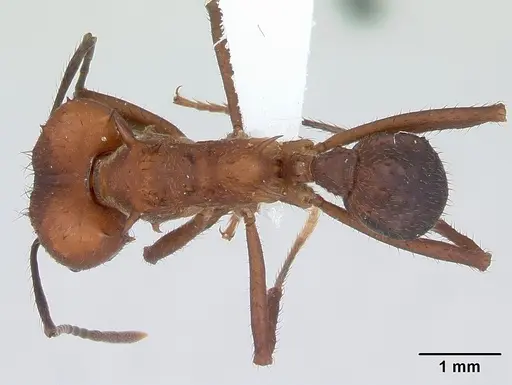
CASENT0173796
View on AntWeb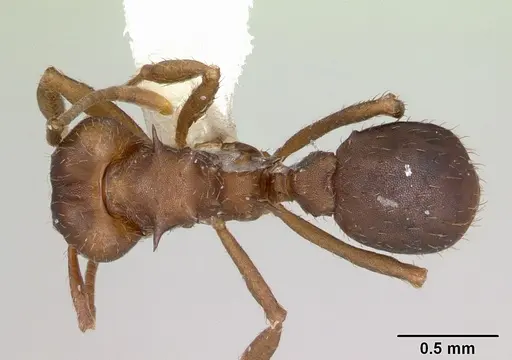
CASENT0909432
View on AntWeb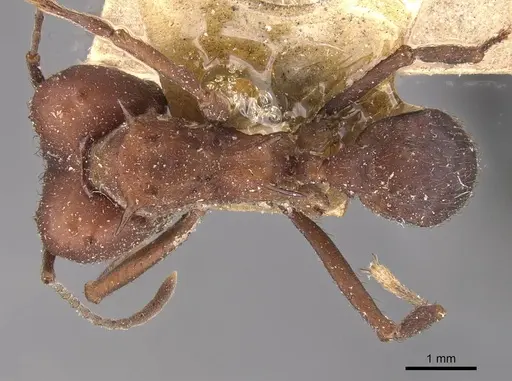
CASENT0909433
View on AntWeb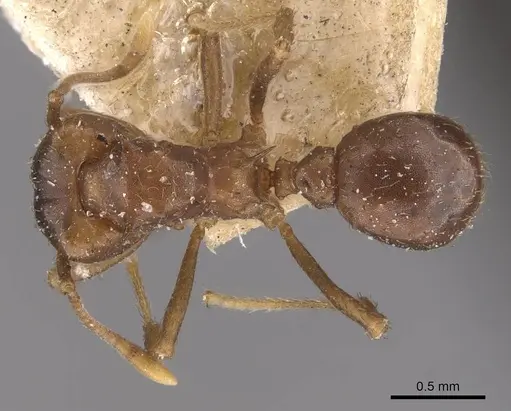
CASENT0912477
View on AntWeb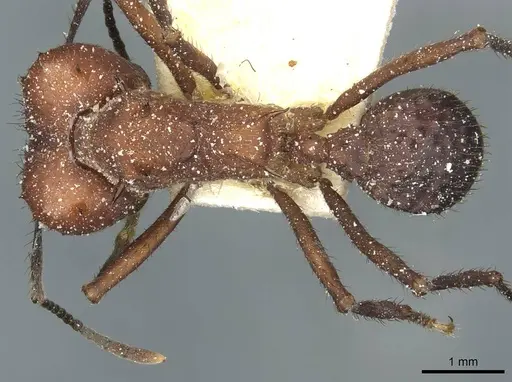
CASENT0912478
View on AntWeb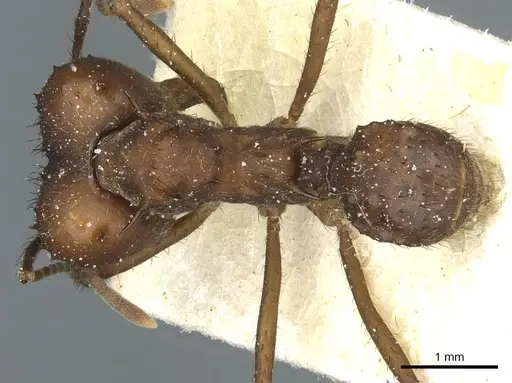
CASENT0912479
View on AntWeb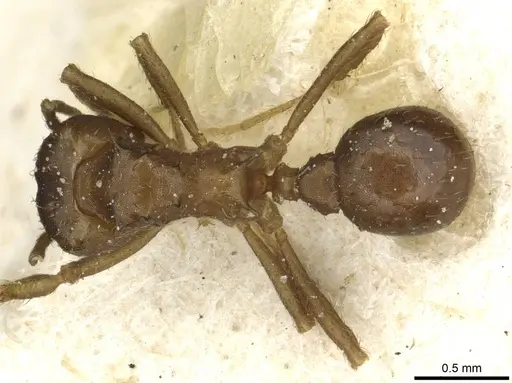
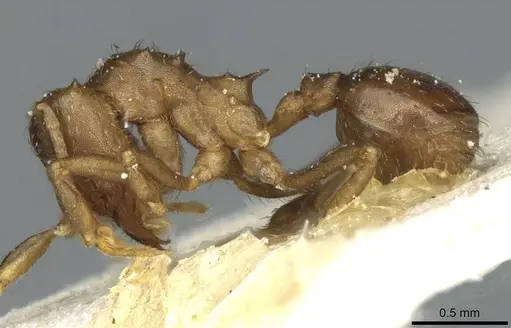
FOCOL0069-1
View on AntWeb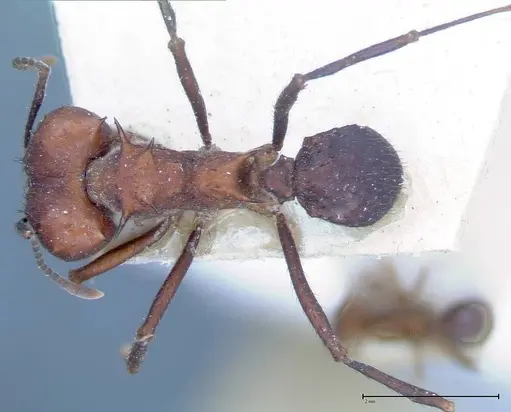
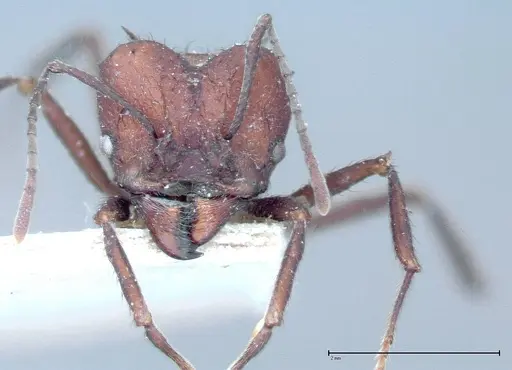
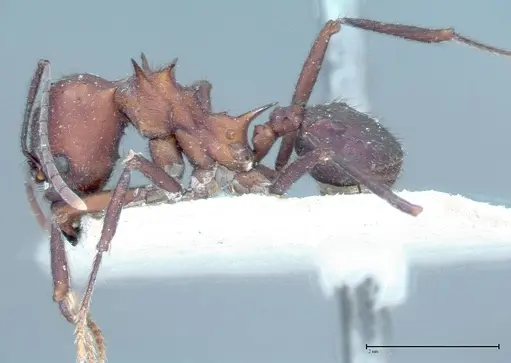
FOCOL0069-2
View on AntWeb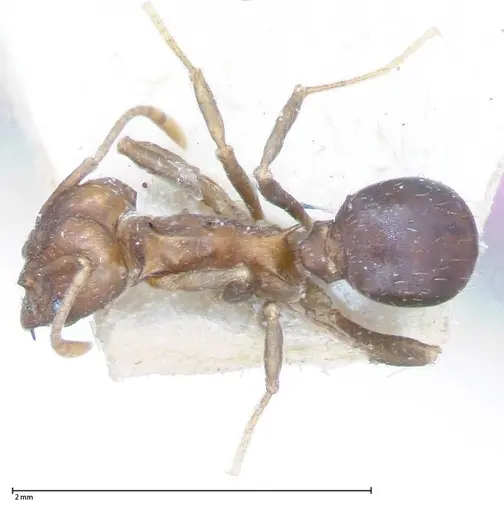
FOCOL0710
View on AntWeb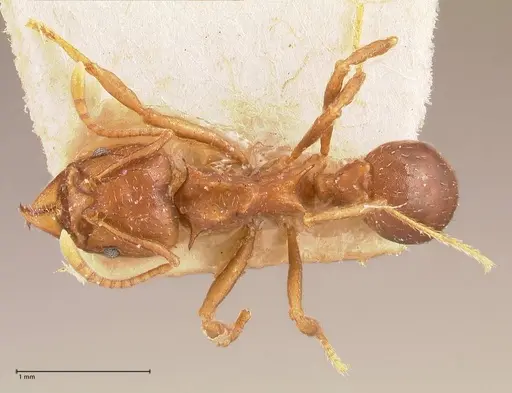
Literature
Loading distribution map...Loading products...