
Thaumatomyrmex manni
- Науч. назв.
- Thaumatomyrmex manni
- Триба
- Ponerini
- Подсемейство
- Ponerinae
- Автор
- Weber, 1939
- Распространение
- Встречается в 0 странах
Введение
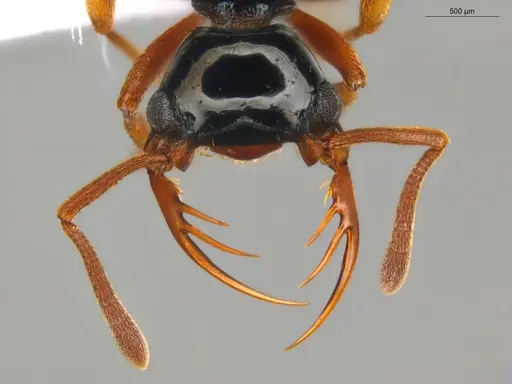
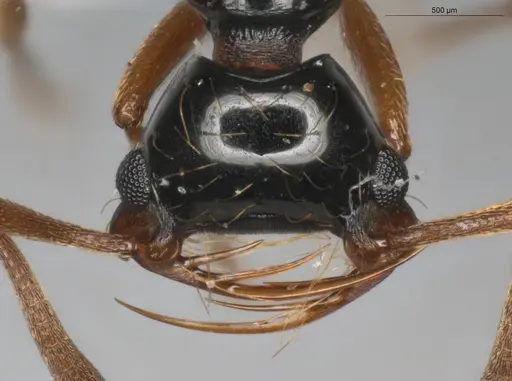
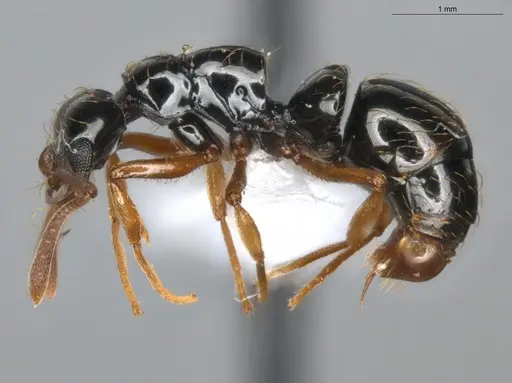
Thaumatomyrmex manni is a rare neotropical ant species originally described from Bolivia. Workers measure approximately 5.0mm in total length, making them relatively small but distinctive ants . The genus Thaumatomyrmex is known for being a specialized predator that hunts millipedes (Diplopoda), using their uniquely enlarged, trap-like mandibles to capture this unusual prey . The species was synonymized with T. atrox by Longino in 1988,so in captivity you may encounter it under either name . These ants have an enormously expanded head that is distinctly wider than long, giving them an unusual appearance unlike most other ponerine ants .
Quick Summary
- Difficulty: Expert
- Origin & Habitat: Native to Bolivia in the Neotropical region, specifically collected from the Rio Beni area at Huachi [1]. The genus Thaumatomyrmex inhabits tropical forest environments where their millipede prey is found.
- Colony Type: Colony structure is not well documented in scientific literature. The genus is known to have small colonies typical of Ponerinae, but exact colony size for T. manni is unconfirmed.
- Size & Growth:
- Queen: Unknown, workers measure 5.0mm total length [1]. Queen size not documented.
- Worker: 5.0mm total length [1]
- Colony: Unknown, likely small, probably under 100 workers, based on related species
- Growth: Unknown, no development data available
- Development: Unconfirmed, no direct development studies exist for this species (Related Thaumatomyrmex species likely develop over several months, but specific timelines are not documented)
- Antkeeping:
- Temperature: Based on tropical distribution, likely 24-28°C. Monitor colony behavior to adjust.
- Humidity: High humidity (70-85% recommended) to simulate forest floor. Keep substrate moist but well-ventilated.
- Diapause: Unlikely, as a tropical species, they probably do not require a diapause period. Maintain year-round tropical conditions.
- Nesting: Use a naturalistic setup with Y-tong (AAC), plaster, or soil nest. Provide dark, humid chambers similar to leaf litter environment.
- Behavior: These ants are specialized predators with unique mandibles adapted for capturing millipedes [1]. They are cryptic foragers that hunt through leaf litter, likely at night or dusk [1]. They possess a sting typical of Ponerinae but are not aggressive toward keepers. Their small size (5mm) means they can escape through tiny gaps, ensure all enclosures are tightly sealed with fine mesh.
- Common Issues: specialized diet makes them difficult to feed, they require millipedes or similar prey, which are not readily available, small colony sizes mean losses have significant impact on the colony, high humidity requirements can lead to mold problems if ventilation is inadequate, tropical species are sensitive to temperature drops below 24°C, limited availability in the antkeeping hobby means few resources exist for captive care
Species Overview and Taxonomic Note
Thaumatomyrmex manni was originally described by Weber in 1939 from specimens collected in Bolivia [1]. However, Longino (1988) synonymized this species with T. atrox, meaning most scientific literature now treats T. manni as the same species as T. atrox [1]. If you obtain this species, you may find care information under either name. The genus Thaumatomyrmex contains only about 8 described species, all of which are rare and specialized predators [2]. Their unique mandibles are extremely specialized for catching millipedes of the order Polydesmida [1]. Workers have uniquely shaped mandibles that function like traps, capable of grasping and holding onto the cylindrical bodies of their millipede prey.
Housing and Nesting
For this tropical species, use a naturalistic setup with moist substrate, Y-tong (AAC), or plaster nest. They prefer dark, humid nest chambers that mimic their natural leaf litter environment. A nesting area with multiple connected chambers works well, allowing the colony to choose their preferred humidity gradient. Because they are small (5mm), ensure that any test tube or nest setup has appropriate barrier protection, they can squeeze through surprisingly small gaps. Provide a water reservoir connected to the nest to maintain humidity without frequent disturbance. Ambient room temperature should be in the mid-20s°C, with a slight gradient allowing workers to thermoregulate.
Feeding and Diet - The Critical Challenge
This is the most challenging aspect of keeping Thaumatomyrmex. In the wild, they specialize almost exclusively on hunting millipedes (Diplopoda) [1]. Their unique mandibles are specifically adapted for grasping the cylindrical bodies of these arthropods. In captivity, you will need to provide live millipedes or similar small arthropods. This is significantly more difficult than feeding typical ants. Other small arthropods may be accepted experimentally, but success is uncertain. They are unlikely to accept standard ant foods like sugar water, honey, or typical feeder insects. Their specialized feeding requirements make this an expert-level species that most antkeepers should avoid unless they have access to a reliable millipede food source.
Temperature and Humidity
As a neotropical species from Bolivia, they require warm, humid conditions year-round. Based on this origin, maintain temperatures around 24-28°C, avoiding any prolonged drops below 24°C. Room temperature in most homes may be insufficient, consider using a heating cable or mat on one side of the enclosure to create a warm zone. Humidity should be high (70-85%), which can be achieved by keeping the nest substrate moist and providing a water reservoir. However, balance humidity with adequate ventilation to prevent mold growth. A hygrometer helps monitor conditions. The combination of high humidity and warm temperatures makes this species prone to mite and mold issues if not managed carefully.
Behavior and Colony Life
Thaumatomyrmex workers are cryptic foragers that hunt through the leaf litter layer, likely at night or during crepuscular periods [1]. Their specialized mandibles are used to capture and hold millipede prey, which they then carry back to the nest. Colonies are likely small, possibly consisting of only a few dozen workers. Workers possess a functional sting but are not aggressive toward humans. Their small size means they can escape through tiny gaps, ensure enclosures are tightly sealed with fine mesh. The genus is known for being cryptic and sensitive to environmental changes.
Frequently Asked Questions
What do Thaumatomyrmex manni ants eat?
They are specialized millipede predators. In captivity, they require live millipedes or similar small arthropods. Standard ant foods like sugar water or feeder insects are unlikely to be accepted. This specialized diet makes them extremely difficult to keep.
Is Thaumatomyrmex manni good for beginners?
No. This is an expert-level species due to their specialized diet requirements. They need live millipedes which are difficult to obtain and maintain as food. Most antkeepers should choose a more accessible species.
How big do Thaumatomyrmex manni colonies get?
Colony size is not well documented, but based on related species and their specialized predatory lifestyle, colonies are likely small, probably under 100 workers.
What temperature do they need?
Based on their tropical origin, keep them warm at 24-28°C. They do not tolerate cool temperatures. A heating cable or mat may be necessary to maintain proper temperatures.
Do they need hibernation or diapause?
No. As a tropical species, they do not require a diapause period. Maintain year-round tropical conditions with stable warmth and humidity.
Why are they so hard to find for sale?
Thaumatomyrmex manni is extremely rare in the antkeeping hobby due to their specialized habitat requirements and diet. The species was also synonymized with T. atrox, so you may find them listed under that name instead.
Can I keep multiple queens together?
Colony structure for this species has not been documented. Based on typical Ponerinae behavior, single-queen colonies are most likely. Combining unrelated queens is not recommended.
What is the best nest type for this species?
Naturalistic setups with moist substrate, Y-tong (AAC), or plaster formicaria with humid chambers work well. They prefer dark, humid nest areas similar to their natural leaf litter environment.
How long does it take for eggs to become workers?
Development timeline has not been documented for this species. Based on related Ponerine ants, expect several months from egg to worker, but this is only an estimate.
Report an Issue
The current care sheet is based fully on literature. See inconsistencies, or something that's incorrect? Please , it will be resolved after review from an admin. Contributing to the blogs tab also helps providing information, to make us be able to further improve the caresheets. Thank you for your support!
References

Эта инструкция по уходу лицензирована по CC BY-SA 4.0 .
Блоги сообщества
ECOFOG-HC-0084-01
Посмотреть на AntWeb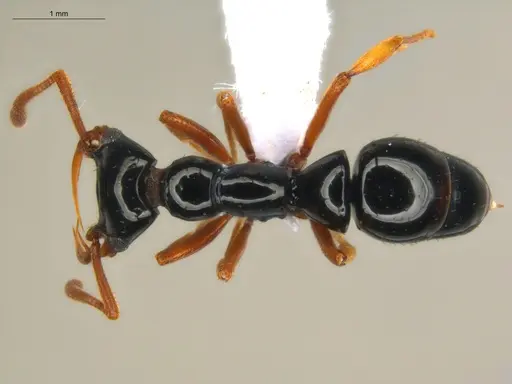
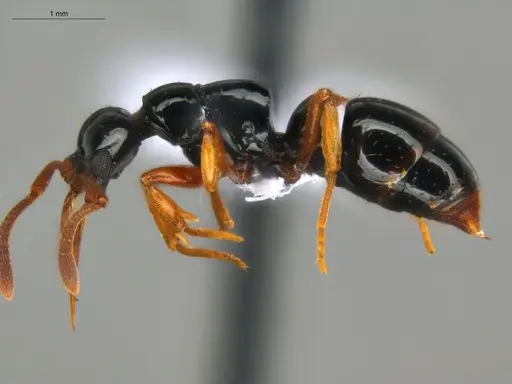
ECOFOG-IT14-0425-26
Посмотреть на AntWeb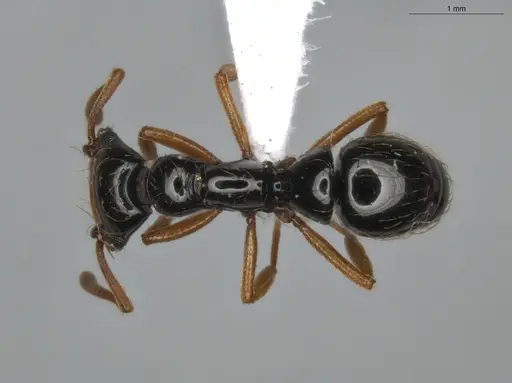
Литература
Загрузка карты распределения...Загрузка товаров...