
Tetramorium nitidissimum
- Науч. назв.
- Tetramorium nitidissimum
- Триба
- Crematogastrini
- Подсемейство
- Myrmicinae
- Автор
- Pisarski, 1967
- Распространение
- Встречается в 0 странах
Введение
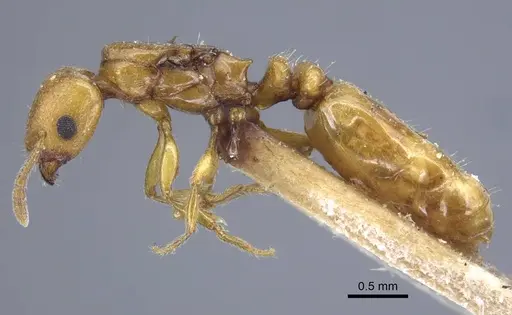
Tetramorium nitidissimum is a small, yellowish ant species native to the Palaearctic region, specifically recorded from Turkmenistan and northwestern China . Workers have very short propodeal spines and lack the row of long hairs along the rear edge of the head that some related species have . It was originally described as a subspecies of Tetramorium punicum but later raised to full species status . Based on its distribution in dry continental climates, it is thought to be a ground-nesting ant adapted to open, semi-arid habitats.
Quick Summary
- Difficulty: Hard
- Origin & Habitat: Palaearctic region: Turkmenistan (Firyuza, Ashgabat area) and northwestern China (Fukang) [1][2]. Inhabits dry, open habitats typical of the Caspian region and parts of northwestern China.
- Colony Type: Unconfirmed. Colony structure (single-queen vs multi-queen) has not been documented for this species.
- Size & Growth:
- Queen: Undocumented, inferred from genus Tetramorium: likely 5-7 mm.
- Worker: Undocumented, inferred from genus Tetramorium: likely 3-4 mm.
- Colony: Undocumented, inferred from genus Tetramorium: likely several hundred workers at maturity.
- Growth: Unknown
- Development: Unconfirmed, estimated 6-10 weeks based on typical Tetramorium development at warm temperatures (Development time inferred from related Tetramorium species. No species-specific data available.)
- Antkeeping:
- Temperature: Inferred warm conditions, aim for 22-26°C based on Turkmenistan/China habitat. Provide a gentle temperature gradient.
- Humidity: Low to moderate, prefer drier conditions typical of semi-arid regions. Allow substrate to dry between waterings.
- Diapause: Likely required, temperate origin suggests a winter rest period of 2-3 months at 10-15°C.
- Nesting: Expected to be ground-nesting based on genus patterns. In captivity, a standard test tube setup or Y-tong nest should work. Provide sandy substrate if using a naturalistic setup.
- Behavior: Not well documented. Based on genus behavior, expect active foragers that hunt small prey and tend aphids for honeydew. Workers are small and may squeeze through tiny gaps, so escape prevention is critical. This species belongs to tribe Crematogastrini, which uses a smearing sting: they wipe venom onto attackers rather than piercing. The sting is generally mild for humans.
- Common Issues: escape risk is high due to tiny worker size, use fluon and fine mesh on all openings., improper winter diapause (too short or warm) can kill the colony, aim for 2-3 months at 10-15°C., overwatering risks mold and suffocation, keep substrate on the dry side., wild-caught colonies may carry mites or diseases, quarantine before introducing to a permanent setup., limited species-specific information means keepers must rely on genus-level guesses, increasing the chance of care mistakes.
Identification and Distinction
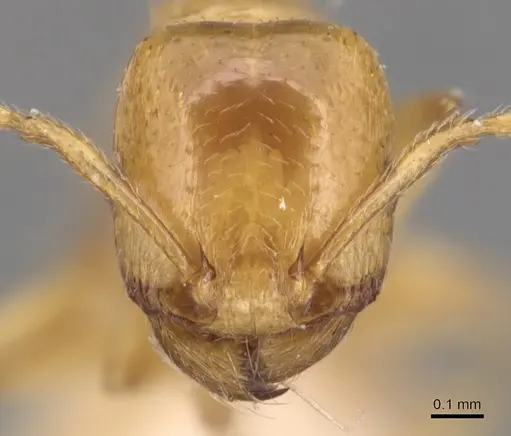
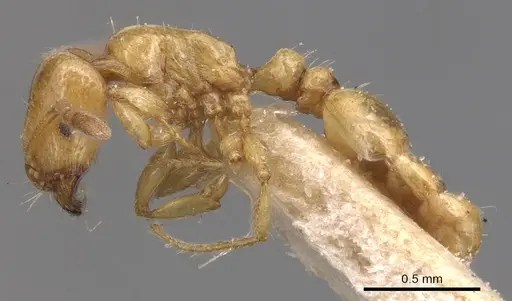
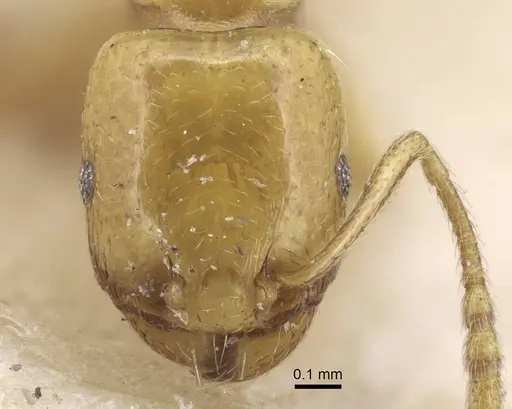
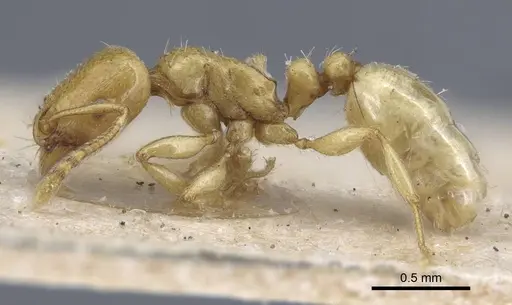
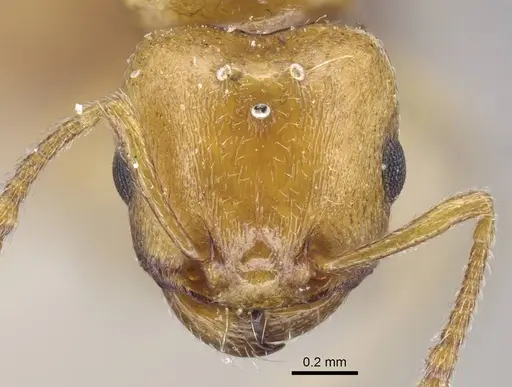
Tetramorium nitidissimum workers are yellowish and have very short propodeal spines [2]. They lack the row of long hairs on the rear edge of the head that occurs in some similar species [2]. The frontal carinae (ridges near the antenna bases) and the depressions around the antennae are narrower compared to species like Tetramorium aspina [2]. These are subtle differences best appreciated with a microscope, so identification by eye alone is unreliable.
Distribution and Natural Habitat
This species is known from only two localities: Firyuza (25 km west of Ashgabat, Turkmenistan) and Fukang in northwestern China [1][2]. Both areas have a dry, continental climate with hot summers and cold winters. The original description also mentioned the Caspian region [1]. This distribution suggests an adaptation to semi-arid to arid conditions with a distinct winter season.
Defense Mechanism
Tetramorium nitidissimum belongs to the myrmicine tribe Crematogastrini. Members of this tribe have a modified, flattened spatulate stinger that smears venom onto enemies rather than stabbing them. The venom is generally mild and not dangerous to humans.
Housing and Nesting
Standard test tube setups are fine for starting a colony. Once established, you can move them into a Y-tong (AAC) nest or a naturalistic setup with sandy soil. Keep the nest relatively dry, avoid constant moisture. Because workers are small (
Temperature and Seasonal Care
Based on the species' origin in Turkmenistan and northwestern China, provide warm conditions (22-26°C) during the active season with some daily variation. During winter, a diapause period of 2-3 months at 10-15°C is likely necessary to mimic the cold winters in their natural range. If you skip the rest period, the colony may weaken or die. Reduce feeding during diapause and keep the colony in a cool, dark spot.
Feeding
Like other Tetramorium, these ants are omnivorous. Offer small insects (fruit flies, pinhead crickets, small mealworms) for protein, and sugar water, honey, or commercial ant nectar for carbohydrates. They may also tend aphids for honeydew. Feed every 2-3 days during the active season, and remove uneaten prey after a day to prevent mold.
Frequently Asked Questions
How long does it take for Tetramorium nitidissimum to raise first workers?
Exact development time is unconfirmed for this species. Based on typical Tetramorium development, expect approximately 6-10 weeks from egg to worker at optimal warm temperatures (around 24-26°C). Be patient, as growth may be slower than in more commonly kept species.
What temperature should I keep Tetramorium nitidissimum at?
Aim for 22-26°C during the active season. Provide a temperature gradient so ants can choose their preferred spot. In winter, reduce to 10-15°C for 2-3 months to allow proper dormancy.
Is Tetramorium nitidissimum a good species for beginners?
This species is poorly documented, and specific care guidelines are almost entirely inferred from relatives. For beginners, a better choice would be a well-studied species like Tetramorium immigrans or Tetramorium caespitum, for which reliable care information is available. T. nitidissimum is best left to experienced keepers who can adapt to uncertainties.
Do Tetramorium nitidissimum ants sting?
Yes, but they belong to a group that uses a smearing sting rather than a typical piercing sting. The venom is applied onto the attacker’s surface and is generally mild. These ants are not dangerous to humans.
How big do Tetramorium nitidissimum colonies get?
Colony size is unconfirmed for this species. Based on typical Tetramorium colony sizes, expect several hundred workers at maturity. Growth rate is unknown but likely moderate.
Does Tetramorium nitidissimum need hibernation?
Yes, a winter diapause period is likely required given the species' temperate origin in Turkmenistan and northern China. Provide 2-3 months at 10-15°C during winter months.
Can I keep multiple Tetramorium nitidissimum queens together?
Colony structure has not been documented. It is unknown whether this species is single-queen or multi-queen. Until more information is available, do not combine unrelated queens, as the outcome is unpredictable.
What do Tetramorium nitidissimum ants eat?
They are omnivorous like most Tetramorium species. Offer small insects (fruit flies, small mealworms) for protein and sugar water or honey for carbohydrates. They likely also collect honeydew from aphids.
How do I prevent Tetramorium nitidissimum from escaping?
Use excellent escape prevention due to their small worker size. Apply fluon to test tube rims, use fine mesh on any ventilation openings, and ensure all connections are tight. Check regularly for any gaps.
Where is Tetramorium nitidissimum found?
This species is native to the Palaearctic region, specifically Turkmenistan and northwestern China. The type locality is Firyuza in Turkmenistan, with additional records from the Fukang region of China [1][2].
Report an Issue
The current care sheet is based fully on literature. See inconsistencies, or something that's incorrect? Please , it will be resolved after review from an admin. Contributing to the blogs tab also helps providing information, to make us be able to further improve the caresheets. Thank you for your support!
References

Эта инструкция по уходу лицензирована по CC BY-SA 4.0 .
Блоги сообщества
CASENT0904825
Посмотреть на AntWeb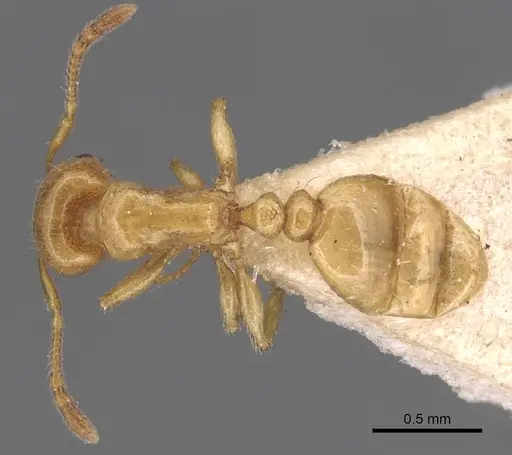
CASENT0917069
Посмотреть на AntWeb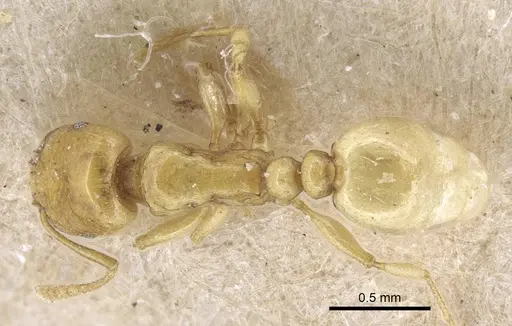
CASENT0917070
Посмотреть на AntWeb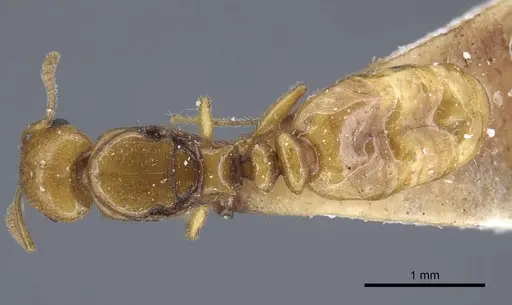
Литература
Загрузка карты распределения...Загрузка товаров...