
Tetramorium degener
- Науч. назв.
- Tetramorium degener
- Триба
- Crematogastrini
- Подсемейство
- Myrmicinae
- Автор
- Santschi, 1911
- Распространение
- Встречается в 0 странах
Введение
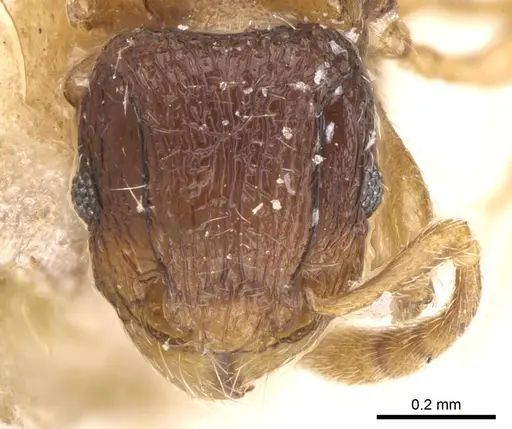
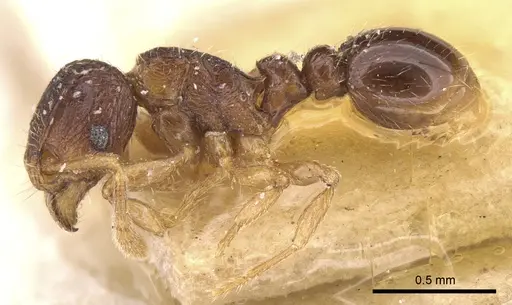
Tetramorium degener is a small ant native to Madagascar, where it belongs to the Tetramorium ranarum species group . Workers are typical of the genus - compact and robust with a 12-segmented antenna and a two-segmented petiole (the narrow 'waist' between thorax and abdomen). First described by Santschi in 1911,the species is found across the Malagasy region . As a ground-nesting ant from tropical dry forests , it inhabits Madagascar's diverse ecosystems. This species remains poorly studied in captivity, with no specific research on its behavior or colony dynamics. Like other Tetramorium, they are likely generalist foragers that exploit various food sources. Their small size and ground-nesting habit make them adaptable, though they prefer warm, moderately humid conditions typical of their native range.
Quick Summary
- Difficulty: Medium
- Origin & Habitat: Native to Madagascar (the island nation off southeast Africa). In the wild, they nest in the ground in tropical dry forests and other habitats across the Malagasy region [2][1].
- Colony Type: Unconfirmed for this species. Most Tetramorium form single-queen (monogyne) colonies, though some can have multiple queens. Without specific research on Tetramorium degener, the exact colony structure is unknown.
- Size & Growth:
- Queen: ~6–8 mm (estimated from Tetramorium genus – no species-specific data available)
- Worker: ~3–5 mm (estimated from Tetramorium genus – no species-specific data available)
- Colony: Up to a few thousand workers (estimated from related Tetramorium species – exact maximum unknown)
- Growth: Moderate – based on typical Tetramorium patterns
- Development: ~6–10 weeks at optimal tropical temperatures (24–28°C), estimated from genus-level data (Warmer temperatures within the safe range speed development. No species-specific data exists.)
- Antkeeping:
- Temperature: Keep the nest area at 24–28°C consistently. As a tropical species from Madagascar, they need warm conditions without major drops. A slight gradient allows workers to self-regulate.
- Humidity: Moderate humidity – damp but not waterlogged soil works best. The nest substrate should hold moisture but allow some drying between waterings. A gradient with a moist nest chamber and drier outworld suits most tropical ground-nesters.
- Diapause: No – as a tropical species from Madagascar, they do not require winter dormancy. Keep warm year-round.
- Nesting: Ground-nesting [2]. In captivity, use test tube setups for founding, then move to Y-tong (AAC), plaster, or naturalistic setups with soil substrate. They will dig tunnels in suitable material.
- Behavior: Tetramorium degener is generally peaceful and non-aggressive, focused on foraging and colony maintenance. Their primary defense is a smearing behavior – they use a modified flattened stinger to wipe venom onto enemies rather than piercing. They are unlikely to sting keepers. Their small size (estimated 3–5 mm workers) means escape prevention is moderate – they can fit through small gaps but are not as tiny as some species. They are more active in warm conditions.
- Common Issues: tropical species are sensitive to temperature drops – keep warm year-round, limited species-specific data means care is based on genus patterns, not direct research, ground-nesting requires careful humidity balance – too wet causes mold, too dry causes desiccation, small colony sizes initially make founding colonies fragile – minimize disturbance, unknown dietary preferences – offer variety and observe what they accept
Housing and Nest Setup
For founding colonies, a simple test tube setup works well: fill a tube about one-third with water, plug with a cotton ball to create a water reservoir, then add the queen. This provides consistent humidity without flooding. Keep the tube dark and quiet at 24–28°C.
Once the colony reaches about 20–30 workers, you can transition to a larger setup. Y-tong (AAC) nests are good because you can observe the colony while providing suitable tunnel dimensions. A naturalistic setup with soil-filled container also works, as they are ground-nesters [2]. The nest chamber should stay moderately humid while the outworld can be drier.
Feeding and Diet
Tetramorium degener is likely a generalist omnivore. Offer a varied diet: protein sources (small insects like fruit flies, pinhead crickets, or mealworms) and carbohydrates (sugar water, honey, or diluted honey). They may also accept seeds, as many Tetramorium collect seeds.
Feed small amounts every 2–3 days and remove uneaten food to prevent mold. Since this species is from tropical Madagascar, it may have higher protein needs for growth. Observe your colony's preferences and always provide fresh water.
Temperature and Seasonal Care
This tropical species needs warmth year-round. Keep the nest area at 24–28°C consistently. Extended temperatures below 20°C can stress the colony and slow brood development. They do not need diapause or hibernation [1].
Use a heating cable or mat on one side of the nest to maintain warmth, but always provide a temperature gradient so ants can move between warmer and cooler areas. Avoid placing heat directly under water reservoirs. Room temperature in a warm home is often enough.
Colony Development and Growth
Colony growth follows the typical pattern for small Myrmicinae. A newly mated queen lays eggs within 1–2 weeks in a proper test tube setup. Eggs develop through larval and pupal stages over approximately 6–10 weeks at optimal temperature, with the first workers (nanitics) smaller than mature workers.
Growth is slow initially – the queen alone tends the first brood. Once workers emerge, they take over foraging and brood care, and growth accelerates. A healthy colony should reach several hundred workers within 1–2 years. The maximum size is unknown but related Tetramorium reach up to a few thousand workers.
Frequently Asked Questions
How long does it take for Tetramorium degener to produce first workers?
Expect first workers (nanitics) to emerge 6–10 weeks after the queen lays eggs, assuming optimal temperature 24–28°C. This is based on typical Tetramorium development since species-specific data isn't available.
Do Tetramorium degener ants sting?
They have a functional stinger (as Myrmicinae) but their main defense is a smearing behavior – they wipe venom onto enemies rather than piercing. Tetramorium species are not particularly aggressive and are more likely to flee than to sting keepers.
What temperature do Tetramorium degener ants need?
Keep them at 24–28°C consistently. As a tropical species, they don't tolerate cool temperatures well. Avoid drops below 20°C for extended periods. A heating cable or mat with a gradient helps.
Can I keep multiple Tetramorium degener queens together?
The colony structure is unconfirmed. Most Tetramorium are monogyne (single queen), but some can be polygyne. Without species-specific data, it's not recommended to combine unrelated queens – they may fight.
Is Tetramorium degener good for beginners?
It's rated Medium difficulty. They are more forgiving than some tropical species but still require warm temperatures year-round and proper humidity. Beginners should have some antkeeping experience first.
What do Tetramorium degener ants eat?
They are generalist omnivores. Offer protein (small insects like fruit flies, pinhead crickets, mealworms) and carbohydrates (sugar water, honey). They may also take seeds. Feed small amounts every 2–3 days and remove leftovers.
Do Tetramorium degener ants need hibernation?
No – as a tropical species from Madagascar, they do not require diapause. Keep them warm year-round at 24–28°C. They remain active all year.
How big do Tetramorium degener colonies get?
The exact maximum is unknown. Based on related Tetramorium, colonies likely reach up to a few thousand workers over 1–2 years under good conditions. Growth rate is moderate.
When should I move my Tetramorium degener colony to a formicarium?
Move them once they reach about 20–30 workers and the test tube becomes cramped. Use a Y-tong (AAC), plaster, or naturalistic soil setup – they need substrate to dig in, as they are ground-nesting [2].
Why are my Tetramorium degener dying?
Common causes: temperature too low (below 20°C), humidity imbalance (too wet or too dry), disturbance during founding, or poor nutrition. Check that conditions match their tropical requirements and that the queen is healthy and laying eggs.
Report an Issue
The current care sheet is based fully on literature. See inconsistencies, or something that's incorrect? Please , it will be resolved after review from an admin. Contributing to the blogs tab also helps providing information, to make us be able to further improve the caresheets. Thank you for your support!
References

Эта инструкция по уходу лицензирована по CC BY-SA 4.0 .
Блоги сообщества
CASENT0101147
Посмотреть на AntWeb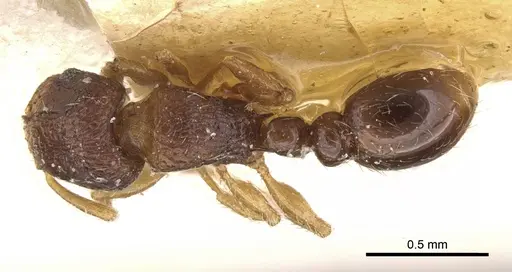
Литература
Загрузка карты распределения...Загрузка товаров...