
Temnothorax solerii
- Науч. назв.
- Temnothorax solerii
- Триба
- Crematogastrini
- Подсемейство
- Myrmicinae
- Автор
- Menozzi, 1936
- Распространение
- Встречается в 0 странах
Введение
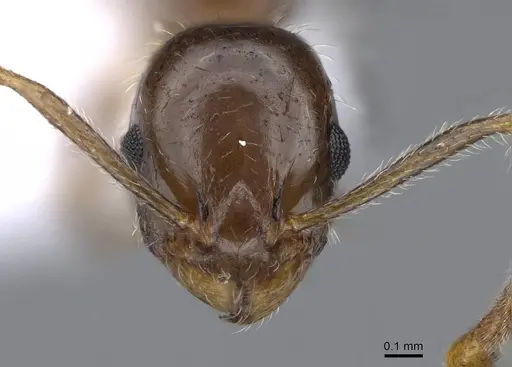
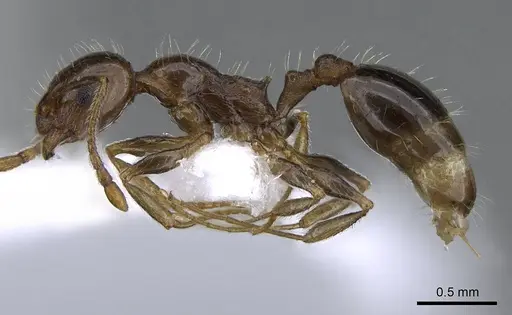
Temnothorax solerii is a tiny ant belonging to the Temnothorax recedens species group . It is endemic to Greece, known mainly from Karpathos island in the Dodecanese, with additional records from Sterea Ellas . The species was originally described from just two workers collected on Karpathos, and has since been recorded from 11 localities on the island, always in coniferous forests . Its close relative Temnothorax recedens prefers deciduous forests, but T. solerii seems to be a specialist of coniferous habitats . In nature, these ants nest in rock crevices or under moss . Body size data is not directly available for this species; based on typical Temnothorax patterns, workers are likely around 2-3mm and queens around 4-5mm total length. The queen was described for the first time in 2018 .
Quick Summary
- Difficulty: Medium
- Origin & Habitat: Karpathos island, Greece (Dodecanese) and Sterea Ellas. Found exclusively in coniferous forests on Karpathos, nesting in rock crevices or under moss [5][1].
- Colony Type: Monogyne, inferred from typical Temnothorax patterns. No confirmed reports of polygyny or ergatoid replacement queens for this species.
- Size & Growth:
- Queen: ~4-5mm total length (inferred from genus Temnothorax, direct total length measurements not available)
- Worker: ~2-3mm total length (inferred from genus Temnothorax, direct total length measurements not available)
- Colony: Up to several hundred workers (inferred from related species, maximum not studied)
- Growth: Moderate (estimated, no published data for this species)
- Development: 6-10 weeks (estimated based on related Temnothorax species) (Development time has not been directly studied for T. solerii. This estimate is based on typical patterns in the genus.)
- Antkeeping:
- Temperature: Keep at 22-26°C, based on its Mediterranean origin. Avoid prolonged temperatures below 18°C or above 30°C. A gradient allowing workers to choose their preferred temperature is ideal.
- Humidity: Moderate. Keep the nest substrate moist but not waterlogged. Provide a humidity gradient, as these ants naturally nest in rock crevices and under moss [1].
- Diapause: Likely yes, but unconfirmed. Based on its Mediterranean climate, provide a brief winter dormancy of 6-8 weeks at 10-15°C during winter months. Reduce feeding during this period but ensure access to water.
- Nesting: Prefers tight chambers and narrow passages. Y-tong (AAC) or plaster nests with small chambers work well. A test tube setup is ideal for founding colonies. Naturalistic setups can include rock fragments or pieces of moss as cover [1].
- Behavior: Peaceful and non-aggressive. This species belongs to the tribe Crematogastrini and uses a 'smear' defense: the stinger is modified for wiping venom onto enemies rather than piercing. Workers are active foragers but pose no significant threat to keepers. Due to their small size, escape risk is moderate, use standard barrier methods (fluon, oil).
- Common Issues: colonies may struggle if kept too cold, maintain warmth year-round except during suggested hibernation, slow population growth is normal, be patient and avoid overfeeding, founding queens are fragile, minimize disturbances during the initial founding period, escape prevention is important despite their size, they can squeeze through very small gaps, wild-caught colonies may harbor parasites, quarantine new acquisitions
Housing and Nest Setup
For founding colonies, a standard test tube setup works well. Fill the tube partway with water, seal with a cotton plug, and the queen will have access to moisture and a tight chamber that mimics natural rock crevices [1]. Once the colony grows to around 50 workers, you can transfer them to a small Y-tong (AAC) or plaster nest with narrow chambers. Avoid large open spaces, these ants feel most secure in cramped, tight spaces. If using a naturalistic setup, include small rocks, pieces of bark, or moss to provide cover, as they nest under moss and in rock crevices in the wild [1]. A small outworld for foraging is sufficient.
Feeding and Diet
Like most Temnothorax, T. solerii is a generalist feeder. Offer a constant source of sugar (honey water or sugar water) in small drops. For protein, provide tiny prey items such as fruit fly fragments, pinhead crickets, or small pieces of mealworm. Because of their size, make sure prey items are scaled down. Feed protein once every 5-7 days and remove any leftovers to prevent mold. Some colonies will also accept commercial ant foods, but live or freshly killed insects are more attractive. Observe your colony's preferences and adjust accordingly.
Temperature and Seasonal Care
The ideal temperature range for this Mediterranean species is 22-26°C. At these temperatures, the colony remains active and grows steadily. At room temperature in most homes, they do well. In winter, a short dormancy period of 6-8 weeks at 10-15°C is recommended, as is typical for Mediterranean ants, though direct studies on T. solerii are lacking. During this rest period, reduce feeding but maintain water access. Avoid temperatures below 15°C or above 30°C for extended periods, as this can cause stress or mortality. A heat mat on one side of the nest can create a beneficial temperature gradient if your room is cool.
Colony Founding
Founding behavior is not documented for this species in the wild. However, based on common patterns in the genus Temnothorax, queens likely found colonies alone in a small enclosed space (semi-claustral or claustral). The safest approach is to offer a test tube with a small chamber, a standard water-sealed tube works. Leave the queen undisturbed for the first 4-6 weeks. If workers appear, start offering tiny amounts of sugar water and small prey. If no workers appear after 8 weeks, the queen may have failed. Patience is key, as development is slow.
Behavior and Observation
Workers are active and alert, but due to their small size they can be difficult to observe at a distance. They forage individually rather than in large trails, which is typical for Temnothorax. The species is not aggressive and poses no threat to humans. They use a 'smear' defense: their stinger is flattened and used to wipe venom onto attackers rather than stinging. Handle them with care, minimal handling is best for ant health. Nuptial flights have not been documented for this species, but likely occur in late summer or early autumn, as with other Mediterranean Temnothorax.
Frequently Asked Questions
How long does it take for Temnothorax solerii to raise first workers?
No published data exists for this species. Based on related Temnothorax species, expect around 6-10 weeks from egg to first worker at optimal temperature (22-26°C). The first generation will be smaller than mature workers.
Can I keep Temnothorax solerii in a test tube?
Yes, test tubes work excellently for founding colonies. Use a standard test tube with a water reservoir and cotton plug. The small chamber mimics natural rock crevices. Once the colony has 50+ workers, consider upgrading to a small Y-tong or plaster nest.
Do Temnothorax solerii ants sting?
They do not sting in the traditional sense. Like other members of the tribe Crematogastrini, they have a modified spatulate stinger used to smear venom onto enemies rather than inject it. The venom is mild and not considered a threat to humans.
What temperature do Temnothorax solerii need?
Keep them at 22-26°C, reflecting their Mediterranean island habitat. Avoid prolonged exposure below 18°C or above 30°C. A gradient is beneficial.
Do Temnothorax solerii need hibernation?
Hibernation requirements are not confirmed. Based on its Mediterranean origin, a brief winter dormancy of 6-8 weeks at 10-15°C is recommended. Reduce feeding during this time but ensure water access.
How big do Temnothorax solerii colonies get?
Colony size is not documented. Based on related Temnothorax species, maximum colony size likely reaches several hundred workers. Growth is slow and steady over years.
What do Temnothorax solerii eat?
They accept sugar water or honey water as a carbohydrate source. For protein, provide tiny insects such as fruit flies, pinhead crickets, or small pieces of mealworm. Feed protein every 5-7 days. Remove uneaten prey to prevent mold.
Are Temnothorax solerii good for beginners?
They are moderate difficulty. While not aggressive, their small size and specific temperature needs require attention. The lack of published husbandry data adds some uncertainty, so they are better suited for keepers with some experience.
Can I keep multiple queens together?
No documented evidence of polygyny exists for this species. Based on typical Temnothorax patterns, they are likely monogyne (single queen). Keeping multiple queens together is not recommended, they would likely fight.
Why is my colony growing slowly?
Slow growth is normal for this species. Ensure temperature stays around 22-26°C and provide regular protein. Avoid overfeeding (risk of mold) and minimize disturbances. Patience is essential, colonies may take over a year to reach 20+ workers.
Report an Issue
The current care sheet is based fully on literature. See inconsistencies, or something that's incorrect? Please , it will be resolved after review from an admin. Contributing to the blogs tab also helps providing information, to make us be able to further improve the caresheets. Thank you for your support!
References

Эта инструкция по уходу лицензирована по CC BY-SA 4.0 .
Блоги сообщества
CASENT0914833
Посмотреть на AntWeb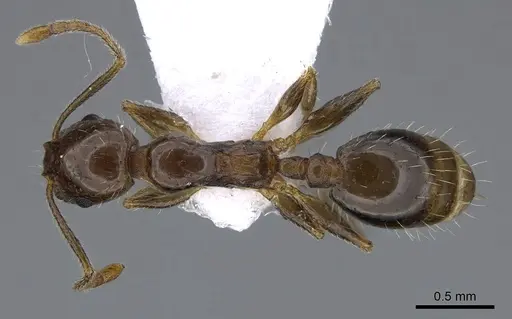
Литература
Загрузка карты распределения...Загрузка товаров...