
Temnothorax rougeti
- Науч. назв.
- Temnothorax rougeti
- Триба
- Crematogastrini
- Подсемейство
- Myrmicinae
- Автор
- Bondroit, 1918
- Распространение
- Встречается в 0 странах
Введение
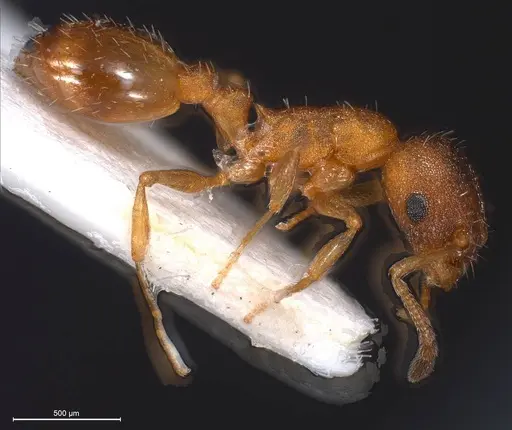
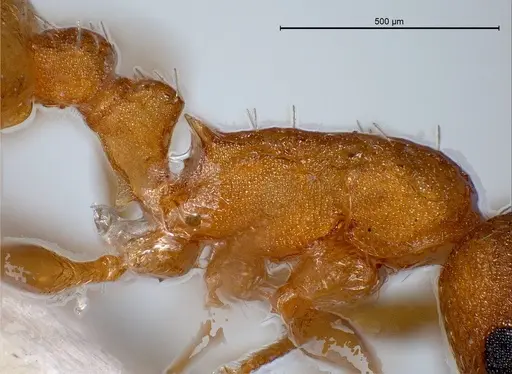
Temnothorax rougeti is a tiny ant species native to mainland France, part of the T. unifasciatus complex . Originally described as a variety of T. unifasciatus in 1918,it was elevated to full species status in 2013 . These ants belong to the subfamily Myrmicinae and tribe Crematogastrini. Their primary defense is a 'smear' mechanism - they have a modified spatulate stinger used to wipe venom onto enemies rather than piercing. Workers are typical of the genus Temnothorax in size and coloration, with a yellowish to reddish-brown body and a dark transverse band across the gaster. They inhabit warm, dry areas of the Palaearctic, nesting under stones or in small rock cavities .
Quick Summary
- Difficulty: Easy
- Origin & Habitat: Native to mainland France in the Palaearctic region [2][1]. These ants are found in warm, dry habitats, typically nesting under stones or in small rock crevices.
- Colony Type: Likely monogyne, single-queen colonies, inferred from typical Temnothorax patterns [3].
- Size & Growth:
- Queen: ~3-4 mm, inferred from typical Temnothorax queen sizes
- Worker: ~2-3 mm, inferred from typical Temnothorax worker sizes
- Colony: Up to a few hundred workers at maturity, inferred from genus patterns
- Growth: Moderate
- Development: 6-10 weeks at optimal temperatures, based on typical Temnothorax development patterns (Development is temperature‑dependent, warmer conditions within safe ranges speed it up)
- Antkeeping:
- Temperature: Keep at 20-24°C based on typical dry‑habitat Temnothorax requirements. They prefer warm conditions but can tolerate room temperature. A gentle heat gradient on one side of the nest allows thermoregulation.
- Humidity: Low to moderate humidity. These are dry‑habitat ants, keep the nest substrate slightly moist but allow some areas to dry out. Avoid waterlogging.
- Diapause: Yes, as a temperate species, they require a winter diapause. Reduce temperature to 10-15°C for 2-3 months (typically November-February).
- Nesting: Y‑tong (AAC) nests with narrow chambers (3-5mm tall) work well. Naturalistic setups with flat stones over moist plaster or soil also mimic their natural rock cavities. Avoid tall, open spaces.
- Behavior: Docile and non‑aggressive. Workers are tiny and quick, relying on the smear defense mechanism rather than stinging. They rarely attack keepers. Escape prevention is critical due to their small size, use fine mesh (≤0.5mm) and fluon barriers.
- Common Issues: escape prevention is critical, they can squeeze through standard barriers due to tiny size, colonies grow slowly and remain small, which may frustrate beginners, test‑tube setups can flood if the water reservoir is too large for such small ants, overfeeding can lead to mold in their dry nest environment
Housing and Nest Setup
Temnothorax rougeti does well in Y‑tong (AAC) nests with chambers scaled to their tiny size, aim for chambers 3-5mm tall with narrow connecting tunnels. A test‑tube setup is fine for founding, but move them to a proper nest once the colony reaches about 20-30 workers. You can also use naturalistic setups: place flat stones over moist plaster or soil to mimic rock cavities. Provide a water source (e.g., a test‑tube) for humidity, but keep the nest area relatively dry because these ants come from dry habitats. Avoid direct sunlight on the nest, but lighting isn't critical.
Feeding and Diet
Like other Temnothorax, these ants are omnivorous but favour protein. Offer small insects such as fruit flies, pinhead crickets, or small mealworms 2-3 times per week. They also accept sugar sources, a small drop of honey or sugar water occasionally. Remove uneaten prey after 24 hours to prevent mold. Sugar can be available constantly in small amounts.
Temperature and Seasonal Care
Keep temperatures between 20-24°C for good colony development. They can tolerate room temperature (18-22°C), but growth will be slower. Use a heating cable or mat on one side of the nest to create a gradient, place it on top of the nest, not underneath, to avoid drying out the substrate. During winter (November-February in the Northern Hemisphere), reduce temperatures to 10-15°C for a proper diapause of 2-3 months. This winter rest is important for colony health and spring breeding activity. Do not skip hibernation, as it can weaken colonies over time.
Colony Growth and Development
Colonies start with a claustral founding, the queen seals herself in a small chamber and raises the first brood using stored fat reserves. First workers (nanitics) are smaller than mature workers and should appear after 6-10 weeks at 20-24°C. Growth is moderate, expect the colony to reach about 50 workers within the first year under good conditions. Maximum colony size is typically up to a few hundred workers. Because these ants are monogyne, keep only one queen per colony, multiple unrelated queens will fight.
Behavior and Handling
These ants are docile and non‑aggressive. Their primary defense is the smear mechanism, they use a modified stinger to wipe venom onto enemies rather than stinging. Workers are tiny and quick, so direct handling is tricky. They rarely attack keepers. Escape prevention is critical due to their size, standard cotton plugs can be chewed through, and standard mesh may not hold them. Use fine mesh (≤0.5mm) on ventilation and apply fluon barriers to the rims of the outworld. Check connections between the nest and outworld regularly.
Frequently Asked Questions
How long does it take for Temnothorax rougeti to get their first workers?
Based on typical Temnothorax development, expect first workers (nanitics) to emerge 6-10 weeks after the queen lays eggs, assuming temperatures around 20-24°C. Cooler conditions will slow development significantly.
Can I keep multiple queens together in one colony?
No, Temnothorax rougeti is monogyne, so colonies naturally have only one queen. Multiple unrelated queens will fight. Keep only one queen per setup.
Do these ants sting?
They do not sting in the typical piercing way. Instead, they have a modified spatulate stinger used to smear venom onto enemies, this is their primary defense. They are not dangerous to humans.
What size colony does Temnothorax rougeti reach?
Mature colonies typically reach up to a few hundred workers. They are a small species with modest colony sizes compared to many Myrmicinae.
Do they need hibernation?
Yes, as a temperate European species, they require a winter diapause. Reduce temperatures to 10-15°C for 2-3 months during winter (typically November-February). Skipping hibernation can weaken colonies over time.
Are they good for beginners?
Yes, they are considered easy to keep due to their small size, docile nature, and modest care requirements. The main challenges are escape prevention and maintaining proper hibernation conditions.
What do Temnothorax rougeti eat?
They are omnivorous but prefer protein. Feed small insects like fruit flies, small mealworms, or pinhead crickets 2-3 times per week. Offer sugar water or honey occasionally. Remove uneaten food promptly to prevent mold.
When should I move them from a test tube to a formicarium?
Transfer to a proper nest once the colony reaches about 20-30 workers. Test tubes become difficult to maintain at that size, and a Y‑tong nest with appropriately scaled chambers will serve them better.
Why are my ants escaping?
Their tiny size lets them squeeze through gaps that seem impossible. Use fluon barriers on the rim of any container, make sure all lids fit tightly, use fine mesh (≤0.5mm) for ventilation, and check connections between the nest and outworld regularly.
Report an Issue
The current care sheet is based fully on literature. See inconsistencies, or something that's incorrect? Please , it will be resolved after review from an admin. Contributing to the blogs tab also helps providing information, to make us be able to further improve the caresheets. Thank you for your support!
References

Эта инструкция по уходу лицензирована по CC BY-SA 4.0 .
Блоги сообщества
ANTWEB1008445
Посмотреть на AntWeb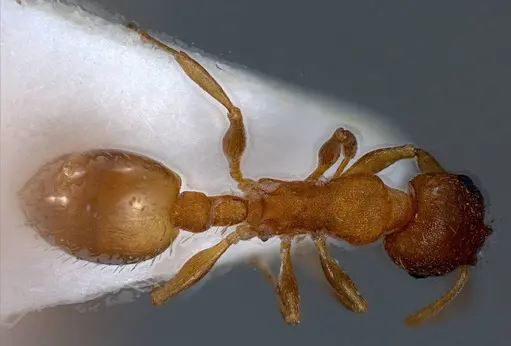
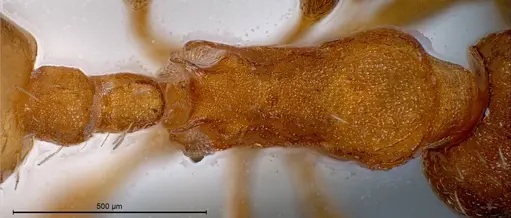
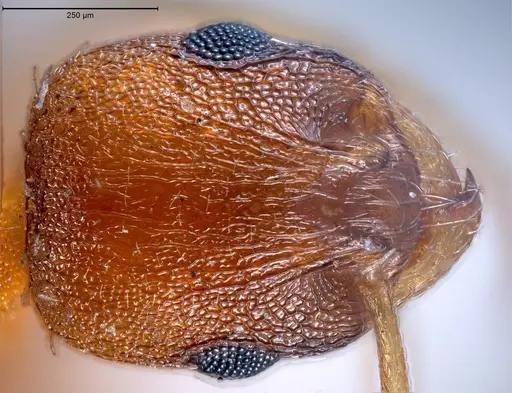
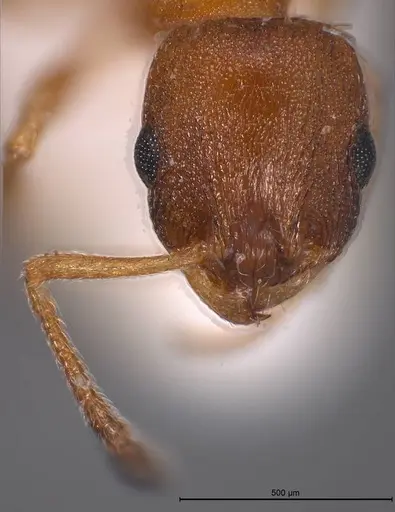
Литература
Загрузка карты распределения...Загрузка товаров...