
Temnothorax mirabilis
- Науч. назв.
- Temnothorax mirabilis
- Триба
- Crematogastrini
- Подсемейство
- Myrmicinae
- Автор
- Espadaler & Cagniant, 1996
- Распространение
- Встречается в 0 странах
Введение
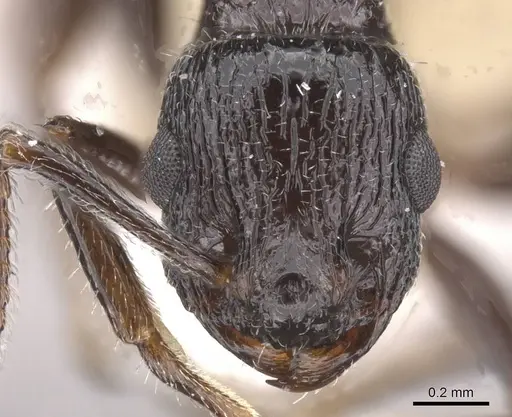
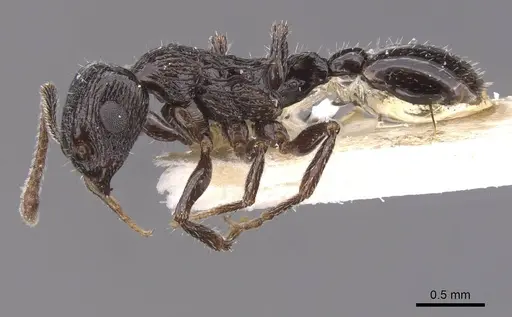
Temnothorax mirabilis is a tiny ant species endemic to Morocco, originally described as Leptothorax mirabilis in 1996 . Workers are small, around 2-3mm, and the species is considered a distinct lineage separate from other Temnothorax . The most interesting thing about this ant is its queens, they are unusually small, about the same size as workers . This species was discovered in the Middle Atlas Mountains, specifically at Jb. Hebri and Tizi-n-Terhettene in Morocco . It remains a rare and poorly known ant, making it a unique challenge for dedicated keepers.
Quick Summary
- Difficulty: Medium
- Origin & Habitat: Endemic to Morocco in the Palaearctic region, specifically the Middle Atlas Mountains. Found at higher elevations in Jb. Hebri and Tizi-n-Terhettene [3]. Natural habitat consists of rocky, semi-arid to Mediterranean mountain environments.
- Colony Type: Colony structure is unconfirmed but likely monogyne (single queen) based on typical Temnothorax patterns. The species has unusually small queens, similar in size to workers, which may affect founding behavior [2].
- Size & Growth:
- Queen: ~2-3mm (similar to workers) – inferred from description of small females [2]
- Worker: ~2-3mm – size not explicitly documented, inferred from Temnothorax genus
- Colony: Unknown, inferred from genus patterns – likely small colonies, possibly up to a few hundred workers
- Growth: Moderate – estimated from genus patterns
- Development: Estimated 6-10 weeks at optimal temperature based on related Temnothorax species (Timeline is unconfirmed for this species. Keep temperatures around 20-24°C for normal development.)
- Antkeeping:
- Temperature: Based on its Mediterranean mountain habitat, maintain around 20-24°C. Provide a slight temperature gradient so ants can choose their preferred zone. Cooler winter rest is needed (see diapause).
- Humidity: Provide moderate humidity with a moisture gradient. Keep one area of the nest substrate slightly damp, allowing the rest to dry out. Avoid waterlogging, as these ants come from semi-arid environments.
- Diapause: Yes – requires a winter rest period of 8-12 weeks at 10-15°C, consistent with other Palaearctic Temnothorax
- Nesting: Use small, tight chambers scaled to their size. Y-tong (AAC), plaster, or 3D-printed nests with narrow passages work well. Provide a water reservoir for humidity. Avoid large open spaces that can stress these tiny ants.
- Behavior: Shy and peaceful – they flee rather than fight. Their stinger is adapted for smearing venom (based on subfamily Myrmicinae, tribe Crematogastrini), but they rarely use it. Their tiny size makes escape prevention critical – use fine mesh or fluon barriers. Workers are active foragers, likely collecting small seeds and insects. Queens are similar in size to workers, which is unusual [2].
- Common Issues: escape risk – tiny size means they can squeeze through standard ant barriers, limited documented care information – guidance is mostly inferred from related species, slow colony growth – may frustrate beginner keepers, winter diapause requirements – skipping hibernation can weaken colonies over time, low error tolerance – small colonies are more vulnerable to stress from humidity, temperature, or diet
Housing and Nest Preferences
Temnothorax mirabilis needs a small, tight nest with narrow passages. Their tiny size means standard setups may feel oversized. Y-tong (AAC), plaster, or 3D-printed nests with small chambers work well. Include a water reservoir to maintain humidity without flooding. A small outworld is enough for foraging. Escape prevention is essential – use fine mesh barriers, as these ants can fit through surprisingly small gaps. Avoid large open formicaria that can stress the colony.
Feeding and Diet
This species is likely omnivorous with granivore tendencies [1]. Offer small seeds (grass seeds, sesame), protein sources (fruit flies, small crickets), and constant access to sugar water or honey water. Feed protein 2-3 times per week. All food should be appropriately sized for their tiny workers – fruit flies and springtails are ideal. Remove uneaten food to prevent mold. Some Temnothorax also feed on honeydew, so sugar water is recommended.
Temperature and Seasonal Care
Maintain temperatures around 20-24°C for active colony growth. These ants come from the Moroccan Atlas Mountains, which have temperate summers and cool winters. Provide a gentle temperature gradient if possible. For winter dormancy (November to February), reduce temperature to 10-15°C for 8-12 weeks. This diapause is important for colony health – skipping it can weaken colonies over time. In spring, gradually increase temperature to resume activity.
Colony Establishment and Growth
Queen founding behavior is not directly documented for this species, but the unusually small queen size (similar to workers) suggests she may have limited fat reserves [2]. Most Temnothorax queens are claustral – sealing themselves in a chamber and raising the first brood on stored reserves. However, given the small queen size, you should monitor founding queens and consider offering tiny food items if they appear active outside the nest. First workers (nanitics) will be even smaller. Colony growth is slow initially – expect 6-12 months to reach 20-30 workers. Maximum colony size is unknown but likely under a few hundred workers based on genus patterns.
Behavior and Temperament
Temnothorax mirabilis is a peaceful, shy species. Workers flee from disturbance rather than fight. Like other members of the tribe Crematogastrini, they have a modified stinger that smears venom onto enemies, but this is rarely used in defensive situations. Their tiny size makes them excellent escape artists – use fine mesh barriers and check for gaps. Colonies are quiet and methodical. Watching their careful foraging and brood care can be rewarding, especially given their unusual queen-worker size parity [2].
Frequently Asked Questions
How long does it take for Temnothorax mirabilis to produce first workers?
Based on related Temnothorax, expect first workers (nanitics) approximately 6-10 weeks after the queen lays eggs, assuming temperatures around 20-24°C. This timeline is unconfirmed for this species. Patience is key – founding can take months.
What do Temnothorax mirabilis ants eat?
They are omnivorous with likely granivore tendencies [1]. Offer small seeds, protein (fruit flies, small insects), and constant sugar water or honey water. Prey must be tiny – fruit flies and springtails are ideal. Remove uneaten food to prevent mold.
Do Temnothorax mirabilis ants need hibernation?
Yes, they likely require a winter diapause period. Reduce temperatures to 10-15°C for 8-12 weeks during winter (roughly November to February in the Northern Hemisphere). This rest period supports colony health. Skipping hibernation can weaken colonies over time.
How big do Temnothorax mirabilis colonies get?
Colony size is not documented. Based on other Temnothorax species, colonies are likely small – possibly up to a few hundred workers at maturity. They remain compact even when established.
Can I keep multiple Temnothorax mirabilis queens together?
Not recommended. While some Temnothorax can be polygynous, this species is likely monogyne (single queen). Combining queens is not documented and typically leads to fighting. House founding queens separately.
Are Temnothorax mirabilis good for beginners?
This species is rated Medium difficulty. They are generally hardy once established, but limited care information and their tiny size present challenges. Beginners may struggle with escape prevention and slow growth. Consider starting with a more common Temnothorax species.
What size nest does Temnothorax mirabilis need?
Use a small nest with tight chambers scaled to their 2-3mm size. Y-tong (AAC), plaster, or 3D-printed nests with narrow passages work well. Avoid large, open formicaria. A nest with multiple small chambers and a water reservoir for humidity is ideal. The outworld only needs to be large enough for foraging.
Do Temnothorax mirabilis ants sting?
They have a modified stinger adapted for smearing venom (based on their subfamily/tribe), but they are non-aggressive and rarely use it. Even if stung, the pain is negligible due to their tiny size. They pose no danger to keepers.
Why are my Temnothorax mirabilis dying?
Common causes: escape (inadequate barriers), incorrect humidity (too wet or too dry), temperature problems (too cold or fluctuating), starvation (especially protein deficiency), and mold from uneaten food. Check these first. Also ensure they had a proper winter diapause if the colony is established.
Where is Temnothorax mirabilis native to?
This species is endemic to Morocco, specifically the Middle Atlas Mountains. It is found at higher elevations in Jb. Hebri and Tizi-n-Terhettene. It was originally described in 1996 and remains rare both in the wild and in the hobby [3][1].
Report an Issue
The current care sheet is based fully on literature. See inconsistencies, or something that's incorrect? Please , it will be resolved after review from an admin. Contributing to the blogs tab also helps providing information, to make us be able to further improve the caresheets. Thank you for your support!
References

Эта инструкция по уходу лицензирована по CC BY-SA 4.0 .
Блоги сообщества
CASENT0912965
Посмотреть на AntWeb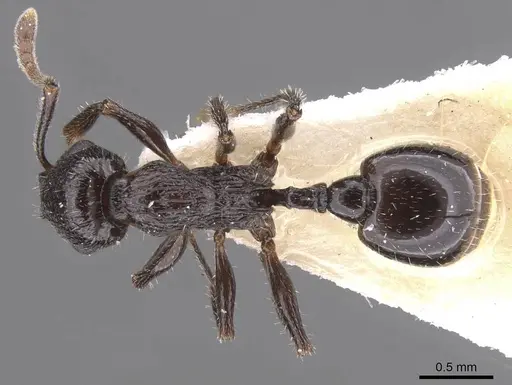
Литература
Загрузка карты распределения...Загрузка товаров...