
Temnothorax caesari
- Науч. назв.
- Temnothorax caesari
- Триба
- Crematogastrini
- Подсемейство
- Myrmicinae
- Автор
- Espadaler, 1997
- Распространение
- Встречается в 0 странах
Введение
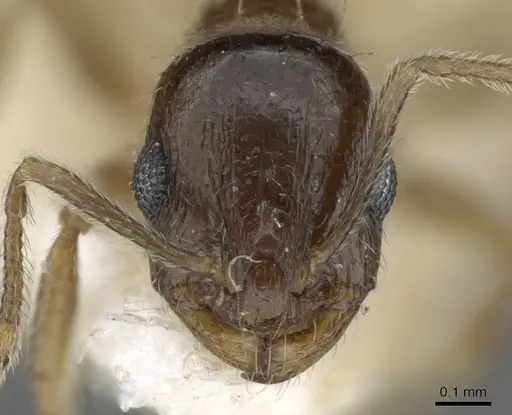
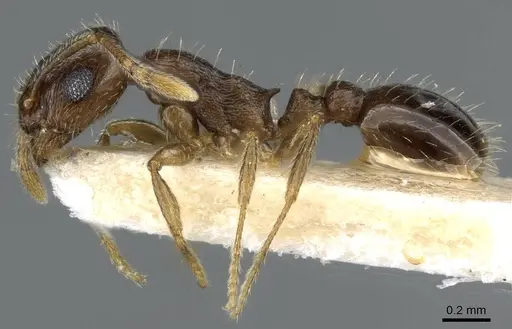
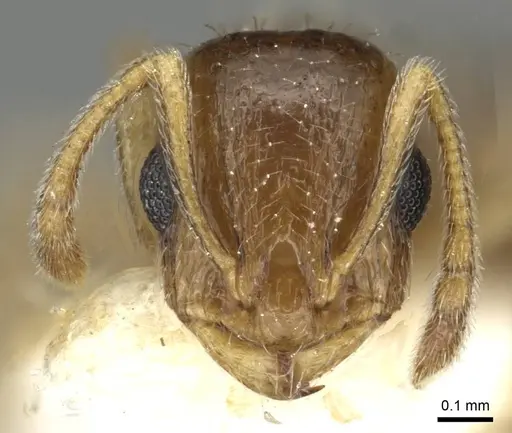
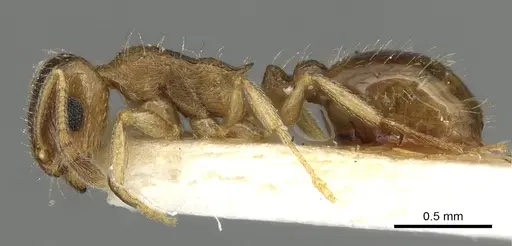
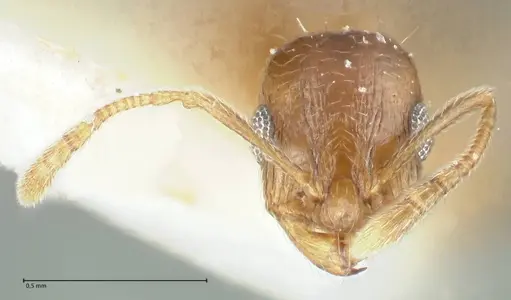
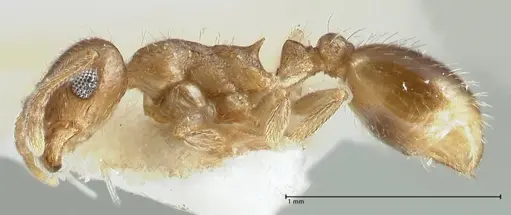
Temnothorax caesari is a tiny ant species native to the Iberian Peninsula in Spain. Workers measure just 2.2-2.4mm, making them among the smaller ants you can keep . They have a distinctive appearance: dark brown head and gaster, an olivaceous brown thorax, and brownish-yellow legs and antennae . Queens are slightly larger at 2.5-3.1mm . This species is the first documented granivorous (seed-eating) ant in the genus Temnothorax - workers actively collect and store seeds in their nest as a food source . Another unusual trait: males are born wingless (apterous), and females lose their wings within two days of emerging without needing to mate - this indicates mating occurs inside the nest (intranidal mating) rather than during nuptial flights . They are endemic to semiarid steppe habitats in Spain's Ebro Valley and are known only from a single location near the Sariñena lagoon in Huesca province .
Quick Summary
- Difficulty: Medium
- Origin & Habitat: Endemic to the Ebro Valley in Spain, specifically near Laguna de Sariñena in Huesca province. They inhabit semiarid steppe environments with sparse vegetation including Lygeum spartum, Euphorbia sulcata, and Plantago albicans [3][2]. The species is known only from this type locality [3].
- Colony Type: Colony structure is not fully documented. The type colony contained a single queen with 18 workers [1]. Queens may be able to found colonies dependently given their thorax volume ratio of 3.09,which is closer to dependent founding species [1]. Males are apterous (wingless), suggesting intranidal mating [1]. Based on available evidence, colonies are likely monogyne (single queen).
- Size & Growth:
- Queen: 2.5-3.1mm [1]
- Worker: 2.2-2.4mm [1]
- Colony: Not documented, type colony had 18 workers [1], mature colonies may reach several hundred workers based on related Temnothorax species.
- Growth: Moderate, estimated based on genus patterns
- Development: Not documented, estimated 6-10 weeks based on related Temnothorax species. (In the only documented colony, workers emerged within the first year after founding [1].)
- Antkeeping:
- Temperature: Keep at 20-24°C (estimated from semiarid steppe habitat [2]). Provide a slight temperature gradient using a heating cable on one side. Avoid temperatures above 28°C.
- Humidity: Keep nest substrate slightly dry to moderately moist. Allow to dry partially between waterings. Avoid waterlogging, as they come from semiarid habitats [2].
- Diapause: Yes, based on temperate climate [2]. Reduce temperature to 10-15°C for 2-3 months in winter. Stop feeding during this period.
- Nesting: In nature, they nest in simple soil chambers dug to about 15cm depth [1]. In captivity, a Y-tong (AAC) nest or plaster nest with small chambers works well. They prefer tight chambers scaled to their tiny size. Avoid overly moist conditions.
- Behavior: These are peaceful, non-aggressive ants. Workers are small and docile, unlikely to bite or sting. They have a modified stinger used to smear venom, but it is harmless to humans. They are granivorous, workers collect and consume seeds, storing them in the nest like a granary [1]. They forage individually rather than in groups. Escape prevention is critical due to their very small size, they can squeeze through standard test tube barriers. Use fine mesh and tight-fitting lids. They are relatively inactive compared to some ants, often staying within the nest.
- Common Issues: escape prevention is critical, their tiny 2-2.5mm size means they can slip through standard barriers easily, colonies are slow to grow, which can frustrate beginners expecting rapid development, overwatering can be fatal, they come from semiarid steppe habitats and prefer drier conditions, granivorous diet is unusual, they may not accept standard protein foods as readily as seed-eating is their specialty, limited availability, this species is rarely kept and may be difficult to acquire
Housing and Nest Preferences
Temnothorax caesari is a tiny ant that needs appropriately scaled housing. In the wild, they dig simple nest chambers about 15cm deep in soil [1]. For captivity, a Y-tong (AAC) nest or plaster nest with small chambers works well. The chambers should be tight, these ants feel secure in snug spaces. A test tube setup can work for founding colonies, but monitor humidity carefully as they prefer drier conditions than many other Temnothorax species. Because of their minute size, escape prevention must be excellent. Use fine mesh (at least 0.5mm gaps or tighter) on any ventilation holes and ensure all connections are sealed. These ants do not need large outworlds, a small foraging area is sufficient.
Feeding and Diet
This species is unusual among ants, it is granivorous, meaning it eats seeds. Workers actively collect seeds and store them in the nest as a granary, similar to harvester ants [1]. In laboratory colonies, they readily took Cerastium (chickweed) seeds [1]. For captive care, offer small seeds appropriate to their tiny size, grass seeds, dandelion seeds, or commercially available ant seeds work well. You can also offer tiny amounts of protein like fruit flies or small mealworm pieces, but seeds should be the primary food. Sugar water or honey can be offered occasionally but is not essential given their seed-based diet. Always provide fresh water.
Temperature and Seasonal Care
Keep these ants at 20-24°C, reflecting their origin in semiarid Spanish steppe habitats [2]. A slight temperature gradient allows workers to regulate their own conditions. During winter, they likely require a diapause (hibernation) period given the temperate climate of their native range. Reduce temperature to 10-15°C for 2-3 months in winter, stopping feeding during this time. This mimics their natural seasonal cycle and helps maintain colony health. Do not overheat, temperatures above 28°C can be harmful. Room temperature within their preferred range is often sufficient without additional heating.
Behavior and Colony Dynamics
Temnothorax caesari has fascinating reproductive biology. Unlike most ants, males are born wingless (apterous), and females lose their wings immediately after emerging from the pupal stage without being fertilized [1]. This indicates intranidal mating, queens mate inside the nest with wingless males rather than during nuptial flights. The type colony contained a single queen with 18 workers, suggesting monogyne (single queen) colony structure [1]. Workers are peaceful and not aggressive. They forage individually for seeds rather than in groups. Colonies grow slowly, so patience is required. The queen has a relatively small thorax (queen/worker thorax ratio of 3.09) compared to species that found colonies independently, suggesting dependent founding where the queen may receive some worker assistance [1].
Frequently Asked Questions
How long does it take for Temnothorax caesari to produce first workers?
The specific development timeline has not been documented. Based on related Temnothorax species, first workers likely appear within 6-10 weeks at optimal temperatures (around 22°C). In laboratory observations, workers were present within the first year after founding, but exact timing was not recorded [1].
Can I keep Temnothorax caesari in a test tube?
Yes, test tubes work well for founding colonies. Use a small water reservoir and cotton plug, but monitor humidity carefully, these semiarid steppe ants prefer drier conditions than many other Temnothorax species. Due to their tiny size, ensure the cotton is packed tightly to prevent escapes.
What do Temnothorax caesari ants eat?
They are granivorous, they eat seeds. This is unusual and makes them unique among Temnothorax ants. Offer small seeds like grass seeds, dandelion seeds, or commercial ant seeds. They may also accept tiny protein sources like fruit flies, but seeds should be their primary food.
Do Temnothorax caesari ants sting?
At 2.2-2.4mm workers, they are too small to deliver a painful sting. They are docile and unlikely to bite. Their main defense is escaping rather than fighting. They have a modified stinger used to smear venom, but it is harmless to humans.
Are Temnothorax caesari good for beginners?
They are intermediate in difficulty. Their small size makes escape prevention challenging, and their unusual granivorous diet requires different feeding than typical ants. However, they are peaceful and require less protein than predatory species. They are not aggressive and do well in simple setups.
How big do Temnothorax caesari colonies get?
Colony size is not well documented in the wild. The type colony had 18 workers [1]. Based on typical Temnothorax patterns, colonies likely reach 100-300 workers at maturity, but this is speculative. Growth is slow, so large colonies take time to develop.
Do Temnothorax caesari need hibernation?
Yes, they likely need a winter rest period. They inhabit temperate Spain with seasonal climate variation. Reduce temperature to 10-15°C for 2-3 months during winter, stopping feeding during this period.
Why are the males wingless in Temnothorax caesari?
This is a unique trait, males are apterous (wingless), which is highly unusual in ants. This indicates intranidal mating, meaning queens mate with wingless males inside the nest rather than during nuptial flights. Females also lose their wings within two days of emerging without being fertilized [1].
Can I keep multiple queens together?
This has not been documented. The type colony had a single queen [1]. Based on typical Temnothorax behavior, it is likely monogyne (single queen). Combining unrelated queens is not recommended as it has not been studied for this species.
Why is Temnothorax caesari special?
This species is the first documented granivorous (seed-eating) ant in the genus Temnothorax [1]. It also has unusually wingless males and practices intranidal mating, both rare traits in ants. It is endemic to a very limited area in Spain's Ebro Valley [2] and is known only from its type locality [3].
Report an Issue
The current care sheet is based fully on literature. See inconsistencies, or something that's incorrect? Please , it will be resolved after review from an admin. Contributing to the blogs tab also helps providing information, to make us be able to further improve the caresheets. Thank you for your support!
References

Эта инструкция по уходу лицензирована по CC BY-SA 4.0 .
Блоги сообщества
CASENT0905857
Посмотреть на AntWeb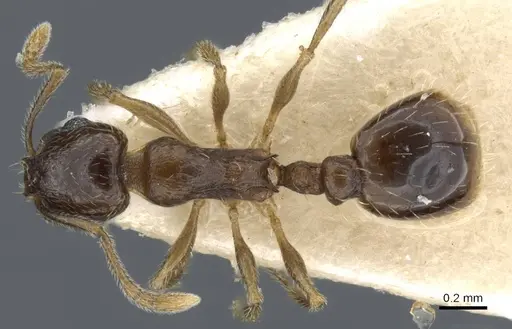
CASENT0915387
Посмотреть на AntWeb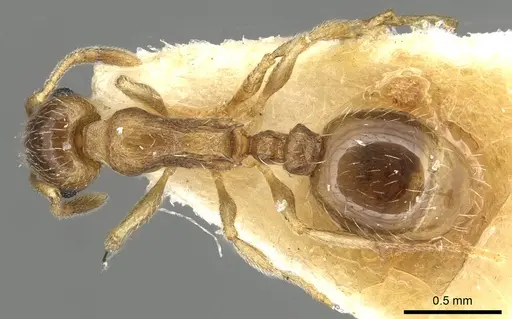
FOCOL1809
Посмотреть на AntWeb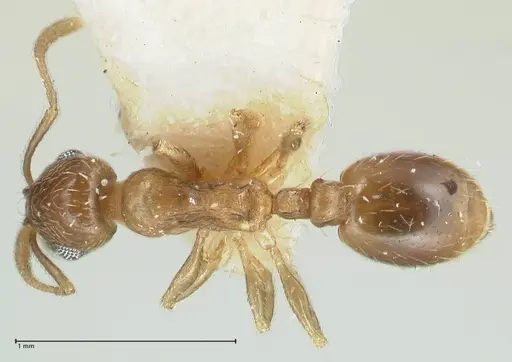
Литература
Загрузка карты распределения...Загрузка товаров...